objectivity
US /ˌɑbdʒɛkˈtɪvɪti/
・UK /ˌɒbdʒek'tɪvətɪ/
A2
n. (u.)Uncountable NounQuality of existing in actuality, not just in mind
Objectivity is required for scientists to reach good conclusions
n. (u.)Uncountable NounOpen-minded consideration, based on evidence
I question the objectivity of this judge because this case is about his son
Video subtitles
The Story of: Gerhard Richter (1932–Today)

- Realism, and with reference to Socialist Realism, but also a label Richter wasn't too satisfied about. Richter was interested in current affairs, consumer society, new media and popular culture. He incorporated these elements into his painterly practice, depicting for instance televisions, design magazines, advertisements or political figures and events. This was the genesis of Richter's professional oeuvre, and photography was the starting point, something which used to be impossible with his academic background. He combined photography with his characteristic blurred effect, and immediately started to examine the relationship between both media, photography and painting, a true pillar within his artistic practice. The German artist was interested and fascinated by the dialectic relation between the objectivity and the subjectivity when painting photographs. For Richter, the photograph was the most perfect picture. He could eliminate conscious thinking, as the picture does not change, it is absolute, autonomous, unconditional and not linked to any style. With his blurred effect, he made everything equal, equally important and simultaneously equally unimportant. He was strongly drawn to depicting certain subjects from found photographic material. Think of military subjects, family portraits, images from newspapers or magazines. These selected images all have their very own narrative and motive to be painted, most often combining death or suffering, and its exploitation of death and suffering in media. From 1963 until 1964, Richter had his first exhibitions and commercial successes, collaborating with several galleries, and also collectors were starting to get really interested in his work and career. A landmark year for Gerhard Richter was 1966, for many reasons. The first, the birth of his daughter, Betty, whom he iconically painted in 1988. He also painted his wife
Realism, and with reference to Socialist Realism, but also a label Richter wasn't too satisfied about. Richter was interested in current affairs, consumer society, new media and popular culture. He incorporated these elements into his painterly practice, depicting for instance televisions, design magazines, advertisements or political figures and events. This was the genesis of Richter's professional oeuvre, and photography was the starting point, something which used to be impossible with his academic background. He combined photography with his characteristic blurred effect, and immediately started to examine the relationship between both media, photography and painting, a true pillar within his artistic practice. The German artist was interested and fascinated by the dialectic relation between the objectivity and the subjectivity when painting photographs. For Richter, the photograph was the most perfect picture. He could eliminate conscious thinking, as the picture does not change, it is absolute, autonomous, unconditional and not linked to any style. With his blurred effect, he made everything equal, equally important and simultaneously equally unimportant. He was strongly drawn to depicting certain subjects from found photographic material. Think of military subjects, family portraits, images from newspapers or magazines. These selected images all have their very own narrative and motive to be painted, most often combining death or suffering, and its exploitation of death and suffering in media. From 1963 until 1964, Richter had his first exhibitions and commercial successes, collaborating with several galleries, and also collectors were starting to get really interested in his work and career. A landmark year for Gerhard Richter was 1966, for many reasons. The first, the birth of his daughter, Betty, whom he iconically painted in 1988. He also painted his wife
- The German artist was interested and fascinated by the dialectic relation between the objectivity and the subjectivity when painting photographs.
The German artist was interested and fascinated by the dialectic relation between the objectivity and the subjectivity when painting photographs.
Jarvis: 'Major media failing at their task to inform and protect the public' | DW News

- One is that we have this myth of objectivity, especially in American media, which happened when mass media took over, when we used to have 46 daily newspapers in New York alone.
One is that we have this myth of objectivity, especially in American media, which happened when mass media took over, when we used to have 46 daily newspapers in New York alone.
- One is that we have this myth of objectivity, especially in American media, which happened when mass media took over.
One is that we have this myth of objectivity, especially in American media, which happened when mass media took over.
Marc Andreessen on Big Breakthrough Ideas and Courageous Entrepreneurs
- But, like, as an example, this whole idea of objectivity that journalists now take as kind of this kind of, you know, kind of pure concept that has to be maintained, like, there was really no such thing.
But, like, as an example, this whole idea of objectivity that journalists now take as kind of this kind of, you know, kind of pure concept that has to be maintained, like, there was really no such thing.
- Like, I always say, like and so I always say, like, objectivity is an artifact of an era in which news businesses were monopolies or oligopolies.
Like, I always say, like and so I always say, like, objectivity is an artifact of an era in which news businesses were monopolies or oligopolies.
How Matisse Revolutionized Color In Art
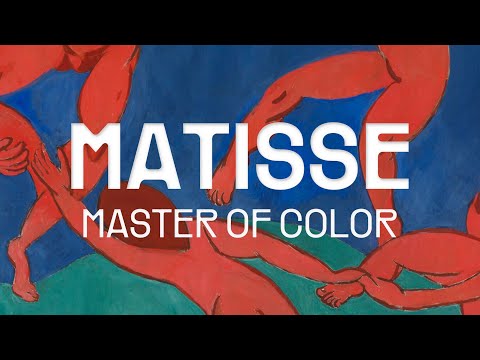
- He was substituting for their illusion of objectivity a conscious subjectivity, a 20th century art that would draw its validity essentially from the painter's own visual and emotional responses.
He was substituting for their illusion of objectivity a conscious subjectivity, a 20th century art that would draw its validity essentially from the painter's own visual and emotional responses.
- He was substituting for their illusion of objectivity a conscious subjectivity, a 20th-century art that would draw its validity essentially from the painter's own visual and emotional responses.
He was substituting for their illusion of objectivity a conscious subjectivity, a 20th-century art that would draw its validity essentially from the painter's own visual and emotional responses.
Facts vs Fiction: What is Better for Learning?

- Put them on a spectrum and you'll find high retention versus low retention, easy reading versus hard studying and a subjective perspective versus objectivity.
Put them on a spectrum and you'll find high retention versus low retention, easy reading versus hard studying and a subjective perspective versus objectivity.
- a subjective perspective versus objectivity.
a subjective perspective versus objectivity.
Do You Have the Right to Be Forgotten? | Idea Channel | PBS Digital Studios

- Let's see what you guys had to say about objectivity, journalism, and cereal.
Let's see what you guys had to say about objectivity, journalism, and cereal.
- And GoogleplexByte also sort of hits on this same thing by saying that journalism can't be objective because objectivity doesn't sell.
And GoogleplexByte also sort of hits on this same thing by saying that journalism can't be objective because objectivity doesn't sell.
The Daily Show - Exclusive - Barack Obama Extended Interview

- And if those of us who believe that government has some role in the interests of fairness or objectivity or what have you don't acknowledge and focus on the enormous successes but also the fact that, yes, there's a human enterprise.
And if those of us who believe that government has some role in the interests of fairness or objectivity or what have you don't acknowledge and focus on the enormous successes but also the fact that, yes, there's a human enterprise.
- INTEREST OF FAIRNESS OR OBJECTIVITY OR WHAT HAVE YOU,
INTEREST OF FAIRNESS OR OBJECTIVITY OR WHAT HAVE YOU,
President Obama Speaks at the White House Correspondents’ Association Dinner
- and when notions of objectivity and of a free press and of facts and of evidence are trying to be undermined or, in some cases, ignored entirely.
and when notions of objectivity and of a free press and of facts and of evidence are trying to be undermined or, in some cases, ignored entirely.
- Taking a stand on behalf of what is true does not require you shedding your objectivity.
Taking a stand on behalf of what is true does not require you shedding your objectivity.
The Difference between Modern art, Postmodern art and Contemporary Art | LittleArtTalks
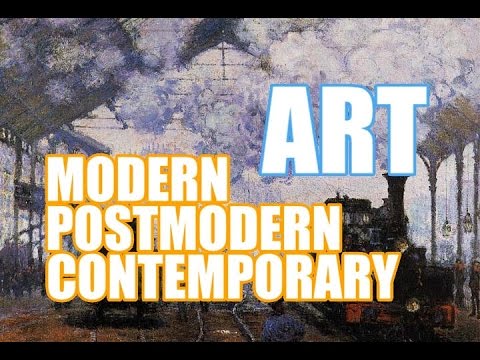
- This trend was evident in many artists working in the 1920s, including Duran, Messenger, Artists of the New Objectivity, and
This trend was evident in many artists working in the 1920s, including Duran, Messenger, Artists of the New Objectivity, and
- Metzinger, artists of the New Objectivity and the Novecento Italiano movement.
Metzinger, artists of the New Objectivity and the Novecento Italiano movement.
Top 15 Worst Performances in the MCU

- Chan may possess the objectivity an internal requires to not interfere in human conflicts, but
Chan may possess the objectivity an internal requires to not interfere in human conflicts, but
- Chan may possess the objectivity and internal requires to not interfere in human conflicts,
Chan may possess the objectivity and internal requires to not interfere in human conflicts,