monolingual
US /ˌmɑnəˈlɪŋɡwəl/
・UK /ˌmɒnəˈlɪŋgwəl/
A1
adj.AdjectivePerson who knows only one language
Video subtitles
Is Bilingualism a Superpower? | Otherwords

- Recent studies have found that bilingual children, those that speak two languages fluently, are more adept at switching back and forth between such images than monolingual children.
Recent studies have found that bilingual children, those that speak two languages fluently, are more adept at switching back and forth between such images than monolingual children.
- between such images than monolingual children.
between such images than monolingual children.
How to Stop Translating in Your Head and Start Thinking in English Like a Native

- So just use that thing as a coaster or whatever and use a monolingual dictionary instead.
So just use that thing as a coaster or whatever and use a monolingual dictionary instead.
- Monolingual means one language, so English to English.
Monolingual means one language, so English to English.
How Do Babies Become Bilingual?

- Now, you might have heard that bilingual kids develop more slowly than their monolingual counterparts, or are more likely to have speech delays.
Now, you might have heard that bilingual kids develop more slowly than their monolingual counterparts, or are more likely to have speech delays.
- Now, you might have heard that bilingual kids develop more slowly than their monolingual counterparts, or are more likely to have speech delays.
Now, you might have heard that bilingual kids develop more slowly than their monolingual counterparts, or are more likely to have speech delays.
Learning a Foreign Language | STUFF YOU SHOULD KNOW
- People who learn additional languages exhibit more than others who are monolingual.
People who learn additional languages exhibit more than others who are monolingual.
- Supposedly, bilingual Alzheimer's patients had onset five years later on average than monolingual Alzheimer's patients.
Supposedly, bilingual Alzheimer's patients had onset five years later on average than monolingual Alzheimer's patients.
Don't insist in English-Patricia Ryan
- way: if I met a monolingual Dutch speaker who had the cure for cancer, would I stop
way: if I met a monolingual Dutch speaker who had the cure for cancer, would I stop
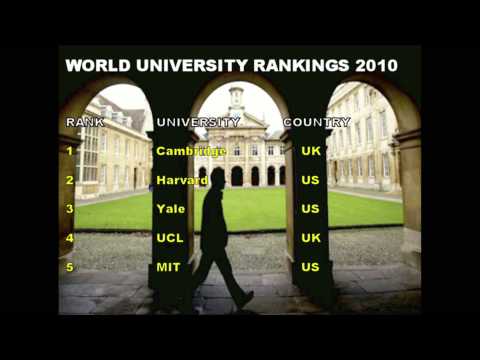
- Now, let me put it this way: if I met a monolingual Dutch speaker who had the cure for cancer, would I stop him from entering my British university?
Now, let me put it this way: if I met a monolingual Dutch speaker who had the cure for cancer, would I stop him from entering my British university?
9 Reasons To Learn Another Language.║Lindsay Does Languages Video
- monolingual it makes you sound like a monkey...or is that just because I know the Spanish word
monolingual it makes you sound like a monkey...or is that just because I know the Spanish word
- Reason number lapan: if I describe you as monolingual, it makes you sound like a monkey.
Reason number lapan: if I describe you as monolingual, it makes you sound like a monkey.
Exam Skills: 5 tips for dealing with new and difficult vocabulary

- Think about which one to use – a bilingual one or a monolingual one.
Think about which one to use – a bilingual one or a monolingual one.
- Think about which one to use: a bilingual one or a monolingual one.
Think about which one to use: a bilingual one or a monolingual one.
There's no cure for Alzheimer's. But could speaking 2 languages help?

- The researchers compared different groups of monolingual and bilingual older adults focusing on the size of one brain structure.
The researchers compared different groups of monolingual and bilingual older adults focusing on the size of one brain structure.
- The researchers compared different groups of monolingual and bilingual older adults, focusing on the size of one brain structure.
The researchers compared different groups of monolingual and bilingual older adults, focusing on the size of one brain structure.
Fantastic Features We Don't Have In The English Language

- Most monolingual speakers think that other languages are basically just their language
Most monolingual speakers think that other languages are basically just their language
- Most monolingual speakers think that other languages are basically just their language, with different words in a slightly different order and maybe a different way of writing.
Most monolingual speakers think that other languages are basically just their language, with different words in a slightly different order and maybe a different way of writing.
What Does Your Accent Say About You?
- In fact, those who have grown up in bilingual households are consistently more sensitive to subtle language differences compared to their monolingual counterparts.
In fact, those who have grown up in bilingual households are consistently more sensitive to subtle language differences compared to their monolingual counterparts.
- language differences compared to their monolingual counterparts. Brain scans have shown that
language differences compared to their monolingual counterparts. Brain scans have shown that