
after all
US /ˈæftɚ ɔl/
UK /ˈɑ:ftə ɔ:l/
- Adverb
- In spite of what was expected; used to introduce a statement that supports a previous statement or explains why it was made
- Considering everything; used to indicate that something is happening or is true despite some difficulty or obstacle
- Phrase
- Despite what was expected or thought; in spite of everything.
- Taking everything into consideration; considering that.
B1Morealong with
US /əˈlɔŋ wɪð/
UK /əˈlɔŋ wið/
- Preposition
- In addition to; together with.
- Adverb
- In company or together with someone or something.
- Including; in addition to.
A2Moreas well as
US /æz wɛl æz/
UK /æz wel æz/
- Adverb
- Also; in addition to
- Preposition
- In addition to; and also.
A1Moreat school
US
UK
- Phrase
- Present and attending school.
A1Moreat the same time
US
UK
- Phrase
- Simultaneously; at the identical moment.
- Nevertheless; however; used to introduce a contrasting or qualifying statement.
A1Morebarrier
US /ˈbæriɚ/
UK /'bærɪə(r)/
- Noun
- Difficult situation preventing something happening
- Structure or object that stops free movement
B1TOEICMoreeducation
US /ˌɛdʒəˈkeʃən/
UK /ˌedʒuˈkeɪʃn/
- Uncountable Noun
- Academic field studying the practice of teaching
- Process of giving or receiving teaching
A2TOEICMoreend up with
US
UK
- Phrasal Verb
- To have something as a result.
A1Morefor example
US
UK
- Phrase
- As an illustration or instance.
for the world
US /fɚ ðə wɝld/
UK /fə ðə wɜ:ld/
- other
- Used to emphasize something would never happen.
B2Moreglobal
US /ˈgloʊbl/
UK /ˈgləʊbl/
- Adjective
- Concerning, involving, affecting all of something
- Of, affecting, or involving the entire world
A2TOEICMorehave to
US /hæv tu/
UK /ˈhæv tə/
- Auxiliary Verb
- Must do
A1Morein fact
US /ɪn fækt/
UK /in fækt/
- Adverb
- Used to emphasize the truth of a statement, especially one that contrasts with or contradicts something else.
- Used to introduce a more detailed or surprising piece of information.
- Phrase
- Used to emphasize the truth of a statement, especially one that is surprising or contrary to what might be expected.
C1Morein point
US /ɪn pɔɪnt/
UK /in pɔint/
- Adjective
- Relevant; pertinent
A2Morenot necessary
US
UK
- Adjective
- Not required; not needed.
- Phrase
- Optional; not compulsory.
- Avoidable; not inevitable.
B1Moreof course
US /ʌv kɔː(r)s/
UK /ɔv kɔː(r)s/
- Adverb
- Sure ; Certainly
- Phrase
- For sure; certainly
A2Moreon earth
US /ɑn ɚθ/
UK /ɔn ə:θ/
- Phrase
- Used to emphasize a question expressing surprise or anger.
- Used to emphasize that something is not possible or will not happen.
A1Moreone being
US
UK
- Noun
- An individual existence; a person or creature.
- A single entity or individual, especially in a philosophical or spiritual context.
A1Moreout there
US /aʊt ðɛr/
UK /aut ðɛə/
- Adverb
- In or to a place that is far away
- Existing in the universe
- Adjective
- Unconventional; strange; avant-garde
- Existing or available.
A1Morereject
US /rɪˈdʒɛkt/
UK /rɪˈdʒekt/
- Noun (Countable/Uncountable)
- Goods that are not suitable for sale at full price
- Person others do not like, or refuse to accept
- Transitive Verb
- To decide that something is not good enough
- To refuse, deny to believe, accept, or consider
A2TOEICMoresame time
US
UK
- Phrase
- Occurring simultaneously or at the same point in time.
- At the identical time as before; recurring at a fixed hour.
- Noun
- An equal duration or period.
A1Morethe best jobs
US
UK
- Phrase
- The most desirable or advantageous occupations, typically characterized by high pay, good benefits, and positive work-life balance.
A1Morethink about
US /θɪŋk əˈbaʊt/
UK /θiŋk əˈbaut/
- Phrasal Verb
- To consider something carefully.
- To remember or call to mind.
A1Moretranslate
US /trænsˈlet/
UK /trænsˈleɪt/
- Transitive Verb
- To change something into a different state
- To be equivalent to; equate to
A2More
Vocabulary
- have to: Must do
- of course: Sure ; Certainly
- as well as: Also; in addition to
- not necessary: Not required; not needed.
- at the same time: Simultaneously; at the identical moment.
- same time: Occurring simultaneously or at the same point in time.
- along with: In addition to; together with.
- on earth: Used to emphasize a question expressing surprise or anger.
- after all: In spite of what was expected; used to introduce a statement that supports a previous statement or explains why it was made
- for example: As an illustration or instance.
- think about: To consider something carefully.
- out there: In or to a place that is far away
- end up with: To have something as a result.
- one being: An individual existence; a person or creature.
- in point: Relevant; pertinent
- in fact: Used to emphasize the truth of a statement, especially one that contrasts with or contradicts something else.
- at school: Present and attending school.
- for the world: Used to emphasize something would never happen.
- the best jobs: The most desirable or advantageous occupations, typically characterized by high pay, good benefits, and positive work-life balance.
- barrier: Difficult situation preventing something happening
- language: Words or signs used to communicate messages
- English: Language of the UK, USA, Nigeria and elsewhere
- long: Person's name
- today: This day; day that is happening now
- british: Concerning the culture and people of British
- education: Academic field studying the practice of teaching
- pass: Act of giving a ball to another player in a sport
- knowledge: Information, understanding, or skill
- reject: Goods that are not suitable for sale at full price
- stop: To block or close something
- global: Concerning, involving, affecting all of something
- test: To be given a medical examination
- speaker: Electronic device for making or broadcasting sound
- translate: To change something into a different state
Get the full experience in the app
Learn anywhere with detailed sentence and usage analysis
01:03
She took a brave step forward, leaving behind her comfort zone to chase her dreams.
Vocabulary
- brave
adj. Having courage
- comfort zone
phr. A familiar situation where one feels safe
Explanation
a brave step is a noun phrase, where brave is an adjective modifying the noun step, meaning "a courageous step".
forward is an adverb modifying step, meaning "ahead".
The whole phrase serves as the object, answering the "what" of took (verb) — she took a brave step forward.
Get the full experience in the app
Look up words anytime with pronunciation, part of speech, and usage
brave
US/brev/
UK/breɪv/
adj.Brave
v.t.To bravely face
A2 Elementary
Get the full experience in the app
Practice speaking anytime and get instant pronunciation feedback
Try this speaking exercise.
Try practicing with this sentence.
80
Don't insist in English-Patricia Ryan
0
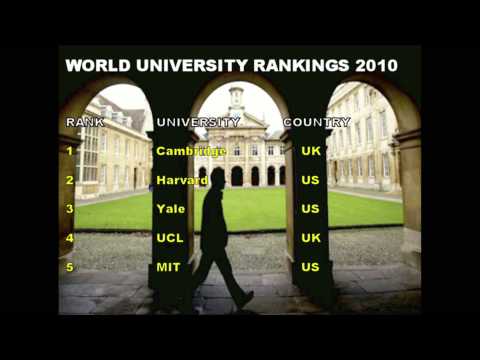
黃子忻 posted on 2016/06/28Ever wonder what happens to languages as English becomes more dominant globally? This talk dives into the fascinating topic of language loss and its cultural impact, offering a unique perspective from Patricia Ryan. You'll pick up some advanced vocabulary while exploring this important issue!
Learn this video on the APP!
The VoiceTube App has more in-depth practice for videos!