maladaptive
US /ˌmælə'dæptɪv/
・UK /ˌmælə'dæptɪv/
B2
adj.AdjectiveNot adapting well or inappropriately
I am afraid, this device is maladaptive
Video subtitles
Guy Winch: "Emotional First Aid" | Talks At Google

- And there is maladaptive self-reflection.
And there is maladaptive self-reflection.
- When it's maladaptive, what it does is it just increases our emotional distress.
When it's maladaptive, what it does is it just increases our emotional distress.
The Scientific Method For Unstoppable Confidence: Professor Steve Peters

- Now, we assume that this is long-standing, and what you've done is you⏤what you described is a lot of maladaptive coping strategies.
Now, we assume that this is long-standing, and what you've done is you⏤what you described is a lot of maladaptive coping strategies.
- And what you've done is you, what you describe is a lot of maladaptive coping strategies.
And what you've done is you, what you describe is a lot of maladaptive coping strategies.
Steven Pinker: Linguistics as a Window to Understanding the Brain

- And in fact, until the invention of the Heimlich maneuver, several thousand people every year died of choking because of this maladaptive arrangement of the human vocal tract.
And in fact, until the invention of the Heimlich maneuver, several thousand people every year died of choking because of this maladaptive arrangement of the human vocal tract.
- died of choking because of this maladaptive of the human vocal tract.
died of choking because of this maladaptive of the human vocal tract.
What Long Term Trauma Does To You
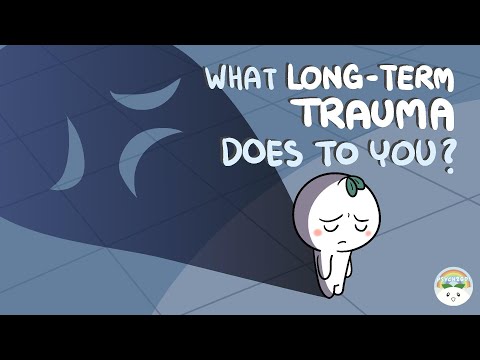
- Psychologist Jeffrey Young calls these maladaptive schemas, unhealthy thought patterns that can keep you stuck.
Psychologist Jeffrey Young calls these maladaptive schemas, unhealthy thought patterns that can keep you stuck.
- Psychologist Jeffrey Young calls these maladaptive schemas, unhealthy thought patterns that can keep you stuck.
Psychologist Jeffrey Young calls these maladaptive schemas, unhealthy thought patterns that can keep you stuck.
6 Reasons Why People Self Harm
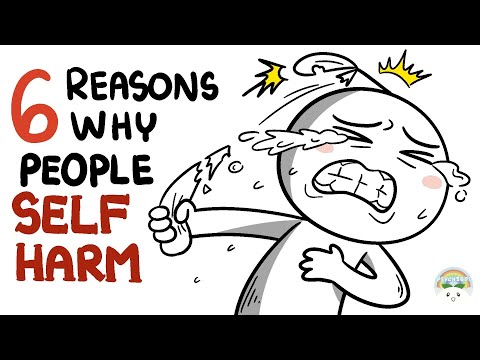
- However, this is a maladaptive coping strategy, which only serves to continue the disorder rather than healing it.
However, this is a maladaptive coping strategy, which only serves to continue the disorder rather than healing it.
- However, this is a maladaptive coping strategy, which only serves to continue the disorder rather than healing it.
However, this is a maladaptive coping strategy, which only serves to continue the disorder rather than healing it.
We finally know why it's so good for you
- A handful of studies like these began to show that boredom and mind wandering can be associated with maladaptive or sadistic behavior.
A handful of studies like these began to show that boredom and mind wandering can be associated with maladaptive or sadistic behavior.
- A handful of studies like these began to show that boredom and mind wandering can be associated with maladaptive or sadistic behavior.
A handful of studies like these began to show that boredom and mind wandering can be associated with maladaptive or sadistic behavior.
The DANGER of being TOO NICE (Fawning Compilation)

- To be more specific, it was therapist Pete Walker who first studied and wrote about this phenomenon in his book, "Complex PTSD: From Surviving to Thriving." Walker, who specializes in cases of CPTSD, defines fawning as a maladaptive way of creating safety in our interpersonal relationships by essentially mirroring the imagined expectations, needs, and
To be more specific, it was therapist Pete Walker who first studied and wrote about this phenomenon in his book, "Complex PTSD: From Surviving to Thriving." Walker, who specializes in cases of CPTSD, defines fawning as a maladaptive way of creating safety in our interpersonal relationships by essentially mirroring the imagined expectations, needs, and
- Walker, who specializes in cases of CPTSD, defines fawning as a maladaptive way of creating safety in our interpersonal relationships by essentially mirroring the imagined expectations, needs, and
Walker, who specializes in cases of CPTSD, defines fawning as a maladaptive way of creating safety in our interpersonal relationships by essentially mirroring the imagined expectations, needs, and
Your Brain at Work
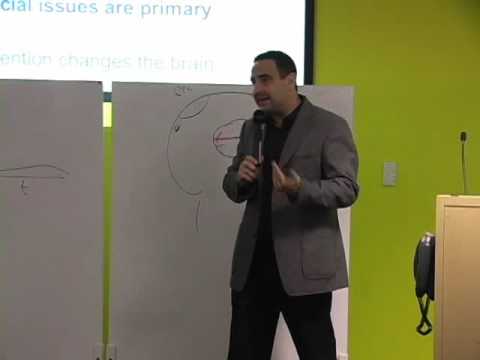
- how should we say, it's maladaptive in the workplace.
how should we say, it's maladaptive in the workplace.
- It's maladaptive in the workplace.
It's maladaptive in the workplace.
What is Maladaptive Daydreaming?

- What is maladaptive daydreaming?
What is maladaptive daydreaming?
- Here's what you need to know about maladaptive daydreaming.
Here's what you need to know about maladaptive daydreaming.
People Who Think Too Much | Psychology Explain
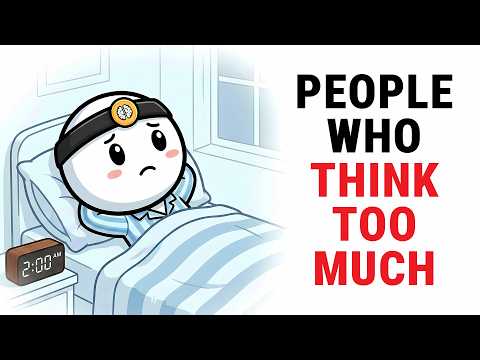
- In psychology, this isn't simply called "overthinking." There's a more precise clinical term for it: maladaptive rumination.
In psychology, this isn't simply called "overthinking." There's a more precise clinical term for it: maladaptive rumination.