inhibitory
US /ɪn'hɪbɪtərɪ/
・UK /ɪn'hɪbɪtərɪ/
B1
adj.AdjectiveRestrictive of action
The chemical has an inhibitory effect on cells
Video subtitles
精神科医だけど「メンタルヘルス」について質問ある? | Tech Support | WIRED Japan

- but then the inhibitory pathway goes back to the orbitofrontal cortex and actually shuts it down.
but then the inhibitory pathway goes back to the orbitofrontal cortex and actually shuts it down.
- but then the inhibitory pathway goes back to the orbitofrontal cortex and actually shuts it down.
but then the inhibitory pathway goes back to the orbitofrontal cortex and actually shuts it down.
「質の良い睡眠」って何?5段階のレベルで説明 | 5 Levels | WIRED Japan

- But there's certainly kind of made up of two reciprocally inhibitory processes.
But there's certainly kind of made up of two reciprocally inhibitory processes.
- And so the primary nucleus region is the ventrolateral preoptic nucleus, also called VLPO, and that has particular neuron outputs that release GABA and ganolin, which work in an inhibitory way on kind of the wake-promoting ones.
And so the primary nucleus region is the ventrolateral preoptic nucleus, also called VLPO, and that has particular neuron outputs that release GABA and ganolin, which work in an inhibitory way on kind of the wake-promoting ones.
Why Does My Brain Sleep?
- And with a night of sleep, this part of the frontal cortex was strongly connected to the amygdala, believed to send inhibitory regulatory control.
And with a night of sleep, this part of the frontal cortex was strongly connected to the amygdala, believed to send inhibitory regulatory control.
- And with a night of sleep, this part of the frontal cortex was strongly connected to the amygdala, believed to send inhibitory regulatory control.
And with a night of sleep, this part of the frontal cortex was strongly connected to the amygdala, believed to send inhibitory regulatory control.
Stanford Nanofabrication Facility: Dry Etching - Choosing a Dry Etching Process & Tool (Part 4 of 4)
- Inhibitory deposition, we use the fluorocarbons, CHF3, hydrogen, and sometimes both nitrogen or oxygen can help with inhibitory deposition.
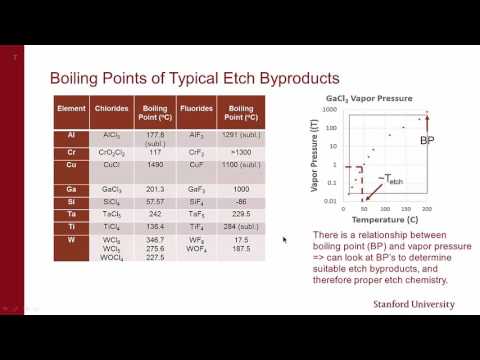
Inhibitory deposition, we use the fluorocarbons, CHF3, hydrogen, and sometimes both nitrogen or oxygen can help with inhibitory deposition.
- Inhibitory deposition we use, uh, the fluorocarbons, CHF3, hydrogen, and
Inhibitory deposition we use, uh, the fluorocarbons, CHF3, hydrogen, and
The Chemistry of Addiction
- and there's inhibitory neurotransmitters, which keep their target cells calm and mellow.
and there's inhibitory neurotransmitters, which keep their target cells calm and mellow.
- Serotonin is an inhibitory neurotransmitter that you've probably heard of.
Serotonin is an inhibitory neurotransmitter that you've probably heard of.
Learning a Foreign Language | STUFF YOU SHOULD KNOW

- Should we talk about inhibitory neurons?
Should we talk about inhibitory neurons?
- So I would think that those inhibitory neurons, if they're still around when you're an adult, then learning a new language is new and novel, so they would fire up, right?
So I would think that those inhibitory neurons, if they're still around when you're an adult, then learning a new language is new and novel, so they would fire up, right?
Your Brain on Drugs: Alcohol
- Excitatory neurons use glutamate, while inhibitory neurons use GABA—the yin and yang, if you will.
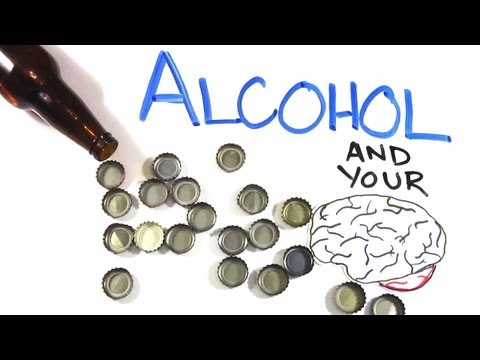
Excitatory neurons use glutamate, while inhibitory neurons use GABA—the yin and yang, if you will.
- Excitatory neurons use glutamate, while inhibitory neurons use GABA.
Excitatory neurons use glutamate, while inhibitory neurons use GABA.
The neuroscience of arousal | Emily Nagoski

- And Eric Janssen and John Bancroft at the Kinsey Institute had the wacky idea that sex works in the brain just like all the other things in our brain, which is that it is a pairing of excitatory impulses and inhibitory impulses.
And Eric Janssen and John Bancroft at the Kinsey Institute had the wacky idea that sex works in the brain just like all the other things in our brain, which is that it is a pairing of excitatory impulses and inhibitory impulses.
- And Eric Johnson and John Bancroft at the Kinsey Institute had the wacky idea that sex works in the brain just like all the other things in our brain, which is that it's a pairing of excitatory impulses and inhibitory impulses.
And Eric Johnson and John Bancroft at the Kinsey Institute had the wacky idea that sex works in the brain just like all the other things in our brain, which is that it's a pairing of excitatory impulses and inhibitory impulses.
Coffee or tea, which is better for you?
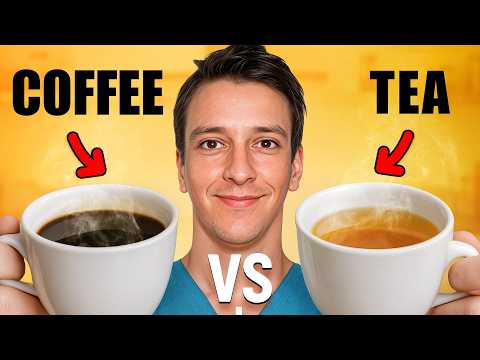
- and if you have iron issues, if your iron levels are a little low, be aware that coffee and tea can inhibit the absorption of a type of iron called non-heme iron, with tea having a stronger effect, a stronger inhibitory effect.
and if you have iron issues, if your iron levels are a little low, be aware that coffee and tea can inhibit the absorption of a type of iron called non-heme iron, with tea having a stronger effect, a stronger inhibitory effect.
- with tea having a stronger effect, a stronger inhibitory effect.
with tea having a stronger effect, a stronger inhibitory effect.
Joan Halifax – CRAZYWISE Expert Interview

- The deal is, is that we're creating a kind of inhibitory process for awakening that prevents awakening, so, you know.
The deal is, is that we're creating a kind of inhibitory process for awakening that prevents awakening, so, you know.
- The deal is, is that we're creating a kind of inhibitory process for awakening that prevents awakening.
The deal is, is that we're creating a kind of inhibitory process for awakening that prevents awakening.