incontinence
US /ɪnˈkɑ:n/
・UK /ɪnˈkɒntɪnəns/
C1
n. (u.)Uncountable NounInability to control urination or defecation
A nurse was hired to assist the elderly patient due to the patient's urinary incontinence
Video subtitles
What Happens When You Die?

- defecation and incontinence. Now, just because the body is medically DEAD, doesn't mean everything
defecation and incontinence. Now, just because the body is medically DEAD, doesn't mean everything
- This includes the body's sphincters, which is why death often causes defecation and incontinence.
This includes the body's sphincters, which is why death often causes defecation and incontinence.
Every Doctor Specialty Explained in 10 Minutes

- Female urology cares for the treatment of conditions like urinary incontinence, overactive bladder and pelvic organ prolapse.
Female urology cares for the treatment of conditions like urinary incontinence, overactive bladder and pelvic organ prolapse.
- Female urology cares for the treatment of conditions like urinary incontinence, overactive bladder, and pelvic organ prolapse.
Female urology cares for the treatment of conditions like urinary incontinence, overactive bladder, and pelvic organ prolapse.
They "Cured" You with a Spike to the Brain ?
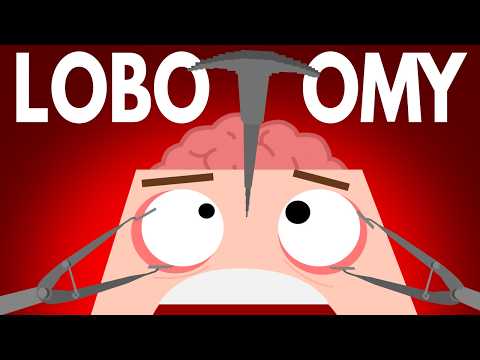
- These included bleeding, infection, dementia, intellectual impairment, apathy, epilepsy, incontinence, and death.
These included bleeding, infection, dementia, intellectual impairment, apathy, epilepsy, incontinence, and death.
- apathy, epilepsy, incontinence, and death.
apathy, epilepsy, incontinence, and death.
UK government advised against mass prostate cancer screening by expert committee | BBC News

- And the argument is that some people might, therefore, if they're diagnosed with prostate cancer, go through very aggressive treatments, diagnosis, biopsies, perhaps end up in a situation where some of those side effects, for example, things like incontinence, sexual dysfunction, could have more of an impact on their life, cause more harm than the cancer itself.
And the argument is that some people might, therefore, if they're diagnosed with prostate cancer, go through very aggressive treatments, diagnosis, biopsies, perhaps end up in a situation where some of those side effects, for example, things like incontinence, sexual dysfunction, could have more of an impact on their life, cause more harm than the cancer itself.
- And the argument is that some people might, therefore, if they're diagnosed with prostate cancer, go through, uh, very aggressive, uh, treatments, diagnosis, biopsies, uh, perhaps, uh, end up in a situation where some of those side effects, for example, things like incontinence, sexual dysfunction, could have more of an impact on their life, cause more harm than the cancer itself.
And the argument is that some people might, therefore, if they're diagnosed with prostate cancer, go through, uh, very aggressive, uh, treatments, diagnosis, biopsies, uh, perhaps, uh, end up in a situation where some of those side effects, for example, things like incontinence, sexual dysfunction, could have more of an impact on their life, cause more harm than the cancer itself.
186. Do You Need a Routine? | No Stupid Questions

- Kegel exercises were first described in 1948 by American gynecologist Arnold Kegel as a way to prevent incontinence.
Kegel exercises were first described in 1948 by American gynecologist Arnold Kegel as a way to prevent incontinence.
- Kegel exercises were first described in 1948 by American gynecologist Arnold Kegel as a way to prevent incontinence.
Kegel exercises were first described in 1948 by American gynecologist Arnold Kegel as a way to prevent incontinence.
36 Surgical Subspecialties | Which Is Right For You?

- Urology can also cover sexual function, fertility, urinary incontinence, and gender identity.
Urology can also cover sexual function, fertility, urinary incontinence, and gender identity.
What Happens If You Stop Pooping?
- Those masses can cause nausea and ulcers, and press on the bladder, causing urinary incontinence.
Those masses can cause nausea and ulcers, and press on the bladder, causing urinary incontinence.
Why On Earth Did We Think Urine Was Sterile?

- Scientists are starting to link what bacteria are swimming around our pee to things like bladder cancer and urinary incontinence.
Scientists are starting to link what bacteria are swimming around our pee to things like bladder cancer and urinary incontinence.