
abandon
US /əˈbændən/
UK /ə'bændən/
- Transitive Verb
- To discard or intentionally get rid of an item
- To withdraw your support, or leave someone
- Uncountable Noun
- Wild, carefree behavior
B1Moreabnormal
US /æbˈnɔ:rml/
UK /æbˈnɔ:ml/
- Adjective
- Not normal, not typical, not usual, not regular
- Relating to behavior that deviates from the norm.
B1Moreaccomplish
US /əˈkɑmplɪʃ/
UK /ə'kʌmplɪʃ/
- Transitive Verb
- To succeed in doing; complete successfully
B1TOEICMoreaggression
US /əˈɡrɛʃən/
UK /əˈgreʃn/
- Uncountable Noun
- Use of energy and determination to achieve a goal
- Hostile or violent behavior or attitudes toward another; readiness to attack or confront.
B1Moreanalysis
US /əˈnælɪsɪs/
UK /əˈnæləsɪs/
- Uncountable Noun
- Careful study to better understand something
B1TOEICMoreapathy
US /ˈæpəθi/
UK /ˈæpəθi/
- Uncountable Noun
- Feeling of indifference; not caring about anything
B2Moreapprehension
US /ˌæprɪˈhɛnʃən/
UK /ˌæprɪ'henʃn/
- Uncountable Noun
- Dread or fear of a bad outcome
B2Morearchaic
US /ɑrˈkeɪk/
UK /ɑ:ˈkeɪɪk/
- Adjective
- Old and no longer relevant or applicable
C1Moreat home
US /æt hom/
UK /æt həum/
- Phrase
- In one's own residence or country.
- Adjective
- Feeling comfortable and relaxed.
back then
US
UK
- Phrase
- At that time in the past.
A1Morebust
US /bʌst/
UK /bʌst/
- Transitive Verb
- To arrest people involved in crime
- To break something with force
- Noun
- A woman's chest or breasts
B2Morebust out
US /bʌst aʊt/
UK /bʌst aut/
- Phrasal Verb
- To escape from a place, especially prison.
- To suddenly begin doing something, such as laughing or singing.
A1Morecerebral
US /ˈsɛrəbrəl, səˈri-/
UK /ˈserəbrəl, səˈri:-/
- Adjective
- Having or concerning ideas rather than emotions
- Affecting or related to the brain
- Noun
- An intellectual person.
B2Morecognition
US /kɑ:gˈnɪʃn/
UK /kɒgˈnɪʃn/
- Uncountable Noun
- Recognition involved in thought processing
C1Morecomment
US /ˈkɑmɛnt/
UK /'kɒment/
- Noun (Countable/Uncountable)
- Something you say, giving an opinion; remark
- An explanatory note in a computer program.
- Verb (Transitive/Intransitive)
- To say something that gives your opinion
- To add explanatory notes to a computer program.
A2Morecommit
US /kəˈmɪt/
UK /kə'mɪt/
- Transitive Verb
- To do something bad, usually a crime
- To promise your permanent love or loyalty (to)
A2TOEICMorecontain
US /kənˈten/
UK /kənˈteɪn/
- Transitive Verb
- To keep something from spreading
- To hold something inside something else
A2Morecortex
US /ˈkɔrˌteks/
UK /'kɔ:teks/
- Noun (Countable/Uncountable)
- The outer part of an organ/structure, e.g. brain
- The outer layer of the cerebrum (the cerebral cortex), other organs, or a plant.
C1Morecue
US /kju/
UK /kju:/
- Noun
- Word or action in a play to tell an actor to speak
- Transitive Verb
- To give a signal telling someone when to act/speak
B2Morecurse
US /kɚs/
UK /kɜ:s/
- Verb (Transitive/Intransitive)
- To use offensive language when angry; swear
- Noun
- Act to cause trouble to others
- A word or phrase used to express anger or annoyance.
B1Moredementia
US /dɪˈmɛnʃə/
UK /dɪˈmenʃə/
- Uncountable Noun
- Illness characterized by loss of memory
B2Moredepress
US /dɪˈprɛs/
UK /dɪ'pres/
- Transitive Verb
- To make someone feel sad or miserable
- To push something down
B2Moredepression
US /dɪˈprɛʃən/
UK /dɪ'preʃn/
- Noun (Countable/Uncountable)
- Medical condition of a lack of vitality
- Period of unemployment and low economic activity
B2Moredepressive
US /dɪˈprɛsɪv/
UK /dɪˈpresɪv/
- Adjective
- Suffering a psychological lack of happiness
B2Moredesperate
US /ˈdɛspərɪt/
UK /ˈdespərət/
- Adjective
- Being beyond hope; prepared to do anything
- State of urgently wanting to go to the toilet
A2Moredrill
US /drɪl/
UK /drɪl/
- Noun (Countable/Uncountable)
- A machine that makes holes with a metal bit
- Exercise done to learn military skills
- Transitive Verb
- To make a deep hole to find oil, gas etc.
- To put a hole in something by using a boring tool
B1TOEICMoredue to
US /du tu/
UK /dju: tu:/
- Preposition
- Because of; owing to
- Adjective
- Attributable to; caused by.
A1Moreepilepsy
US /'epɪlepsɪ/
UK /'epɪlepsɪ/
- Noun
- Medical condition involving fits or seizures
C1Morefrontal
US /ˈfrʌntl:/
UK /ˈfrʌntl/
- Adjective
- Belonging to the forward part
- Relating to the front part of something, especially the front of the head or brain.
- Noun
- The bone that forms the front part of the skull above the eyes.
B1Morefunction
US /ˈfʌŋkʃən/
UK /'fʌŋkʃn/
- Noun
- Social event, or party such as a wedding
- Mathematical operation used in calculations
- Intransitive Verb
- To serve a certain purpose or role
- To be operating, working or achieving its purpose
A2TOEICMoregruesome
US /ˈɡrusəm/
UK /ˈgru:səm/
- Adjective
- Showing horrible scenes, e.g. showing blood
C2Morehomosexuality
US /ˌhɒməˌsekʃʊ'ælətɪ/
UK /ˌhɒməˌsekʃʊ'ælətɪ/
- Uncountable Noun
- Sexual attraction to persons of the same sex
B1Morehorror
US /ˈhɔrɚ, ˈhɑr-/
UK /ˈhɒrə(r)/
- Noun (Countable/Uncountable)
- Feeling of great shock or fear; thing causing it
B1Moreillness
US /ˈɪlnɪs/
UK /ˈɪlnəs/
- Uncountable Noun
- Unhealthy condition of the mind or body
- A particular instance or type of disease.
A2Moreimpairment
US /ɪmˈpermənt/
UK /ɪmˈpeəmənt/
- Uncountable Noun
- Damage leading to lower strength or quality
- A loss of function or ability.
B2Moreinfection
US /ɪnˈfɛkʃən/
UK /ɪnˈfekʃn/
- Noun
- (Computers) Having a computer virus
- Making or becoming sick with a bacteria/virus
A2Moreinsert
US /ɪnˈsɜ:rt/
UK /ɪnˈsɜ:t/
- Transitive Verb
- To put something into a certain place or spot
- To add (writing) to something.
- Noun
- Act of putting into a certain place or spot
- A leaflet or section inserted in a magazine or newspaper.
B1TOEICMoreinsomnia
US /ɪnˈsɑ:mniə/
UK /ɪnˈsɒmniə/
- Uncountable Noun
- Inability to sleep for many nights
- A specific instance or occurrence of sleeplessness.
C1Moreintellectual
US /ˌɪntlˈɛktʃuəl/
UK /ˌɪntəˈlektʃuəl/
- Noun (Countable/Uncountable)
- connected with or using a person’s ability to think in a logical way and understand things
- a person who is well educated and enjoys activities in which they have to think seriously about things
- Adjective
- Relating to the intellect or mental understanding.
- Appealing to or requiring the use of the intellect.
B1Moreinvasive
US /ɪnˈvesɪv/
UK /ɪnˈveɪsɪv/
- Adjective
- Entering the body, etc. in a destructive way
- Tending to spread aggressively; intrusive.
C1Morelobe
US /loʊb/
UK /ləʊb/
- Noun (Countable/Uncountable)
- Round part in body, e.g. some parts of brain
- part of an organ(e.g. the brain, lungs, or liver) that seems to be separate in some way from the rest
B2Moremental
US /ˈmɛntl/
UK /ˈmentl/
- Adjective
- Concerning the mind
A2TOEICMoremess
US /mɛs/
UK /mes/
- Noun (Countable/Uncountable)
- Something that is untidy, dirty or unclean
- A difficult or confused situation.
- Transitive Verb
- To make something untidy or dirty
A2Moremodify
US /ˈmɑ:dɪfaɪ/
UK /ˈmɒdɪfaɪ/
- Transitive Verb
- To make minor change to something
B1Moreneural
US /ˈnʊrəl, ˈnjʊr-/
UK /ˈnjuərəl/
- Adjective
- About the nerves or nervous system
B2Moreof course
US /ʌv kɔː(r)s/
UK /ɔv kɔː(r)s/
- Adverb
- Sure ; Certainly
- Phrase
- For sure; certainly
A2Moreon earth
US /ɑn ɚθ/
UK /ɔn ə:θ/
- Phrase
- Used to emphasize a question expressing surprise or anger.
- Used to emphasize that something is not possible or will not happen.
A1Moreoveruse
US /ˌovɚˈjuz/
UK /ˌəʊvə'ju:z/
- Uncountable Noun
- Use of an object too often or too extensively
- Transitive Verb
- To use something too often or too extensively
B2Morepatient
US /ˈpeʃənt/
UK /'peɪʃnt/
- Adjective
- Not getting annoyed when things take a long time
- Bearing or enduring pain or trials without complaint; exhibiting forbearance.
- Countable Noun
- Person who receives medical treatment or care
A2Morepick through
US /pɪk θru/
UK /pɪk θru:/
- other
- Search carefully among a group or collection.
B2Moreprocedure
US /prəˈsidʒɚ/
UK /prəˈsi:dʒə(r)/
- Noun
- A medical operation
- Usual or standard steps taken to do something
B1TOEICMorepsychopathy
US /saɪ'kɒpəθɪ/
UK /saɪ'kɒpəθɪ/
- Noun (Countable/Uncountable)
- State of having emotional or behavioral problems
- A mental disorder in which an individual manifests amoral and antisocial behavior, lack of ability to love or establish meaningful personal relationships, extreme egocentricity, failure to learn from experience, etc.
C2Morereduce
US /rɪˈdus, -ˈdjus/
UK /rɪ'dju:s/
- Verb (Transitive/Intransitive)
- To try to decrease, e.g. your weight if overweight
- To boil a liquid until it has decreased in amount
A2TOEICMoreresponsible
US / rɪˈspɑnsəbəl/
UK /rɪ'spɒnsəbl/
- Adjective
- Being the cause of something that has occurred
- Having the duty of dealing with something
A2TOEICMoreresult
US /rɪˈzʌlt/
UK /rɪ'zʌlt/
- Noun
- Something produced through tests or experiments
- Final score of a competition, election or game
- Intransitive Verb
- To be the outcome of other causes and effects
- To happen or exist as a consequence of something.
A2Moresevere
US /səˈvɪr/
UK /sɪ'vɪə(r)/
- Adjective
- Very bad; harsh
- (Of clothes, etc.) plain; simple; not decorated
A2TOEICMoreskull
US /skʌl/
UK /skʌl/
- Noun
- Structure of bones forming the face and head
B2Moresocket
US /ˈsɑkɪt/
UK /'sɒkɪt/
- Noun
- Area into which (e.g. a bone) will fit
- Point in the wall to plug in an electrical device
B2Moresuffer
US / ˈsʌfɚ/
UK /'sʌfə(r)/
- Verb (Transitive/Intransitive)
- To experience pain, illness, or injury
- To allow or permit something, especially something unpleasant.
A2Moresurgery
US /ˈsɚdʒəri/
UK /'sɜ:dʒərɪ/
- Noun (Countable/Uncountable)
- Medical operation involving cutting into body
- A doctor's office; health clinic
B1Morevoluntary
US /ˈvɑ:lənteri/
UK /ˈvɒləntri/
- Adjective
- Done or given by their own will and not forced
C1More
Vocabulary
- bust out: To escape from a place, especially prison.
- pick through: Search carefully among a group or collection.
- of course: Sure ; Certainly
- on earth: Used to emphasize a question expressing surprise or anger.
- back then: At that time in the past.
- at home: In one's own residence or country.
- due to: Because of; owing to
- mental: Concerning the mind
- depression: Medical condition of a lack of vitality
- desperate: Being beyond hope; prepared to do anything
- insomnia: Inability to sleep for many nights
- severe: Very bad; harsh
- treat: To pay for the food or enjoyment of someone else
- cortex: The outer part of an organ/structure, e.g. brain
- accomplish: To succeed in doing; complete successfully
- develop: To explain something in steps and in detail
- mess: Something that is untidy, dirty or unclean
- intellectual: connected with or using a person’s ability to think in a logical way and understand things
- commit: To do something bad, usually a crime
- comment: Something you say, giving an opinion; remark
- dementia: Illness characterized by loss of memory
- function: Social event, or party such as a wedding
- brain: To strike someone forcefully on the head
- cue: Word or action in a play to tell an actor to speak
- suffer: To experience pain, illness, or injury
- neural: About the nerves or nervous system
- drill: A machine that makes holes with a metal bit
- behavior: The way a person or thing acts; manner
- perform: To carry out an action well or successfully
- result: Something produced through tests or experiments
- illness: Unhealthy condition of the mind or body
- responsible: Being the cause of something that has occurred
- curse: To use offensive language when angry; swear
- subject: The person, thing, or idea that is being discussed, described, or studied.
- contain: To keep something from spreading
- bust: To arrest people involved in crime
- surgery: Medical operation involving cutting into body
- break: To create a new record e.g. running the 100m dash
- click: To work well with someone or something
- abandon: To discard or intentionally get rid of an item
- infection: (Computers) Having a computer virus
- reduce: To try to decrease, e.g. your weight if overweight
- patient: Not getting annoyed when things take a long time
- leave: To go away from; depart
- skull: Structure of bones forming the face and head
- noggin: A human head
- aggression: Use of energy and determination to achieve a goal
- invasive: Entering the body, etc. in a destructive way
- analysis: Careful study to better understand something
- sound: Sensible, dependable and reliable
- procedure: A medical operation
- cerebral: Having or concerning ideas rather than emotions
- horror: Feeling of great shock or fear; thing causing it
- modify: To make minor change to something
- impairment: Damage leading to lower strength or quality
- cognition: Recognition involved in thought processing
- pick: Sharp tool used for breaking the ground
- legal: Concerning the law; allowed by law
- gruesome: Showing horrible scenes, e.g. showing blood
- include: To make someone, something part of a group
- abnormal: Not normal, not typical, not usual, not regular
- voluntary: Done or given by their own will and not forced
- think: To have an idea about something without certainty
- apathy: Feeling of indifference; not caring about anything
- epilepsy: Medical condition involving fits or seizures
- insert: To put something into a certain place or spot
- lobe: Round part in body, e.g. some parts of brain
- frontal: Belonging to the forward part
- archaic: Old and no longer relevant or applicable
- depress: To make someone feel sad or miserable
- psychopathy: State of having emotional or behavioral problems
- apprehension: Dread or fear of a bad outcome
- socket: Area into which (e.g. a bone) will fit
- homosexuality: Sexual attraction to persons of the same sex
- depressive: Suffering a psychological lack of happiness
- overuse: Use of an object too often or too extensively
Get the full experience in the app
Learn anywhere with detailed sentence and usage analysis
01:03
She took a brave step forward, leaving behind her comfort zone to chase her dreams.
Vocabulary
- brave
adj. Having courage
- comfort zone
phr. A familiar situation where one feels safe
Explanation
a brave step is a noun phrase, where brave is an adjective modifying the noun step, meaning "a courageous step".
forward is an adverb modifying step, meaning "ahead".
The whole phrase serves as the object, answering the "what" of took (verb) — she took a brave step forward.
Get the full experience in the app
Look up words anytime with pronunciation, part of speech, and usage
brave
US/brev/
UK/breɪv/
adj.Brave
v.t.To bravely face
A2 Elementary
Get the full experience in the app
Practice speaking anytime and get instant pronunciation feedback
Try this speaking exercise.
Try practicing with this sentence.
80
0
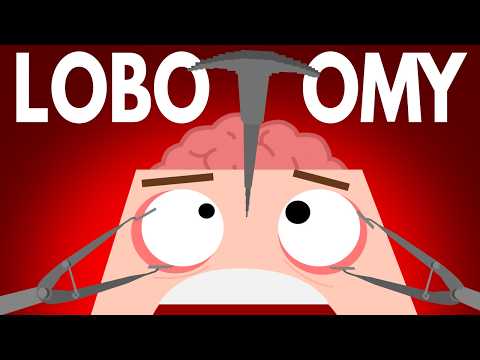
林宜悉 posted on 2026/01/21Ever heard of a 'lobotomy' and wondered what it was really like? This video dives into the shocking history of transorbital lobotomies, explaining the procedures and their ethical implications with fascinating details. You'll pick up advanced vocabulary related to medical history and psychiatry while learning about a truly wild chapter in medicine!
Learn this video on the APP!
The VoiceTube App has more in-depth practice for videos!