heel
US /hil/
・UK /hi:l/
B1
n.NounBack or end part of something
I jumped from the fence and when landed I felt pain in my left heel
interj.InterjectionInstruction of a dog to follow you closely
He called his dog to heel, when he saw the car started to move
n.NounRounded back part of the foot
The boy stepped on a rock without wearing shoes and hurt his heel
n.NounPart of a sock or shoe
I put the heel of my shoe on last
v.t.Transitive VerbTo provide/repair the back underneath part of shoe
He will heel your shoes later
Video subtitles
I Hate High Heels

- Whenever I try on shoes that have a heel of more than 3 inches, I become a hazard to everything around me, and I will most likely fall over and break something.
Whenever I try on shoes that have a heel of more than 3 inches, I become a hazard to everything around me, and I will most likely fall over and break something.
- Whenever I try on shoes that have a heel of more than 3 inches, I become a hazard to everything around me and I will most likely fall over and break something.
Whenever I try on shoes that have a heel of more than 3 inches, I become a hazard to everything around me and I will most likely fall over and break something.
6 Easy Yoga Poses for High Blood Pressure
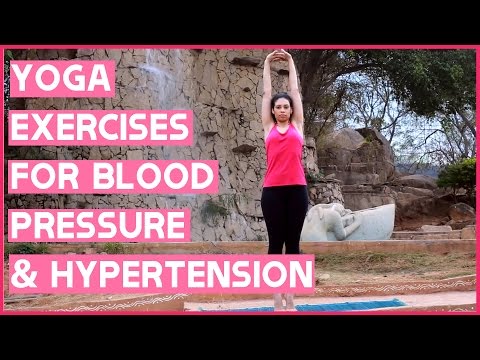
- right knee over the left one. Sit on the left heel pressing the bodies weight on it. Bend
right knee over the left one. Sit on the left heel pressing the bodies weight on it. Bend
- right knee over the left one. Sit on the left heel pressing the bodies weight on it. Bend
right knee over the left one. Sit on the left heel pressing the bodies weight on it. Bend
Former Secret Service agent shares tips on how to read people

- And complications. If I'm telling you a story, "You know this morning I got in the Uber, I was coming in, my heel broke as I was going down the stairs."
And complications. If I'm telling you a story, "You know this morning I got in the Uber, I was coming in, my heel broke as I was going down the stairs."
- My heel broke as I was going down the stairs.
My heel broke as I was going down the stairs.
A STRONGER SAFER HEELSIDE
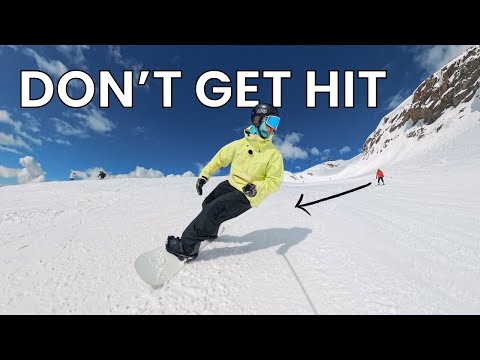
- A stronger but also safer heel-side position, that's what this video is all about, and what do I mean by that?
A stronger but also safer heel-side position, that's what this video is all about, and what do I mean by that?
- You learn to heel-edge side-slip like this, shoulders dead in line with the board, and this position is great for finding your balance and learning to skid the board, but it's a terrible position for actually getting the board to grip and pull you around through the turn.
You learn to heel-edge side-slip like this, shoulders dead in line with the board, and this position is great for finding your balance and learning to skid the board, but it's a terrible position for actually getting the board to grip and pull you around through the turn.
17 Minute Runners Flexibility Routine! (FOLLOW ALONG)
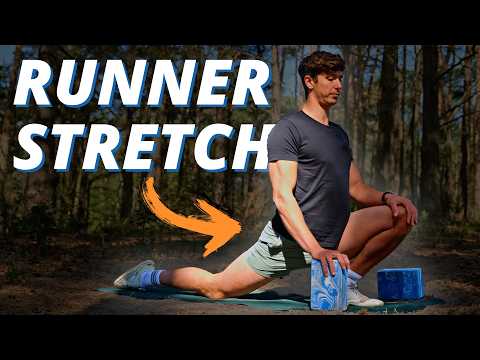
- So place that heel as tight as you can, lean into it, keep the front leg straight, and then basically as far as you can, hinging forward until we feel a nice stretch over the calf.
So place that heel as tight as you can, lean into it, keep the front leg straight, and then basically as far as you can, hinging forward until we feel a nice stretch over the calf.
- So place that heel as tight as you can.
So place that heel as tight as you can.
Microchip shortage is slowing down the global economy | DW News

- Europe has neglected the semiconductor industry, long seen as low margin and volatile, that's now become the continent's Achilles heel.
Europe has neglected the semiconductor industry, long seen as low margin and volatile, that's now become the continent's Achilles heel.
- That's now become the continent's Achilles heel.
That's now become the continent's Achilles heel.
The History of Gout | The Disease of Kings
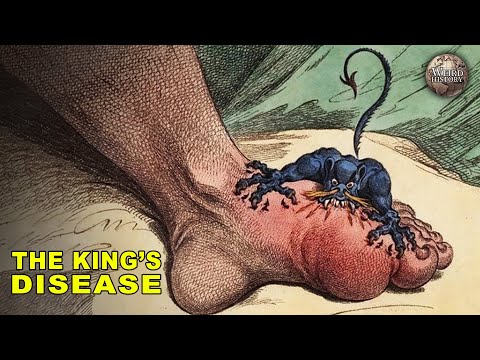
- sometimes the heel, the calf of the leg, or the ankle.
sometimes the heel, the calf of the leg, or the ankle.
- the great toe, but sometimes the heel, the calf of the leg,
the great toe, but sometimes the heel, the calf of the leg,
Improve your Carving Game - Snowboard Better
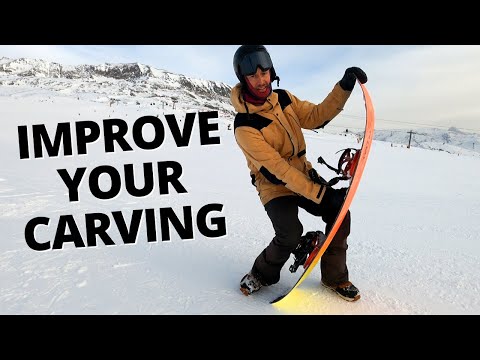
- Carving is where you put the board on its edge and have the side cut of the board pull you across the slope in a smooth turn. Now good carving is where you leave a pencil thin line in the snow. That's an indication that the board hasn't been skidding at all. So let's start off real simply at the pedestrian end of the spectrum like I said. I'm here on the side of the piece and what I'm going to do is pick up a little bit of speed, rock onto my heel edge and try and make a nice smooth arc all the way across to the other side of the slope. To do this, ingredient one is speed. A little bit of speed helps with carving.
Carving is where you put the board on its edge and have the side cut of the board pull you across the slope in a smooth turn. Now good carving is where you leave a pencil thin line in the snow. That's an indication that the board hasn't been skidding at all. So let's start off real simply at the pedestrian end of the spectrum like I said. I'm here on the side of the piece and what I'm going to do is pick up a little bit of speed, rock onto my heel edge and try and make a nice smooth arc all the way across to the other side of the slope. To do this, ingredient one is speed. A little bit of speed helps with carving.
- Ingredient number two is to have good heel edge posture. That means knees bent, hips back, head turning, looking where I'm going and if you're not entirely sure what good posture is, check this video out up here. I've explained good posture in great detail. So we've got speed, we've got good posture, the third thing we need to do is the lateral movement. By that I just mean we lean. We lean our body laterally into the slope to get the sidecut to engage and for it to pull us around the turn. Alright, let's jump in, let's give it a go.
Ingredient number two is to have good heel edge posture. That means knees bent, hips back, head turning, looking where I'm going and if you're not entirely sure what good posture is, check this video out up here. I've explained good posture in great detail. So we've got speed, we've got good posture, the third thing we need to do is the lateral movement. By that I just mean we lean. We lean our body laterally into the slope to get the sidecut to engage and for it to pull us around the turn. Alright, let's jump in, let's give it a go.
Snowboarding Tips - How to Ride the Flats - With a Real Beginner
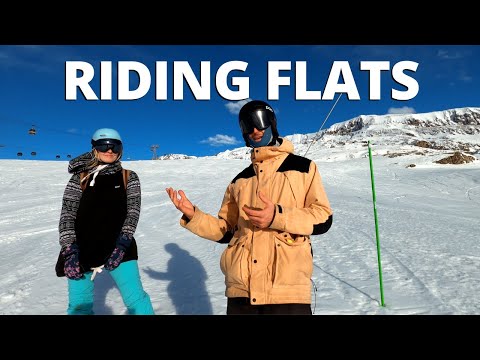
- So normally when we're snowboarding we make what's called is that after each turn, whether it's heel side or toe edge, we get the board 90 degrees across the slope to slow ourselves back down and get a bit more control.
So normally when we're snowboarding we make what's called is that after each turn, whether it's heel side or toe edge, we get the board 90 degrees across the slope to slow ourselves back down and get a bit more control.
- Every time you go from your toe edge to your heel edge, your heel edge back to your toe edge, even if it's only for a fraction of a second, at some point you're in this flat base position.
Every time you go from your toe edge to your heel edge, your heel edge back to your toe edge, even if it's only for a fraction of a second, at some point you're in this flat base position.
How Knee Steering can Work with Carving
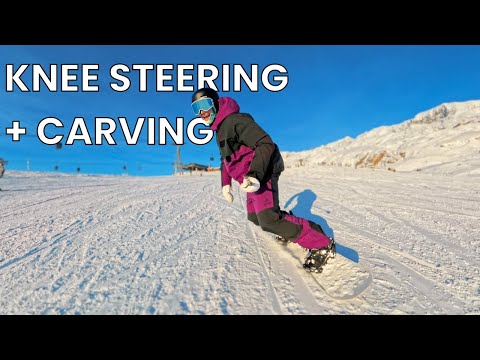
- If I'm going to come around, if I get a bit of space, you'll let these skiers go past, they're going past, no they're not, so coming through the heels I turn and I just pass my front knee and hip over the board followed by the back as I come from the heels, front knee and hips followed by the back and what that allows me to do if I maintain pressure through my back foot, through my back heel at the end of the turn I can keep the board steering up the slope, I can maintain grip but at the same time I'm simultaneously crossing my front knee and hip over the board to initiate the next edge change and then as soon as that shin starts pressing down into the boot I engage this top part of the board here, I'm starting to get grip on the toe side and I can just release that back knee and hip over the board and the board just slots into that toe side groove that I've created.
If I'm going to come around, if I get a bit of space, you'll let these skiers go past, they're going past, no they're not, so coming through the heels I turn and I just pass my front knee and hip over the board followed by the back as I come from the heels, front knee and hips followed by the back and what that allows me to do if I maintain pressure through my back foot, through my back heel at the end of the turn I can keep the board steering up the slope, I can maintain grip but at the same time I'm simultaneously crossing my front knee and hip over the board to initiate the next edge change and then as soon as that shin starts pressing down into the boot I engage this top part of the board here, I'm starting to get grip on the toe side and I can just release that back knee and hip over the board and the board just slots into that toe side groove that I've created.
- So that's the heel to the toe side turn and when I'm going from toes to heels again at the end of the turn just hold this back knee in place, keep your back hip stacked over the top of the board, that's going to keep giving you grip through the latter part of the turn whilst you can simultaneously pull that front knee, pull that front hip over the top of the board engage your edge and what this means is you get this edge change where you've never really got this kind of dead flat spot which even though you don't get it for very long it's better not to have that at all and you'll be able to see your track in the snow as soon as one turn has finished and the other one begins.
So that's the heel to the toe side turn and when I'm going from toes to heels again at the end of the turn just hold this back knee in place, keep your back hip stacked over the top of the board, that's going to keep giving you grip through the latter part of the turn whilst you can simultaneously pull that front knee, pull that front hip over the top of the board engage your edge and what this means is you get this edge change where you've never really got this kind of dead flat spot which even though you don't get it for very long it's better not to have that at all and you'll be able to see your track in the snow as soon as one turn has finished and the other one begins.