gerund
US /ˈdʒɛrənd/
・UK /ˈdʒerənd/
C2
ger.GerundNoun formed from a verb (such as the '-ing' form)
If you add a gerund to run you get running
Video subtitles
BOX SET: English In A Minute 10 – TEN English lessons in 10 minutes!
- you can either use a gerund or a noun. Now, imagine you're in the same important meeting
you can either use a gerund or a noun. Now, imagine you're in the same important meeting
- Because 'for' is a preposition, you can either use a gerund or a noun.
Because 'for' is a preposition, you can either use a gerund or a noun.
BOX SET: English In A Minute 7 – TEN English lessons in 10 minutes!
- After 'for', you can use a gerund or a noun, but if you want a simple statement to say 'I was wrong', you can use any of these.
After 'for', you can use a gerund or a noun, but if you want a simple statement to say 'I was wrong', you can use any of these.
- "I said sorry to my friend for forgetting her birthday." After "for," you can use a gerund or a noun.
"I said sorry to my friend for forgetting her birthday." After "for," you can use a gerund or a noun.
The Vocabulary Show: Travel ✈️✈️✈️ Learn 27 words and expressions about travel in 12 minutes!

- 'Sightseeing' is a gerund and it means 'the act of visiting places of interest'.
'Sightseeing' is a gerund and it means 'the act of visiting places of interest'.
How To Be Polite In English

- The past continuous tense is made up of the pronoun, the verb "to be" in the past tense⏤was or were⏤and the verb in the gerund form, which means an "-ing" ending.
The past continuous tense is made up of the pronoun, the verb "to be" in the past tense⏤was or were⏤and the verb in the gerund form, which means an "-ing" ending.
- the verb in the gerund form, which means an ing ending.
the verb in the gerund form, which means an ing ending.
‘Tip is unusual’ – Fix this sentence! #shorts

- If we want to talk about the act of tipping, we need to change "tip" into a gerund.
If we want to talk about the act of tipping, we need to change "tip" into a gerund.
- A gerund is the noun form of the verb.
A gerund is the noun form of the verb.
“Having” + Past Participle | Advanced English Grammar

- The finished, a little bit redundant, redundant meaning you're saying something that you don't need to say, it's already understood in the having, but there are situations where it can be very confusing what is happening, so I'm going to show you three sentences so that you can compare this particular structure with a simple participle and with a gerund, which is where people often get confused.
The finished, a little bit redundant, redundant meaning you're saying something that you don't need to say, it's already understood in the having, but there are situations where it can be very confusing what is happening, so I'm going to show you three sentences so that you can compare this particular structure with a simple participle and with a gerund, which is where people often get confused.
- So, I'm going to show you three sentences so that you can compare this particular structure with a simple participle and with a gerund, which is where people get often...
So, I'm going to show you three sentences so that you can compare this particular structure with a simple participle and with a gerund, which is where people get often...
Improve Your Grammar: 4 ways to use -ING words in English

- But it could be used as a noun, in which case it is called a gerund.
But it could be used as a noun, in which case it is called a gerund.
- But in case I refer to it again, a gerund is an "ing" word being used as a noun.
But in case I refer to it again, a gerund is an "ing" word being used as a noun.
How to Give Advice in English - recommend, suggest, advise, encourage...
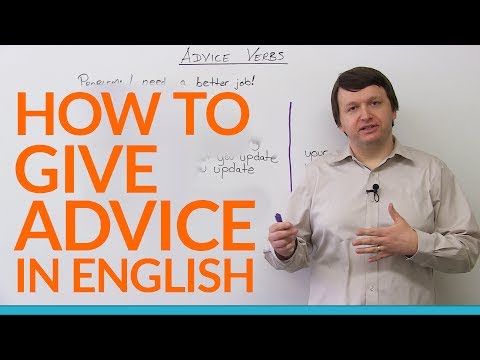
- like: "Your doing something", so you can do... This is known as a possessive gerund and you
like: "Your doing something", so you can do... This is known as a possessive gerund and you
- This is known as a possessive gerund,
This is known as a possessive gerund,
Remember to do vs remember doing: English In A Minute

- other verbs that are always followed by the gerund, for example 'enjoy'.
other verbs that are always followed by the gerund, for example 'enjoy'.
- But we also have some verbs in English that can be followed by either the infinitive or the gerund and the meaning will change.
But we also have some verbs in English that can be followed by either the infinitive or the gerund and the meaning will change.
English Grammar - "try to do" or "try doing"?
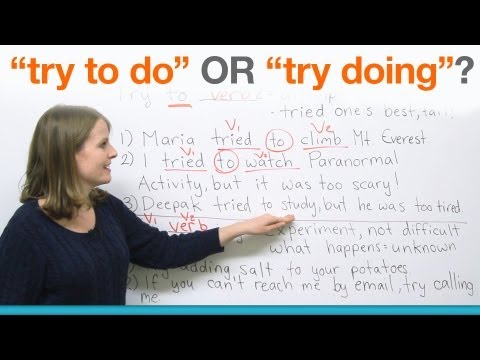
- but we're looking at the difference between the gerund form of "try" and the infinitive
but we're looking at the difference between the gerund form of "try" and the infinitive
- but we're looking at the difference between the gerund form of "try" and the infinitive form of "try." So let's get started.
but we're looking at the difference between the gerund form of "try" and the infinitive form of "try." So let's get started.