frances
US
・UK
A1
prop. n.Proper NounA female given name, a variant of Francis.
Frances is a common name for girls in English-speaking countries.
prop. n.Proper NounA male given name, less common variant of Francis.
Though less common, Frances can sometimes be a male name.
adj.AdjectiveRelating to France or its people; French.
Frances architecture is known for its elegance.
n.NounThe French language.
Frances is a Romance language spoken worldwide.
Video subtitles
A Guide to Personalising Books *grangerising*
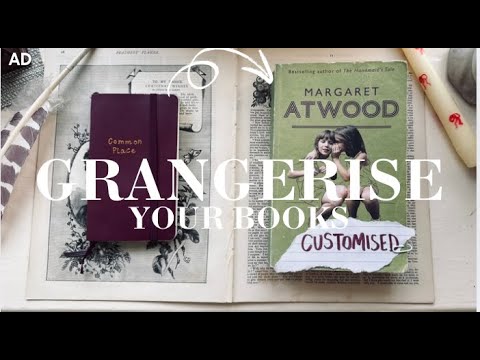
- That's a key theme when looking at 17th century literature and processes of reading, the idea of being active with what you're reading and kind of connecting to the book that you're reading. So even the act of stamping a book with an ex-libris stamp that has your name on it or your family crest traditionally. Frances Wolferston, for example, in the 17th century would write Frances, her book, in the front of her books. But there's a connection and there's an ownership to reading that which involves the reader and actually kind of physically puts the reader into the book. And that ownership, that connection definitely feels more valid and understandable considering how much rarer books were. I mean, books are still pretty expensive but when you compare the price to what it used to be, they are so, so, so affordable and they are affordable enough that, especially if we're shopping second hand, we can accumulate a lot of books. And so it kind of makes sense that we wouldn't then like customise all of our books and kind of write our names and all of our books in the same way. Though not to say that not everyone does because I do think the ex-libris stamp is making something of a comeback. But I just love how grangerising makes a book personal to you and the book itself then reflects and is testament to how much a book means to you. It kind of becomes this material marker in relation to you as the reader. It also bestows importance onto the physical object of the book as well as just the text. Like this book is significant because I bought this when I was 17 and I've read it four times since then and so it's kind of joined me in a very material way in many different life stages and it's kind of transcended time and moved with me which I think is absolutely beautiful. Effectively when you add your own illustrations, when you add tiny kind of snippets and annotations and thoughts, you're adding to the paratext of the book as well. And I think when we kind of frame it as a form of paratext, it kind of helps to even better frame like the importance of your personal copy to you as a reader. Paratext was kind of most officially and famously theorised by Jeannette in his book Paratext from 1987 and paratext is all of the stuff around the actual text. So this is the text and then the paratext will be like, you know, the four words or in this book there's quotes at the beginning from Stephen Hawking. There are dedications, there are words of thanks, you've got the information about publication, you've got like other works by Margaret Atwood here, you've got the cover, you've got what else? Oh yeah, more books by Margaret Atwood there. And these are things which are connected to the text but they're not actually part of the text and so when you grangerise a book
That's a key theme when looking at 17th century literature and processes of reading, the idea of being active with what you're reading and kind of connecting to the book that you're reading. So even the act of stamping a book with an ex-libris stamp that has your name on it or your family crest traditionally. Frances Wolferston, for example, in the 17th century would write Frances, her book, in the front of her books. But there's a connection and there's an ownership to reading that which involves the reader and actually kind of physically puts the reader into the book. And that ownership, that connection definitely feels more valid and understandable considering how much rarer books were. I mean, books are still pretty expensive but when you compare the price to what it used to be, they are so, so, so affordable and they are affordable enough that, especially if we're shopping second hand, we can accumulate a lot of books. And so it kind of makes sense that we wouldn't then like customise all of our books and kind of write our names and all of our books in the same way. Though not to say that not everyone does because I do think the ex-libris stamp is making something of a comeback. But I just love how grangerising makes a book personal to you and the book itself then reflects and is testament to how much a book means to you. It kind of becomes this material marker in relation to you as the reader. It also bestows importance onto the physical object of the book as well as just the text. Like this book is significant because I bought this when I was 17 and I've read it four times since then and so it's kind of joined me in a very material way in many different life stages and it's kind of transcended time and moved with me which I think is absolutely beautiful. Effectively when you add your own illustrations, when you add tiny kind of snippets and annotations and thoughts, you're adding to the paratext of the book as well. And I think when we kind of frame it as a form of paratext, it kind of helps to even better frame like the importance of your personal copy to you as a reader. Paratext was kind of most officially and famously theorised by Jeannette in his book Paratext from 1987 and paratext is all of the stuff around the actual text. So this is the text and then the paratext will be like, you know, the four words or in this book there's quotes at the beginning from Stephen Hawking. There are dedications, there are words of thanks, you've got the information about publication, you've got like other works by Margaret Atwood here, you've got the cover, you've got what else? Oh yeah, more books by Margaret Atwood there. And these are things which are connected to the text but they're not actually part of the text and so when you grangerise a book
- Frances Wulfriston, for example, in the 17th century would write Frances her book in the front of her books.
Frances Wulfriston, for example, in the 17th century would write Frances her book in the front of her books.
The Complete History of the Second World War | World War II Documentary | Part 1
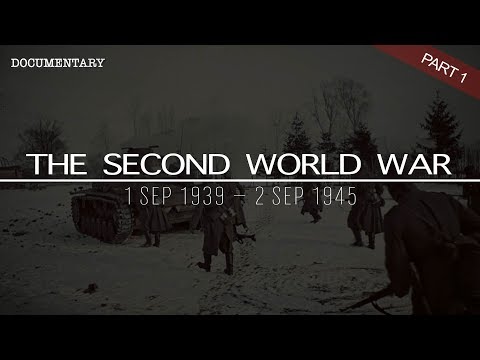
- Britain and Frances declaration of war on Germany sends shockwaves across Europe that were felt politically but appear to do very little ounce
Britain and Frances declaration of war on Germany sends shockwaves across Europe that were felt politically but appear to do very little ounce
- Where the Italian fleet was still the dominant air force after Frances surrender
Where the Italian fleet was still the dominant air force after Frances surrender
This Cookie is Fighting Malnutrition in Kenya

- After years of mixing and baking, Frances finally landed on the magic recipe.
After years of mixing and baking, Frances finally landed on the magic recipe.
Wicked's ‘Dancing Through Life’ Full Scene Breakdown: Choreography, VFX & More (ft. Jonathan Bailey)

- My name is Frances Hanlon.
My name is Frances Hanlon.
- My name's Frances Hannan.
My name's Frances Hannan.
14 Best Summer Travel Destinations to Visit in 2018

- If you want to see a lot in a short period of time, walk the Camino de Santiago along the Camino Frances.
If you want to see a lot in a short period of time, walk the Camino de Santiago along the Camino Frances.
Cher on 60 Years of Fame: Music, Movies & Giving Back

- It was Frances, Frances Coppola.
It was Frances, Frances Coppola.
Aubrey Anderson-Emmons REACTS to 'Modern Family' Moments | ET Then and Now

- Hi, I'm Aubrey Anderson-Emmons, also known as Frances Anderson, and this is E.T.'s Then and Now.
Hi, I'm Aubrey Anderson-Emmons, also known as Frances Anderson, and this is E.T.'s Then and Now.
- Hi, I'm Aubrey Anderson-Emmons, also known as Frances Anderson, and this is ET's Then and Now.
Hi, I'm Aubrey Anderson-Emmons, also known as Frances Anderson, and this is ET's Then and Now.
Learn English listening skills - Danger in prison
- Question four: Why doesn't Frances Crook agree with the government's explanation?
Question four: Why doesn't Frances Crook agree with the government's explanation?
- Question four: Why doesn't Frances Crook agree with the government's explanation?
Question four: Why doesn't Frances Crook agree with the government's explanation?
Women in the 19th Century: Crash Course US History #16
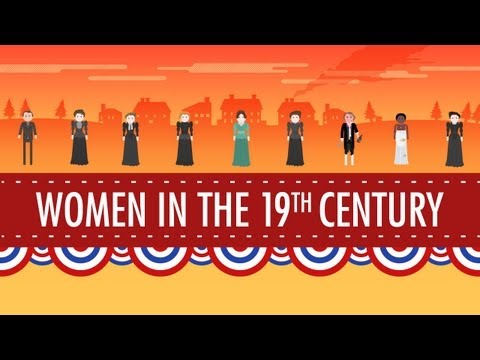
- and not because she’d had a few too many. The somewhat less radical Frances Willard
and not because she’d had a few too many. The somewhat less radical Frances Willard
- The somewhat less radical Frances Weward founded the Women's Christian Temperance Union in 1874, which would be one of the most powerful lobbying groups in the United States by the end of the 19th century.
The somewhat less radical Frances Weward founded the Women's Christian Temperance Union in 1874, which would be one of the most powerful lobbying groups in the United States by the end of the 19th century.
The True Cost of the Royal Family Explained

- filled with Castles that aren’t plastic. And why do the Americans think Frances castles
filled with Castles that aren’t plastic. And why do the Americans think Frances castles