fossil fuel
US /ˈfɑsəl ˈfjuəl/
・UK /ˈfɔsl fjuəl/
B2
n. (c./u.)Noun (Countable/Uncountable)A natural fuel such as coal or gas, formed in the geological past from the remains of living organisms.
We need to reduce our reliance on fossil fuels.
Video subtitles
How to fight climate change with parking lots
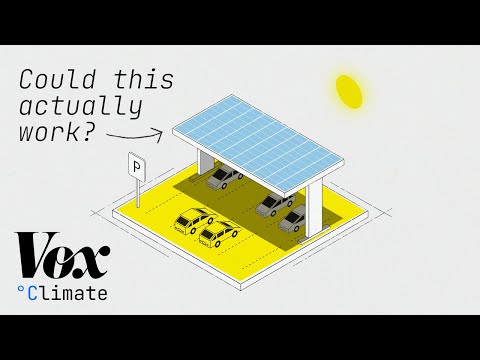
- That resistance has sometimes been funded by fossil fuel companies but people also have legitimate concerns.
That resistance has sometimes been funded by fossil fuel companies but people also have legitimate concerns.
- by fossil fuel companies...
by fossil fuel companies...
Democratic Presidential Debate - June 26 (Full) | NBC News

- THE FOSSIL FUEL AND THE ENERGY
THE FOSSIL FUEL AND THE ENERGY
- FOSSIL FUEL AND PUT FARMERS AND
FOSSIL FUEL AND PUT FARMERS AND
2023, in 7 minutes
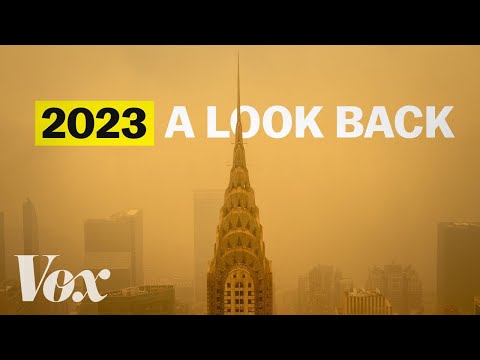
- The COP28 team did not deny using climate meetings to discuss fossil fuel deals.
The COP28 team did not deny using climate meetings to discuss fossil fuel deals.
How can smart tech tackle climate change? CrowdScience - BBC World Service
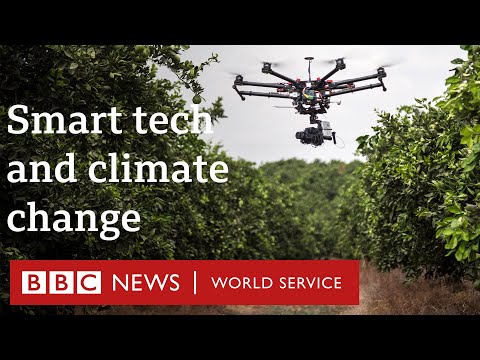
- And other people have identified the digital sector as having the potential to reduce fossil fuel emissions by 15% by 2030.
And other people have identified the digital sector as having the potential to reduce fossil fuel emissions by 15% by 2030.
- And other people identify the digital sector as having the potential to reduce fossil fuel emissions to 15% by 2030.
And other people identify the digital sector as having the potential to reduce fossil fuel emissions to 15% by 2030.
Renewable Energy Explained in 2 1/2 Minutes
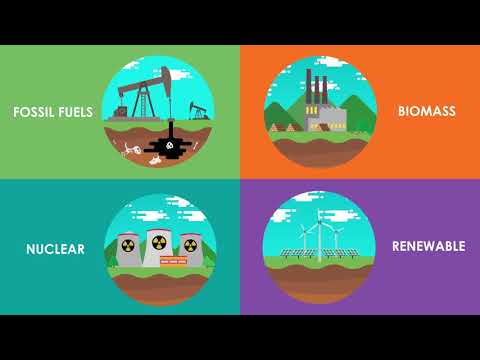
- It's also projected that fossil fuel resources will be depleted within the next 50 to 100 years.
It's also projected that fossil fuel resources will be depleted within the next 50 to 100 years.
- it's also projected fossil fuel resources will be depleted within the next fifty to one hundred years
it's also projected fossil fuel resources will be depleted within the next fifty to one hundred years
Stanford Roundtable 2014: The climate conversation you haven’t heard

- We have a fossil fuel that reacts with free oxygen from the atmosphere and generates useful energy and CO2, but we don't count the CO2.
We have a fossil fuel that reacts with free oxygen from the atmosphere and generates useful energy and CO2, but we don't count the CO2.
- We have a fossil fuel that reacts with free oxygen from the atmosphere and
We have a fossil fuel that reacts with free oxygen from the atmosphere and
The Biggest Lie About Carbon Capture
- In order for a company to say that, it should be based on their investment in renewable energy and their de-investment from the oil and gas industry and the fossil fuel companies, which is why it's kind of ironic that a company like Shell would ever say they're gonna be carbon neutral by 2035.
In order for a company to say that, it should be based on their investment in renewable energy and their de-investment from the oil and gas industry and the fossil fuel companies, which is why it's kind of ironic that a company like Shell would ever say they're gonna be carbon neutral by 2035.
- In order for a company to say that, it should be based on their investment in renewable energy and their deinvestment from the oil and gas industry and the fossil fuel companies, which is why it's kind of ironic that a company like Shell would ever say they're going to be carbon neutral by 2035.
In order for a company to say that, it should be based on their investment in renewable energy and their deinvestment from the oil and gas industry and the fossil fuel companies, which is why it's kind of ironic that a company like Shell would ever say they're going to be carbon neutral by 2035.
The Hydrologic and Carbon Cycles: Always Recycle! - Crash Course Ecology #8
- Now, limestone obviously doesn't burn super well, so it's not considered a fossil fuel,
Now, limestone obviously doesn't burn super well, so it's not considered a fossil fuel,
- so it's not considered a fossil fuel.
so it's not considered a fossil fuel.
Adam Ruins Everything - Most Controversial Ruins (Mashup) | truTV

- And right now, companies and countries already own enough fossil fuel in reserves to meet that limit five times over.
And right now, companies and countries already own enough fossil fuel in reserves to meet that limit five times over.
- enough fossil fuel in reserves
enough fossil fuel in reserves
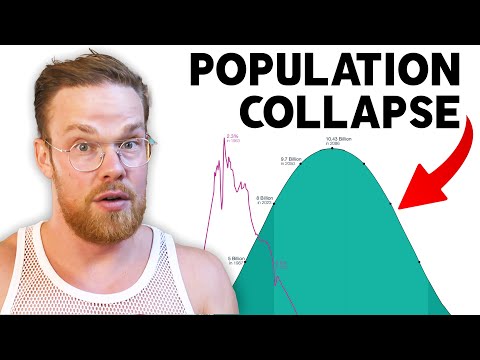
Everyone is freaking out about this graph
- If we focus on the fossil fuel industry, which controls much of current market trends, the current economic growth expected for fossil fuel companies the way they are right now will lead to extraction and emissions that create an ecosystem collapse by 2030, which economists think will cost the world $2.7 trillion per year.
If we focus on the fossil fuel industry, which controls much of current market trends, the current economic growth expected for fossil fuel companies the way they are right now will lead to extraction and emissions that create an ecosystem collapse by 2030, which economists think will cost the world $2.7 trillion per year.
- Deloitte recently estimated that without significant decreases to fossil fuel extraction, climate chaos will cost the US alone $14.5 trillion per year by 2070.
Deloitte recently estimated that without significant decreases to fossil fuel extraction, climate chaos will cost the US alone $14.5 trillion per year by 2070.