Search words & phrases
equatorial
US /ˌikwəˈtɔriəl, -ˈtor-, ˌɛkwə-/
・UK /ˌekwəˈtɔ:riəl/
B1
adj.AdjectiveConcerning or at an equator; having hot weather
The equatorial temperature is high because the equator is near the sun
Video subtitles
Why Aren't There Eclipses Every Month?
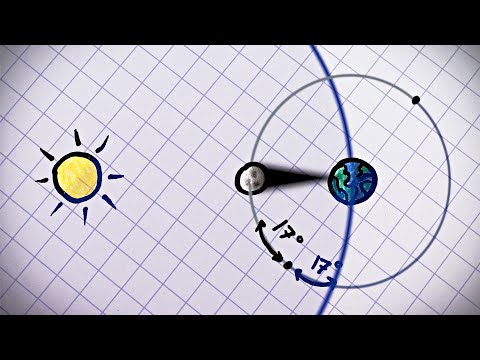
- When the sun is eclipsed to us, the moon's inhabitants on the side next to the earth – if any such there be – see her shadow like a dark spot traveling over the earth, about twice as fast as its equatorial parts move, and the same way as they move.
When the sun is eclipsed to us, the moon's inhabitants on the side next to the earth – if any such there be – see her shadow like a dark spot traveling over the earth, about twice as fast as its equatorial parts move, and the same way as they move.
The Most Dangerous Lake on Earth
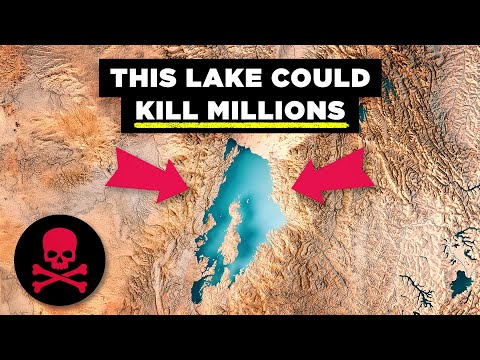
- Lake Nyos was a very similar geological anomaly, a lake in the equatorial tropics that sat above a volcanically active area, with a lower, cold, and heavier stagnant layer that had been quietly building up in CO2 concentration through underwater springs for potentially centuries, and a higher, warmer, and lighter layer of water than acted as the cork on the bottle.
Lake Nyos was a very similar geological anomaly, a lake in the equatorial tropics that sat above a volcanically active area, with a lower, cold, and heavier stagnant layer that had been quietly building up in CO2 concentration through underwater springs for potentially centuries, and a higher, warmer, and lighter layer of water than acted as the cork on the bottle.
- But just as both of these lakes were being rendered safe from the hitherto unknown natural hazard of limnic eruptions, it was becoming clear that there was still another third lake in Equatorial Africa that contained all of the same conditions to eventually explode just like Lake Mondaun and Lake Nyos as well.
But just as both of these lakes were being rendered safe from the hitherto unknown natural hazard of limnic eruptions, it was becoming clear that there was still another third lake in Equatorial Africa that contained all of the same conditions to eventually explode just like Lake Mondaun and Lake Nyos as well.
The weather loophole keeping this city sunny
- Globally speaking, the equatorial effect of rising and sinking air dictates where rainfall usually occurs or doesn't.
Globally speaking, the equatorial effect of rising and sinking air dictates where rainfall usually occurs or doesn't.
10 MYTHICAL CREATURES that Actually EXISTED!

- in Equatorial Africa.
in Equatorial Africa.
37 Geography Facts You SHOULD Know!
- North Atlantic, it's framed by the Gulf Stream, the Canary Current, the North Atlantic Current, and the Equatorial Current. Number eight. There's a hidden forest in China growing inside a massive sinkhole. The Zhaozhai Tiankeng in China isn't just the largest sinkhole on Earth. It's a world of its own. Over 2,000 feet wide and more than 2,170 feet deep, this massive crater is home to a lush, hidden forest teeming with rare plants and animals found nowhere else. Number nine.
North Atlantic, it's framed by the Gulf Stream, the Canary Current, the North Atlantic Current, and the Equatorial Current. Number eight. There's a hidden forest in China growing inside a massive sinkhole. The Zhaozhai Tiankeng in China isn't just the largest sinkhole on Earth. It's a world of its own. Over 2,000 feet wide and more than 2,170 feet deep, this massive crater is home to a lush, hidden forest teeming with rare plants and animals found nowhere else. Number nine.
The Most Extraordinary Things James Webb Telescope Has Seen So Far (4k)

- The bright equatorial zone stands out prominently in these images, its high-altitude hazes scattering light and creating a striking contrast.
The bright equatorial zone stands out prominently in these images, its high-altitude hazes scattering light and creating a striking contrast.
Common Moon Mistakes
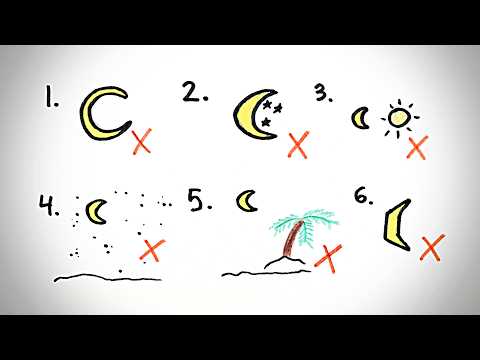
- But the movie is set in equatorial Africa, where a crescent moon is oriented more like a cup.
But the movie is set in equatorial Africa, where a crescent moon is oriented more like a cup.
The Truth About Gingers

- People from equatorial regions usually have darker hair and skin to better protect them from the sun's radiation.
People from equatorial regions usually have darker hair and skin to better protect them from the sun's radiation.
What Exactly Is El Niño?

- temperatures of the ocean and the atmosphere around the east-central equatorial Pacific
temperatures of the ocean and the atmosphere around the east-central equatorial Pacific
- trade winds get really strong so we get COLDER waters around the equatorial Pacific. Which
trade winds get really strong so we get COLDER waters around the equatorial Pacific. Which
Climate change and agriculture
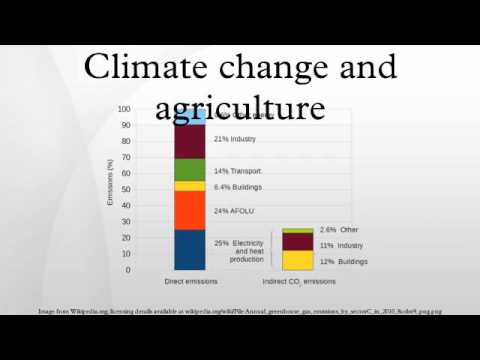
- change warms up the ocean's water. Crops that lie on the equatorial belt or under
change warms up the ocean's water. Crops that lie on the equatorial belt or under