elicit
US /ɪˈlɪsɪt/
・UK /iˈlɪsɪt/
B2TOEIC
v.t.Transitive VerbTo get an answer or reaction from
Her joke happened to elicit a lot of laughs from the audience
Video subtitles
Introduction to Generative AI

- If Y is a sentence, like defined sales, it is generative, as the question would elicit a text response.
If Y is a sentence, like defined sales, it is generative, as the question would elicit a text response.
- If Y is a sentence, like defined sales, it is generative, as the question would elicit a text response.
If Y is a sentence, like defined sales, it is generative, as the question would elicit a text response.
Nicole Kidman Wins Best Actress in a Limited Series at the 2018 Golden Globes

- and I hope, we can elicit change through the stories we tell and the way we tell them.
and I hope, we can elicit change through the stories we tell and the way we tell them.
- Um, I do believe and I hope we can elicit change
Um, I do believe and I hope we can elicit change
Efficiency in Comedy: The Office vs. Friends

- I don't expect every line to elicit this roomwide eruption of laughs and cheers,
I don't expect every line to elicit this roomwide eruption of laughs and cheers,
- I don't expect every line to elicit this room wide eruption of laughs and cheers
I don't expect every line to elicit this room wide eruption of laughs and cheers
Why People get into Unhealthy Relationships

- Where others would despair of intransigence or meanness, we see every chance of being able to change a partner – so long as we keep quiet and hope. It can take an awfully long time until we are in any position to realise that all told, the situation does appear a little strange and somewhat irrevocable. That it may not be entirely to our advantage to be told again and again that we are mad for wanting greater gentleness, or demanding for seeking a deeper connection, or crazy for wondering why a partner spends so much time on their phone or out drunk with friends. We could be compared to a giant fish, a tuna perhaps, whose had its fins cut off and lost any powers of navigation, so that it bobs helplessly on the current, hoping against hope that it will be taken somewhere nice, but unable to exert any influence on its course. The famous expression runs, when people show you who they are, believe them. But it's hard to be very clear-eyed about who is good and bad when you happen to grow up with a heavy disincentive to perceive certain awkward truths about your own parents, because you were five years old, trapped in a house with them, and love wasn't readily available from anyone else. Our entire perceptual mechanism may have been twisted as a result. Like an animal that can't perceive certain frequencies of light, our emotional eyes may have grown up unable to see difficult traits for what they are. Coldness now just looks like honourable absorption in more important tasks. Sarcasm is read as wit. Being belittled feels like care. We're always more likely to think of ourselves as bad for failing to elicit kindness from a fundamentally lovely person whom we'll continue to adore and admire, despite one or two signs of trouble, as opposed to conceiving that we might have fallen in with a jerk. We may be deep into our lives before we decide we might have had enough of suffering, and start to be curious about what kindness and presence might feel like. We may ever so slightly determine that though our partner may be using every ounce of their considerable logic and charm to secure the status quo, they might in the end just be taking us for a long ride. We don't have to be here. We are, astonishingly, not five anymore. If we're not happy, we can run.
Where others would despair of intransigence or meanness, we see every chance of being able to change a partner – so long as we keep quiet and hope. It can take an awfully long time until we are in any position to realise that all told, the situation does appear a little strange and somewhat irrevocable. That it may not be entirely to our advantage to be told again and again that we are mad for wanting greater gentleness, or demanding for seeking a deeper connection, or crazy for wondering why a partner spends so much time on their phone or out drunk with friends. We could be compared to a giant fish, a tuna perhaps, whose had its fins cut off and lost any powers of navigation, so that it bobs helplessly on the current, hoping against hope that it will be taken somewhere nice, but unable to exert any influence on its course. The famous expression runs, when people show you who they are, believe them. But it's hard to be very clear-eyed about who is good and bad when you happen to grow up with a heavy disincentive to perceive certain awkward truths about your own parents, because you were five years old, trapped in a house with them, and love wasn't readily available from anyone else. Our entire perceptual mechanism may have been twisted as a result. Like an animal that can't perceive certain frequencies of light, our emotional eyes may have grown up unable to see difficult traits for what they are. Coldness now just looks like honourable absorption in more important tasks. Sarcasm is read as wit. Being belittled feels like care. We're always more likely to think of ourselves as bad for failing to elicit kindness from a fundamentally lovely person whom we'll continue to adore and admire, despite one or two signs of trouble, as opposed to conceiving that we might have fallen in with a jerk. We may be deep into our lives before we decide we might have had enough of suffering, and start to be curious about what kindness and presence might feel like. We may ever so slightly determine that though our partner may be using every ounce of their considerable logic and charm to secure the status quo, they might in the end just be taking us for a long ride. We don't have to be here. We are, astonishingly, not five anymore. If we're not happy, we can run.
- We're always more likely to think of ourselves as bad for failing to elicit kindness from a fundamentally lovely person whom we'll continue to adore and admire despite one or two signs of trouble, as opposed to conceiving that we might have fallen in with a jerk.
We're always more likely to think of ourselves as bad for failing to elicit kindness from a fundamentally lovely person whom we'll continue to adore and admire despite one or two signs of trouble, as opposed to conceiving that we might have fallen in with a jerk.
CIA psychology: Ask questions that make people reveal everything | Andrew Bustamante

- When you are trying to elicit specific information without demonstrating that you're interested in that specific information.
When you are trying to elicit specific information without demonstrating that you're interested in that specific information.
- We use a term called elicitation for this activity, when you are trying to elicit specific information without demonstrating that you're interested in that specific information.
We use a term called elicitation for this activity, when you are trying to elicit specific information without demonstrating that you're interested in that specific information.
You can help reverse the overdose epidemic

- Elicit fentanyl is up to 50 times more potent than heroin and is often mixed into other drugs to make them stronger and more addictive.
Elicit fentanyl is up to 50 times more potent than heroin and is often mixed into other drugs to make them stronger and more addictive.
- Elicit fentanyl is also sold on the street disguised as less harmful prescription drugs like Xanax and oxycodone, which is thought to be the main reason why adolescents are now dying of opioid overdose at unprecedented levels.
Elicit fentanyl is also sold on the street disguised as less harmful prescription drugs like Xanax and oxycodone, which is thought to be the main reason why adolescents are now dying of opioid overdose at unprecedented levels.
Sadness or Depression? 6 Ways to Tell the Difference
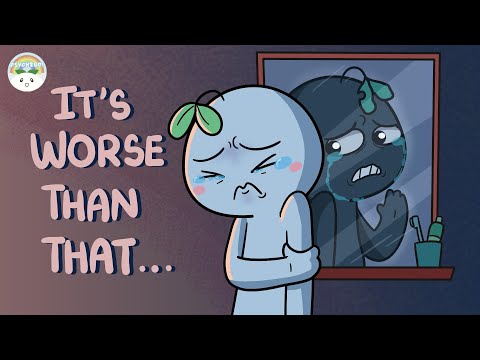
- Specific nameable events like failing at a task, disappointment in a job, or the loss of a loved one can elicit sadness.
Specific nameable events like failing at a task, disappointment in a job, or the loss of a loved one can elicit sadness.
- Specific, namable events like failing at a task, disappointment in a job, or the loss of a loved one can elicit sadness.
Specific, namable events like failing at a task, disappointment in a job, or the loss of a loved one can elicit sadness.
セクシュアリティの研究者だけど「恋愛」について質問ある?| Tech Support | WIRED Japan

- And while there is certainly some level of continuity over time, different people can also elicit different kinds of reactions from us.
And while there is certainly some level of continuity over time, different people can also elicit different kinds of reactions from us.
- So when we interact, let's say, with someone who is very avoidant, even if we're not particularly anxious, it can elicit somewhat of an anxious response from us because they are acting so avoidant.
So when we interact, let's say, with someone who is very avoidant, even if we're not particularly anxious, it can elicit somewhat of an anxious response from us because they are acting so avoidant.
Psychological Research - Crash Course Psychology #2

- For example, more forceful words like "ban" or "censor" may elicit different reactions than "limit" or "not allow." Asking, "Do you believe in space aliens?" is a much different question than, "Do you think that there is intelligent life somewhere else in the universe?" It's the same question,
For example, more forceful words like "ban" or "censor" may elicit different reactions than "limit" or "not allow." Asking, "Do you believe in space aliens?" is a much different question than, "Do you think that there is intelligent life somewhere else in the universe?" It's the same question,
- words like "ban" or "censor" may elicit different reactions than "limit" or "not allow". Asking
words like "ban" or "censor" may elicit different reactions than "limit" or "not allow". Asking
Are probiotics in yogurt a gimmick?

- There are a ton of different strains that elicit different effects.
There are a ton of different strains that elicit different effects.
- There are a ton of different strains that elicit different effects, so.
There are a ton of different strains that elicit different effects, so.