dogmatic
US /dɔɡˈmætɪk, dɑɡ-/
・UK /dɒgˈmætɪk/
C1TOEIC
adj.AdjectiveMaking strong statements; insisting you are right
Her employees find her bossy and dogmatic because she never accepts anyone's suggestions
Video subtitles
What Is Time? (better audio) Determinism, Quantum Physics, Consciousness, Free Will, Causality...
- whom I will be forever grateful, for opening my mind and helping me get rid of dogmatic
whom I will be forever grateful, for opening my mind and helping me get rid of dogmatic
- whom I will be forever grateful, for opening my mind and helping me get rid of dogmatic
whom I will be forever grateful, for opening my mind and helping me get rid of dogmatic
When Religions Go Bad And Cause Harm
- They're radically decentralized, non-dogmatic, pluralistic, no hell, no single profit, no claim to exclusive truth.
They're radically decentralized, non-dogmatic, pluralistic, no hell, no single profit, no claim to exclusive truth.
- They're radically decentralized, non-dogmatic, pluralistic, no hell, no, uh, single prophet, no claim to exclusive truth.
They're radically decentralized, non-dogmatic, pluralistic, no hell, no, uh, single prophet, no claim to exclusive truth.
Biblical Series I: Introduction to the Idea of God
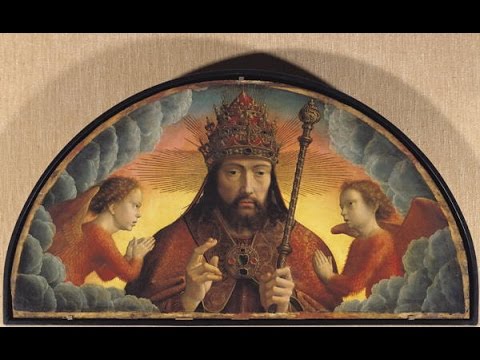
- Nietzsche was a devastating critic of, I would say, dogmatic Christianity, Christianity as it was instantiated in institutions, I suppose, although he's a very paradoxical thinker because, for example, one of the things Nietzsche said was that he didn't believe that the scientific revolution would have ever got off the ground if it hadn't been for Christianity and more specifically for Catholicism because he believed that over the course of really a thousand years, the European mind, so to speak, had to train itself to interpret everything that was known within a single coherent framework, coherent if you accept the initial axioms, a single coherent framework.
Nietzsche was a devastating critic of, I would say, dogmatic Christianity, Christianity as it was instantiated in institutions, I suppose, although he's a very paradoxical thinker because, for example, one of the things Nietzsche said was that he didn't believe that the scientific revolution would have ever got off the ground if it hadn't been for Christianity and more specifically for Catholicism because he believed that over the course of really a thousand years, the European mind, so to speak, had to train itself to interpret everything that was known within a single coherent framework, coherent if you accept the initial axioms, a single coherent framework.
- And so Nietzsche believed that that Catholicization of the phenomena of life and of history produced the kind of mind that was then capable of transcending its dogmatic foundations and then concentrating on something else, which in this particular case happened to be the natural world.
And so Nietzsche believed that that Catholicization of the phenomena of life and of history produced the kind of mind that was then capable of transcending its dogmatic foundations and then concentrating on something else, which in this particular case happened to be the natural world.
Life Advice from 80 Year Olds You Didn't Know You Needed
- You can't be dogmatic.
You can't be dogmatic.
- You can't be dogmatic.
You can't be dogmatic.
Michael Sandel:Justice What's The Right Thing To Do Episode 01 THE MORAL SIDE OF MURDER
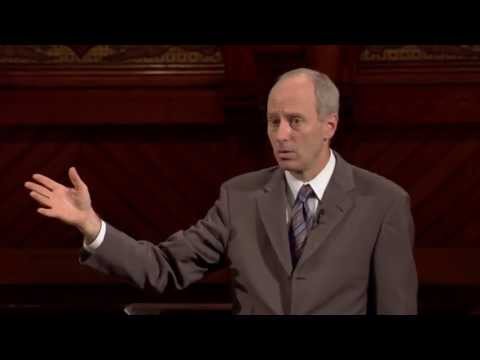
- Immanuel Kant described very well the problem with skepticism when he wrote, "Skepticism is a resting place for human reason, where it can reflect upon its dogmatic wanderings,
Immanuel Kant described very well the problem with skepticism when he wrote, "Skepticism is a resting place for human reason, where it can reflect upon its dogmatic wanderings,
- its dogmatic wanderings, but it is no dwelling place
its dogmatic wanderings, but it is no dwelling place
‘This is an engagement Europe should accept’: German FM praises Rubio speech at MSC 2026 | DW News

- But I understood his, uh, speech in a way that we have to give flexible answers, uh, not to be do-dogmatic.
But I understood his, uh, speech in a way that we have to give flexible answers, uh, not to be do-dogmatic.
- But I understood his speech in a way that we have to give flexible answers, not to be dogmatic.
But I understood his speech in a way that we have to give flexible answers, not to be dogmatic.
Secretary Marco Rubio Remarks at Munich Security Conference

- In this delusion, we embraced a dogmatic vision of free and unfettered trade, even as some nations protected their economies and subsidized their companies, to systematically undercut ours, shuttering our plants, resulting in large parts of our societies being deindustrialized, shipping millions of working and middle-class jobs overseas,
In this delusion, we embraced a dogmatic vision of free and unfettered trade, even as some nations protected their economies and subsidized their companies, to systematically undercut ours, shuttering our plants, resulting in large parts of our societies being deindustrialized, shipping millions of working and middle-class jobs overseas,
- In this delusion, we embraced a dogmatic vision of free and unfettered trade.
In this delusion, we embraced a dogmatic vision of free and unfettered trade.
Phoebe Buffay, the Mystery Ingredient of Friends
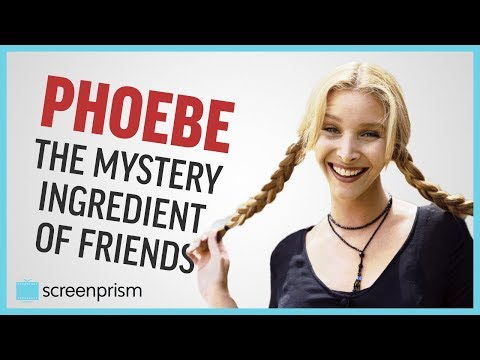
- So Phoebe finally grows when she learns to be less dogmatic about her moral ideas and become more flexible.
So Phoebe finally grows when she learns to be less dogmatic about her moral ideas and become more flexible.
- So Phoebe finally grows when she learns to be less dogmatic about her moral ideas and become more flexible.
So Phoebe finally grows when she learns to be less dogmatic about her moral ideas and become more flexible.
Is Atheism a Religion?: Crash Course Religions #13
- The New Atheists have at times been labeled dogmatic and even fundamentalist in their belief that there's no God, which has led some to wonder if atheism is also a religion.
The New Atheists have at times been labeled dogmatic and even fundamentalist in their belief that there's no God, which has led some to wonder if atheism is also a religion.
- The New Atheists have at times been labeled dogmatic and even fundamentalist in their belief that there's no god, which has led some to wonder if atheism is also a religion.
The New Atheists have at times been labeled dogmatic and even fundamentalist in their belief that there's no god, which has led some to wonder if atheism is also a religion.
What's the Best Medical Path For You? Doctor Specialties by Enneagram Type
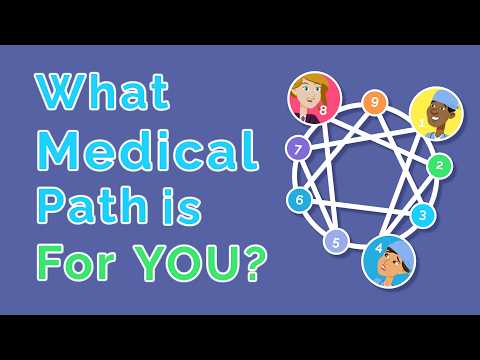
- An unhealthy Type one can be inflexible, dogmatic and punitive in their pursuit of what they believe to be right.
An unhealthy Type one can be inflexible, dogmatic and punitive in their pursuit of what they believe to be right.
- An unhealthy Type 1 can be inflexible, dogmatic, and
An unhealthy Type 1 can be inflexible, dogmatic, and