deciduous
US /dɪˈsɪdʒuəs/
・UK /dɪˈsɪdʒuəs/
C1
adj.Adjective(Of leaves) falling off during the fall
The deciduous leaves became brown and fell to the ground.
Video subtitles
Learn English on a Beautiful Spring Day! ???

- But over here we have a broadleaf tree, or what we call a deciduous tree,
But over here we have a broadleaf tree, or what we call a deciduous tree,
- what we call a deciduous tree, and they are
what we call a deciduous tree, and they are
Could earthworms help transform the future of organic farming? - BBC World Service, CrowdScience

- And they're basically forests that are partly deciduous broadleaf trees and coniferous trees, and there's a thick leaf litter layer on the forest floor, which is important for the research I do.
And they're basically forests that are partly deciduous broadleaf trees and coniferous trees, and there's a thick leaf litter layer on the forest floor, which is important for the research I do.
- are partly deciduous, like broadleaf trees and coniferous trees. And there's a thick
are partly deciduous, like broadleaf trees and coniferous trees. And there's a thick
Clash-A-Rama! The Series: Ballad of the Barbarian

- Not a deciduous type of guy.
Got it... Heeeyahh!
Not a deciduous type of guy. Got it... Heeeyahh!
- Okay, not a deciduous type of guy, got it.
Okay, not a deciduous type of guy, got it.
How to Prune a Lilac Bush

- It's easiest to prune a lilac and any other deciduous tree or shrub, that is, those that drop their leaves in the winter, in the late winter or early spring.
It's easiest to prune a lilac and any other deciduous tree or shrub, that is, those that drop their leaves in the winter, in the late winter or early spring.
- It's easiest to prune a lilac and any other deciduous tree or shrub -- that is, those
It's easiest to prune a lilac and any other deciduous tree or shrub -- that is, those
World Heritage Sites in Germany
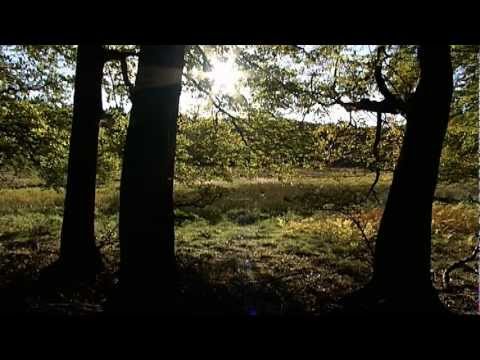
- Many of our deciduous forests have disappeared during centuries of use.
Many of our deciduous forests have disappeared during centuries of use.
- Many of our deciduous forests have disappeared during centuries of use.
Many of our deciduous forests have disappeared during centuries of use.
Let's Learn English in the Forest in the Fall (Autumn) | English Video with Subtitles

- There's deciduous trees.
There's deciduous trees.
- Uh, deciduous trees are trees like maple or oak or poplar.
Uh, deciduous trees are trees like maple or oak or poplar.
Alberta in the Fall | Exploring Canada's Rocky Mountains

- I don't think there's any roses here, but it's a nice place to stop and smell the pines, the birch, deciduous forests of North America.
I don't think there's any roses here, but it's a nice place to stop and smell the pines, the birch, deciduous forests of North America.
- Deciduous forest.
Deciduous forest.
The Land of Giant Bears | Full Documentary - Planet Doc Full Documentaries
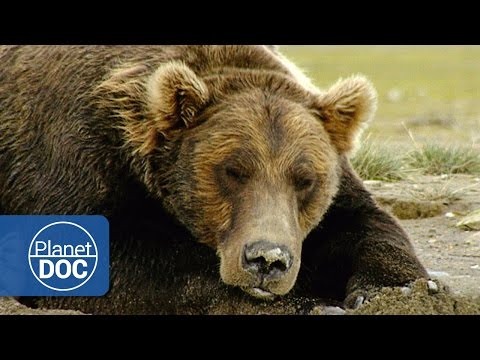
- The trees with deciduous leaves, less well adapted to the cold, have to take refuge along the shores of the rivers and in the more protected areas,
The trees with deciduous leaves, less well adapted to the cold, have to take refuge along the shores of the rivers and in the more protected areas,
- The deciduous plants, in contrast to the conifers, shed their leaves during the winter,
The deciduous plants, in contrast to the conifers, shed their leaves during the winter,
COSY BOOKS ? | FILMS ✨ | Pudding & Tea ?| Autumn Time! ??| Cosy British English! ??

- The advanced word, deciduous, deciduous.
The advanced word, deciduous, deciduous.
- So a deciduous tree is a tree that sheds or loses its leaves in the autumn.
So a deciduous tree is a tree that sheds or loses its leaves in the autumn.
The Real Reason Leaves Change Color In the Fall
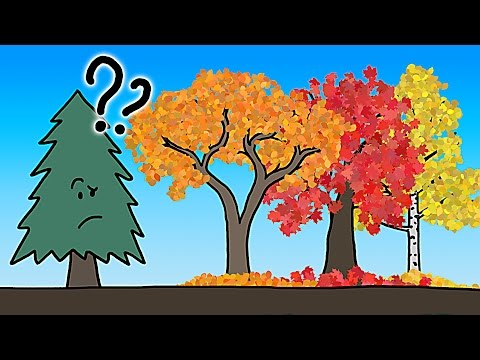
- You've probably heard that leaves of deciduous trees change color in autumn because they lose their green chlorophyll molecules, allowing the underlying yellow-orange pigments to shine through.
You've probably heard that leaves of deciduous trees change color in autumn because they lose their green chlorophyll molecules, allowing the underlying yellow-orange pigments to shine through.
- Deciduous trees drop their leaves each year to avoid the high cost of winterizing them,
Deciduous trees drop their leaves each year to avoid the high cost of winterizing them,