cortisol
US /'kɔ:tɪsɒl/
・UK /'kɔ:tɪsɒl/
A1
n. (u.)Uncountable NounAdrenal-cortex hormone (trade names Hydrocortone or Cortef) that is active in carbohydrate and protein metabolism
Video subtitles
5 Foods That Naturally Decrease Cortisol, the Stress Hormone
- I'm Emma Mcadam, I'm a licensed marriage and family therapist and today, we're going to talk about foods that naturally decrease cortisol.
I'm Emma Mcadam, I'm a licensed marriage and family therapist and today, we're going to talk about foods that naturally decrease cortisol.
- And that's because what you eat impacts cortisol levels.
And that's because what you eat impacts cortisol levels.
Smoking is Awesome
- Epinephrine and cortisol make your heart beat faster and your body ready for action.
Epinephrine and cortisol make your heart beat faster and your body ready for action.
- Epinephrine and cortisol make your heart beat faster and your body ready for action.
Epinephrine and cortisol make your heart beat faster and your body ready for action.
The Neuroscience of Breath: How to Use Breathing to Control Emotions
- On a neurochemical level this helps regulate stress hormones like cortisol and also increases GABA which is a neurotransmitter that promotes calmness.
On a neurochemical level this helps regulate stress hormones like cortisol and also increases GABA which is a neurotransmitter that promotes calmness.
- On a neurochemical level, this helps regulate stress hormones like cortisol and also increases GABA, which is a neurotransmitter that promotes calmness.
On a neurochemical level, this helps regulate stress hormones like cortisol and also increases GABA, which is a neurotransmitter that promotes calmness.
How can you spot a TikTok wellness scam? - What in the World podcast, BBC World Service
- So it's kind of easy to say like, oh drink more water or eat a more balanced meal, but a lot of people have kind of tried this before or are already doing it in their life, so it doesn't kind of seem like something you can really easily latch on to. Whereas when you say cut out all carbs, that's like a new thing that you can bring into your life that feels like you're really changing something. So trends tend to be something that's new, kind of strange sounding, and something that you can easily latch on to that people think may improve their life. Now we should point out that in terms of the wellness industry, not everything is a scam. As you said up top, it's a massive industry and there are indeed products that are backed by scientific evidence. My question for you is this though, where is the line? When does it become problematic? It's really tough to draw that line sometimes because you've got most of the trends that I see tend to be kind of in this middle area where they don't work, but they don't cost you money, so it's not really an issue if people want to try them. It may lead to something, it may make you happier in some way, but it kind of is this middle ground where, oh it is a lie, but at least there's no direct harm being caused. And then you have the next step, which is selling a product that may not have any harms, costs a lot of money, but also doesn't work. So that's actually ripping people off. Then you've got the next step where someone tries a wellness trend or believes in these products so much that they don't then seek mainstream medical care. That's really problematic because it delays treatment, it can delay prevention, which is really the most important point in medical care, and it can cause people to have a bit of distrust in mainstream medicine and think that this maybe natural solution that an influence is selling is better than a pharmaceutical or doctor recommended treatment. And then there's the last step where influencers recommend products or regimes that are actively harmful. So this is when they recommend disordered eating habits or a product that has a high concentration of some chemical or some, I don't know, byproducts that can actually cause harm. Now I think it's easy for people to watch this and say, oh how could people fall for these scams? But the fact is there are a lot of vulnerable people. Perhaps they have consulted a doctor, they haven't found a solution, and they sincerely want that solution. Do you think that plays in to this becoming so popular, this trend taking off? It's so easy to be swept up when you're seeing video after video after video from these beautiful influencers who've changed their lives and look at that and be like, wow, I want to feel like, I want my gut to be healthy, I want my hormones to be balanced. These terms are meaningless and gut health, for example, is so complex. An influencer on TikTok is not going to know how to solve it. We talked about aspiration, we talked about people seeking a solution. Are there any other reasons that these online trends go viral, that they're so effective for the influencer in promoting themselves? I think one thing that these viral trends tend to do really well for influencers is to be a successful influencer, you need to have a story, you need to have a character arc. These wellness trends are a really easy way to create a character arc for yourself. You could say, come with me on my journey to heal my cortisol levels. It's one of those things where, okay, well now I'm going to tune in and see if this influencer does heal their cortisol. Even if they're doing completely separate things. One trend that people may have seen is cortisol face, which is when there's just like a bit of fat in your face.
So it's kind of easy to say like, oh drink more water or eat a more balanced meal, but a lot of people have kind of tried this before or are already doing it in their life, so it doesn't kind of seem like something you can really easily latch on to. Whereas when you say cut out all carbs, that's like a new thing that you can bring into your life that feels like you're really changing something. So trends tend to be something that's new, kind of strange sounding, and something that you can easily latch on to that people think may improve their life. Now we should point out that in terms of the wellness industry, not everything is a scam. As you said up top, it's a massive industry and there are indeed products that are backed by scientific evidence. My question for you is this though, where is the line? When does it become problematic? It's really tough to draw that line sometimes because you've got most of the trends that I see tend to be kind of in this middle area where they don't work, but they don't cost you money, so it's not really an issue if people want to try them. It may lead to something, it may make you happier in some way, but it kind of is this middle ground where, oh it is a lie, but at least there's no direct harm being caused. And then you have the next step, which is selling a product that may not have any harms, costs a lot of money, but also doesn't work. So that's actually ripping people off. Then you've got the next step where someone tries a wellness trend or believes in these products so much that they don't then seek mainstream medical care. That's really problematic because it delays treatment, it can delay prevention, which is really the most important point in medical care, and it can cause people to have a bit of distrust in mainstream medicine and think that this maybe natural solution that an influence is selling is better than a pharmaceutical or doctor recommended treatment. And then there's the last step where influencers recommend products or regimes that are actively harmful. So this is when they recommend disordered eating habits or a product that has a high concentration of some chemical or some, I don't know, byproducts that can actually cause harm. Now I think it's easy for people to watch this and say, oh how could people fall for these scams? But the fact is there are a lot of vulnerable people. Perhaps they have consulted a doctor, they haven't found a solution, and they sincerely want that solution. Do you think that plays in to this becoming so popular, this trend taking off? It's so easy to be swept up when you're seeing video after video after video from these beautiful influencers who've changed their lives and look at that and be like, wow, I want to feel like, I want my gut to be healthy, I want my hormones to be balanced. These terms are meaningless and gut health, for example, is so complex. An influencer on TikTok is not going to know how to solve it. We talked about aspiration, we talked about people seeking a solution. Are there any other reasons that these online trends go viral, that they're so effective for the influencer in promoting themselves? I think one thing that these viral trends tend to do really well for influencers is to be a successful influencer, you need to have a story, you need to have a character arc. These wellness trends are a really easy way to create a character arc for yourself. You could say, come with me on my journey to heal my cortisol levels. It's one of those things where, okay, well now I'm going to tune in and see if this influencer does heal their cortisol. Even if they're doing completely separate things. One trend that people may have seen is cortisol face, which is when there's just like a bit of fat in your face.
- Everyone has fat in their face, don't worry. But influencers have kind of tacked on to this insecurity that a lot of people have to sell regimes or programs to like get rid of your cortisol. In reality, it's not a problem.
Everyone has fat in their face, don't worry. But influencers have kind of tacked on to this insecurity that a lot of people have to sell regimes or programs to like get rid of your cortisol. In reality, it's not a problem.
口渴的驚人好處,口渴才喝水!!,自然療法,柏格醫生 Dr Berg
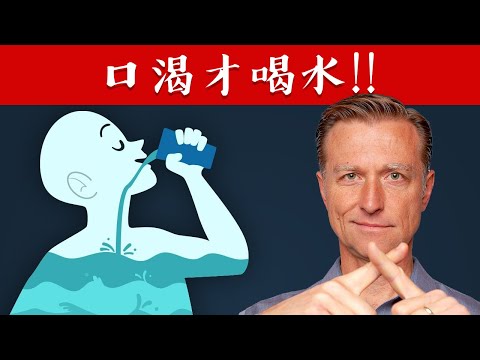
- It actually has the ability to lower cortisol, which is very interesting.
It actually has the ability to lower cortisol, which is very interesting.
- It actually has the ability to lower cortisol, which is very interesting.
It actually has the ability to lower cortisol, which is very interesting.
Your Brain On Obsessive Love
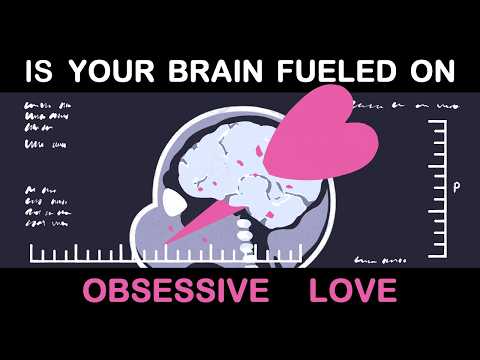
- Cortisol.
Cortisol.
- These emotional roller coasters increase the release of cortisol, the stress hormone.
These emotional roller coasters increase the release of cortisol, the stress hormone.
Signs of Obsessive Love
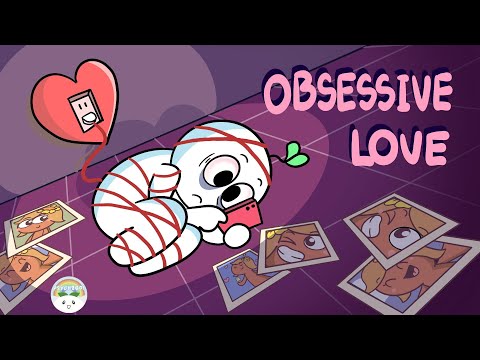
- Cortisol.
Cortisol.
- These emotional roller coasters increase the release of cortisol, the stress hormone.
These emotional roller coasters increase the release of cortisol, the stress hormone.
Power of positive thinking |? Podcast and Chill | Beginner

- When you think positively, your body makes less stress hormone, like cortisol.
When you think positively, your body makes less stress hormone, like cortisol.
- When you think positively, your body makes less stress hormone, like cortisol.
When you think positively, your body makes less stress hormone, like cortisol.
Why Cant Some People Stop Fidgeting

- And a 2005 study from the University of Hertfordshire found that fidgeting can reduce levels of the stress hormone cortisol, which should lower stress.
And a 2005 study from the University of Hertfordshire found that fidgeting can reduce levels of the stress hormone cortisol, which should lower stress.
- and a 2005 study from the University of Hertfordshire found that fidgeting can reduce levels of the stress hormone cortisol, which should lower stress.
and a 2005 study from the University of Hertfordshire found that fidgeting can reduce levels of the stress hormone cortisol, which should lower stress.
How Emotions Are Made: The Body Budgeting System
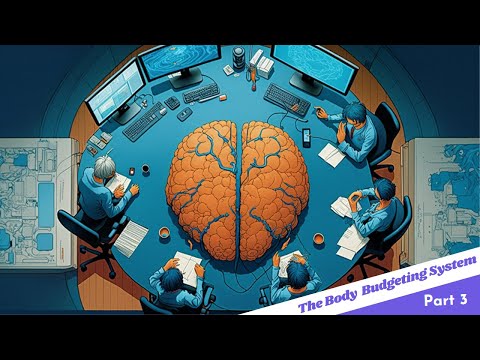
- Your brain is predicting something important about to happen, a need of yours that's about to be met, or in risk of being thwarted, and so it's giving the order to your body to squirt out different hormones, cortisol, adrenaline, blood sugar, serotonin, and the like, to get you ready for the action it deems appropriate.
Your brain is predicting something important about to happen, a need of yours that's about to be met, or in risk of being thwarted, and so it's giving the order to your body to squirt out different hormones, cortisol, adrenaline, blood sugar, serotonin, and the like, to get you ready for the action it deems appropriate.
- Similar thoughts, similar beliefs, similar facial movements, similar tension in the muscles, and similar squirts of cortisol and adrenaline in similar parts of the body.
Similar thoughts, similar beliefs, similar facial movements, similar tension in the muscles, and similar squirts of cortisol and adrenaline in similar parts of the body.