cornea
US /ˈkɔ:rniə/
・UK /ˈkɔ:niə/
A1
n.NounTransparent dome-shaped anterior portion of the outer covering of the eye; it covers the iris and pupil and is continuous with the sclera
Video subtitles
Learn Real English: Buying Glasses

- where the light is going and hitting your cornea but we won't get into all the technical stuff
where the light is going and hitting your cornea but we won't get into all the technical stuff
- and then they know where the light is going and hitting your cornea,
and then they know where the light is going and hitting your cornea,
11 Things That Can Change Your Eye Color
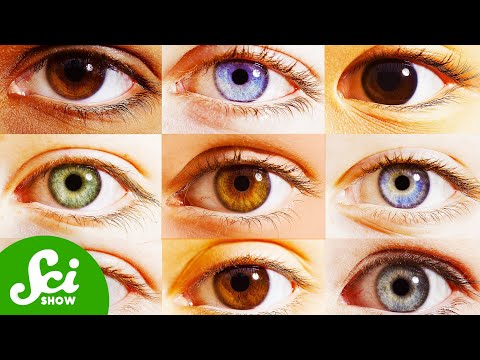
- They're caused by deposition of excess copper in the cornea, which lays over the top of the iris.
They're caused by deposition of excess copper in the cornea, which lays over the top of the iris.
- They're caused by deposition of excess copper in the cornea, which lays over the top of the iris.
They're caused by deposition of excess copper in the cornea, which lays over the top of the iris.
How Your Eyes Work

- Well, the window to the eyeball is the cornea, a dome of clear tissue up in front of the eye that focuses light as it passes through.
Well, the window to the eyeball is the cornea, a dome of clear tissue up in front of the eye that focuses light as it passes through.
- Yep, it's right behind the cornea.
Yep, it's right behind the cornea.
Pam Bondi Skips Human Trafficking Conference

- Unfortunately, I am recovering from a recently torn cornea, which is preventing me from being with you.
Unfortunately, I am recovering from a recently torn cornea, which is preventing me from being with you.
- Unfortunately, I am recovering from a recently torn cornea, which is preventing me from being with you.
Unfortunately, I am recovering from a recently torn cornea, which is preventing me from being with you.
眼科医だけど質問ある?| Tech Support | WIRED Japan
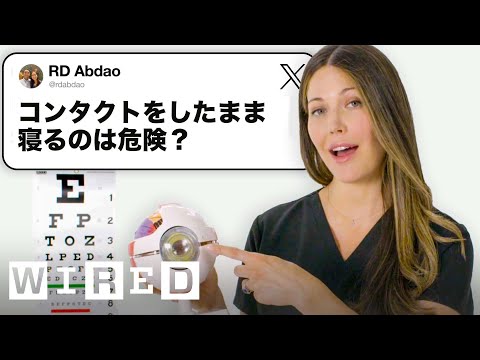
- What LASIK does is it helps to remove microscopic layers of tissue on the surface of the cornea to better direct the light as it enters the eye so that it's focused in your retina.
What LASIK does is it helps to remove microscopic layers of tissue on the surface of the cornea to better direct the light as it enters the eye so that it's focused in your retina.
- What LASIK does is it helps to remove microscopic layers of tissue on the surface of the cornea to better direct the light as it enters the eye so that it's focused in your retina.
What LASIK does is it helps to remove microscopic layers of tissue on the surface of the cornea to better direct the light as it enters the eye so that it's focused in your retina.
Why so many people need glasses now

- Then there's orthokeratology, or Ortho-K lenses: hard contact lenses worn only at night that reshape the wearer's cornea while they sleep so that they can see at a distance during the day.
Then there's orthokeratology, or Ortho-K lenses: hard contact lenses worn only at night that reshape the wearer's cornea while they sleep so that they can see at a distance during the day.
- hard contact lenses worn only at night that reshape the wearer's cornea while they sleep,
hard contact lenses worn only at night that reshape the wearer's cornea while they sleep,
Sensation & Perception - Crash Course Psychology #5

- So after taking this light in through the cornea and the pupil, it hits the transparent
So after taking this light in through the cornea and the pupil, it hits the transparent
- So after taking in this light through the cornea and the pupil, it hits the transparent disc behind the pupil, the lens, which focuses the light rays into specific images.
So after taking in this light through the cornea and the pupil, it hits the transparent disc behind the pupil, the lens, which focuses the light rays into specific images.
10 Times Musicians Were Injured By The Crowd

- Tyler suffered a burned cornea and Perry's hand was injured, forcing them both to immediately go to the hospital.
Tyler suffered a burned cornea and Perry's hand was injured, forcing them both to immediately go to the hospital.
- Tyler suffered a burned cornea,
Tyler suffered a burned cornea,
47 Unknown Facts That'll Make You Feel Proud of Your Body

- The cornea of the eye gets oxygen right from the air because there's no blood supply to it.
The cornea of the eye gets oxygen right from the air because there's no blood supply to it.
- The cornea of the eye gets oxygen right from the air because there's no blood supply to it.
The cornea of the eye gets oxygen right from the air because there's no blood supply to it.
Spanish scientists develop artificial cornea from fish scales
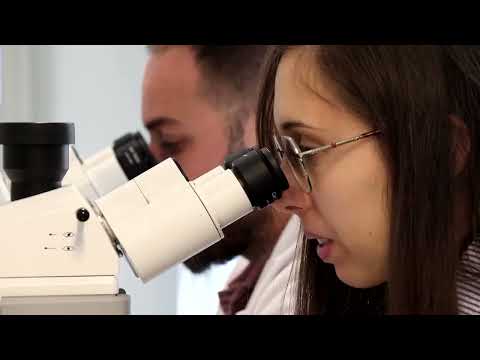
- The cornea, the eyes transparent front layer, is difficult to repair when badly damaged because it has no blood vessels and limited regenerative capacity.
The cornea, the eyes transparent front layer, is difficult to repair when badly damaged because it has no blood vessels and limited regenerative capacity.
- The cornea, the eye's transparent front layer, is difficult to repair when badly damaged because it has no blood vessels and limited regenerative capacity.
The cornea, the eye's transparent front layer, is difficult to repair when badly damaged because it has no blood vessels and limited regenerative capacity.