common usage
US
・UK
A1
n.NounThe way in which something is most frequently or widely used.
The term 'woke' has gained common usage in recent years.
Video subtitles
Learn English Tenses: The Present Perfect

- It's a little bit of a tricky one to learn as an English learner, but it's definitely a very common usage of the present perfect, to talk about something where the time that that thing happened is not important in the conversation.
It's a little bit of a tricky one to learn as an English learner, but it's definitely a very common usage of the present perfect, to talk about something where the time that that thing happened is not important in the conversation.
- but it's definitely a very common usage of the present perfect to talk about something where the time that that thing happened is not important in the conversation.
but it's definitely a very common usage of the present perfect to talk about something where the time that that thing happened is not important in the conversation.
5 Japanese Slang Words スラング[日本語字幕付]
![5 Japanese Slang Words スラング[日本語字幕付]](https://img.youtube.com/vi/777dowGCMp8/hqdefault.jpg)
- The common usage we're going for is "impossible."
The common usage we're going for is "impossible."
- The common usage we're going for is "possible." But it can also imply that you have tried really hard.
The common usage we're going for is "possible." But it can also imply that you have tried really hard.
Fix your grammar: IS or ARE - Common Mistakes & Grammar Rules

- This is the rule according to most, but not all, most modern course books and common usage.
This is the rule according to most, but not all, most modern course books and common usage.
- This is the rule according to most, but not all, most modern course books and common usage.
This is the rule according to most, but not all, most modern course books and common usage.
Build Your Vocabulary FASTER!

- So, less common usage.
So, less common usage.
- So, less common usage.
So, less common usage.
National Palace Museum

- In common usage in Chinese, the institution in Taipei is known as the Taipei Gugong, while it in Beijing is known as the Beijing Gugong.
In common usage in Chinese, the institution in Taipei is known as the Taipei Gugong, while it in Beijing is known as the Beijing Gugong.
- In common usage in Chinese, the institution in Taipei is known as the "Taipei Gugong",
In common usage in Chinese, the institution in Taipei is known as the "Taipei Gugong",
The Business of English - Episode 2: Why don't you join us?

- but shall we is a common usage in questions, simply because it is easier to say than will we.
but shall we is a common usage in questions, simply because it is easier to say than will we.
- Walter says, "Where shall we meet?" You can use "shall" or "will," but "shall we" is a common usage in questions simply because it is easier to say than "will we." "Shall" is also used when asking for or making suggestions.
Walter says, "Where shall we meet?" You can use "shall" or "will," but "shall we" is a common usage in questions simply because it is easier to say than "will we." "Shall" is also used when asking for or making suggestions.
Japanese don't say I love you?

- So I feel like— That's, that's not a common usage in Japan.
So I feel like— That's, that's not a common usage in Japan.
- That's not a common usage in Japan
That's not a common usage in Japan
Avoid these common preposition mistakes in English!
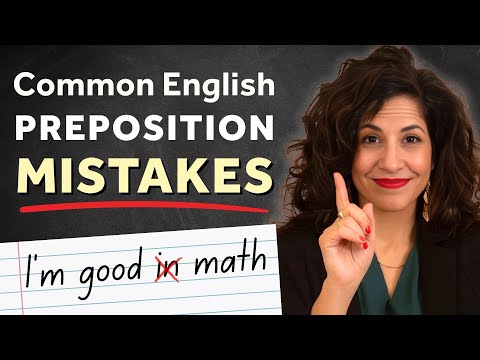
- but when you just look at the language, this is how it is, this is the common usage of this word or this preposition,
but when you just look at the language, this is how it is, this is the common usage of this word or this preposition,
- This is the common usage of this word or this preposition.
This is the common usage of this word or this preposition.
Middle East Conflict - Improve Your English Vocabulary with the News

- Probably the most common usage in everyday speech is your wedding vows.
Probably the most common usage in everyday speech is your wedding vows.
- Probably the most common usage in everyday speech is your wedding vows.
Probably the most common usage in everyday speech is your wedding vows.
How long can a German word get?

- So in 1995, the Guinness Book of Records listed as the longest word in common usage: "Rechtsschutzversicherungsgesellschaften".
So in 1995, the Guinness Book of Records listed as the longest word in common usage: "Rechtsschutzversicherungsgesellschaften".
- listed as the longest word in common usage:
listed as the longest word in common usage: