chiefly
US /ˈtʃifliː/
・UK /ˈtʃi:fli/
B1
adv.AdverbMostly; mainly; for the most part
Although his speech lasted an hour, it was chiefly about the penalties of being late for work
Video subtitles
Knight

- As time passed, clergy instituted religious vows which required knights to use their weapons chiefly for the protection of the weak and defenseless, especially women and orphans, and
As time passed, clergy instituted religious vows which required knights to use their weapons chiefly for the protection of the weak and defenseless, especially women and orphans, and
- passed, clergy instituted religious vows which required knights to use their weapons chiefly
passed, clergy instituted religious vows which required knights to use their weapons chiefly
Why Sargent Painted Outside The Lines
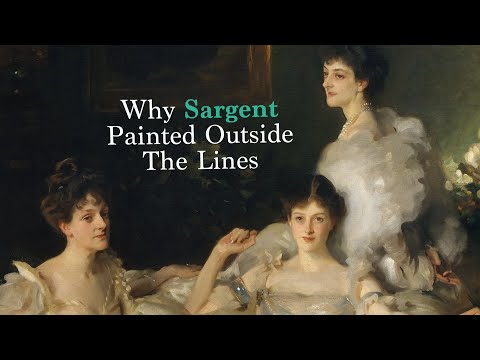
- Given how many he did, Sargent is known chiefly as a portrait painter, and he is, simply put, the greatest portraitist who ever lived, capturing all the glamour of the late Victorian and Edwardian ages.
Given how many he did, Sargent is known chiefly as a portrait painter, and he is, simply put, the greatest portraitist who ever lived, capturing all the glamour of the late Victorian and Edwardian ages.
- Given how many he did, Sargent is known chiefly as a portrait painter.
Given how many he did, Sargent is known chiefly as a portrait painter.
Part 1 - Pride and Prejudice Audiobook by Jane Austen (Chs 01-15)
- but in my opinion, it is a paltry device, a very mean art." "Undoubtedly," replied Darcy, to whom this remark was chiefly addressed, "there is a meanness in all the arts which ladies sometimes condescend to employ for captivation;
but in my opinion, it is a paltry device, a very mean art." "Undoubtedly," replied Darcy, to whom this remark was chiefly addressed, "there is a meanness in all the arts which ladies sometimes condescend to employ for captivation;
- "Undoubtedly," replied Darcy, to whom this remark was chiefly addressed, "there is a
"Undoubtedly," replied Darcy, to whom this remark was chiefly addressed, "there is a
Chapter 35 - Pride and Prejudice by Jane Austen
- In town I believe he chiefly lived,
In town I believe he chiefly lived,
- In town I believe he chiefly lived, but his studying the law was a mere pretence, and
In town I believe he chiefly lived, but his studying the law was a mere pretence, and
Attractive female students no longer earned higher grades when classes moved online during COVID

- This finding implies that the female beauty premium is likely to be chiefly a consequence of discrimination, whereas on the contrary, for male students, it was a productive, enhancing attribute.
This finding implies that the female beauty premium is likely to be chiefly a consequence of discrimination, whereas on the contrary, for male students, it was a productive, enhancing attribute.
- This finding implies that the female beauty premium is likely to be chiefly a consequence of discrimination, where, on the contrary, for male students, it was a productive and handsy attribute.
This finding implies that the female beauty premium is likely to be chiefly a consequence of discrimination, where, on the contrary, for male students, it was a productive and handsy attribute.
Drone expert explains what he thinks is behind drone sightings

- I've made this very clear to the FBI, to Homeland Security and the faa, the agencies chiefly responsible for monitoring drone activity.
I've made this very clear to the FBI, to Homeland Security and the faa, the agencies chiefly responsible for monitoring drone activity.
- the FAA, the agencies chiefly responsible for monitoring drone activity.
the FAA, the agencies chiefly responsible for monitoring drone activity.
Going to university is not what it once was and students face a very different question

- Well, the labor market is changing, and rapidly, and chiefly because of AI.
Well, the labor market is changing, and rapidly, and chiefly because of AI.
- Well, the labor market is changing rapidly and chiefly because of AI.
Well, the labor market is changing rapidly and chiefly because of AI.
Romeo and Juliet Audiobook by William Shakespeare

- Is partly to behold my lady's face, But chiefly to take thence from her dead finger
Is partly to behold my lady's face, But chiefly to take thence from her dead finger
- but chiefly to take thence from her dead finger a precious ring, a ring that I must use in dear employment.
but chiefly to take thence from her dead finger a precious ring, a ring that I must use in dear employment.
The Secret Power of Unsent Letters

- A general principle of mental health is that the less we are able to express, the more unwell we get. It's when we have to stifle our rage, sadness or fear that we start to develop secondary symptoms – sleeplessness, paranoia, bitterness, poor digestion – just as our spirits can lighten and our horizons expand, once we can find a way to lend outward form to our pains. However, the problem is often one of occasions. We may in theory be ready to say and feel all sorts of things, but our outward circumstances may be highly unconducive to free expression. Perhaps the person we'd really like to say something to is dead, or they may, just as problematically, be distracted, fragile or frightening. We then make the error of imagining that there can be no point in speaking and on this basis stifle our emotions to our increasing cost. But this is to miss out on an unexpected quirk of our psyches. What may matter most in many situations is not, as we might think, that the person we need to speak to is actually able to hear what we have to say, but rather that we have a proper, in-depth chance to say it anyway. There can be as much benefit in shouting our feelings to a deserted beach, a large pillow or an empty chair as there would in having a lengthy dialogue with an intimidating parent or an obtuse lover. The best technique in this tradition may be to write a letter that we never send, either because the person in question is no longer alive or because we just have no expectation that what we could write would remotely be understood. The discipline of writing a long letter has the effect of galvanising our hitherto confused and disparate emotions and forces our intelligence to lay out our story in a systematic and emotionally logical way. As we write, we turn what might have been an inchoate sob into something intelligible, plausible, compassion-inducing and moving. We go from I hate you so much or why why why to a full, leisurely recap of how we felt, why we suffered and what the legacy of our injury has been. We can be like a grown-up lawyer making a case in a courtroom of adults on behalf of a frightened or muddled child. We can take our absent reader into the details of a story that they refuse to see existed and may have done their best to silence. We are giving ourselves an opportunity to feel legitimate in our own eyes. We may realise that the real audience we needed all along was ourselves. We suffer unnecessarily when we think that the only form of catharsis is one that can unfold in the physical presence of a person who damaged us. Our freedom is fortunately far greater than this, because the real sceptic we need to win over and explain our full story to is chiefly and crucially always ourselves.
A general principle of mental health is that the less we are able to express, the more unwell we get. It's when we have to stifle our rage, sadness or fear that we start to develop secondary symptoms – sleeplessness, paranoia, bitterness, poor digestion – just as our spirits can lighten and our horizons expand, once we can find a way to lend outward form to our pains. However, the problem is often one of occasions. We may in theory be ready to say and feel all sorts of things, but our outward circumstances may be highly unconducive to free expression. Perhaps the person we'd really like to say something to is dead, or they may, just as problematically, be distracted, fragile or frightening. We then make the error of imagining that there can be no point in speaking and on this basis stifle our emotions to our increasing cost. But this is to miss out on an unexpected quirk of our psyches. What may matter most in many situations is not, as we might think, that the person we need to speak to is actually able to hear what we have to say, but rather that we have a proper, in-depth chance to say it anyway. There can be as much benefit in shouting our feelings to a deserted beach, a large pillow or an empty chair as there would in having a lengthy dialogue with an intimidating parent or an obtuse lover. The best technique in this tradition may be to write a letter that we never send, either because the person in question is no longer alive or because we just have no expectation that what we could write would remotely be understood. The discipline of writing a long letter has the effect of galvanising our hitherto confused and disparate emotions and forces our intelligence to lay out our story in a systematic and emotionally logical way. As we write, we turn what might have been an inchoate sob into something intelligible, plausible, compassion-inducing and moving. We go from I hate you so much or why why why to a full, leisurely recap of how we felt, why we suffered and what the legacy of our injury has been. We can be like a grown-up lawyer making a case in a courtroom of adults on behalf of a frightened or muddled child. We can take our absent reader into the details of a story that they refuse to see existed and may have done their best to silence. We are giving ourselves an opportunity to feel legitimate in our own eyes. We may realise that the real audience we needed all along was ourselves. We suffer unnecessarily when we think that the only form of catharsis is one that can unfold in the physical presence of a person who damaged us. Our freedom is fortunately far greater than this, because the real sceptic we need to win over and explain our full story to is chiefly and crucially always ourselves.
- Our freedom is, fortunately, far greater than this because the real sceptic we need to win over and explain our full story to is chiefly and crucially always ourselves.
Our freedom is, fortunately, far greater than this because the real sceptic we need to win over and explain our full story to is chiefly and crucially always ourselves.
Part 1 - The Time Machine Audiobook by H. G. Wells (Chs 01-06)

- We were soon seated together in a little stone arbor, engaged in conversation, chiefly of smiles.
We were soon seated together in a little stone arbor, engaged in conversation, chiefly of smiles.
- chiefly of smiles.
chiefly of smiles.