chasm
US /ˈkæzəm/
・UK /ˈkæzəm/
C1
n.NounLarge difference between two things/groups etc.
The chasm between father and son continued to grow deeper and wider over the years
Video subtitles
The Lengths We Go To Avoid Love
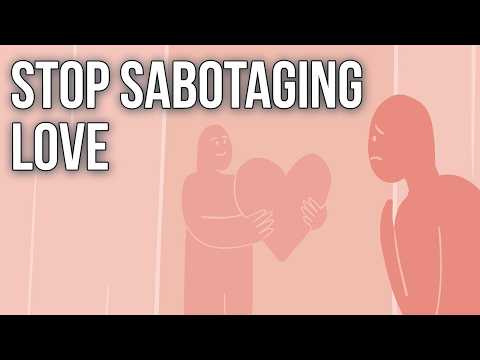
- If we find ourselves in a relationship, we will assiduously practice the arts of what psychologists call distance management. When the chance of reaching a truly happy state appears, we'll subtly discover ways to introduce a chasm. We'll have an argument, spoil a birthday, ruin a holiday. We'll find we have to do a lot of work for an upcoming exam or presentation, that our gang of friends needs us to be somewhere else, that we forgot to return the credit card or tax bill, that our appearance requires a lot of our attention or that we like to flirt with a stranger at a party who suddenly seems very attractive indeed. In both tiny and large ways, we'll know just how to lower the mood, scupper a bond and destroy trust. Perhaps not enough to end a relationship completely, but certainly enough to worry our partner sufficiently as to our solidity that we can be privately sure things will never truly fly. Friends may commiserate with us on our so-called bad luck. Psychologists will note our superlative skill at romantic sabotage. With this to sound a bit like us, compassion is required. We should reflect back on our pasts and wonder at the connection between our fractured bonds with parental figures and our disrupted adult attachments. We aren't like this because we're wicked, we've just been very badly hurt. Once we understand how our skill at independence was acquired, we'll be in a better position to see that it has in reality outlived its rationale. We may still feel immensely apprehensive at the prospect of contentment, but we may finally be able to admit that we are, first and foremost, acting out of fear. Rather than dismissing our partners, we may stick closer to a much more awkward truth – that we're tempted to draw away from them because we're immensely scared that they might finally be in a position to make us very happy – and that simply nothing so unutterably and boundlessly frightening has ever happened to us before.
If we find ourselves in a relationship, we will assiduously practice the arts of what psychologists call distance management. When the chance of reaching a truly happy state appears, we'll subtly discover ways to introduce a chasm. We'll have an argument, spoil a birthday, ruin a holiday. We'll find we have to do a lot of work for an upcoming exam or presentation, that our gang of friends needs us to be somewhere else, that we forgot to return the credit card or tax bill, that our appearance requires a lot of our attention or that we like to flirt with a stranger at a party who suddenly seems very attractive indeed. In both tiny and large ways, we'll know just how to lower the mood, scupper a bond and destroy trust. Perhaps not enough to end a relationship completely, but certainly enough to worry our partner sufficiently as to our solidity that we can be privately sure things will never truly fly. Friends may commiserate with us on our so-called bad luck. Psychologists will note our superlative skill at romantic sabotage. With this to sound a bit like us, compassion is required. We should reflect back on our pasts and wonder at the connection between our fractured bonds with parental figures and our disrupted adult attachments. We aren't like this because we're wicked, we've just been very badly hurt. Once we understand how our skill at independence was acquired, we'll be in a better position to see that it has in reality outlived its rationale. We may still feel immensely apprehensive at the prospect of contentment, but we may finally be able to admit that we are, first and foremost, acting out of fear. Rather than dismissing our partners, we may stick closer to a much more awkward truth – that we're tempted to draw away from them because we're immensely scared that they might finally be in a position to make us very happy – and that simply nothing so unutterably and boundlessly frightening has ever happened to us before.
- When the chance of reaching a truly happy state appears, we will subtly discover ways to introduce a chasm.
When the chance of reaching a truly happy state appears, we will subtly discover ways to introduce a chasm.
Stanford Webinar - Fintech Revolution: How Disruptive Innovation is Transforming Financial Services

- So in terms of what the adoption rate has been and what the penetration rate has been, on the average, it is higher with millennials, but it's probably not as big a chasm as people would think with respect to Gen X or baby boomers.
So in terms of what the adoption rate has been and what the penetration rate has been, on the average, it is higher with millennials, but it's probably not as big a chasm as people would think with respect to Gen X or baby boomers.
- not as big a chasm as people would think with respect to Gen-X or Baby Boomers.
not as big a chasm as people would think with respect to Gen-X or Baby Boomers.
Sonya Huang and Sarah Guo on what's next in AI | Mercury Spheres

- But then for the small number of companies that are able to cross that chasm and make it, who here's taking a Waymo?
But then for the small number of companies that are able to cross that chasm and make it, who here's taking a Waymo?
- But then for the small number of companies that are able to cross that chasm and make it, who here has taken a Waymo?
But then for the small number of companies that are able to cross that chasm and make it, who here has taken a Waymo?
【TED】Simon Sinek: How great leaders inspire action

- So it's this here, this little gap, that you have to close, as Jeffrey Moore calls it, "Crossing the Chasm." Because, you see, the early majority will not try something until someone else has tried it first.
So it's this here, this little gap, that you have to close, as Jeffrey Moore calls it, "Crossing the Chasm." Because, you see, the early majority will not try something until someone else has tried it first.
- as Jeffrey Moore calls it, "crossing the chasm."
as Jeffrey Moore calls it, "crossing the chasm."
Iguazu Falls Vacation Travel Guide | Expedia

- If you'd rather stay dry, take a helicopter ride over the U-shaped series of falls to see how it forms a dramatic chasm in the Earth's surface.
If you'd rather stay dry, take a helicopter ride over the U-shaped series of falls to see how it forms a dramatic chasm in the Earth's surface.
- how it forms a dramatic chasm in the earth's surface.
how it forms a dramatic chasm in the earth's surface.
Meanwhile... Breast Milk Pays The Bills | In Defense Of Emma Watson

- I'm sure it will bring you many years of joy until you're on your deathbed, contemplating how all that you have amassed has only created a hollow chasm between you and yourself.
I'm sure it will bring you many years of joy until you're on your deathbed, contemplating how all that you have amassed has only created a hollow chasm between you and yourself.
- I'm sure it will bring you many years of joy until you're on your deathbed, contemplating how all that you have amassed has only created a hollow chasm between you and yourself, like in that movie, Shrek 2.
I'm sure it will bring you many years of joy until you're on your deathbed, contemplating how all that you have amassed has only created a hollow chasm between you and yourself, like in that movie, Shrek 2.
10 Mysterious Times People Faked Their Own Deaths

- During a trip to Lisbon in 1930, he disappeared in the chasm Bocco d'Inferno, translated to English as Mouth of Hell.
During a trip to Lisbon in 1930, he disappeared in the chasm Bocco d'Inferno, translated to English as Mouth of Hell.
- During a trip to Lisbon in 1930, he disappeared in the chasm Boco de Inferno, translated to English as Mouth of Hell.
During a trip to Lisbon in 1930, he disappeared in the chasm Boco de Inferno, translated to English as Mouth of Hell.
Colour Notes - 10 Minutes To Better Painting - Episode 7

- That makes it appear that there's this huge chasm between the two colors, and you might be timid about making such a big move.
That makes it appear that there's this huge chasm between the two colors, and you might be timid about making such a big move.
- That makes it appear that there's this huge chasm between the two colors,
That makes it appear that there's this huge chasm between the two colors,
SANS Stormcast Friday, April 18th: Remnux Cloud Environment; Erlang/OTP SSH Vuln; Brickstorm Ba…

- hello and welcome to the friday april 18th 2025 edition of the sands internet storm centers stormcast my name is johannes ulrich and today i'm recording from orlando florida today we got another guest diary by one of our undergraduate interns jacob clay camp did write about how to get started in malibu analysis of course we have plenty of diaries always about malibu analysis didier and xavier most notably are heavily contributing to this this is more the beginners view of malibu analysis and sort of how to get started with malibu analysis using a cloud-based system a couple interesting parts here first of all jacob is using aws a free instance and then uses chasm workspaces in order to essentially get a remote desktop into a container which then runs remnux this is lenny seltzer's reverse analysis environment all of this is linux-based and since it is set up in a container it's also easy to reset and the cloud deployment of course makes it nice and isolated from anything that you may have going on in your home network overall interesting setup and then jacob is going over a quick analysis of a red tail sample and how to apply this particular environment to the analysis of this particular matter interesting a write-up and nice step-by-step guide to help you get started and then we have a critical vulnerability affecting the erlang otp ssh library this affects any ssh servers written in this language the vulnerability was found by researchers at the ruhr university city in bochum now the otp here in erlang otp does not stand for one term one-time password instead it does stand for the open telecom platform this particular version of erlang was created and maintained initially by ericsson and is often used in telecom related devices routers and the like so certainly there is quite a number of affected devices out there the cbss score of the vulnerability is a perfect 10.0 because it does allow for arbitrary code execution without authentication the problem is that some ssh messages some ssh protocol messages can be sent and executed before authentication finishes due to this bug and that then leads to execution now the user this this code executes at depends on the user the ssh server is running at at the time it receives these messages definitely upgrade but of course since this is a vulnerability in the library used to create the ssh server you may have to wait for respective vendors to actually release updates here in the meantime the only alternative you have is to disable or firewall the ssh server and belgium security company inviso did release a report with details regarding some of their recent findings of the brickstorm backdoor brickstorm has been used in linux in in sort of vmware environments but now they also found a version of this backdoor on windows there are a couple interesting things to note here unlike most backdoors this backdoor actually does not have a remote code execution capability they say that typically rdp and such is used instead by the attacker and that they specifically didn't include a remote code execution capability to evade some heuristic and behavioral detection that you often find that would flag any code execution behavior instead this particular backdoor is able to read write files from the file system it also has some network components that would allow an attacker to essentially use an affected system as a pivot to scan other systems in the network so certainly a capable piece of malware also interesting as a command control channel they're using cloud flare workers and similar systems that again are less likely going to trigger alerts interesting report and it also includes some good indicators of compromise and the ways and techniques how you can actually find if you are affected by this particular backdoor and openai released its latest greatest model gpt 4.1 but this didn't happen amid some controversy around the security aspects here first of all this model was released without the usual safety reports or system cards which typically outline how this particular model was created to be safe meaning not for example allowing to create malware and apparently some of these safeguards that you often find in these models are missing from gpt 4.1 making it trivial to create malware with this model interesting problem here and not even sure if this will be something that the openai will fix in short notice but definitely we have seen malicious models of course before but not from major vendors like openai well that is it for today so thanks again for listening and thanks everybody who i met here i mean all of you listeners at the event here in orlando and well i'll talk to you again on monday bye
hello and welcome to the friday april 18th 2025 edition of the sands internet storm centers stormcast my name is johannes ulrich and today i'm recording from orlando florida today we got another guest diary by one of our undergraduate interns jacob clay camp did write about how to get started in malibu analysis of course we have plenty of diaries always about malibu analysis didier and xavier most notably are heavily contributing to this this is more the beginners view of malibu analysis and sort of how to get started with malibu analysis using a cloud-based system a couple interesting parts here first of all jacob is using aws a free instance and then uses chasm workspaces in order to essentially get a remote desktop into a container which then runs remnux this is lenny seltzer's reverse analysis environment all of this is linux-based and since it is set up in a container it's also easy to reset and the cloud deployment of course makes it nice and isolated from anything that you may have going on in your home network overall interesting setup and then jacob is going over a quick analysis of a red tail sample and how to apply this particular environment to the analysis of this particular matter interesting a write-up and nice step-by-step guide to help you get started and then we have a critical vulnerability affecting the erlang otp ssh library this affects any ssh servers written in this language the vulnerability was found by researchers at the ruhr university city in bochum now the otp here in erlang otp does not stand for one term one-time password instead it does stand for the open telecom platform this particular version of erlang was created and maintained initially by ericsson and is often used in telecom related devices routers and the like so certainly there is quite a number of affected devices out there the cbss score of the vulnerability is a perfect 10.0 because it does allow for arbitrary code execution without authentication the problem is that some ssh messages some ssh protocol messages can be sent and executed before authentication finishes due to this bug and that then leads to execution now the user this this code executes at depends on the user the ssh server is running at at the time it receives these messages definitely upgrade but of course since this is a vulnerability in the library used to create the ssh server you may have to wait for respective vendors to actually release updates here in the meantime the only alternative you have is to disable or firewall the ssh server and belgium security company inviso did release a report with details regarding some of their recent findings of the brickstorm backdoor brickstorm has been used in linux in in sort of vmware environments but now they also found a version of this backdoor on windows there are a couple interesting things to note here unlike most backdoors this backdoor actually does not have a remote code execution capability they say that typically rdp and such is used instead by the attacker and that they specifically didn't include a remote code execution capability to evade some heuristic and behavioral detection that you often find that would flag any code execution behavior instead this particular backdoor is able to read write files from the file system it also has some network components that would allow an attacker to essentially use an affected system as a pivot to scan other systems in the network so certainly a capable piece of malware also interesting as a command control channel they're using cloud flare workers and similar systems that again are less likely going to trigger alerts interesting report and it also includes some good indicators of compromise and the ways and techniques how you can actually find if you are affected by this particular backdoor and openai released its latest greatest model gpt 4.1 but this didn't happen amid some controversy around the security aspects here first of all this model was released without the usual safety reports or system cards which typically outline how this particular model was created to be safe meaning not for example allowing to create malware and apparently some of these safeguards that you often find in these models are missing from gpt 4.1 making it trivial to create malware with this model interesting problem here and not even sure if this will be something that the openai will fix in short notice but definitely we have seen malicious models of course before but not from major vendors like openai well that is it for today so thanks again for listening and thanks everybody who i met here i mean all of you listeners at the event here in orlando and well i'll talk to you again on monday bye
The Wizard of Oz (The Wonderful Wizard of Oz) - Bedtime Story Animation | Best Children Classics HD

- The lion was terrified, but he jumped over the chasm bringing his friends safely to the other side.
The lion was terrified, but he jumped over the chasm bringing his friends safely to the other side.
- The lion was terrified, but he jumped over the chasm, bringing his friends safely to the other side.
The lion was terrified, but he jumped over the chasm, bringing his friends safely to the other side.