Mandarin
US /'mændərɪn/
・UK /'mændərɪn/
B2
n. (c./u.)Noun (Countable/Uncountable)Official language of China
The student was studying Mandarin
n. (c./u.)Noun (Countable/Uncountable)Small fruit from the orange family
Mandarin is one of my favorite fruits
n. (c.)Countable NounA high-ranking official in imperial China.
In imperial China, mandarins were powerful officials.
n. (c.)Countable NounA small, sweet citrus fruit with a loose skin.
Would you like a mandarin orange?
n. (u.)Uncountable NounA vivid reddish-orange color.
The sunset was a beautiful mandarin color.
n. (c.)Countable NounA colorful species of duck native to East Asia.
The mandarin duck is known for its colorful plumage.
adj.AdjectiveRelating to the style of dress or decoration associated with Chinese mandarins.
She wore a dress with a mandarin collar.
Video subtitles
Why Do These Words Get Mispronounced So Much? | Otherwords

- In Mandarin, if you walk into a restaurant and say, "Wuoya, sui jia," you're saying, "I want to sleep," but you probably meant, "Wuoya, sui jia," "I want dumplings." I've done that.
In Mandarin, if you walk into a restaurant and say, "Wuoya, sui jia," you're saying, "I want to sleep," but you probably meant, "Wuoya, sui jia," "I want dumplings." I've done that.
- In Mandarin, if you walk into a restaurant and say, "wǒ yào shuì jiào," you're saying "I want to sleep," but you probably meant "wǒ yào shuǐ jiǎo," "I want dumplings."
In Mandarin, if you walk into a restaurant and say, "wǒ yào shuì jiào," you're saying "I want to sleep," but you probably meant "wǒ yào shuǐ jiǎo," "I want dumplings."
15 Days of Chinese New Year (12 Days of Christmas Parody)
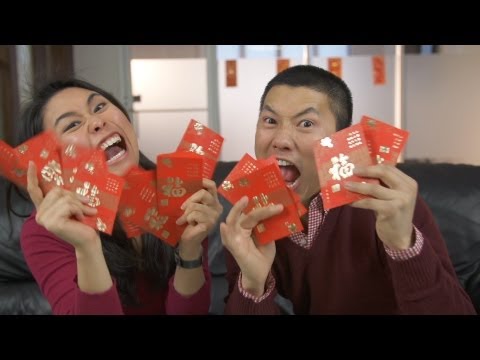
- On a mandarin Chuck it in a river
On a mandarin Chuck it in a river
Start a language from scratch (the natural way)

- And I can vouch for that because I have started from scratch in languages like Mandarin, in Japanese, in Arabic, in Persian, those were languages that were quite different from languages that I already knew and therefore I was totally starting from scratch.
And I can vouch for that because I have started from scratch in languages like Mandarin, in Japanese, in Arabic, in Persian, those were languages that were quite different from languages that I already knew and therefore I was totally starting from scratch.
- And I can vouch for that because I have started from scratch in languages like Mandarin, in Japanese, in Arabic, in Persian.
And I can vouch for that because I have started from scratch in languages like Mandarin, in Japanese, in Arabic, in Persian.
Speak English Fluently - How To Answer The Phone

- I also speak Mandarin because my mom is from Taiwan.
I also speak Mandarin because my mom is from Taiwan.
- My second language is Mandarin, and my third language is English.
My second language is Mandarin, and my third language is English.
Anne-Marie Imafidon: The former child genius reshaping the world of tech | BBC Ideas

- At one point, I did Greek lessons, I did Chinese lessons, Mandarin.
At one point, I did Greek lessons, I did Chinese lessons, Mandarin.
- Let's try that." At one point, I did Greek lessons, did Chinese lessons, like Mandarin.
Let's try that." At one point, I did Greek lessons, did Chinese lessons, like Mandarin.
Shipwreck Diving Adventure in Southern Taiwan | Let’s Go Diving!

- Here's a fun fact, the Hu in Mandarin means lake, but Ho Bi Hu is not a real lake.
Here's a fun fact, the Hu in Mandarin means lake, but Ho Bi Hu is not a real lake.
- Here's a fun fact: the Hou in Mandarin means lake,
Here's a fun fact: the Hou in Mandarin means lake,
A Different Side of Taipei & Northern Taiwan: Street Food & Tea Farm ??

- That is Cheng in Mandarin.
That is Cheng in Mandarin.
- That is, uh, Chang in Mandarin.
That is, uh, Chang in Mandarin.
Learn 10 phrases before traveling to USA

- But if your first language is Mandarin, Portuguese, French, etc., you can ask the same question in case you need help on the street.
But if your first language is Mandarin, Portuguese, French, etc., you can ask the same question in case you need help on the street.
- But if your first language is Mandarin, Portuguese, French, etc., you can ask the same question in case you need help on the street.
But if your first language is Mandarin, Portuguese, French, etc., you can ask the same question in case you need help on the street.
Why are American TikTok ‘refugees’ migrating to China’s RedNote ahead of possible US ban?

- In Mandarin Chinese, the app is called Xiaohongshu, meaning Little Red Book.
In Mandarin Chinese, the app is called Xiaohongshu, meaning Little Red Book.
- In Mandarin Chinese, the app is called Xiaohongshu, meaning "little red book." The industry has more recently started calling it RedNote.
In Mandarin Chinese, the app is called Xiaohongshu, meaning "little red book." The industry has more recently started calling it RedNote.
超級野火!最爛州長跟市長!毀掉洛杉磯!

- We're starting to see an influx of Mandarin or those from China.
We're starting to see an influx of Mandarin or those from China.
- We're starting to see is an influx of Mandarin or those from China.
We're starting to see is an influx of Mandarin or those from China.