Hydrolysis
US /haɪˈdrɑ:lɪsɪs/
・UK /haɪˈdrɒlɪsɪs/
A1
n. (u.)Uncountable NounChemical reaction in which water reacts with a compound to produce other compounds; involves the splitting of a bond and the addition of the hydrogen cation and the hydroxide anion from the water
Video subtitles
Peroxisomes Structure & Function
- What's really interesting is that in order for us to be able to take these very long-chain fatty acids and to do this process here to make these two molecules, we actually have to use water during the hydration or hydrolysis step.
What's really interesting is that in order for us to be able to take these very long-chain fatty acids and to do this process here to make these two molecules, we actually have to use water during the hydration or hydrolysis step.
- What's really interesting is that in order for us to be able to take these very long chain fatty acids and to do this process here to make these two molecules, we actually have to use water during the hydration or hydrolysis step.
What's really interesting is that in order for us to be able to take these very long chain fatty acids and to do this process here to make these two molecules, we actually have to use water during the hydration or hydrolysis step.
Polysaccharide
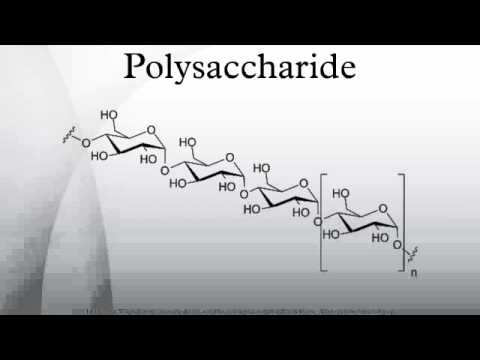
- Polysaccharides are polymeric carbohydrate molecules composed of long chains of monosaccharide units bound together by glycosidic linkages and on hydrolysis give the constituent monosaccharides or oligosaccharides.
Polysaccharides are polymeric carbohydrate molecules composed of long chains of monosaccharide units bound together by glycosidic linkages and on hydrolysis give the constituent monosaccharides or oligosaccharides.
- units bound together by glycosidic linkages and on hydrolysis give the constituent monosaccharides
units bound together by glycosidic linkages and on hydrolysis give the constituent monosaccharides
ATP & Respiration: Crash Course Biology #7
- By the way, when you use water to break down a compound like this, it's called hydrolysis, hydro from water and lysis from the Greek word for separate.
By the way, when you use water to break down a compound like this, it's called hydrolysis, hydro from water and lysis from the Greek word for separate.
We need to change how we bury the dead
- Another option is alkaline hydrolysis, where a body is put into a chamber which is then filled with water and lye, pressurized, and heated up to about 320 degrees Fahrenheit.
Another option is alkaline hydrolysis, where a body is put into a chamber which is then filled with water and lye, pressurized, and heated up to about 320 degrees Fahrenheit.