
after all
US /ˈæftɚ ɔl/
UK /ˈɑ:ftə ɔ:l/
- Adverb
- In spite of what was expected; used to introduce a statement that supports a previous statement or explains why it was made
- Considering everything; used to indicate that something is happening or is true despite some difficulty or obstacle
- Phrase
- Despite what was expected or thought; in spite of everything.
- Taking everything into consideration; considering that.
B1Morealong with
US /əˈlɔŋ wɪð/
UK /əˈlɔŋ wið/
- Preposition
- In addition to; together with.
- Adverb
- In company or together with someone or something.
- Including; in addition to.
A2Moreat least
US /æt list/
UK /æt li:st/
- Adverb
- As a minimum
- Not less than
- Phrase
- No less than; at the minimum
- Used to indicate that something is positive in a bad situation.
C2Moreat times
US /æt taɪmz/
UK /æt taɪmz/
- Phrase
- Sometimes; occasionally.
A1Moreback onto
US /bæk ˈɑntoʊ/
UK /bæk ˈɒntə/
- other
- To reverse a vehicle so it stops at a particular place.
B1Moreback then
US
UK
- Phrase
- At that time in the past.
A1Morebook bag
US
UK
- Countable Noun
- A bag used for carrying books, especially to school.
- A bag designed to hold books.
A1Morebright
US /braɪt/
UK /braɪt/
- Adjective
- Cheerful and happy (manner)
- (Of color) light and easy to see; vivid
A2Morebush
US /bʊʃ/
UK /bʊʃ/
- Noun
- A wooden plant that is smaller than a tree
A2Morecable
US /ˈkebəl/
UK /ˈkeɪbl/
- Transitive Verb
- To transmit a message over a wire
- Noun (Countable/Uncountable)
- Message sent by wireless telegraphy
- Satellite TV distributed by cables
B1Morecare of
US /kɛr ʌv/
UK /kɛə ɔv/
- Preposition
- Used in an address to indicate the person who will receive the mail for someone else.
A2Morechew
US /tʃu:/
UK /tʃu:/
- Verb (Transitive/Intransitive)
- To bite something many times without swallowing it
- Noun
- Act of biting something many times
B1Morechew up
US
UK
- Phrasal Verb
- To damage or destroy something by chewing it repeatedly.
- To defeat someone easily and completely.
A1Morechewed up
US
UK
- Phrasal Verb
- To damage or destroy something by chewing it repeatedly.
- To defeat someone easily and completely.
B1Morechuckle
US /ˈtʃʌkəl/
UK /ˈtʃʌkl/
- Intransitive Verb
- To laugh quietly, as when amused
- Noun
- Quiet amused laugh
B2Morecome back
US /kʌm bæk/
UK /kʌm bæk/
- Phrasal Verb
- To reply to someone, often forcefully
- To be remembered
A1Morecome up with
US /kʌm ʌp wɪð/
UK /kʌm ʌp wið/
- Phrasal Verb
- To think of an idea or solution; produce
A1Morecouch
US /kaʊtʃ/
UK /kaʊtʃ/
- Transitive Verb
- To formulate in a particular style or language
- Noun (Countable/Uncountable)
- Sofa; settee
B1Morecut off
US /kʌt ɔf/
UK /kʌt ɔf/
- Phrasal Verb
- To end a process, e.g. a phone call
- To cut the end of something
- Transitive Verb
- To isolate or prevent access to a place or person.
- To interrupt someone while they are speaking.
A1Moredo the trick
US /du ði trɪk/
UK /du: ðə trik/
- Idiom
- To solve a problem or achieve a desired result.
A1Moreexcept for
US /ɪkˈsɛpt fɔr/
UK /ikˈsept fɔ:/
- Preposition
- Not including; excluding.
exclaim
US /ɪkˈsklem/
UK /ɪkˈskleɪm/
- Intransitive Verb
- To say or shout something suddenly
B1Morefilthy
US /ˈfɪlθi/
UK /'fɪlθɪ/
- Adjective
- Being very rude (about sex, bodily functions)
- (E.g. of a joke) being extremely rude or impolite
B2Morefireplace
US /ˈfaɪrˌples/
UK /ˈfaɪəpleɪs/
- Noun
- Open area in a wall where a fire can be built
B2Morefist
US /fɪst/
UK /fɪst/
- Noun
- Tightly closed hand, as when you punch someone
B2Morefor one thing
US /fɔr wʌn θɪŋ/
UK /fɔ: wʌn θiŋ/
- Phrase
- Used to introduce a reason for something.
A1Morefound out
US
UK
- Phrasal Verb
- To learn or discover something, often after some effort.
- To become known; be revealed.
B2Moregive up
US /ɡɪv ʌp/
UK /ɡiv ʌp/
- Phrasal Verb
- To lose hope or admit defeat
- To decide to not start to try solving a problem
- Verb Phrase
- to surrender an item; hand over an item
A1Moregoing on
US /ˈɡoɪŋ ɑn/
UK /ˈgəʊɪŋ ɔn/
- Phrasal Verb
- To continue doing something
- To happen (usually negative)
A1Moregot to
US /ɡɑt tu/
UK /gɔt tu:/
- Verb (Transitive/Intransitive)
- To arrive at some place
- To have the opportunity or permission to do something
- Phrasal Verb
- To appeal to the emotions of; move
- To finally begin to start something after a delay
A1Moregrandma
US /ˈɡrændˌmɑ,/
UK /ˈgrænmɑ:/
- Noun
- Mother of your father or mother
B2Morehand on
US /hænd ɑn/
UK /hænd ɔn/
- Phrasal Verb
- To pass or transfer something physically to someone else.
- To pass or transfer knowledge, skills, or traditions to someone else.
A1Morehave to
US /hæv tu/
UK /ˈhæv tə/
- Auxiliary Verb
- Must do
A1Morehigh voice
US
UK
- Noun
- A voice with a high pitch or frequency.
- A voice suitable for singing soprano.
B1Morehit on
US /hɪt ɑn/
UK /hit ɔn/
- Phrasal Verb
- To discover an idea, etc. by chance
- To flirt with someone; to make a pass at someone.
A1Morehole
US /hol/
UK /həʊl/
- Noun (Countable/Uncountable)
- An empty space, as in the ground, in a sock etc.
- Fault or weakness in a plan, idea or explanation
- Transitive Verb
- (Golf) to get the ball into the hole
- To make a hole in something.
A2Morehome in
US /ˈhoʊm ɪn/
UK /ˈhəum ɪn/
- other
- Move or direct toward a specific target or goal.
B2Morehomeowner
US /ˈhomˌonɚ/
UK /ˈhəʊməʊnə(r)/
- Countable Noun
- Someone who owns a home
C2Morein one voice
US /ɪn wʌn vɔɪs/
UK /ɪn wʌn vɔɪs/
- other
- Speaking or agreeing with complete unity.
B2Morein shock
US
UK
- Phrase
- When not enough blood flows round the body
A2Morein the house
US
UK
- Phrase
- Located inside a building used as a dwelling.
- Within a legislative body, such as a parliament or congress.
A1Morein the middle of
US
UK
- Phrase
- In the central part or point of something.
- Engaged or occupied with something.
A2Morein time
US /ɪn taɪm/
UK /in taim/
- Adverb
- Eventually; after a period of time.
- Not late; with enough time to spare.
- Phrase
- Eventually; before it is too late.
- According to the scheduled time; punctual.
A1Moreinstrument
US /ˈɪnstrəmənt/
UK /'ɪnstrəmənt/
- Noun (Countable/Uncountable)
- Gauge for measuring something, e.g. temperature
- Legal document
A2TOEICMorejoin in
US /dʒɔɪn ɪn/
UK /dʒɔin in/
- Phrasal Verb
A1Morekeep from
US /kip frʌm/
UK /ki:p frɔm/
- Phrasal Verb
- To prevent someone from doing something
A1Morelazy
US /ˈlezi/
UK /ˈleɪzi/
- Adjective
- Not liking to work or make an effort; idle
A2Morelie
US /lai/
UK /laɪ/
- Intransitive Verb
- To be in a horizontal or flat position
- To say something that you know is not true
- Countable Noun
- An untrue statement, when you know it is not true
A2Moremama
US /ˈmɑmə/
UK /'mæmə/
- Noun
- A mother
B2Moremenace
US /ˈmɛnɪs/
UK /'menəs/
- Noun
- Something that threatens or is dangerous
- Transitive Verb
- To threaten or alarm someone
B2Moremiracle
US /ˈmɪrəkəl/
UK /'mɪrəkl/
- Noun (Countable/Uncountable)
- Amazing, seemingly impossible thing that happened
- A remarkable event or development that brings very welcome consequences.
B1Moremove to
US /muv tu/
UK /mu:v tu:/
- Phrasal Verb
- To change the place where you live or work.
- Verb (Transitive/Intransitive)
- To proceed to the next stage or action.
A2Morenephew
US /ˈnɛfju/
UK /ˈnefju:/
- Countable Noun
- Son of your brother or sister
B1Moreof a sudden
US
UK
- Phrase
- Quickly and unexpectedly; suddenly.
B2Moreof course
US /ʌv kɔː(r)s/
UK /ɔv kɔː(r)s/
- Adverb
- Sure ; Certainly
- Phrase
- For sure; certainly
A2Moreoff of
US /ɔf ʌv/
UK /ɔf ɔv/
- Preposition
- From a position on something; down from.
A1Moreoff the table
US
UK
- Phrase
- No longer being considered or discussed.
- Removed from the table.
A1Moreon earth
US /ɑn ɚθ/
UK /ɔn ə:θ/
- Phrase
- Used to emphasize a question expressing surprise or anger.
- Used to emphasize that something is not possible or will not happen.
A1Moreon the phone
US
UK
- Phrase
- Talking on the telephone.
- Adjective
- Using a phone, especially a mobile phone.
A1Moreon to
US /ɑn tu/
UK /ɔn tu:/
- Preposition
- Toward something; forward
- Aware of someone's activities.
- Adjective
- Aware of someone's deception or illegal activities.
A1Morepack up
US
UK
- Phrasal Verb
- To put things into boxes and take them home
A1Morepapa
US /ˈpɑpə,pəˈpɑ/
UK /pə'pɑ:/
- Noun
- Another word for father
B2Morepaw
US /pɔ/
UK /pɔ:/
- Countable Noun
- Foot of an animal that has claws like a dog or cat
- Transitive Verb
- To touch inappropriately, in a sexual way
B1Morepayment
US /ˈpemənt/
UK /ˈpeɪmənt/
- Noun
- Amount of money that is paid for something
A2TOEICMoreplant
US /plænt/
UK /plɑ:nt/
- Noun (Countable/Uncountable)
- Factory or a place where things are made
- Living thing with leaves and roots growing in soil
- Transitive Verb
- To firmly position something (in the ground)
- To put seeds, flowers, trees in the ground
A2TOEICMoreplant out
US /plænt aʊt/
UK /plɑːnt aʊt/
- other
- To transplant young plants into soil outdoors.
B2Moreplenty
US /ˈplɛnti/
UK /'plentɪ/
- Pronoun
- When there is not too little of something; a lot
- Uncountable Noun
- A large or sufficient amount or quantity; abundance.
- A lot of something
A2Moreplug up
US /plʌɡ ʌp/
UK /plʌɡ ʌp/
- Phrasal Verb
- To block something by filling it with something else.
A1Moreplywood
US /ˈplaɪˌwʊd/
UK /ˈplaɪwʊd/
- Uncountable Noun
- Building material made of layers of wood
- A sheet of this material.
C1Morerevenge
US /rɪˈvɛndʒ/
UK /rɪ'vendʒ/
- Noun (Countable/Uncountable)
- Getting back at someone by hurting them back
- Transitive Verb
- To inflict hurt or harm on someone for an injury or wrong done to oneself.
B1Morerun to
US /rʌn tu/
UK /rʌn tu:/
- Phrasal Verb
- To have enough money; be able to pay; afford
- To go to some place
A1Moreseal
US /sil/
UK /si:l/
- Transitive Verb
- To close tightly to protect it from leaking
- To close an envelop or package
- Noun
- Large fish-eating animal that lives on sea or land
- Official mark made in hot wax to close a document
B1Moresee about
US /si əˈbaʊt/
UK /si: əˈbaʊt/
- other
- To look into or arrange something.
B2Moreset about
US /sɛt əˈbaʊt/
UK /set əˈbaut/
- Phrasal Verb
- To begin or start to do something
A1Moreset to
US /sɛt tu/
UK /set tu:/
- Phrasal Verb
- To energetically begin to do, e.g. making a fire
A1Moresheet
US /ʃit/
UK /ʃi:t/
- Noun (Countable/Uncountable)
- Piece of cloth you put on the bed to sleep on
- Piece of thin flat metal, plastic or glass
A2Moresigh
US /saɪ/
UK /saɪ/
- Noun
- Breathing out to show boredom or disappointment
- Intransitive Verb
- To breathe out to show boredom or disappointment
A2Moresilly
US /ˈsɪli/
UK /'sɪlɪ/
- Adjective
- Careless
- Acting funny or playfully
A2Moresimultaneously
US /saɪməlˈtenɪəslɪ/
UK /ˌsɪməl'teɪnɪəslɪ/
- Adverb
- At the same time; all together
B2Moreslogan
US /ˈsloɡən/
UK /ˈsləʊgən/
- Noun
- Distinctive phrase used in political campaign, etc.
B2TOEICMorestool
US /stul/
UK /stu:l/
- Countable Noun
- Single seat without support for the arms or back
- Uncountable Noun
- Med. feces; excrement
B1Moresudden
US /ˈsʌdn/
UK /ˈsʌdn/
- Adjective
- Happening or done quickly or unexpectedly
B1Moresupply
US /səˈplaɪ/
UK /sə'plaɪ/
- Uncountable Noun
- Availability of products and services for use
- Transitive Verb
- To give or sell goods to others for their use
A2TOEICMoretake revenge
US
UK
- Transitive Verb
- To inflict harm in return for an injury or wrong done to oneself or another.
A1Morethe following
US
UK
- Adjective
- Next in order or sequence.
- Uncountable Noun
- What is about to be said or written.
B1Morethink of
US /θɪŋk ʌv/
UK /θiŋk ɔv/
- Phrasal Verb
- To look on as (being something specific); consider
- To consider or remember something.
- Verb (Transitive/Intransitive)
- To imagine or call something to mind
A1Morethrow in the towel
US /θroʊ ɪn ðə ˈtaʊəl/
UK /θrəu ɪn ðə ˈtaʊəl/
- other
- To admit defeat or give up.
B2Moreto no avail
US
UK
- Phrase
- Without success; having no effect.
A1Moretrick
US /trɪk/
UK /trɪk/
- Transitive Verb
- To fool someone in order to obtain a result
- To playfully tease or fool to make someone laugh
- Noun (Countable/Uncountable)
- Act of trying to fool someone
- Quick or skillful way of doing something
A2Moreturned out
US
UK
- Phrasal Verb
- To arrive for a public event or entertainment
- To happen to be in the end
- Transitive Verb
- To extinguish or switch off lights.
A1Moreuneasy
US /ʌnˈizi/
UK /ʌn'i:zɪ/
- Adjective
- Feeling worried, anxious or afraid about something
B1Morevolunteer
US /ˌvɑlənˈtɪr/
UK /ˌvɒlən'tɪə(r)/
- Adjective
- Working willingly without pay to help others
- Countable Noun
- Person who helps others without being paid
- A person who enters military service voluntarily.
B2TOEICMorewave
US /wev/
UK /weɪv/
- Noun (Countable/Uncountable)
- Movement of sound, air or energy
- Deep and strong emotion that is suddenly felt
- Verb (Transitive/Intransitive)
- To cause to move side to side or back and forth
A2More
Vocabulary
- chew up: To damage or destroy something by chewing it repeatedly.
- have to: Must do
- except for: Not including; excluding.
- in the house: Located inside a building used as a dwelling.
- at least: As a minimum
- turned out: To arrive for a public event or entertainment
- of a sudden: Quickly and unexpectedly; suddenly.
- in the middle of: In the central part or point of something.
- think of: To look on as (being something specific); consider
- hand on: To pass or transfer something physically to someone else.
- going on: To continue doing something
- of course: Sure ; Certainly
- join in
- high voice: A voice with a high pitch or frequency.
- for one thing: Used to introduce a reason for something.
- hit on: To discover an idea, etc. by chance
- back onto: To reverse a vehicle so it stops at a particular place.
- do the trick: To solve a problem or achieve a desired result.
- move to: To change the place where you live or work.
- pack up: To put things into boxes and take them home
- along with: In addition to; together with.
- found out: To learn or discover something, often after some effort.
- off of: From a position on something; down from.
- set about: To begin or start to do something
- care of: Used in an address to indicate the person who will receive the mail for someone else.
- plug up: To block something by filling it with something else.
- see about: To look into or arrange something.
- take revenge: To inflict harm in return for an injury or wrong done to oneself or another.
- on to: Toward something; forward
- set to: To energetically begin to do, e.g. making a fire
- book bag: A bag used for carrying books, especially to school.
- keep from: To prevent someone from doing something
- plant out: To transplant young plants into soil outdoors.
- in one voice: Speaking or agreeing with complete unity.
- to no avail: Without success; having no effect.
- after all: In spite of what was expected; used to introduce a statement that supports a previous statement or explains why it was made
- come up with: To think of an idea or solution; produce
- chewed up: To damage or destroy something by chewing it repeatedly.
- cut off: To end a process, e.g. a phone call
- off the table: No longer being considered or discussed.
- give up: To lose hope or admit defeat
- on the phone: Talking on the telephone.
- the following: Next in order or sequence.
- run to: To have enough money; be able to pay; afford
- home in: Move or direct toward a specific target or goal.
- in time: Eventually; after a period of time.
- come back: To reply to someone, often forcefully
- in shock: When not enough blood flows round the body
- got to: To arrive at some place
- throw in the towel: To admit defeat or give up.
- on earth: Used to emphasize a question expressing surprise or anger.
- at times: Sometimes; occasionally.
- back then: At that time in the past.
- trick: To fool someone in order to obtain a result
- simultaneously: At the same time; all together
- plenty: When there is not too little of something; a lot
- silly: Careless
- clever: Funny in a way that shows intelligence
- instrument: Gauge for measuring something, e.g. temperature
- filthy: Being very rude (about sex, bodily functions)
- seal: To close tightly to protect it from leaking
- sheet: Piece of cloth you put on the bed to sleep on
- revenge: Getting back at someone by hurting them back
- leave: To go away from; depart
- chew: To bite something many times without swallowing it
- piece: A counter in a board game
- volunteer: Working willingly without pay to help others
- sound: Sensible, dependable and reliable
- promise: To say you will certainly do something
- learn: To get knowledge or skills by study or experience
- miracle: Amazing, seemingly impossible thing that happened
- couch: To formulate in a particular style or language
- sudden: Happening or done quickly or unexpectedly
- stool: Single seat without support for the arms or back
- fist: Tightly closed hand, as when you punch someone
- bright: Cheerful and happy (manner)
- lie: To be in a horizontal or flat position
- plant: Factory or a place where things are made
- supply: Availability of products and services for use
- laugh: To make a happy sound when something is funny
- chuckle: To laugh quietly, as when amused
- bush: A wooden plant that is smaller than a tree
- know: To be familiar with a person or place, thing
- return: To hit something back to the other player or team
- think: To have an idea about something without certainty
- finally: used especially at the beginning of a sentence to introduce the last point or idea
- bore: To accept (responsibilities or duties)
- quiet: Hidden, or done in a private way
- paw: Foot of an animal that has claws like a dog or cat
- nephew: Son of your brother or sister
- begin: To do the first part of an action; to start
- wave: Movement of sound, air or energy
- live: To be alive
- cable: To transmit a message over a wire
- sigh: Breathing out to show boredom or disappointment
- hole: An empty space, as in the ground, in a sock etc.
- fireplace: Open area in a wall where a fire can be built
- menace: Something that threatens or is dangerous
- payment: Amount of money that is paid for something
- lazy: Not liking to work or make an effort; idle
- slogan: Distinctive phrase used in political campaign, etc.
- exclaim: To say or shout something suddenly
- uneasy: Feeling worried, anxious or afraid about something
- grandma: Mother of your father or mother
- plywood: Building material made of layers of wood
- homeowner: Someone who owns a home
- mama: A mother
- papa: Another word for father
Get the full experience in the app
Learn anywhere with detailed sentence and usage analysis
01:03
She took a brave step forward, leaving behind her comfort zone to chase her dreams.
Vocabulary
- brave
adj. Having courage
- comfort zone
phr. A familiar situation where one feels safe
Explanation
a brave step is a noun phrase, where brave is an adjective modifying the noun step, meaning "a courageous step".
forward is an adverb modifying step, meaning "ahead".
The whole phrase serves as the object, answering the "what" of took (verb) — she took a brave step forward.
Get the full experience in the app
Look up words anytime with pronunciation, part of speech, and usage
brave
US/brev/
UK/breɪv/
adj.Brave
v.t.To bravely face
A2 Elementary
Get the full experience in the app
Practice speaking anytime and get instant pronunciation feedback
Try this speaking exercise.
Try practicing with this sentence.
80
0
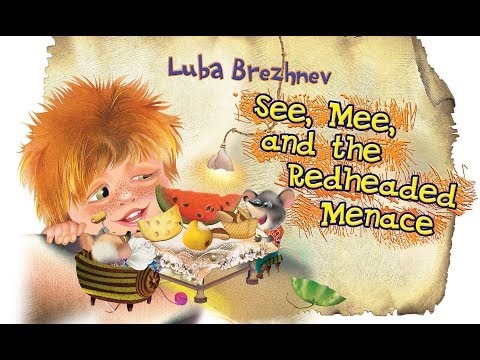
小葉子 posted on 2014/01/03Get ready for a heartwarming tale of friendship with the adorable Mouse Family and their twin mice! You'll love how music works its magic to bring everyone together in this sweet bedtime story, perfect for practicing simple sentence structures and everyday dialogue.
Learn this video on the APP!
The VoiceTube App has more in-depth practice for videos!