Vocabulary
- in general: Typically; usually; on the whole.
- such as: For example; like
- have to: Must do
- health benefits: Advantages provided by an employer or insurance plan related to healthcare, such as medical, dental, and vision coverage.
- on the fence: Undecided; wavering between two options.
- no matter: Regardless of; it does not matter.
- in fact: Used to emphasize the truth of a statement, especially one that contrasts with or contradicts something else.
- of choice: Indicating something is preferred or selected deliberately.
- sleep over: To stay at someone's house for the night.
- in detail: Thoroughly and completely; giving full particulars.
- the bottom line: The most important thing; the essential point.
- lead to: To result in some action
- for example: As an illustration or instance.
- trade in: To give something as part of the payment for something else.
- in the way: Obstructing someone or something; hindering progress.
- think of: To look on as (being something specific); consider
- as for: Concerning; regarding.
- of any kind: Of any type or variety whatsoever.
- sum up
- significant: Large enough to be noticed or have an effect
- evidence: Factual proof that helps to establish the truth
- impact: A striking effect or result to hit with force
- general: Widespread, normal or usual
- necessarily: In a way that is needed/required/is unavoidable
- exposure: Allowing light through a cameras lens onto film
- motivation: Reason behind why someone did something
- consumption: The act of buying and using products
- substance: Essence of; most basic or central qualities
- amount: Quantity of something
- demand: Desire customers have to buy product, service
- environment: Natural world in which plants and animals live
- suppose: To imagine or guess what might happen
- toxic: Poisonous; harmful
- method: (Organized and planned) way of doing something
- domestic: Someone paid to help with housework in your house
- quality: Feature associated with someone or something
- conventional: Following the common attitudes and practices
- absorb: To take up all attention / energy of something
- consensus: A decision that is shared by most of a group
- regular: Having an equal amount of space or time in between
- similar: Nearly the same; alike
- fraction: Small part of something
- synthetic: Not natural; made from artificial materials
- simply: In an easy or clear manner
- regulate: To control something with rules or laws
- resort: Act of choosing something to help with a problem
- risk: To do something potentially dangerous or foolish
- agriculture: The science of farming
- organic: Developing naturally and without a set structure
- certificate: Official paper accepted as proof of something
- ideology: Ideas or beliefs which form theory and policy
- analyze: To study carefully to find out the meaning of
- produce: Fresh foods such as fruits and vegetables
- ethical: Morally right; following principles of goodness
- criticize: To assess the work of others
- ensure: To make something sure, certain, or safe
- crop: Plants grown on a farm for food, e.g. corn or rice
- noble: Being admirable and honorable in character
- energy: Physical or mental strength
- animation: The process of creating moving images using drawings, computer graphics, or other techniques.
- depend: Be controlled or determined by (someone/something)
- important: Having power or authority
- fungus: Plant, e.g. mushroom/mold, growing in damp places
- learn: To get knowledge or skills by study or experience
- residue: Left over part after most is taken away
- lot: What happens to a person in life from chance; fate
- natural: Being as one would expect; being usual or normal
- rotation: Regular change of the crops grown in a field
- land: Region or country
- difference: A thing or issue that people do not agree about
- grow: To get bigger and more mature; make plants do this
- pesticide: A chemical substance used to kill pests
- contamination: Being impure because of a harmful agent
- compost: Dead plants, leaves or grass, used as fertilizer
- manure: Animal waste put on soil to help plants grow
- sulfur: Smelly yellow chemical often found near volcanoes
- toxicity: Quality or degree of being poisonous
- omega: Last letter in the greek alphabet
Get the full experience in the app
Learn anywhere with detailed sentence and usage analysis
01:03
She took a brave step forward, leaving behind her comfort zone to chase her dreams.
Vocabulary
- brave
adj. Having courage
- comfort zone
phr. A familiar situation where one feels safe
Explanation
a brave step is a noun phrase, where brave is an adjective modifying the noun step, meaning "a courageous step".
forward is an adverb modifying step, meaning "ahead".
The whole phrase serves as the object, answering the "what" of took (verb) — she took a brave step forward.
Get the full experience in the app
Look up words anytime with pronunciation, part of speech, and usage
brave
US/brev/
UK/breɪv/
adj.Brave
v.t.To bravely face
A2 Elementary
Get the full experience in the app
Practice speaking anytime and get instant pronunciation feedback
Try this speaking exercise.
Try practicing with this sentence.
80
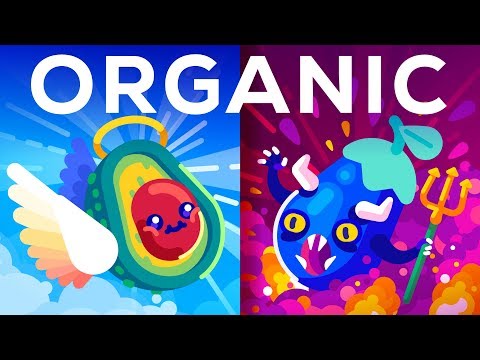
Is Organic Really Better? Healthy Food or Trendy Scam?
0
ally.chang posted on 2020/02/18Ever wondered if 'organic' is truly better or just a marketing buzzword? This video dives deep into the science behind organic food, exploring pesticide residues, nutritional differences, and environmental impacts, so you can make informed choices about what you eat!
Learn this video on the APP!
The VoiceTube App has more in-depth practice for videos!