
absorb
US /əbˈsɔrb, -ˈzɔrb/
UK /əb'sɔ:b/
- Transitive Verb
- To take up all attention / energy of something
- To take in a liquid; soak up
B1TOEICMoreagriculture
US /ˈæɡrɪˌkʌltʃɚ/
UK /ˈægrɪkʌltʃə(r)/
- Uncountable Noun
- The science of farming
- The study of farming and related sciences.
A2Moreanalyze
US /ˈænəˌlaɪz/
UK /'ænəlaɪz/
- Transitive Verb
- To study carefully to find out the meaning of
B1TOEICMoreanimation
US /ˌænəˈmeʃən/
UK /ˌænɪˈmeɪʃn/
- Uncountable Noun
- The process of creating moving images using drawings, computer graphics, or other techniques.
- Liveliness or energy in behavior or expression.
B2Moreas for
US /æz fɔr/
UK /æz fɔ:/
- Preposition
- Concerning; regarding.
- Phrase
- Used to introduce a new topic or aspect of a subject.
A1Morecertificate
US /sərˈtɪfɪkət/
UK /səˈtɪfɪkət/
- Noun (Countable/Uncountable)
- Official paper accepted as proof of something
B1Morecompost
US /ˈkɑmˌpost/
UK /'kɒmpɒst/
- Uncountable Noun
- Dead plants, leaves or grass, used as fertilizer
- Transitive Verb
- To make dead plants, leaves etc. into fertilizer
B2Moreconsensus
US /kənˈsɛnsəs/
UK /kənˈsensəs/
- Noun (Countable/Uncountable)
- A decision that is shared by most of a group
B1Moreconsumption
US /kənˈsʌmpʃən/
UK /kənˈsʌmpʃn/
- Noun (Countable/Uncountable)
- The act of buying and using products
- The act of using energy, food or materials; the amount used
B1Morecontamination
US /kənˌtæməˈneʃən/
UK /kənˌtæmɪ'neɪʃən/
- Uncountable Noun
- Being impure because of a harmful agent
B2Moreconventional
US /kənˈvɛnʃənəl/
UK /kən'venʃənl/
- Adjective
- Following the common attitudes and practices
- Non-nuclear
B2Morecriticize
US /ˈkrɪtɪˌsaɪz/
UK /ˈkrɪtɪsaɪz/
- Transitive Verb
- To assess the work of others
- To say that someone or something is bad
B1Morecrop
US /krɑp/
UK /krɒp/
- Noun (Countable/Uncountable)
- Plants grown on a farm for food, e.g. corn or rice
- Section of short, thick hair
- Transitive Verb
- To cut something to a shorter length or size
- To cut (something, especially hair) short.
B1Moredemand
US /dɪˈmænd/
UK /dɪ'mɑ:nd/
- Noun (Countable/Uncountable)
- Desire customers have to buy product, service
- A strong request for someone to do something
- Transitive Verb
- To strongly request someone to do something
- To need something.
A2TOEICMoredepend
US /dɪˈpend/
UK /dɪˈpend/
- Verb (Transitive/Intransitive)
- Be controlled or determined by (someone/something)
- To rely on someone or something for support, help, or existence.
B1TOEICMoredomestic
US /dəˈmɛstɪk/
UK /dəˈmestɪk/
- Noun
- Someone paid to help with housework in your house
- Adjective
- British informal fight between husband and wife
- Concerning your own home or house
A2TOEICMoreenergy
US /ˈɛnədʒi/
UK /'enədʒɪ/
- Noun (Countable/Uncountable)
- Physical or mental strength
- Enthusiasm and determination.
A2Moreensure
US /ɛnˈʃʊr/
UK /ɪn'ʃʊə(r)/
- Transitive Verb
- To make something sure, certain, or safe
A2TOEICMoreethical
US /ˈɛθɪkəl/
UK /ˈeθɪkl/
- Adjective
- Morally right; following principles of goodness
B1Moreexposure
US /ɪkˈspoʒɚ/
UK /ɪk'spəʊʒə(r)/
- Noun
- Allowing light through a cameras lens onto film
- Being talked about in the media
A2TOEICMorefor example
US
UK
- Phrase
- As an illustration or instance.
fraction
US /ˈfrækʃən/
UK /ˈfrækʃn/
- Noun (Countable/Uncountable)
- Small part of something
- A numerical quantity that is not a whole number (e.g., 1/2, 0.5).
B1TOEICMorefungus
US /ˈfʌŋɡəs/
UK /ˈfʌŋgəs/
- Noun (Countable/Uncountable)
- Plant, e.g. mushroom/mold, growing in damp places
B2Morehave to
US /hæv tu/
UK /ˈhæv tə/
- Auxiliary Verb
- Must do
A1Morehealth benefits
US
UK
- Noun (plural)
- Advantages provided by an employer or insurance plan related to healthcare, such as medical, dental, and vision coverage.
- Positive effects on one's physical or mental condition resulting from certain activities or lifestyle choices.
ideology
US /ˌaɪdiˈɑlədʒi, ˌɪdi-/
UK /ˌaɪdɪ'ɒlədʒɪ/
- Uncountable Noun
- Ideas or beliefs which form theory and policy
B1TOEICMoreimpact
US /ˈɪmˌpækt/
UK /'ɪmpækt/
- Noun
- A striking effect or result to hit with force
- Act or force of one thing hitting something else
- Verb (Transitive/Intransitive)
- To hit or strike someone or something with force
- To have a strong effect on someone or something.
A2TOEICMorein detail
US /ɪn dɪˈtel/
UK /in ˈdi:teil/
- Phrase
- Thoroughly and completely; giving full particulars.
A2Morein fact
US /ɪn fækt/
UK /in fækt/
- Adverb
- Used to emphasize the truth of a statement, especially one that contrasts with or contradicts something else.
- Used to introduce a more detailed or surprising piece of information.
- Phrase
- Used to emphasize the truth of a statement, especially one that is surprising or contrary to what might be expected.
C1Morein general
US /ɪn ˈdʒɛnərəl/
UK /in ˈdʒenərəl/
- Phrase
- Typically; usually; on the whole.
- Not specific or detailed; broadly.
- Adjective
- Not detailed or specific; overall.
C2Morein the way
US /ɪn ði we/
UK /in ðə wei/
- Phrase
- Obstructing someone or something; hindering progress.
- Stored or placed so as to be available or ready when needed.
A1Morelead to
US /lid tu/
UK /li:d tu:/
- Phrasal Verb
- To result in some action
- Verb (Transitive/Intransitive)
- To have something as a consequence or result.
A1Moremanure
US /məˈnʊr/
UK /məˈnjʊə(r)/
- Uncountable Noun
- Animal waste put on soil to help plants grow
- Transitive Verb
- To spread manure on the ground to help plants grow
B2Moremethod
US /ˈmɛθəd/
UK /'meθəd/
- Noun (Countable/Uncountable)
- (Organized and planned) way of doing something
- Orderliness of thought, arrangement, or behavior.
A2TOEICMoremotivation
US /ˌmotəˈveʃən/
UK /ˌməʊtɪ'veɪʃn/
- Uncountable Noun
- Reason behind why someone did something
- Enthusiasm for doing something.
B1TOEICMorenecessarily
US /ˌnɛsɪˈsɛrəli, -ˈsɛr-/
UK /ˌnesəˈserəli/
- Adverb
- In a way that is needed/required/is unavoidable
A2TOEICMoreno matter
US
UK
- Conjunction
- Regardless of; it does not matter.
- Adverb
- Regardless of; it is not important
A1Morenoble
US /'noʊbl/
UK /'nəʊbl/
- Adjective
- Being admirable and honorable in character
- Concerning or being a member a high social class
- Countable Noun
- Titled peer of the realm e.g. a lord, duke
B1Moreof any kind
US
UK
- Phrase
- Of any type or variety whatsoever.
- To any degree or extent.
A1Moreof choice
US /əv tʃɔɪs/
UK /əv tʃɔɪs/
- other
- Indicating something is preferred or selected deliberately.
B2Moreomega
US /oʊ'meɡə/
UK /'əʊmɪɡə/
- Noun
- Last letter in the greek alphabet
B2Moreon the fence
US /ɑn ði fɛns/
UK /ɔn ðə fens/
- Phrase
- Undecided; wavering between two options.
- Remaining neutral; not taking sides in a dispute.
A1Moreorganic
US /ɔrˈɡænɪk/
UK /ɔ:ˈgænɪk/
- Adjective
- Developing naturally and without a set structure
- Concerning food made with few or no chemicals
B1Morepesticide
US /ˈpɛstɪˌsaɪd/
UK /ˈpestɪsaɪd/
- Noun (Countable/Uncountable)
- A chemical substance used to kill pests
- The control or management of pesticides.
- Adjective
- Relating to or treated with a pesticide.
- Relating to or having the effect of a pesticide.
B2Morequality
US /ˈkwɑlɪti/
UK /'kwɒlətɪ/
- Noun (Countable/Uncountable)
- Feature associated with someone or something
- High level of worth or excellence
- Adjective
- Of a high standard
A2TOEICMoreregular
US /ˈrɛɡjəlɚ/
UK /ˈregjələ(r)/
- Adjective
- Having an equal amount of space or time in between
- Occurring or being done frequently
- Noun (Countable/Uncountable)
- Customers who frequently visit a place
- Soldier who has a permanent job in the army
A2TOEICMoreregulate
US /ˈrɛɡjəˌlet/
UK /ˈregjuleɪt/
- Transitive Verb
- To control something with rules or laws
- To set/adjust (a clock, etc.); restrict motion in
A2TOEICMoreresidue
US /ˈrezɪdu:/
UK /ˈrezɪdju:/
- Noun (Countable/Uncountable)
- Left over part after most is taken away
B2Moreresort
US /rɪ'zɔ:rt/
UK /rɪ'zɔ:t/
- Noun
- Act of choosing something to help with a problem
- Vacation hotel or complex; area for holidays
B1TOEICMorerotation
US /roʊˈteɪʃn/
UK /rəʊˈteɪʃn/
- Uncountable Noun
- Regular change of the crops grown in a field
- Group who take turns performing a certain task
B2Moresignificant
US /sɪɡˈnɪfɪkənt/
UK /sɪgˈnɪfɪkənt/
- Adjective
- Large enough to be noticed or have an effect
- Having meaning; important; noticeable
A2TOEICMoresleep over
US /slip ˈovɚ/
UK /sli:p ˈəuvə/
- Phrasal Verb
- To stay at someone's house for the night.
A1Moresubstance
US /ˈsʌbstəns/
UK /'sʌbstəns/
- Uncountable Noun
- Essence of; most basic or central qualities
- Particular type of material
A2Moresuch as
US /sʌtʃ æz/
UK /sʌtʃ æz/
- Preposition
- For example; like
A1Moresulfur
US /ˈsʌlfɚ/
UK /'sʌlfə/
- Uncountable Noun
- Smelly yellow chemical often found near volcanoes
C2Moresum up
US
UK
- Phrase
- Phrasal Verb
- To state the main points of (something) in a concise way.
A2Moresuppose
US /səˈpoʊz/
UK /sə'pəʊz/
- Verb (Transitive/Intransitive)
- To imagine or guess what might happen
- Conjunction
- What if
A2TOEICMoresynthetic
US /sɪnˈθɛtɪk/
UK /sɪnˈθetɪk/
- Adjective
- Not natural; made from artificial materials
B2Morethe bottom line
US /ði ˈbɑtəm laɪn/
UK /ðə ˈbɔtəm lain/
- Noun
- The most important thing; the essential point.
- The net income or profit of a company.
A2Morethink of
US /θɪŋk ʌv/
UK /θiŋk ɔv/
- Phrasal Verb
- To look on as (being something specific); consider
- To consider or remember something.
- Verb (Transitive/Intransitive)
- To imagine or call something to mind
A1Moretoxic
US /ˈtɑksɪk/
UK /ˈtɒksɪk/
- Adjective
- Poisonous; harmful
- (Of relationships) harmful; causing conflict
B2Moretoxicity
US /tɑ:kˈsɪsəti/
UK /tɒkˈsɪsəti/
- Uncountable Noun
- Quality or degree of being poisonous
B2Moretrade in
US /treid ɪn/
UK /treid in/
- Phrasal Verb
- To give something as part of the payment for something else.
B1More
Vocabulary
- in general: Typically; usually; on the whole.
- such as: For example; like
- have to: Must do
- health benefits: Advantages provided by an employer or insurance plan related to healthcare, such as medical, dental, and vision coverage.
- on the fence: Undecided; wavering between two options.
- no matter: Regardless of; it does not matter.
- in fact: Used to emphasize the truth of a statement, especially one that contrasts with or contradicts something else.
- of choice: Indicating something is preferred or selected deliberately.
- sleep over: To stay at someone's house for the night.
- in detail: Thoroughly and completely; giving full particulars.
- the bottom line: The most important thing; the essential point.
- lead to: To result in some action
- for example: As an illustration or instance.
- trade in: To give something as part of the payment for something else.
- in the way: Obstructing someone or something; hindering progress.
- think of: To look on as (being something specific); consider
- as for: Concerning; regarding.
- of any kind: Of any type or variety whatsoever.
- sum up
- significant: Large enough to be noticed or have an effect
- evidence: Factual proof that helps to establish the truth
- impact: A striking effect or result to hit with force
- general: Widespread, normal or usual
- necessarily: In a way that is needed/required/is unavoidable
- exposure: Allowing light through a cameras lens onto film
- motivation: Reason behind why someone did something
- consumption: The act of buying and using products
- substance: Essence of; most basic or central qualities
- amount: Quantity of something
- demand: Desire customers have to buy product, service
- environment: Natural world in which plants and animals live
- suppose: To imagine or guess what might happen
- toxic: Poisonous; harmful
- method: (Organized and planned) way of doing something
- domestic: Someone paid to help with housework in your house
- quality: Feature associated with someone or something
- conventional: Following the common attitudes and practices
- absorb: To take up all attention / energy of something
- consensus: A decision that is shared by most of a group
- regular: Having an equal amount of space or time in between
- similar: Nearly the same; alike
- fraction: Small part of something
- synthetic: Not natural; made from artificial materials
- simply: In an easy or clear manner
- regulate: To control something with rules or laws
- resort: Act of choosing something to help with a problem
- risk: To do something potentially dangerous or foolish
- agriculture: The science of farming
- organic: Developing naturally and without a set structure
- certificate: Official paper accepted as proof of something
- ideology: Ideas or beliefs which form theory and policy
- analyze: To study carefully to find out the meaning of
- produce: Fresh foods such as fruits and vegetables
- ethical: Morally right; following principles of goodness
- criticize: To assess the work of others
- ensure: To make something sure, certain, or safe
- crop: Plants grown on a farm for food, e.g. corn or rice
- noble: Being admirable and honorable in character
- energy: Physical or mental strength
- animation: The process of creating moving images using drawings, computer graphics, or other techniques.
- depend: Be controlled or determined by (someone/something)
- important: Having power or authority
- fungus: Plant, e.g. mushroom/mold, growing in damp places
- learn: To get knowledge or skills by study or experience
- residue: Left over part after most is taken away
- lot: What happens to a person in life from chance; fate
- natural: Being as one would expect; being usual or normal
- rotation: Regular change of the crops grown in a field
- land: Region or country
- difference: A thing or issue that people do not agree about
- grow: To get bigger and more mature; make plants do this
- pesticide: A chemical substance used to kill pests
- contamination: Being impure because of a harmful agent
- compost: Dead plants, leaves or grass, used as fertilizer
- manure: Animal waste put on soil to help plants grow
- sulfur: Smelly yellow chemical often found near volcanoes
- toxicity: Quality or degree of being poisonous
- omega: Last letter in the greek alphabet
Get the full experience in the app
Learn anywhere with detailed sentence and usage analysis
01:03
She took a brave step forward, leaving behind her comfort zone to chase her dreams.
Vocabulary
- brave
adj. Having courage
- comfort zone
phr. A familiar situation where one feels safe
Explanation
a brave step is a noun phrase, where brave is an adjective modifying the noun step, meaning "a courageous step".
forward is an adverb modifying step, meaning "ahead".
The whole phrase serves as the object, answering the "what" of took (verb) — she took a brave step forward.
Get the full experience in the app
Look up words anytime with pronunciation, part of speech, and usage
brave
US/brev/
UK/breɪv/
adj.Brave
v.t.To bravely face
A2 Elementary
Get the full experience in the app
Practice speaking anytime and get instant pronunciation feedback
Try this speaking exercise.
Try practicing with this sentence.
80
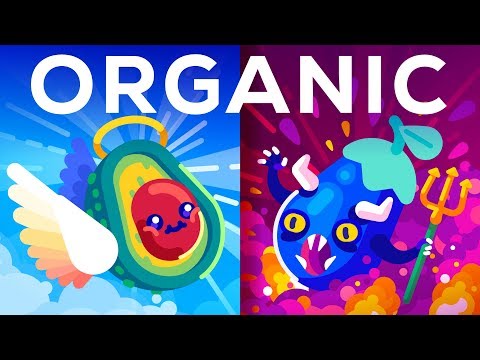
Is Organic Really Better? Healthy Food or Trendy Scam?
0
ally.chang posted on 2020/02/18Ever wondered if 'organic' is truly better or just a marketing buzzword? This video dives deep into the science behind organic food, exploring pesticide residues, nutritional differences, and environmental impacts, so you can make informed choices about what you eat!
Learn this video on the APP!
The VoiceTube App has more in-depth practice for videos!