
accessible
US /ækˈsɛsəbəl/
UK /əkˈsesəbl/
- Adjective
- Able to be entered, reached or used
- Easy to understand.
A2Moreas with
US /æz wɪð/
UK /æz wið/
- Preposition
- In the same way that something happens or is true of something else.
A1Moreat least
US /æt list/
UK /æt li:st/
- Adverb
- As a minimum
- Not less than
- Phrase
- No less than; at the minimum
- Used to indicate that something is positive in a bad situation.
C2Moreavoid
US /əˈvɔɪd/
UK /ə'vɔɪd/
- Transitive Verb
- To prevent from happening
- To stay away from
A2TOEICMorebuildup
US /'bɪldˌʌp/
UK /'bɪldˌʌp/
- Noun
- Making people feel excited about some new event
C2Morebusy streets
US
UK
- Phrase
- Streets filled with a lot of activity, traffic, and people.
A1Morecalm
US /kɑm/
UK /kɑ:m/
- Adjective
- Without wind or storm; quiet; peaceful
- Relaxed and not worried or angry
- Verb (Transitive/Intransitive)
- To make or become relaxed and not worried or angry
A2Morecontact
US /ˈkɑnˌtækt/
UK /'kɒntækt/
- Adjective
- Touching or feeling something
- Noun (Countable/Uncountable)
- Touching or feeling something
- Object that allows electricity to run through it
A2Moredifferentiate
US /ˌdɪfəˈrɛnʃiˌet/
UK /ˌdɪfə'renʃɪeɪt/
- Verb (Transitive/Intransitive)
- To see or show how things are not the same
- Become distinct or specialized.
B1Moredisease
US /dɪˈziz/
UK /dɪˈzi:z/
- Noun (Countable/Uncountable)
- Illness that affects a person, animal, or plant
- A disorder of structure or function in a plant, especially one caused by a pathogen.
- Transitive Verb
- To affect with disease; to corrupt or sicken.
A2TOEICMoredistinct
US /dɪˈstɪŋkt/
UK /dɪˈstɪŋkt/
- Adjective
- Clearly different in nature from something else
- Clearly noticeable; easily perceived.
A2Moreetiquette
US /ˈɛtɪˌkɛt, -kɪt/
UK /ˈetɪket/
- Uncountable Noun
- Rules regarding manners or good behavior
B2Moreexpert
US /ˈɛkˌspɚt/
UK /'ekspɜ:t/
- Countable Noun
- Skillful person with special knowledge
- Adjective
- Having special knowledge or skill
A2TOEICMoreextra
US /'ekstrə/
UK /'ekstrə/
- Adjective
- More than necessary; additional
- Of especially good quality or grade.
- Noun (Countable/Uncountable)
- Items more than you need; additional items
- Person who has a small part in a movie
A2Morefaucet
US /ˈfɔsɪt/
UK /ˈfɔ:sɪt/
- Noun
- Tap; device for controlling the flow of water
C2Morefever
US /ˈfivɚ/
UK /'fi:və(r)/
- Noun (Countable/Uncountable)
- A high body temperature, indicating illness
- State of excited emotion or activity
- Transitive Verb
- To cause to have a fever.
B1Morefrequently
US /ˈfrikwəntlɪ/
UK /ˈfri:kwəntli/
- Adverb
- Often; regularly
- Repeatedly or many times.
A2TOEICMorein order to
US /ɪn ˈɔrdɚ tu/
UK /in ˈɔ:də tu:/
- Preposition
- For the purpose of; with the aim of.
- Phrase
- In a specific sequence or arrangement.
- With the aim of; for the purpose of.
C1Morein particular
US /ɪn pɚˈtɪkjəlɚ/
UK /in pəˈtikjulə/
- Phrase
- Specifically; especially.
- Detailed or precise.
A1Morein the past
US
UK
- Phrase
- During a former period of time; previously.
A1Moreinfect
US /ɪnˈfɛkt/
UK /ɪn'fekt/
- Transitive Verb
- To introduce a computer virus to
- To give a disease, bacteria or virus to
B1Moreinfection
US /ɪnˈfɛkʃən/
UK /ɪnˈfekʃn/
- Noun
- (Computers) Having a computer virus
- Making or becoming sick with a bacteria/virus
A2Moreinstead of
US /ɪnˈstɛd ʌv/
UK /inˈsted ɔv/
- Preposition
- When one thing is replaced by another
- Adverb
- As a substitute or alternative.
A1Morelight on
US /laɪt ɑn/
UK /lait ɔn/
- Phrasal Verb
- To illuminate something.
- To discover something unexpectedly.
- Adjective
- Gentle or delicate in the use of something.
A1Moremask
US /mæsk/
UK /mɑ:sk/
- Transitive Verb
- To hide something so that it cannot be seen
- To hide something so that it cannot be seen
- Noun (Countable/Uncountable)
- Covering to hide or disguise the face
- Way of pretending to behave that is not real
B1Morepoultry
US /ˈpoʊltri/
UK /ˈpəʊltri/
- Noun (Countable/Uncountable)
- Birds such as chickens, ducks, geese etc.
- Uncountable Noun
- The meat of domesticated birds, used as food.
B2Moreprevent
US /prɪˈvɛnt/
UK /prɪ'vent/
- Transitive Verb
- To stop something from happening or existing
A2TOEICMorerespiratory
US /ˈrɛspərəˌtɔri, -ˌtori, rɪˈspaɪrə-/
UK /ˈrespərəˌtɔ:ri:, -ˌtəʊri:, rɪˈspaɪərə-/
- Adjective
- (Medical) concerning breathing
- Having the function of respiration.
- Noun
- The branch of medicine concerned with the organs of respiration.
- The system of organs involved in breathing.
C1Moreresult
US /rɪˈzʌlt/
UK /rɪ'zʌlt/
- Noun
- Something produced through tests or experiments
- Final score of a competition, election or game
- Intransitive Verb
- To be the outcome of other causes and effects
- To happen or exist as a consequence of something.
A2Moreslightly
US /ˈslaɪtli/
UK /ˈslaɪtli/
- Adverb
- Only a little
B1Moresneeze
US /sniz/
UK /sni:z/
- Noun
- Act of air suddenly being forced out of nose/mouth
- Intransitive Verb
- To suddenly force air out of nose/mouth
B1Morespread
US /sprɛd/
UK /spred/
- Noun (Countable/Uncountable)
- A big meal, often laid out as a buffet
- The distance between two things
- Verb (Transitive/Intransitive)
- To place over a large area; to cover a large area
- (Of ideas, gossip) to pass to and affect others
A2TOEICMorestep to
US
UK
- Phrasal Verb
- To approach someone or something, often with a specific purpose.
- To challenge or confront someone, often aggressively.
A1Morestruggle
US /ˈstrʌɡəl/
UK /'strʌɡl/
- Verb (Transitive/Intransitive)
- To try very hard to do something difficult
- To fight or struggle violently
- Noun (Countable/Uncountable)
- Strong efforts made to do something difficult
- A difficult or challenging situation or task
A2Moresuch as
US /sʌtʃ æz/
UK /sʌtʃ æz/
- Preposition
- For example; like
A1Moretypical
US /ˈtɪpɪkəl/
UK /ˈtɪpɪkl/
- Adjective
- Normal; usual; expected
- Serving as a representative example of a particular type.
A2Morevirus
US /ˈvaɪrəs/
UK /'vaɪrəs/
- Noun
- File secretly put on computers to cause harm
- Living organism that causes disease or sickness
B1More
Vocabulary
- in order to: For the purpose of; with the aim of.
- light on: To illuminate something.
- as with: In the same way that something happens or is true of something else.
- in the past: During a former period of time; previously.
- instead of: When one thing is replaced by another
- at least: As a minimum
- busy streets: Streets filled with a lot of activity, traffic, and people.
- step to: To approach someone or something, often with a specific purpose.
- in particular: Specifically; especially.
- such as: For example; like
- struggle: To try very hard to do something difficult
- slightly: Only a little
- effective: Working efficiently to produce a desired result
- distinct: Clearly different in nature from something else
- develop: To explain something in steps and in detail
- respiratory: (Medical) concerning breathing
- disease: Illness that affects a person, animal, or plant
- spread: A big meal, often laid out as a buffet
- increase: To make or become larger in size or amount
- prevent: To stop something from happening or existing
- expert: Skillful person with special knowledge
- contract: To become ill as a result of getting a disease
- calm: Without wind or storm; quiet; peaceful
- accessible: Able to be entered, reached or used
- etiquette: Rules regarding manners or good behavior
- avoid: To prevent from happening
- contact: Touching or feeling something
- typical: Normal; usual; expected
- result: Something produced through tests or experiments
- extra: More than necessary; additional
- mucus: Thick liquid substance made in certain parts of the human body, such as the nose
- frequently: Often; regularly
- infection: (Computers) Having a computer virus
- coronavirus: Any of a group of RNA viruses that cause a variety of diseases in humans and other animals.
- sign: Indication that something exists or will happen
- order: Religious or social group, as of nuns
- catch: Amount of something that has been caught
- fever: A high body temperature, indicating illness
- basic: At the most important or easiest (beginner) level
- virus: File secretly put on computers to cause harm
- faucet: Tap; device for controlling the flow of water
- step: Movement done as part of a particular dance
- sneeze: Act of air suddenly being forced out of nose/mouth
- wear: To have clothes, glasses, shoes etc. on your body
- poultry: Birds such as chickens, ducks, geese etc.
- include: To make someone, something part of a group
- differentiate: To see or show how things are not the same
- quick: Using very little time; moving far in little time
- part: Division of a book
- infect: To introduce a computer virus to
- mask: To hide something so that it cannot be seen
- buildup: Making people feel excited about some new event
Get the full experience in the app
Learn anywhere with detailed sentence and usage analysis
01:03
She took a brave step forward, leaving behind her comfort zone to chase her dreams.
Vocabulary
- brave
adj. Having courage
- comfort zone
phr. A familiar situation where one feels safe
Explanation
a brave step is a noun phrase, where brave is an adjective modifying the noun step, meaning "a courageous step".
forward is an adverb modifying step, meaning "ahead".
The whole phrase serves as the object, answering the "what" of took (verb) — she took a brave step forward.
Get the full experience in the app
Look up words anytime with pronunciation, part of speech, and usage
brave
US/brev/
UK/breɪv/
adj.Brave
v.t.To bravely face
A2 Elementary
Get the full experience in the app
Practice speaking anytime and get instant pronunciation feedback
Try this speaking exercise.
Try practicing with this sentence.
80
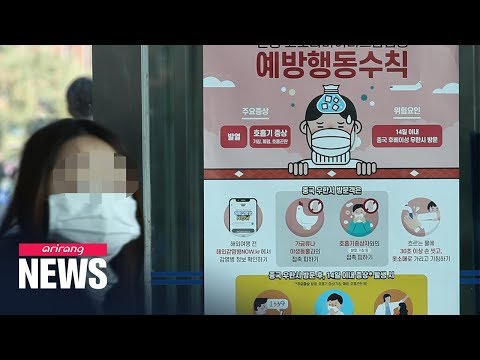
Coronavirus symptoms and ways to avoid catching virus
0
Mayu Okuuchi posted on 2020/02/04Worried about staying healthy? This Arirang News segment with Kim Bo-gyeong breaks down the latest on coronavirus symptoms and practical ways to avoid infection, like proper handwashing techniques! You'll pick up essential vocabulary for health advisories and learn simple sentence structures to discuss these important topics.
Learn this video on the APP!
The VoiceTube App has more in-depth practice for videos!