
advantage
US /ædˈvæntɪdʒ/
UK /əd'vɑ:ntɪdʒ/
- Noun (Countable/Uncountable)
- Thing making the chance of success higher
- A positive point about something
- Transitive Verb
- To make use of something, especially to further one's own position; exploit.
A2TOEICMoreadvice
US /əd'vaɪs/
UK /ədˈvaɪs/
- Uncountable Noun
- Suggestion about what would help someone
- Professional guidance from a lawyer or legal expert.
A2TOEICMoreanswer to
US
UK
- Phrasal Verb
- To be responsible to someone and have to explain your actions to them.
- To correspond to or match a description or requirement.
A1Moreas well as
US /æz wɛl æz/
UK /æz wel æz/
- Adverb
- Also; in addition to
- Preposition
- In addition to; and also.
A1Moreavoid
US /əˈvɔɪd/
UK /ə'vɔɪd/
- Transitive Verb
- To prevent from happening
- To stay away from
A2TOEICMorebased on
US
UK
- Phrasal Verb
- To use something as the foundation or starting point for something else.
- Preposition
- Using something as the main idea or foundation.
- Relying on something as evidence or justification.
A1Morecheat
US /tʃit/
UK /tʃi:t/
- Verb (Transitive/Intransitive)
- To be unfaithful to (your wife, boyfriend etc.)
- To escape death or harm, through luck or skill
- Noun (Countable/Uncountable)
- One who is unfaithful to their wife, partner etc.
- One who lies or breaks rules to get what they want
B1Moreclaim
US /klem/
UK /kleɪm/
- Noun (Countable/Uncountable)
- To say that something is true, often without proof.
- A statement that something is true.
- Transitive Verb
- To demand or ask for something that you believe is rightfully yours.
- To take or cause the loss of (e.g., a life, property).
A2Morecompetition
US /ˌkɑmpɪˈtɪʃən/
UK /ˌkɒmpəˈtɪʃn/
- Noun (Countable/Uncountable)
- Fighting against others to win something
- A situation in which people or organizations compete with each other for something that not everyone can have.
A2Moreconcentrate
US /ˈkɑnsənˌtret/
UK /'kɒnsntreɪt/
- Verb (Transitive/Intransitive)
- To cause to be present in large amount or number
- To pay great attention to a task; focus
- Noun (Countable/Uncountable)
- A substance made by removing water or other diluents; a concentrated form of something.
A2Moreconversation
US /ˌkɑnvɚˈseʃən/
UK /ˌkɒnvəˈseɪʃn/
- Uncountable Noun
- Talking with other people; discussion or chat
- General communication or interaction.
A2Morecooperate
US /koˈɑpəˌret/
UK /kəʊ'ɒpəreɪt/
- Verb (Transitive/Intransitive)
- To work together with, to assist someone
B1Morecooperation
US /koˌɑpəˈreʃən/
UK /kəʊˌɒpəˈreɪʃn/
- Uncountable Noun
- Working together to get something done
- Willingness to help or do what someone asks.
B1Moredeceive
US /dɪˈsiv/
UK /dɪ'si:v/
- Transitive Verb
- To make someone believe something that is not true
B1Moredemonstrate
US /ˈdɛmənˌstret/
UK /'demənstreɪt/
- Verb (Transitive/Intransitive)
- To display a feeling or ability openly
- To protest about something often as a group
A2TOEICMoredishonest
US /dɪsˈɑnɪst/
UK /dɪsˈɒnɪst/
- Adjective
- Likely to steal or lie; deceitful; corrupt
B2Moredrop away
US /drɑp əˈweɪ/
UK /drɒp əˈweɪ/
- other
- To gradually diminish in number or intensity.
B2Moreemotional
US /ɪˈmoʃənəl/
UK /ɪˈməʊʃənl/
- Adjective
- Causing, feeling, or appealing to the emotions
- Relating to or characterized by emotion
A2Moreessential
US /ɪˈsɛnʃəl/
UK /ɪ'senʃl/
- Adjective
- Extremely or most important and necessary
- Fundamental; basic.
- Noun
- A concentrated hydrophobic liquid containing volatile aroma compounds from plants.
B1TOEICMorefascinating
US /ˈfæsəˌnetɪŋ/
UK /ˈfæsɪneɪtɪŋ/
- Transitive Verb
- To attract or interest greatly
- To hold someone captive with a gaze or other means.
- Adjective
- Having your attention fixated as though by a spell
B1Morefib
US /fɪb/
UK /fɪb/
- Intransitive Verb
- To tell a small lie
- Noun
- A small lie
C2Morehold on
US /hold ɑn/
UK /həuld ɔn/
- Phrasal Verb
- To wait for someone (e.g. on a phone call)
- To wait for a short time.
A1Morein general
US /ɪn ˈdʒɛnərəl/
UK /in ˈdʒenərəl/
- Phrase
- Typically; usually; on the whole.
- Not specific or detailed; broadly.
- Adjective
- Not detailed or specific; overall.
C2Morein the world
US /ɪn ði wɜrld/
UK /in ðə wɜː(r)ld/
- Phrase
- Used to emphasize a question expressing surprise, confusion, disbelief
- Used to indicate the extent or degree of something, often in a superlative sense
A1Moreinformal
US /ɪnˈfɔrməl/
UK /inˈfɔ:məl/
- Adjective
- Casual; relaxed
- Not official; not done by the rules
B1TOEICMorejudge
US /dʒʌdʒ/
UK /dʒʌdʒ/
- Noun (Countable/Uncountable)
- Person who decides on the results of a contest
- Person who has the power to make a decision
- Verb (Transitive/Intransitive)
- To reach a decision about who won a contest
- To form an opinion after careful consideration
A2TOEICMorelatency
US /ˈletn:si/
UK /'leɪtənsɪ/
- Uncountable Noun
- State of being not yet evident or active
B2Morelisten out
US
UK
- Phrasal Verb
- To pay attention in order to hear a particular sound.
A1Moreopinion
US /əˈpɪnjən/
UK /əˈpɪnjən/
- Noun
- Court judge's statement why a decision was made
- A person's thoughts on a topic
A2TOEICMorepork
US /pɔ:rk/
UK /pɔ:k/
- Uncountable Noun
- Meat of a pig, used for food
B2Morepsychologist
US /saɪˈkɑlədʒɪst/
UK /saɪˈkɒlədʒɪst/
- Noun (Countable/Uncountable)
- An expert who studies the mind and behavior
- A therapist specializing in mental health.
C2Morepsychology
US /saɪˈkɑlədʒi/
UK /saɪ'kɒlədʒɪ/
- Uncountable Noun
- The study of the mind and how it affects behavior
- Way in which a person or group thinks and behaves
C2Morerecap
US /riˈkæp/
UK /'ri:kæp/
- Noun
- Brief description of something that had been said
- Transitive Verb
- To describe or summarize the main points
C1TOEICMoreresponse
US /rɪˈspɑns/
UK /riˈspɔns/
- Noun
- Something said/written as an answer to something
- Reaction to something that has occurred
A2TOEICMoreshuffle
US /ˈʃʌfəl/
UK /'ʃʌfl/
- Transitive Verb
- To change the order of items/people in a group
B2Morestimulus
US /ˈstɪmjələs/
UK /ˈstɪmjələs/
- Noun
- Something that causes a change
B2Moresuch as
US /sʌtʃ æz/
UK /sʌtʃ æz/
- Preposition
- For example; like
A1Moresummary
US /ˈsʌməri/
UK /ˈsʌməri/
- Adjective
- Brief, complete and accurate
- Noun
- Shorter statement of the most important parts
B1Moretalking about
US
UK
- Phrasal Verb
- To discuss a particular topic.
- To be constantly mentioning or bringing up a subject.
A1Moretend
US /tɛnd/
UK /tend/
- Intransitive Verb
- To move or act in a certain manner
- Transitive Verb
- To take care of
A2Morethink of
US /θɪŋk ʌv/
UK /θiŋk ɔv/
- Phrasal Verb
- To look on as (being something specific); consider
- To consider or remember something.
- Verb (Transitive/Intransitive)
- To imagine or call something to mind
A1Moretrick
US /trɪk/
UK /trɪk/
- Transitive Verb
- To fool someone in order to obtain a result
- To playfully tease or fool to make someone laugh
- Noun (Countable/Uncountable)
- Act of trying to fool someone
- Quick or skillful way of doing something
A2Moreupset
US /ʌpˈsɛt/
UK /ʌpˈset/
- Adjective
- (Of stomach, etc.) not functioning well; sick
- Troubled, worried, or angry
- Transitive Verb
- To turn upside down or on its side
- To trouble, worry, or anger someone
A2Morevocabulary
US /voˈkæbjəˌlɛri/
UK /və'kæbjələrɪ/
- Uncountable Noun
- Words that have to do with a particular subject
- The words that a person knows
B1TOEICMore
Vocabulary
- talking about: To discuss a particular topic.
- in the world: Used to emphasize a question expressing surprise, confusion, disbelief
- hold on: To wait for someone (e.g. on a phone call)
- based on: To use something as the foundation or starting point for something else.
- think of: To look on as (being something specific); consider
- such as: For example; like
- in general: Typically; usually; on the whole.
- drop away: To gradually diminish in number or intensity.
- listen out: To pay attention in order to hear a particular sound.
- answer to: To be responsible to someone and have to explain your actions to them.
- as well as: Also; in addition to
- essential: Extremely or most important and necessary
- recap: Brief description of something that had been said
- demonstrate: To display a feeling or ability openly
- fascinating: To attract or interest greatly
- term: Conditions applying to an agreement, contract
- vocabulary: Words that have to do with a particular subject
- trick: To fool someone in order to obtain a result
- tend: To move or act in a certain manner
- advantage: Thing making the chance of success higher
- conversation: Talking with other people; discussion or chat
- claim: To say that something is true, often without proof.
- describe: To tell the appearance, sound, smell of something
- emotional: Causing, feeling, or appealing to the emotions
- psychology: The study of the mind and how it affects behavior
- opinion: Court judge's statement why a decision was made
- concentrate: To cause to be present in large amount or number
- psychologist: An expert who studies the mind and behavior
- avoid: To prevent from happening
- competition: Fighting against others to win something
- advice: Suggestion about what would help someone
- response: Something said/written as an answer to something
- upset: (Of stomach, etc.) not functioning well; sick
- explain: To make clear or easy to understand by describing
- judge: Person who decides on the results of a contest
- guess: To give an answer without knowing if it is correct
- suggest: To mention something that could be done; propose
- normal: Standard or regular way of doing something
- informal: Casual; relaxed
- important: Having power or authority
- neuroscientist: Neurobiologist who specializes in the study of the brain
- deceive: To make someone believe something that is not true
- allow: To admit the validity or truth of something
- stimulus: Something that causes a change
- programme: A plan or schedule of events
- afraid: Worried that something bad will happen; scared
- turn: To become (a particular age)
- find: To become aware of something that is happening
- set: Prepared for something; ready
- question: To ask for or try to get information
- summary: Brief, complete and accurate
- cooperation: Working together to get something done
- cooperate: To work together with, to assist someone
- cheat: To be unfaithful to (your wife, boyfriend etc.)
- shuffle: To change the order of items/people in a group
- latency: State of being not yet evident or active
- fib: To tell a small lie
- dishonest: Likely to steal or lie; deceitful; corrupt
- pork: Meat of a pig, used for food
Get the full experience in the app
Learn anywhere with detailed sentence and usage analysis
01:03
She took a brave step forward, leaving behind her comfort zone to chase her dreams.
Vocabulary
- brave
adj. Having courage
- comfort zone
phr. A familiar situation where one feels safe
Explanation
a brave step is a noun phrase, where brave is an adjective modifying the noun step, meaning "a courageous step".
forward is an adverb modifying step, meaning "ahead".
The whole phrase serves as the object, answering the "what" of took (verb) — she took a brave step forward.
Get the full experience in the app
Look up words anytime with pronunciation, part of speech, and usage
brave
US/brev/
UK/breɪv/
adj.Brave
v.t.To bravely face
A2 Elementary
Get the full experience in the app
Practice speaking anytime and get instant pronunciation feedback
Try this speaking exercise.
Try practicing with this sentence.
80
0
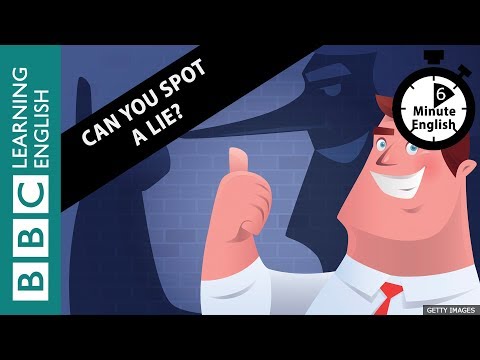
Annie Huang posted on 2020/04/18Ever wondered if you can spot a fibber? This fun 6 Minute English episode dives into the fascinating world of lie detection, exploring everything from body language to response latency! You'll pick up some brilliant new vocabulary and practical phrases to use in everyday conversations.
Learn this video on the APP!
The VoiceTube App has more in-depth practice for videos!