
alarm
US /əˈlɑ:rm/
UK /əˈlɑ:m/
- Noun
- Sound or light used for a warning or alert
- an alarm clock
- Transitive Verb
- To make someone unpleasantly surprised
A2Moreat night
US /æt naɪt/
UK /æt nait/
- Phrase
- During the night; in the nighttime.
A1Moreat that time
US /æt ðæt taɪm/
UK /æt ðæt taim/
- Phrase
- During a specific point in the past.
A1Moreawful
US /ˈɔfəl/
UK /ˈɔ:fl/
- Adjective
- Very bad; horrible; terrible
A2Morebasically
US /ˈbesɪkəli,-kli/
UK /ˈbeɪsɪkli/
- Adverb
- Used before you explain something simply, clearly
- In essence; when you consider the most important aspects of something.
A2Morebrowse
US /braʊz/
UK /braʊz/
- Verb (Transitive/Intransitive)
- To look around for things, e.g. in a bookstore
- To use a browser to view websites on the Internet.
- Noun (Countable/Uncountable)
- A collection of things to look through.
B2TOEICMorechannel
US /ˈtʃænəl/
UK /'tʃænl/
- Noun (Countable/Uncountable)
- Long hole dug in the ground, e.g. to move water
- TV or radio station or its programs
- Transitive Verb
- To dig a long hole for carrying water
- To send (e.g. money) to a certain place or person
B1Morecheck out
US /tʃɛk aʊt/
UK /tʃek aut/
- Phrase
- Phrasal Verb
- To find out information about something
- To take books out of a library
A1Moreclassify
US /ˈklæsəˌfaɪ/
UK /'klæsɪfaɪ/
- Transitive Verb
- To arrange things into groups of similar items
- To keep some information secret from the public
B2Moredeprivation
US /ˌdɛprəˈveʃən/
UK /ˌdeprɪˈveɪʃn/
- Uncountable Noun
- State of lacking something needed
- The state of lacking or being denied something considered necessary.
B2Moredesperately
US /ˈdɛspərɪtlɪ/
UK /'despərətlɪ/
- Adverb
- In a way that shows you don't have much hope
- In a way that shows despair.
A2Morediscipline
US /ˈdɪsəplɪn/
UK /'dɪsəplɪn/
- Noun (Countable/Uncountable)
- Instruction and practice to teach obedience
- Particular field of study
- Transitive Verb
- To control or train others by making them obey you
- To punish a person for their wrongdoing
B1TOEICMoreextraordinary
US /ɪkˈstrɔ:rdəneri/
UK /ɪkˈstrɔ:dnri/
- Adjective
- Beyond what is ordinary; very unusual; remarkable
- Additional to or different from what is usual or regular.
B1TOEICMorefigure out
US /ˈfɪɡjɚ aʊt/
UK /ˈfiɡə aut/
- Phrasal Verb
- To understand the behavior of someone
- To think through logically to find a solution
- Verb (Transitive/Intransitive)
- To understand or find an answer to something.
- To find a solution to a problem or understand something.
A1Morefor example
US
UK
- Phrase
- As an illustration or instance.
formula
US /ˈfɔrmjələ/
UK /'fɔ:mjələ/
- Noun (Countable/Uncountable)
- A mathematical or scientific rule
- Plan, rule or method for doing or making something
A2TOEICMorefunction
US /ˈfʌŋkʃən/
UK /'fʌŋkʃn/
- Noun
- Social event, or party such as a wedding
- Mathematical operation used in calculations
- Intransitive Verb
- To serve a certain purpose or role
- To be operating, working or achieving its purpose
A2TOEICMoreget up in
US /ɡɛt ʌp ɪn/
UK /ɡet ʌp ɪn/
- other
- To wake and leave bed at a particular time.
B2Morego on
US /ɡo ɑn/
UK /ɡəu ɔn/
- Phrasal Verb
- To continue doing something
- To happen (usually negative)
- Interjection
- Used to encourage someone
A1Moregoing on
US /ˈɡoɪŋ ɑn/
UK /ˈgəʊɪŋ ɔn/
- Phrasal Verb
- To continue doing something
- To happen (usually negative)
A1Moregym
US /dʒɪm/
UK /dʒɪm/
- Noun (Countable/Uncountable)
- Physical education taught as a class in school
- Building used for physical activities or sports
C2Morehabit
US /ˈhæbɪt/
UK /'hæbɪt/
- Noun
- Loose clothing like a cloak, worn by monks, nuns
- Usual way of behaving; something often repeated
A2TOEICMorehave to
US /hæv tu/
UK /ˈhæv tə/
- Auxiliary Verb
- Must do
A1Morehomework
US /ˈhomˌwɚk/
UK /ˈhəumwə:k/
- Noun
- Work that a student is given to do at home
B2Moreideally
US /aɪˈdiəli/
UK /aɪ'di:əlɪ/
- Adverb
- In a perfect way; very suitably
- In theory; according to an ideal or theoretical standard.
B2Moreignite
US /ɪɡˈnaɪt/
UK /ɪɡ'naɪt/
- Intransitive Verb
- To catch fire
- Transitive Verb
- To cause something to start burning
- To give energy to something or someone
B2Morein general
US /ɪn ˈdʒɛnərəl/
UK /in ˈdʒenərəl/
- Phrase
- Typically; usually; on the whole.
- Not specific or detailed; broadly.
- Adjective
- Not detailed or specific; overall.
C2Morein places
US
UK
- Phrase
- In some locations but not others
A1Moreinspirational
US /ˌɪnspə'reɪʃənl/
UK /ˌɪnspəˈreɪʃənl/
- Adjective
- Influencing someone to do something (good)
- Providing or showing inspiration
B1Moreinstead of
US /ɪnˈstɛd ʌv/
UK /inˈsted ɔv/
- Preposition
- When one thing is replaced by another
- Adverb
- As a substitute or alternative.
A1Moreintensely
US /ɪnˈtɛnslɪ/
UK /ɪn'tenslɪ/
- Adverb
- In a manner that is very strong or extreme
A2Morelack
US /læk/
UK /læk/
- Verb (Transitive/Intransitive)
- To not have, or not have enough, of something
- Uncountable Noun
- The state of not having or not having enough of
A2TOEICMorelimitless
US /ˈlɪmɪtlɪs/
UK /ˈlɪmɪtləs/
- Adjective
- Without limits in extent, size or quantity
B1Morelook at
US /lʊk æt/
UK /luk æt/
- Phrasal Verb
- To use your eyes to focus on something
- To focus your eyes on something carefully
A1Moremeditate
US /ˈmɛdɪˌtet/
UK /ˈmedɪteɪt/
- Intransitive Verb
- To think deeply and quietly to calm your spirit
- To think deeply or focus one's mind for a period of time.
B2Moremotivate
US /ˈmotəˌvet/
UK /'məʊtɪveɪt/
- Transitive Verb
- To give someone a reason, the will to do something
A2TOEICMoremotivation
US /ˌmotəˈveʃən/
UK /ˌməʊtɪ'veɪʃn/
- Uncountable Noun
- Reason behind why someone did something
- Enthusiasm for doing something.
B1TOEICMoremuscular
US /ˈmʌskjəlɚ/
UK /ˈmʌskjələ(r)/
- Adjective
- Having strong or developed muscles
B1Moreon a regular basis
US //ɑn ə ˈrɛgjələr ˈbeɪsəs//
UK
- Phrase
- Happening frequently or at regular intervals.
B1Moreopportunity
US /ˌɑpɚˈtunɪti, -ˈtju-/
UK /ˌɒpə'tju:nətɪ/
- Noun (Countable/Uncountable)
- Time, situation when a thing might be done; chance
- A favorable time or occasion for doing something.
A2TOEICMorepersonally
US /ˈpəsənəli/
UK /ˈpɜ:sənəli/
- Adverb
- By a specific person, and not by anyone else
- Knowing someone as a friend, or closely
A2Moreproductive
US /prəˈdʌktɪv, pro-/
UK /prəˈdʌktɪv/
- Adjective
- Producing things in large quantities; fertile
- Doing a lot of work and achieving a lot
B1Morepursue
US /pɚˈsu/
UK /pə'sju:/
- Transitive Verb
- To follow and try to catch, or to reach a goal
- To try to achieve or get something over time
B1TOEICMorerecommend
US /ˌrɛkəˈmɛnd/
UK /ˌrekə'mend/
- Transitive Verb
- To advise or suggest that someone do something
- To endorse or support something publicly.
A2TOEICMoreregardless of
US /rɪˈɡɑrdlɪs ʌv/
UK /riˈɡɑ:dlis ɔv/
- Phrase
- Preposition
- Without being affected or influenced by something; despite.
A2Morerequire
US /rɪˈkwaɪr/
UK /rɪ'kwaɪə(r)/
- Transitive Verb
- To demand that someone does something
- To need to do something, to make it necessary
A2TOEICMorereshape
US /riˈʃep/
UK /ˌri:'ʃeɪp/
- Transitive Verb
- To form something into a new shape
B2Morerevisit
US /riˈvɪzɪt/
UK /ˌri:ˈvɪzɪt/
- Transitive Verb
- To talk or think about something again
- To visit some place or someone again
B1Moreright for
US
UK
- Adjective
- Suitable or appropriate for a particular person, purpose, or situation.
- Correct or most appropriate.
A1Moresacrifice
US /ˈsækrəˌfaɪs/
UK /'sækrɪfaɪs/
- Noun
- Person/animal killed in a sacrifice (to a god)
- Person/animal killed to please a god
- Transitive Verb
- To kill an animal or human to please a god
- To give up your life for others, for a cause etc.
B1Morestruggle
US /ˈstrʌɡəl/
UK /'strʌɡl/
- Verb (Transitive/Intransitive)
- To try very hard to do something difficult
- To fight or struggle violently
- Noun (Countable/Uncountable)
- Strong efforts made to do something difficult
- A difficult or challenging situation or task
A2Moretypically
US /ˈtɪpɪklɪ/
UK /ˈtɪpɪkli/
- Adverb
- In a normal or usual way
B1Moreunquote
US /ʌnˈkwot/
UK /ˈʌnˈkwəut/
- Transitive Verb
- To remove the quotation marks from
B2Morewake up
US /wek ʌp/
UK /weik ʌp/
- Phrasal Verb
- To stop sleeping
- To become fully aware and alert to a situation.
A1Morewanna
US /ˈwɑnə/
UK /'wɒnə/
- Verb (Transitive/Intransitive)
- Shortened form of 'want to'. Used only in speaking
B2Morework out
US /wɚk aʊt/
UK /wə:k aut/
- Phrasal Verb
- To find a way to do something, by thinking
A1More
Vocabulary
- wake up: To stop sleeping
- have to: Must do
- on a regular basis: Happening frequently or at regular intervals.
- at that time: During a specific point in the past.
- in general: Typically; usually; on the whole.
- work out
- instead of: When one thing is replaced by another
- get up in: To wake and leave bed at a particular time.
- go on: To continue doing something
- in places: In some locations but not others
- figure out: To understand the behavior of someone
- look at: To use your eyes to focus on something
- regardless of
- going on: To continue doing something
- right for: Suitable or appropriate for a particular person, purpose, or situation.
- at night: During the night; in the nighttime.
- for example: As an illustration or instance.
- check out
- discipline: Instruction and practice to teach obedience
- extraordinary: Beyond what is ordinary; very unusual; remarkable
- struggle: To try very hard to do something difficult
- mindset: Way someone things about something
- deprivation: State of lacking something needed
- figure: To appear in a game, play or event
- opportunity: Time, situation when a thing might be done; chance
- recommend: To advise or suggest that someone do something
- basically: Used before you explain something simply, clearly
- pursue: To follow and try to catch, or to reach a goal
- typically: In a normal or usual way
- meditate: To think deeply and quietly to calm your spirit
- awful: Very bad; horrible; terrible
- motivation: Reason behind why someone did something
- productive: Producing things in large quantities; fertile
- sacrifice: Person/animal killed in a sacrifice (to a god)
- lack: To not have, or not have enough, of something
- function: Social event, or party such as a wedding
- desperately: In a way that shows you don't have much hope
- brain: To strike someone forcefully on the head
- require: To demand that someone does something
- simply: In an easy or clear manner
- formula: A mathematical or scientific rule
- create: To make, cause, or bring into existence
- reason: To think and make conclusions in a logical manner
- motivate: To give someone a reason, the will to do something
- wanna: Shortened form of 'want to'. Used only in speaking
- intensely: In a manner that is very strong or extreme
- personally: By a specific person, and not by anyone else
- alarm: Sound or light used for a warning or alert
- ignite: To catch fire
- ideally: In a perfect way; very suitably
- single: One run in cricket or a hit baseball
- habit: Loose clothing like a cloak, worn by monks, nuns
- channel: Long hole dug in the ground, e.g. to move water
- inspirational: Influencing someone to do something (good)
- point: An item to be discussed
- drive: A person's ambition and motivation to do something
- browse: To look around for things, e.g. in a bookstore
- business: A company formed for making profit
- understand: To know the meaning of language, what someone says
- life: All the living things e.g. animals, plants, humans
- classify: To arrange things into groups of similar items
- work: The product of some artistic or literary endeavor
- hobby: Regular activity done in free time, for pleasure
- muscular: Having strong or developed muscles
- view: Opinion, belief, or idea about something
- gym: Physical education taught as a class in school
- revisit: To talk or think about something again
- reshape: To form something into a new shape
- limitless: Without limits in extent, size or quantity
- unquote: To remove the quotation marks from
- homework: Work that a student is given to do at home
Get the full experience in the app
Learn anywhere with detailed sentence and usage analysis
01:03
She took a brave step forward, leaving behind her comfort zone to chase her dreams.
Vocabulary
- brave
adj. Having courage
- comfort zone
phr. A familiar situation where one feels safe
Explanation
a brave step is a noun phrase, where brave is an adjective modifying the noun step, meaning "a courageous step".
forward is an adverb modifying step, meaning "ahead".
The whole phrase serves as the object, answering the "what" of took (verb) — she took a brave step forward.
Get the full experience in the app
Look up words anytime with pronunciation, part of speech, and usage
brave
US/brev/
UK/breɪv/
adj.Brave
v.t.To bravely face
A2 Elementary
Get the full experience in the app
Practice speaking anytime and get instant pronunciation feedback
Try this speaking exercise.
Try practicing with this sentence.
80
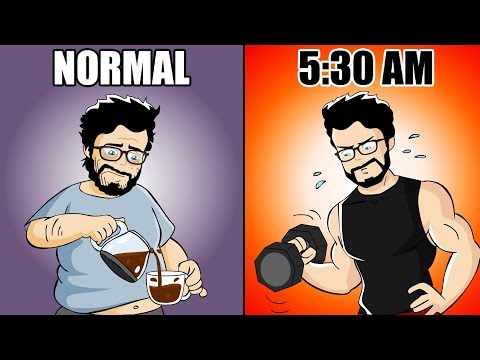
How To Wake Up At 5:30 AM And Be EXCITED (Animated Story)
0
Annie Chien posted on 2019/12/02Ever wish you could jump out of bed feeling excited for the day? This animated story shares a fantastic formula for waking up early and actually enjoying it, perfect for anyone looking to build better morning routines and boost their 'me time'! You'll pick up practical tips and learn simple sentence structures that make habit formation feel totally achievable.
Learn this video on the APP!
The VoiceTube App has more in-depth practice for videos!