
access
US /ˈæksɛs/
UK /'ækses/
- Noun (Countable/Uncountable)
- Way to enter a place, e.g. a station or stadium
- The opportunity or right to use something or to see someone.
- Transitive Verb
- To be able to use or have permission to use
A2TOEICMorebust
US /bʌst/
UK /bʌst/
- Transitive Verb
- To arrest people involved in crime
- To break something with force
- Noun
- A woman's chest or breasts
B2Morechain of events
US
UK
- Noun (Countable/Uncountable)
- A sequence of occurrences, where each event causes or influences the next.
- Phrase
- A series of happenings linked by cause and effect.
A1Morecollapse
US /kəˈlæps/
UK /kə'læps/
- Verb (Transitive/Intransitive)
- To fold (e.g. a stroller) down to make it smaller
- To suddenly fall down or break apart into pieces
- Noun
- The sudden failure of a structure or system.
- The sudden failure of a bodily organ or function.
B1Morecome by
US /kʌm baɪ/
UK /kʌm bai/
- Phrasal Verb
- To become the owner of something, e.g. by accident
- To visit someone
A1Morecontagion
US /kənˈtedʒən/
UK /kən'teɪdʒən/
- Uncountable Noun
- Communication of an emotional state among people
C2Morecontribute
US /kənˈtrɪbjut/
UK /kən'trɪbju:t/
- Verb (Transitive/Intransitive)
- To be a factor in causing something to happen
- To donate, give (money) or help to something
A2Morecosy
US /ˈkozi/
UK /'kəʊzɪ/
- Adjective
- Comfortable, warm, pleasant, and often, small
B1Morecrisis
US /ˈkraɪsɪs/
UK /'kraɪsɪs/
- Noun (Countable/Uncountable)
- Unstable situation of extreme danger or difficulty
- A turning point in a disease.
B1Morecrunch
US /krʌntʃ/
UK /krʌntʃ/
- Transitive Verb
- To crush something into pieces
- To crush something noisily.
- Intransitive Verb
- To chew noisily with a crackling sound
- To make a crushing sound when walked on.
B2Moredebt
US /dɛt/
UK /det/
- Noun (Countable/Uncountable)
- Sum of money owed to someone that is not yet paid
- A moral or social obligation.
A2TOEICMoredemand
US /dɪˈmænd/
UK /dɪ'mɑ:nd/
- Noun (Countable/Uncountable)
- Desire customers have to buy product, service
- A strong request for someone to do something
- Transitive Verb
- To strongly request someone to do something
- To need something.
A2TOEICMoredepend
US /dɪˈpend/
UK /dɪˈpend/
- Verb (Transitive/Intransitive)
- Be controlled or determined by (someone/something)
- To rely on someone or something for support, help, or existence.
B1TOEICMoredomino
US /ˈdɑ:mənoʊ/
UK /ˈdɒmɪnəʊ/
- Countable Noun
- Flat rectangular blocks with spots used in a game
- A hooded cloak worn with a mask at masquerades.
C1Moreengage
US /ɪn'gedʒ/
UK /ɪn'ɡeɪdʒ/
- Transitive Verb
- To start to fight with an enemy
- To hire someone for a task or job
A2TOEICMoreestate
US /ɪˈstet/
UK /ɪˈsteɪt/
- Noun (Countable/Uncountable)
- A large piece of land, usually with a large house
- Group of houses all built at the same time
A2TOEICMoreexpand
US /ɪkˈspænd/
UK /ɪk'spænd/
- Verb (Transitive/Intransitive)
- To make something larger in size, number, amount
A2TOEICMorefinancial
US /faɪˈnænʃ(ə)l/
UK /faɪˈnænʃl/
- Adjective
- Involving money
- Relating to investments.
- Countable Noun
- A person who provides advice on financial matters.
A2TOEICMorego bust
US /ɡo bʌst/
UK /ɡəu bʌst/
- Intransitive Verb
- To become bankrupt or fail financially.
A1Moregovernance
US /ˈɡʌvənəns/
UK /ˈgʌvənəns/
- Uncountable Noun
- Way a government is run; function of a government
B2Morehuge
US /hjudʒ/
UK /hju:dʒ/
- Adjective
- Very very large
A2Morein trouble
US /ɪn ˈtrʌbəl/
UK /in ˈtrʌbl/
- Adjective
- Experiencing difficulties, problems, or legal issues.
- other
- In serious trouble or difficulty.
A1Moreobscure
US /əbˈskjʊr/
UK /əbˈskjʊə(r)/
- Transitive Verb
- To hide something to make it difficult to be seen
- Make unclear, vague, or difficult to understand.
- Adjective
- Being confusing and difficult to understand
- Not famous; unknown by most people
B2Moreon the real
US /ɑn ðə ˈril/
UK /ɒn ðə ˈri:əl/
- other
- Honestly or truly; speaking sincerely.
B2Morepanic
US /ˈpænɪk/
UK /'pænɪk/
- Uncountable Noun
- Overwhelming feeling of fear and anxiety
- Intransitive Verb
- To feel sudden anxiety and fear and cannot think
B1Moreportray
US /pɔ:rˈtreɪ/
UK /pɔ:ˈtreɪ/
- Transitive Verb
- To play a character in theater or on film
- To represent something for artistic purposes
B2Morepressure
US /ˈprɛʃɚ/
UK /'preʃə(r)/
- Noun (Countable/Uncountable)
- Anxiety caused by difficult problems
- Force, weight when pressing against a thing
- Transitive Verb
- To apply force to something
- To persuade or force someone to do something
A2TOEICMorepreviously
US /ˈprivɪəslɪ/
UK /'pri:vɪəslɪ/
- Adverb
- At an earlier time
- In the past; formerly.
B1TOEICMoreproperty
US /ˈprɑpəti/
UK /'prɒpətɪ/
- Noun (Countable/Uncountable)
- Particular quality that someone or something has
- Buildings or piece of land owned by someone
A2TOEICMorereassure
US /ˌri:əˈʃʊr/
UK /ˌri:əˈʃʊə(r)/
- Transitive Verb
- To make feel less worried about something
B1Moreregulate
US /ˈrɛɡjəˌlet/
UK /ˈregjuleɪt/
- Transitive Verb
- To control something with rules or laws
- To set/adjust (a clock, etc.); restrict motion in
A2TOEICMorerun on
US /rʌn ɑn/
UK /rʌn ɔn/
- Phrasal Verb
- To continue longer than expected, e.g. a meeting
- To talk without stopping, often on the same topic
- Intransitive Verb
- To continue without a break or clear separation, especially in writing.
A1Morespread
US /sprɛd/
UK /spred/
- Noun (Countable/Uncountable)
- A big meal, often laid out as a buffet
- The distance between two things
- Verb (Transitive/Intransitive)
- To place over a large area; to cover a large area
- (Of ideas, gossip) to pass to and affect others
A2TOEICMorestruggle
US /ˈstrʌɡəl/
UK /'strʌɡl/
- Verb (Transitive/Intransitive)
- To try very hard to do something difficult
- To fight or struggle violently
- Noun (Countable/Uncountable)
- Strong efforts made to do something difficult
- A difficult or challenging situation or task
A2Moretaken over
US
UK
- Phrasal Verb
- To gain control of (a company) from someone else
- To gain control of something.
A1Moretwitter
US /ˈtwɪtɚ/
UK /ˈtwɪtə(r)/
- Intransitive Verb
- To make small chattering sounds, like some birds
- Proper Noun
- An online messaging system
C2Moreunpaid
US /ʌnˈped/
UK /ˌʌnˈpeɪd/
- Adjective
- Yet to be paid
B1Morevirus
US /ˈvaɪrəs/
UK /'vaɪrəs/
- Noun
- File secretly put on computers to cause harm
- Living organism that causes disease or sickness
B1Moreworth
US /wɚθ/
UK /wɜ:θ/
- Noun (Countable/Uncountable)
- the financial, practical or moral value of somebody/something
- having a particular value, especially in money
- Adjective
- Having a specified value.
A2More
Vocabulary
- go bust: To become bankrupt or fail financially.
- in trouble: Experiencing difficulties, problems, or legal issues.
- on the real: Honestly or truly; speaking sincerely.
- taken over: To gain control of (a company) from someone else
- run on: To continue longer than expected, e.g. a meeting
- come by: To become the owner of something, e.g. by accident
- chain of events: A sequence of occurrences, where each event causes or influences the next.
- struggle: To try very hard to do something difficult
- engage: To start to fight with an enemy
- access: Way to enter a place, e.g. a station or stadium
- panic: Overwhelming feeling of fear and anxiety
- crisis: Unstable situation of extreme danger or difficulty
- fear: Unpleasant feeling caused by being aware of danger
- demand: Desire customers have to buy product, service
- contribute: To be a factor in causing something to happen
- spread: A big meal, often laid out as a buffet
- property: Particular quality that someone or something has
- pressure: Anxiety caused by difficult problems
- financial: Involving money
- debt: Sum of money owed to someone that is not yet paid
- collapse: To fold (e.g. a stroller) down to make it smaller
- worth: the financial, practical or moral value of somebody/something
- mean: Average of a set of numbers
- state: Region within a country, with its own government
- obscure: To hide something to make it difficult to be seen
- effect: An advantage, benefit
- huge: Very very large
- regulate: To control something with rules or laws
- account: An advantage
- expand: To make something larger in size, number, amount
- create: To make, cause, or bring into existence
- estate: A large piece of land, usually with a large house
- lead: Wire for electricity, computer, etc.; cable
- bust: To arrest people involved in crime
- economy: Using money, resources in a careful, effective way
- portray: To play a character in theater or on film
- crunch: To crush something into pieces
- reassure: To make feel less worried about something
- previously: At an earlier time
- company: Good feeling from being with someone else
- depend: Be controlled or determined by (someone/something)
- arrest: To attract someone's attention and hold interest
- single: One run in cricket or a hit baseball
- public: Owned by the government
- event: Any social gathering; occasion; planned activity
- virus: File secretly put on computers to cause harm
- wrong: Action that is harmful, unjust or illegal
- find: To become aware of something that is happening
- contagion: Communication of an emotional state among people
- domino: Flat rectangular blocks with spots used in a game
- twitter: To make small chattering sounds, like some birds
- governance: Way a government is run; function of a government
- cosy: Comfortable, warm, pleasant, and often, small
- unpaid: Yet to be paid
Get the full experience in the app
Learn anywhere with detailed sentence and usage analysis
01:03
She took a brave step forward, leaving behind her comfort zone to chase her dreams.
Vocabulary
- brave
adj. Having courage
- comfort zone
phr. A familiar situation where one feels safe
Explanation
a brave step is a noun phrase, where brave is an adjective modifying the noun step, meaning "a courageous step".
forward is an adverb modifying step, meaning "ahead".
The whole phrase serves as the object, answering the "what" of took (verb) — she took a brave step forward.
Get the full experience in the app
Look up words anytime with pronunciation, part of speech, and usage
brave
US/brev/
UK/breɪv/
adj.Brave
v.t.To bravely face
A2 Elementary
Get the full experience in the app
Practice speaking anytime and get instant pronunciation feedback
Try this speaking exercise.
Try practicing with this sentence.
80
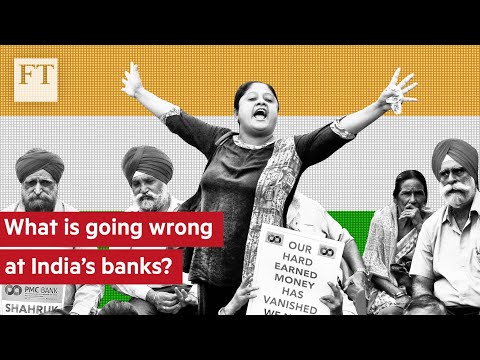
Why India's financial sector is in trouble | FT
0
Annie Chien posted on 2019/11/17Ever wondered what's really going on with India's financial sector? This video dives deep into the issues, explaining complex topics like shadow banks and nonperforming loans with clear language. You'll boost your understanding of global finance and pick up some advanced vocabulary along the way!
Learn this video on the APP!
The VoiceTube App has more in-depth practice for videos!