
anymore
US /ˌɛniˈmɔr, -ˈmor/
UK /'enɪmɔ:/
- Adverb
- No longer; no more
A2Moreawful
US /ˈɔfəl/
UK /ˈɔ:fl/
- Adjective
- Very bad; horrible; terrible
A2Morebreathe
US /brið/
UK /bri:ð/
- Verb (Transitive/Intransitive)
- To move air into and out of your lungs
- To say something very softly
A2Morecomplicate
US /ˈkɑ:mplɪkeɪt/
UK /ˈkɒmplɪkeɪt/
- Transitive Verb
- To make more difficult to do, understand or use
B1Moreconstantly
US /ˈkɑnstəntlɪ/
UK /ˈkɒnstəntli/
- Adverb
- Frequently, or without pause
- In a way that is unchanging or faithful
B1Morecounselor
US /ˈkaʊnsəlɚ, -slɚ/
UK /'kaʊnsələ/
- Noun
- Person offering professional advice to others
B1Morecount
US /kaʊnt/
UK /kaʊnt/
- Verb (Transitive/Intransitive)
- To add things together to find the total number
- To matter or be important
- Countable Noun
- Number of things added together, e.g. votes
- With the number of crimes, knockouts, as stated
A2Morecouple
US /ˈkʌpəl/
UK /'kʌpl/
- Transitive Verb
- To join something to something else
- (Two animals) to engage in sexual relations
- Noun (Countable/Uncountable)
- Two people in a romantic relationship
- Two of something; two people; a pair
A2Morecrazy
US /ˈkrezi/
UK /'kreɪzɪ/
- Adjective
- Mentally ill; mad
- Not being sensible or practical
- Noun
- Person acting in a manner that is strange and odd
A2Morefavor
US /ˈfevɚ/
UK /'feɪvə/
- Noun
- Support or approval from people
- Small gift given out at a party
- Transitive Verb
- To prefer or promote over another
A2Morefeel like
US
UK
- Intransitive Verb
- To have a desire or inclination for something.
- To have a particular quality or sensation; resemble.
A1Morefor example
US
UK
- Phrase
- As an illustration or instance.
go around
US /ɡo əˈraʊnd/
UK /ɡəu əˈraund/
- Phrasal Verb
- (Of news, gossip) to be known; circulate
- To go here and there, from place to place; wander
A1Morehave to
US /hæv tu/
UK /ˈhæv tə/
- Auxiliary Verb
- Must do
A1Morein fact
US /ɪn fækt/
UK /in fækt/
- Adverb
- Used to emphasize the truth of a statement, especially one that contrasts with or contradicts something else.
- Used to introduce a more detailed or surprising piece of information.
- Phrase
- Used to emphasize the truth of a statement, especially one that is surprising or contrary to what might be expected.
C1Moreleft and right
US
UK
- Adverb
- In both the left and right directions.
- Everywhere; in all directions.
- Noun
- Referring to both liberal and conservative political viewpoints.
- Two opposing options or directions.
A1Moremake up
US /mek ʌp/
UK /meik ʌp/
- Phrasal Verb
- To invent or create a story
- To add up to
- Verb (Transitive/Intransitive)
- To invent a story, excuse, etc.
- To compensate for something lost, missed, or deficient.
A1Morenext to
US /nɛkst tu/
UK /nekst tu:/
- Preposition
- Being located along side another
- In comparison with
- Adverb
- Almost; nearly
A1Morepavement
US /ˈpevmənt/
UK /ˈpeɪvmənt/
- Noun
- Surface next to a road for people to walk on
B1Morepunish
US /ˈpʌnɪʃ/
UK /'pʌnɪʃ/
- Transitive Verb
- To make someone suffer for doing something wrong
- To treat something or someone roughly
A2Moresilence
US /ˈsaɪləns/
UK /'saɪləns/
- Uncountable Noun
- State of being quiet and not talking for a time
- When there is not sound or noise; complete quiet
- Transitive Verb
- To stop the noise that something is making
- To prevent someone from expressing thoughts
A2Morestraight
US /stret/
UK /streɪt/
- Adjective
- Not having curves, bends, or angles
- Not gay; heterosexual
- Adverb
- in a line; immediately; honestly and directly
- In a straight line; directly.
A2TOEICMorestraighten
US /ˈstretn/
UK /'streɪtn/
- Verb (Transitive/Intransitive)
- To make or become straight
A2Moresuffer
US / ˈsʌfɚ/
UK /'sʌfə(r)/
- Verb (Transitive/Intransitive)
- To experience pain, illness, or injury
- To allow or permit something, especially something unpleasant.
A2Moreswap
US /swɑp/
UK /swɒp/
- Transitive Verb
- To exchange goods without spending money; trade
- Noun
- A trade or exchange of goods without using money
B2TOEICMoretedious
US /ˈtidiəs/
UK /ˈti:diəs/
- Adjective
- Being uninteresting and taking a long time; boring
B2More
Vocabulary
- have to: Must do
- next to: Being located along side another
- in fact: Used to emphasize the truth of a statement, especially one that contrasts with or contradicts something else.
- make up: To invent or create a story
- go around: (Of news, gossip) to be known; circulate
- left and right: In both the left and right directions.
- for example: As an illustration or instance.
- feel like: To have a desire or inclination for something.
- constantly: Frequently, or without pause
- straight: Not having curves, bends, or angles
- experience: Thing a person has done or that happened to them
- improve: To make, or become, something better
- completely: In every way or as much as possible
- awful: Very bad; horrible; terrible
- amount: Quantity of something
- suffer: To experience pain, illness, or injury
- tedious: Being uninteresting and taking a long time; boring
- swap: To exchange goods without spending money; trade
- favor: Support or approval from people
- suddenly: In an unexpected or very quick manner
- fair: Neither very good nor very bad; average
- couple: To join something to something else
- guess: To give an answer without knowing if it is correct
- silence: State of being quiet and not talking for a time
- leave: To go away from; depart
- complicate: To make more difficult to do, understand or use
- count: To add things together to find the total number
- equally: In an equal, even, or identical manner
- notice: To become aware by sight, touch, or hearing
- tidy: With things in their proper place; not messy
- counselor: Person offering professional advice to others
- fact: Something that is known or proved to be true
- kind: In a caring and helpful manner
- breathe: To move air into and out of your lungs
- lot: What happens to a person in life from chance; fate
- worse: Comparative of 'bad'; more bad
- pavement: Surface next to a road for people to walk on
- punish: To make someone suffer for doing something wrong
- anymore: No longer; no more
- crazy: Mentally ill; mad
- straighten: To make or become straight
Get the full experience in the app
Learn anywhere with detailed sentence and usage analysis
01:03
She took a brave step forward, leaving behind her comfort zone to chase her dreams.
Vocabulary
- brave
adj. Having courage
- comfort zone
phr. A familiar situation where one feels safe
Explanation
a brave step is a noun phrase, where brave is an adjective modifying the noun step, meaning "a courageous step".
forward is an adverb modifying step, meaning "ahead".
The whole phrase serves as the object, answering the "what" of took (verb) — she took a brave step forward.
Get the full experience in the app
Look up words anytime with pronunciation, part of speech, and usage
brave
US/brev/
UK/breɪv/
adj.Brave
v.t.To bravely face
A2 Elementary
Get the full experience in the app
Practice speaking anytime and get instant pronunciation feedback
Try this speaking exercise.
Try practicing with this sentence.
80
0
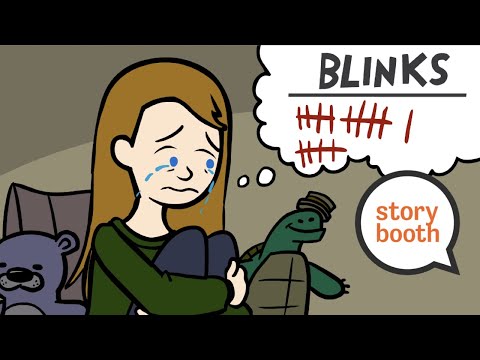
eunice4u4u posted on 2020/01/23Ever wondered what OCD is really like? This video shares a personal story about struggles with symmetry and counting compulsions, offering a real look into intrusive thoughts and the path to recovery. You'll gain insight into mental health and learn simple sentence structures through this engaging narrative!
Learn this video on the APP!
The VoiceTube App has more in-depth practice for videos!