
after all
US /ˈæftɚ ɔl/
UK /ˈɑ:ftə ɔ:l/
- Adverb
- In spite of what was expected; used to introduce a statement that supports a previous statement or explains why it was made
- Considering everything; used to indicate that something is happening or is true despite some difficulty or obstacle
- Phrase
- Despite what was expected or thought; in spite of everything.
- Taking everything into consideration; considering that.
B1Morealong with
US /əˈlɔŋ wɪð/
UK /əˈlɔŋ wið/
- Preposition
- In addition to; together with.
- Adverb
- In company or together with someone or something.
- Including; in addition to.
A2Moreasap
US
UK
- Adverb
- Shortened form of 'As soon as possible'
C2Moreassassinate
US /əˈsæsəˌnet/
UK /ə'sæsɪneɪt/
- Transitive Verb
- To murder a famous or public figure
B2Moreassemble
US /əˈsɛmbəl/
UK /əˈsembl/
- Transitive Verb
- To put parts together to make a complete unit
- Verb (Transitive/Intransitive)
- To gather together in one place
B1TOEICMoreassimilate
US /əˈsɪməˌlet/
UK /ə'sɪməleɪt/
- Verb (Transitive/Intransitive)
- To adapt and become part of a new culture
- To absorb and integrate new information
B2TOEICMoreassociation
US /əˌsoʊʃi'eɪʃn/
UK /əˌsəʊʃɪ'eɪʃn/
- Noun
- Organization of people with the same interest
B1TOEICMoreat that time
US /æt ðæt taɪm/
UK /æt ðæt taim/
- Phrase
- During a specific point in the past.
A1Moreat the same time
US
UK
- Phrase
- Simultaneously; at the identical moment.
- Nevertheless; however; used to introduce a contrasting or qualifying statement.
A1Moreawareness
US /əˈwɛrnɪs/
UK /əˈweənəs/
- Uncountable Noun
- Having knowledge of something
A2TOEICMoreback then
US
UK
- Phrase
- At that time in the past.
A1Morebad habits
US
UK
- Noun (Countable/Uncountable)
- Negative or harmful routines or behaviors that are difficult to stop.
A1Morebring out
US /brɪŋ aʊt/
UK /briŋ aut/
- Phrasal Verb
- To formally introduce a girl/ woman to society
- To nurture and develop or bring out a quality
A1Morecheck out
US /tʃɛk aʊt/
UK /tʃek aut/
- Phrase
- Phrasal Verb
- To find out information about something
- To take books out of a library
A1Morecommunist
US /ˈkɑmjənɪst/
UK /ˈkɒmjənɪst/
- Adjective
- Believer in communism
- Noun
- A person who supports or believes in communism.
B1Morecradle
US /ˈkredl/
UK /ˈkreɪdl/
- Countable Noun
- Small bed for a baby, with rockers and sides
- Transitive Verb
- To hold (a child) protectively in your arms
B2Morecultivate
US /ˈkʌltəˌvet/
UK /'kʌltɪveɪt/
- Transitive Verb
- To grow plants, crops etc.
- To cause to grow by education; to enlighten
B1Moredeal with
US /dil wɪð/
UK /di:l wið/
- Verb (Transitive/Intransitive)
- To buy or sell goods or services.
- Phrasal Verb
- To take action to solve a problem or manage a situation.
- To be about; concern.
A1Morededicated
US /ˈdɛdɪˌketɪd/
UK /'dedɪkeɪtɪd/
- Transitive Verb
- To state a person's name in book, song, in respect
- To give your energy, time, etc. completely
- Adjective
- Devoted to a task or purpose; having single-minded loyalty or integrity.
- Designed for or devoted to a specific purpose or task.
B1Moredemocracy
US /dɪˈmɑkrəsi/
UK /dɪ'mɒkrəsɪ/
- Noun (Countable/Uncountable)
- System of government in which everyone is equal
- Principles of social equality and respect for the individual within a society.
B1Moreden
US /dɛn/
UK /den/
- Countable Noun
- Home of some types of wild animals
- Secret place where criminals hide
B2Moredetermination
US /dɪˌtɚməˈneʃən/
UK /dɪˌtɜ:mɪˈneɪʃn/
- Uncountable Noun
- Will to achieve a goal despite difficulties
- The act of finding out or establishing something exactly, usually as the result of research or calculation.
B1Morediagnose
US /ˌdaɪəgˈnoʊs/
UK /ˈdaɪəgnəʊz/
- Transitive Verb
- To determine the cause of an illness or problem
B1Moredismiss
US /dɪsˈmɪs/
UK /dɪsˈmɪs/
- Transitive Verb
- To consider that something is at an end
- To end someone's employment; fire someone
A2TOEICMoredue to
US /du tu/
UK /dju: tu:/
- Preposition
- Because of; owing to
- Adjective
- Attributable to; caused by.
A1Moredumb
US /dʌm/
UK /dʌm/
- Adjective
- Senseless; stupid
B1Moreemphasize
US /ˈɛmfəˌsaɪz/
UK /'emfəsaɪz/
- Transitive Verb
- To stress the items that are important
B2TOEICMoreestablish
US /ɪˈstæblɪʃ/
UK /ɪˈstæblɪʃ/
- Transitive Verb
- To set or create something to last for a long time
- To use facts, evidence to show truth or clarity
A2TOEICMorefolk
US /fok/
UK /fəʊk/
- Adjective
- (Of ordinary people) not sophisticated
- Noun (Countable/Uncountable)
- Ordinary common people
A2Morefor example
US
UK
- Phrase
- As an illustration or instance.
gain
US /ɡen/
UK /ɡeɪn/
- Verb (Transitive/Intransitive)
- To increase in something, such as weight
- To get something wanted, needed or valued
- Noun (Countable/Uncountable)
- An increase in something, such as weight
A2TOEICMorego back to
US /ɡo bæk tu/
UK /ɡəu bæk tu:/
- Phrasal Verb
- To return to a starting point
A1Moregovernor
US /ˈgʌvərnə(r)/
UK /ˈgʌvənə(r)/
- Noun
- Person who leads a state or province
B2Morehold on
US /hold ɑn/
UK /həuld ɔn/
- Phrasal Verb
- To wait for someone (e.g. on a phone call)
- To wait for a short time.
A1Morein order to
US /ɪn ˈɔrdɚ tu/
UK /in ˈɔ:də tu:/
- Preposition
- For the purpose of; with the aim of.
- Phrase
- In a specific sequence or arrangement.
- With the aim of; for the purpose of.
C1Moreincident
US / ˈɪnsɪdənt/
UK /ˈɪnsɪdənt/
- Noun (Countable/Uncountable)
- Event, usually unusual or important; accident
- A political event that causes difficulties.
A2Moreinfluential
US /ˌɪnfluˈɛnʃəl/
UK /ˌɪnfluˈenʃl/
- Adjective
- Having the power to cause change; having influence
A2Moreinstead of
US /ɪnˈstɛd ʌv/
UK /inˈsted ɔv/
- Preposition
- When one thing is replaced by another
- Adverb
- As a substitute or alternative.
A1Morejellyfish
US /ˈdʒɛliˌfɪʃ/
UK /ˈdʒelifɪʃ/
- Noun (Countable/Uncountable)
- Soft-bodied sea animal, as with stinging tentacles
C2Morekid on
US /kɪd ɑn/
UK /kid ɒn/
- other
- To joke or tease someone or pretend something is not true.
B2Moremoderate
US /ˈmɑdərɪt/
UK /ˈmɒdərət/
- Verb (Transitive/Intransitive)
- To host a meeting or panel discussion
- To make something less violent, severe, or strong
- Adjective
- Being average in quantity or size
B1Moremovement
US /ˈmuvmənt/
UK /ˈmu:vmənt/
- Noun (Countable/Uncountable)
- Part of a piece of classical music
- Group with a shared interest or goal
A2Moreof course
US /ʌv kɔː(r)s/
UK /ɔv kɔː(r)s/
- Adverb
- Sure ; Certainly
- Phrase
- For sure; certainly
A2Moreon the block
US
UK
- Phrase
- Available for sale; up for auction.
- At risk of being eliminated or terminated.
A1Moreon the other hand
US
UK
- Phrase
- Considering a different aspect of the matter; alternatively.
A1Moreon the street
US /ɑn ði strit/
UK /ɔn ðə stri:t/
- Phrase
- Located on or along a public road in a town or city.
- Available or circulating, especially illegally or unofficially.
A1Moreone step ahead
US /wʌn stɛp əˈhɛd/
UK /wʌn step əˈhed/
- Adjective
- Having an advantage or being more prepared than others.
- Phrase
- Planning or thinking in advance.
B1Moreopium
US /ˈopiəm/
UK /ˈəʊpiəm/
- Uncountable Noun
- Addictive drug made from the seeds of a poppy
C1Moreout of nowhere
US
UK
- Phrase
- Suddenly and unexpectedly; from an unknown place or source.
parliament
US /ˈpɑrləmənt/
UK /ˈpɑ:ləmənt/
- Noun
- Elected officials who govern a country (in the UK)
- Period when the Uk government is in session
A2Moreparticipate
US /pɑ:rˈtɪsɪpeɪt/
UK /pɑ:ˈtɪsɪpeɪt/
- Intransitive Verb
- To take part with others in doing something
- To be involved in a discussion or conversation.
B1TOEICMorepetition
US /pəˈtɪʃən/
UK /pə'tɪʃn/
- Noun
- Request to an authority to change something
- Transitive Verb
- To request an authority to make a change
B1Morepop
US /pɑp/
UK /pɒp/
- Verb (Transitive/Intransitive)
- To cause something to open or burst suddenly
- To go to or in a place for a brief period of time
- Noun (Countable/Uncountable)
- Sweet soda drink
- A short, sharp, explosive sound.
B2Morepossess
US /pəˈzɛs/
UK /pəˈzes/
- Transitive Verb
- To enter a person's mind or body as a spirit
- To have or own something
A2TOEICMoreproletariat
US /ˌproʊləˈteriət/
UK /ˌprəʊləˈteəriət/
- Noun
- Lowest social class in a society or community
C1Moreprosperous
US /ˈprɑspərəs/
UK /'prɒspərəs/
- Adjective
- Being successful and having a lot of money
- Growing healthily
B1Moreprotest
US /ˈproʊtɛst/
UK /'prəʊtest/
- Verb (Transitive/Intransitive)
- To argue against something in a forceful way
- To express a strong objection or dislike
- Noun
- Forceful argument against something
- Objection to something
A2Moreput together
US /pʊt təˈɡɛðɚ/
UK /put təˈɡeðə/
- Phrasal Verb
- To build or assemble something small, e.g. a toy
- To organize or arrange something.
A1Moreradical
US /ˈrædɪkəl,'rædɪkḷ/
UK /ˈrædɪkl/
- Noun (Countable/Uncountable)
- Person who believes in extreme political change
- A group of atoms behaving as a unit in a chemical compound.
- Adjective
- Very new and different from what is traditional
- Concerning something's most basic part or form
B1Moreroll
US /rol/
UK /rəʊl/
- Countable Noun
- Small, round piece of bread for one person to eat
- Photographic film wrapped round and round itself
- Verb (Transitive/Intransitive)
- To continue along as time normally progresses
- To produce a very deep and continuous sound
A2TOEICMoreroot
US /rut, rʊt/
UK /ru:t/
- Noun (Countable/Uncountable)
- Emotional connection with a place, history etc.
- The origin or starting place of something
- Transitive Verb
- To cause a plant to develop or grow roots
- (Animals) to search for e.g. food in earth
A2Morerun over
US /rʌn ˈovɚ/
UK /rʌn ˈəuvə/
- Phrasal Verb
- To go beyond a limit, e.g. of a budget
- To hit someone when driving a car
A1Moresame time
US
UK
- Phrase
- Occurring simultaneously or at the same point in time.
- At the identical time as before; recurring at a fixed hour.
- Noun
- An equal duration or period.
A1Moreset up
US /sɛt ʌp/
UK /set ʌp/
- Phrasal Verb
- To make arrangements for something; establish
- Verb (Transitive/Intransitive)
- To arrange or prepare something for use.
- To start a business, organization, etc.
A1Morespeak of
US /spik ʌv/
UK /spi:k ɔv/
- Phrasal Verb
- To mention someone or something in conversation.
B1Moresponsor
US /ˈspɑ:nsə(r)/
UK /ˈspɒnsə(r)/
- Noun
- Person that supports the passage of a new law
- Person giving money for someone's education
- Transitive Verb
- To support the passage of a new law
- To help someone succeed by giving them money
B1TOEICMorestick together
US
UK
- Phrasal Verb
- To support each other; remain united.
- To adhere physically; to be joined by an adhesive substance.
B1Morestrife
US /straɪf/
UK /straɪf/
- Uncountable Noun
- Conflict or discord
C1Moretang
US /tæŋ/
UK /tæŋ/
- Noun
- Sharp, slightly sour taste or smell
B2Moreto let
US /tu lɛt/
UK /tu let/
- Preposition
- Indicates that a property is available for rent.
A2Moretraitor
US /ˈtretɚ/
UK /ˈtreɪtə(r)/
- Countable Noun
- Person who betrays your country or someone's trust
B2Moretrick
US /trɪk/
UK /trɪk/
- Transitive Verb
- To fool someone in order to obtain a result
- To playfully tease or fool to make someone laugh
- Noun (Countable/Uncountable)
- Act of trying to fool someone
- Quick or skillful way of doing something
A2Moreunder the rule
US /ˈʌndɚ ðə rul/
UK /ˈʌndə ðə ru:l/
- other
- Being governed or controlled by someone or some system.
A2Moreurge
US /ɚdʒ/
UK /ɜ:dʒ/
- Noun (Countable/Uncountable)
- A strong desire for something
- Strong pressure on someone to do something
- Transitive Verb
- To drive something forward
- To ask or encourage someone to do something
A2Morevolunteer
US /ˌvɑlənˈtɪr/
UK /ˌvɒlən'tɪə(r)/
- Adjective
- Working willingly without pay to help others
- Countable Noun
- Person who helps others without being paid
- A person who enters military service voluntarily.
B2TOEICMorevulgar
US /ˈvʌlɡɚ/
UK /ˈvʌlgə(r)/
- Adjective
- Being rude or socially inappropriate
B2More
Vocabulary
- set up
- after all: In spite of what was expected; used to introduce a statement that supports a previous statement or explains why it was made
- along with: In addition to; together with.
- bring out: To formally introduce a girl/ woman to society
- back then: At that time in the past.
- of course: Sure ; Certainly
- on the street: Located on or along a public road in a town or city.
- under the rule: Being governed or controlled by someone or some system.
- on the block: Available for sale; up for auction.
- kid on: To joke or tease someone or pretend something is not true.
- out of nowhere: Suddenly and unexpectedly; from an unknown place or source.
- instead of: When one thing is replaced by another
- one step ahead: Having an advantage or being more prepared than others.
- at that time: During a specific point in the past.
- bad habits: Negative or harmful routines or behaviors that are difficult to stop.
- hold on: To wait for someone (e.g. on a phone call)
- speak of: To mention someone or something in conversation.
- stick together: To support each other; remain united.
- deal with
- run over: To go beyond a limit, e.g. of a budget
- put together: To build or assemble something small, e.g. a toy
- on the other hand : Considering a different aspect of the matter; alternatively.
- in order to: For the purpose of; with the aim of.
- for example: As an illustration or instance.
- at the same time: Simultaneously; at the identical moment.
- same time: Occurring simultaneously or at the same point in time.
- due to: Because of; owing to
- go back to: To return to a starting point
- to let: Indicates that a property is available for rent.
- check out
- dedicated: To state a person's name in book, song, in respect
- period: Set amount of time during which events take place
- trick: To fool someone in order to obtain a result
- cultivate: To grow plants, crops etc.
- urge: A strong desire for something
- general: Widespread, normal or usual
- dumb: Senseless; stupid
- parliament: Elected officials who govern a country (in the UK)
- awareness: Having knowledge of something
- bit: Device put in a horse's mouth to control it
- establish: To set or create something to last for a long time
- moderate: To host a meeting or panel discussion
- association: Organization of people with the same interest
- radical: Person who believes in extreme political change
- emphasize: To stress the items that are important
- democracy: System of government in which everyone is equal
- possess: To enter a person's mind or body as a spirit
- folk: (Of ordinary people) not sophisticated
- protest: To argue against something in a forceful way
- incident: Event, usually unusual or important; accident
- communist: Believer in communism
- influential: Having the power to cause change; having influence
- participate: To take part with others in doing something
- prosperous: Being successful and having a lot of money
- gain: To increase in something, such as weight
- social: Involving activity with people, e.g. in free time
- dismiss: To consider that something is at an end
- pop: To cause something to open or burst suddenly
- movement: Part of a piece of classical music
- root: Emotional connection with a place, history etc.
- diagnose: To determine the cause of an illness or problem
- assemble: To put parts together to make a complete unit
- petition: Request to an authority to change something
- determination: Will to achieve a goal despite difficulties
- kind: In a caring and helpful manner
- roll: Small, round piece of bread for one person to eat
- volunteer: Working willingly without pay to help others
- active: Moving around a lot or doing many things
- bring: To take or go with someone to a place
- sponsor: Person that supports the passage of a new law
- step: Movement done as part of a particular dance
- set: Prepared for something; ready
- start: First time or place that a thing exists; beginning
- vulgar: Being rude or socially inappropriate
- group: Two or more musicians who play music together
- assimilate: To adapt and become part of a new culture
- found: To become aware of something that is happening
- fight: To argue or quarrel with someone about something
- cradle: Small bed for a baby, with rockers and sides
- time: Speed at which music is played; tempo
- people: Persons sharing culture, country, background, etc.
- traitor: Person who betrays your country or someone's trust
- governor: Person who leads a state or province
- den: Home of some types of wild animals
- opium: Addictive drug made from the seeds of a poppy
- assassinate: To murder a famous or public figure
- strife: Conflict or discord
- asap: Shortened form of 'As soon as possible'
- jellyfish: Soft-bodied sea animal, as with stinging tentacles
- tang: Sharp, slightly sour taste or smell
- proletariat: Lowest social class in a society or community
Get the full experience in the app
Learn anywhere with detailed sentence and usage analysis
01:03
She took a brave step forward, leaving behind her comfort zone to chase her dreams.
Vocabulary
- brave
adj. Having courage
- comfort zone
phr. A familiar situation where one feels safe
Explanation
a brave step is a noun phrase, where brave is an adjective modifying the noun step, meaning "a courageous step".
forward is an adverb modifying step, meaning "ahead".
The whole phrase serves as the object, answering the "what" of took (verb) — she took a brave step forward.
Get the full experience in the app
Look up words anytime with pronunciation, part of speech, and usage
brave
US/brev/
UK/breɪv/
adj.Brave
v.t.To bravely face
A2 Elementary
Get the full experience in the app
Practice speaking anytime and get instant pronunciation feedback
Try this speaking exercise.
Try practicing with this sentence.
80
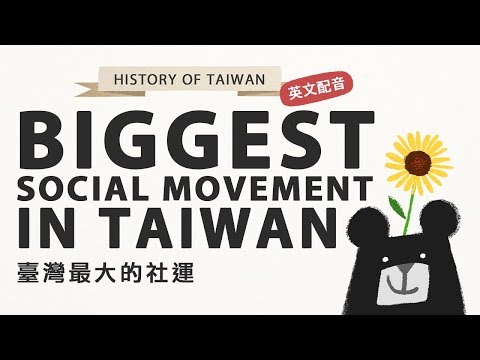
『日治時期的社會運動 ft. 博恩配音 the Biggest Social Movement in Taiwan 』History of Taiwan-《動畫臺灣史》 EP3
0
Courtney Shih posted on 2022/08/16Ever wondered about the biggest social movements in Taiwan's history? This animated episode dives into the 1920s under Japanese rule, featuring key figures like Lin Hsien-tang and Chiang Wei-shui and their amazing unarmed protests! You'll pick up some cool advanced vocabulary related to history and culture while following along with simple sentence structures.
Learn this video on the APP!
The VoiceTube App has more in-depth practice for videos!