
access
US /ˈæksɛs/
UK /'ækses/
- Noun (Countable/Uncountable)
- Way to enter a place, e.g. a station or stadium
- The opportunity or right to use something or to see someone.
- Transitive Verb
- To be able to use or have permission to use
A2TOEICMoreancient
US /ˈenʃənt/
UK /'eɪnʃənt/
- Adjective
- Very old; having lived a very long time ago
- Relating to a period in history, especially in the distant past.
- Noun
- A person who lived in ancient times.
A2Moreantiquity
US /ænˈtɪkwɪti/
UK /æn'tɪkwətɪ/
- Noun (Countable/Uncountable)
- Very old object
- An ancient period
B2Moreat any rate
US
UK
- Phrase
- Whatever happens; in any case; anyway.
at last
US /æt læst/
UK /æt lɑ:st/
- Adverb
- Finally; after a long delay.
B1Moreat least
US /æt list/
UK /æt li:st/
- Adverb
- As a minimum
- Not less than
- Phrase
- No less than; at the minimum
- Used to indicate that something is positive in a bad situation.
C2Moreat the same time
US
UK
- Phrase
- Simultaneously; at the identical moment.
- Nevertheless; however; used to introduce a contrasting or qualifying statement.
A1Moreat times
US /æt taɪmz/
UK /æt taɪmz/
- Phrase
- Sometimes; occasionally.
A1Moreauthor
US /ˈɔθɚ/
UK /'ɔ:θə(r)/
- Noun (Countable/Uncountable)
- Person who writes books, plays, poems etc.
- Transitive Verb
- To write book or articles
B1Morebar
US /bɑ:r/
UK /bɑ:(r)/
- Noun (Countable/Uncountable)
- Piece of (soap, chocolate etc.)
- Professional organization of lawyers and judges
- Transitive Verb
- To prevent entry, exit or an action
A2Morebased on
US
UK
- Phrasal Verb
- To use something as the foundation or starting point for something else.
- Preposition
- Using something as the main idea or foundation.
- Relying on something as evidence or justification.
A1Morebubble
US /ˈbʌbəl/
UK /ˈbʌbl/
- Countable Noun
- A small ball of air inside of a liquid
- Intransitive Verb
- (Of a liquid) to produce bubbles, as when boiling
- To show intense emotion, e.g. excitement, anger
B1TOEICMorecivic
US /ˈsɪvɪk/
UK /ˈsɪvɪk/
- Adjective
- Of a town or city; of rights or duties of citizens
B2Moreclassical
US /ˈklæsɪkəl/
UK /ˈklæsɪkl/
- Adjective
- Concerning the culture of ancient Greece or Rome
- (Of music) serious and traditional in form
B1Moreclothe
US /kloʊð/
UK /kləʊð/
- Transitive Verb
- To put a certain type of clothing on someone; dress
B1Morecompetence
US /ˈkɑmpɪtəns/
UK /ˈkɒmpɪtəns/
- Noun (Countable/Uncountable)
- Ability to do in a fully satisfactory way
- The quality of being adequately or well qualified; the state of being competent.
B2Morecontrary to
US /ˈkɑnˌtrɛri tu/
UK /ˈkɔntrəri tu:/
- Preposition
- In opposition to; against.
- Differing from; not in agreement with.
A1Morecultural
US /ˈkʌltʃərəl/
UK /ˈkʌltʃərəl/
- Adjective
- Of a particular society's customs and beliefs
- Of arts, music, literature, theater
A2Moredue to
US /du tu/
UK /dju: tu:/
- Preposition
- Because of; owing to
- Adjective
- Attributable to; caused by.
A1Moreeconomic
US /ˌɛkəˈnɑmɪk, ˌikə-/
UK /ˌi:kəˈnɒmɪk/
- Adjective
- Concerning trade, industry, and money
- Financially worthwhile; profitable.
- Noun
- A system relating to economics
- A factor relating to economics
A2Moreelegance
US /ˈɛlɪɡəns/
UK /'elɪɡəns/
- Uncountable Noun
- Quality of grace, style, or beauty
B2Moreera
US /'ɪrə/
UK /'ɪərə/
- Noun
- Period characterized by particular events, people
- A major division of geological time, usually divided into periods.
B1Moreexceedingly
US /ɪkˈsidɪŋli/
UK /ɪkˈsi:dɪŋli/
- Adverb
- To an extreme degree
B1Morefeel like
US
UK
- Intransitive Verb
- To have a desire or inclination for something.
- To have a particular quality or sensation; resemble.
A1Morefinance
US /fəˈnæns, faɪ-, ˈfaɪˌnæns/
UK /ˈfaɪnæns/
- Uncountable Noun
- Control of money a person, business has access to
- Adjective
- Concerned with money
A2TOEICMorefocus
US /ˈfokəs/
UK /'fəʊkəs/
- Verb (Transitive/Intransitive)
- To see clearly by adjusting your eyes or a camera
- To keep your attention, concentration on one thing
- Noun (Countable/Uncountable)
- Main purpose or center of interest or activity
- The clarity of an image produced by a lens.
A2TOEICMorefor example
US
UK
- Phrase
- As an illustration or instance.
for instance
US /fɔr ˈɪnstəns/
UK /fɔ: ˈinstəns/
- Adverb
- As an example.
- Phrase
- As an example.
- As an illustration or case in point
B1Morefor now
US /fɔr naʊ/
UK /fɔ: nau/
- Phrase
- Temporarily; for the present time.
- In the short term; for the immediate future.
A1Moregot to
US /ɡɑt tu/
UK /gɔt tu:/
- Verb (Transitive/Intransitive)
- To arrive at some place
- To have the opportunity or permission to do something
- Phrasal Verb
- To appeal to the emotions of; move
- To finally begin to start something after a delay
A1Moreguild
US /ɡɪld/
UK /ɡɪld/
- Countable Noun
- Association of people with same job/interests
B2Morehave to
US /hæv tu/
UK /ˈhæv tə/
- Auxiliary Verb
- Must do
A1Morein fact
US /ɪn fækt/
UK /in fækt/
- Adverb
- Used to emphasize the truth of a statement, especially one that contrasts with or contradicts something else.
- Used to introduce a more detailed or surprising piece of information.
- Phrase
- Used to emphasize the truth of a statement, especially one that is surprising or contrary to what might be expected.
C1Morein general
US /ɪn ˈdʒɛnərəl/
UK /in ˈdʒenərəl/
- Phrase
- Typically; usually; on the whole.
- Not specific or detailed; broadly.
- Adjective
- Not detailed or specific; overall.
C2Morein order to
US /ɪn ˈɔrdɚ tu/
UK /in ˈɔ:də tu:/
- Preposition
- For the purpose of; with the aim of.
- Phrase
- In a specific sequence or arrangement.
- With the aim of; for the purpose of.
C1Morein part
US /ɪn pɑrt/
UK /in pɑ:t/
- Adverb
- To some extent; partially.
A1Morein the dark
US /ɪn ði dɑrk/
UK /in ðə dɑ:k/
- Adjective
- Uninformed about something; unaware.
- Phrase
- In a state of secrecy or ignorance.
- In a place with little or no light.
A1Morein truth
US
UK
- Phrase
- In fact; actually; really
A1Morein turn
US
UK
- Adverb
- One after the other in a sequence or rotation.
A1Moreintellectual
US /ˌɪntlˈɛktʃuəl/
UK /ˌɪntəˈlektʃuəl/
- Noun (Countable/Uncountable)
- connected with or using a person’s ability to think in a logical way and understand things
- a person who is well educated and enjoys activities in which they have to think seriously about things
- Adjective
- Relating to the intellect or mental understanding.
- Appealing to or requiring the use of the intellect.
B1Moreinvasion
US /ɪnˈveʒən/
UK /ɪnˈveɪʒn/
- Uncountable Noun
- Entry into a place to cause harm
- An unwelcome intrusion into another's domain.
B1Morelatin
US /ˈlætn/
UK /ˈlætɪn/
- Uncountable Noun
- Ancient Roman language affecting many languages
- Adjective
- Of or typical of a Spanish-speaking culture
C2Morelogic
US /ˈlɑ:dʒɪk/
UK /ˈlɒdʒɪk/
- Uncountable Noun
- Proper, valid sensible reasoning
- Scientific study of reasoning
A2Moreof course
US /ʌv kɔː(r)s/
UK /ɔv kɔː(r)s/
- Adverb
- Sure ; Certainly
- Phrase
- For sure; certainly
A2Moreoften seen
US
UK
- Adjective
- Frequently observed; commonly encountered.
- Frequently observed, especially due to popularity or prevalence.
A1Moreordinary
US /ˈɔ:rdneri/
UK /'ɔ:dnrɪ/
- Adjective
- Normal or usual
- Of the rank of ordinary seaman.
- Noun
- An ecclesiastical judge or official having ordinary jurisdiction in a given area.
- Any of several simple and basic geometrical figures.
A2TOEICMoreout there
US /aʊt ðɛr/
UK /aut ðɛə/
- Adverb
- In or to a place that is far away
- Existing in the universe
- Adjective
- Unconventional; strange; avant-garde
- Existing or available.
A1Morepiggy
US /ˈpɪɡi/
UK /'pɪɡɪ/
- Noun
- Childish name for pig
B2Moreplump
US /plʌmp/
UK /plʌmp/
- Adjective
- Large and round; slightly fat, in a pleasant way
B2Morepolitical
US /pəˈlɪtɪkəl/
UK /pəˈlɪtɪkl/
- Adjective
- Being active or interested in government matters
- Diplomatic
A2Moreporcelain
US /ˈpɔrsəlɪn, ˈpor-, ˈpɔrslɪn, ˈpors-/
UK /ˈpɔ:səlɪn/
- Uncountable Noun
- Shiny, delicate substance used to make dishes
- Countable Noun
- An object made of porcelain.
C1Moreprotest
US /ˈproʊtɛst/
UK /'prəʊtest/
- Verb (Transitive/Intransitive)
- To argue against something in a forceful way
- To express a strong objection or dislike
- Noun
- Forceful argument against something
- Objection to something
A2Morepsyche
US /ˈsaɪki/
UK /ˈsaɪki/
- Noun
- Soul, mind, or feelings of a person or group
C2Morerather than
US
UK
- Adverb
- More exactly; more correctly
- Preferably; instead
- Preposition
- Instead of
A1Morerealistically
US /ˌrɪəˈlɪstɪklɪ/
UK /ˌri:əˈlɪstɪkli/
- Adverb
- In a practical manner; taking context into account
A2Morerenaissance
US /ˈrenəsɑ:ns/
UK /rɪˈneɪsns/
- Noun (Countable/Uncountable)
- Period of intense activity in art and science
- Renewed interest in a particular field or subject
- Adjective
- Relating to or characteristic of the Renaissance.
B1Morerevival
US /rɪˈvaɪvəl/
UK /rɪˈvaɪvəl/
- Noun (Countable/Uncountable)
- Process of becoming active, strong or alive again
- New revised version of a play or movie
B2Morerhetoric
US /ˈrɛtərɪk/
UK /ˈretərɪk/
- Uncountable Noun
- The study of public speaking or writing techniques
B2TOEICMorerun by
US
UK
- Phrasal Verb
- To be managed or controlled by someone or a group.
- To show or tell something to someone briefly to get their opinion or approval.
A1Moresame time
US
UK
- Phrase
- Occurring simultaneously or at the same point in time.
- At the identical time as before; recurring at a fixed hour.
- Noun
- An equal duration or period.
A1Moresee in
US /si ɪn/
UK /si: in/
- Phrasal Verb
- To accompany someone to the entrance of a building or room.
A1Moresponsor
US /ˈspɑ:nsə(r)/
UK /ˈspɒnsə(r)/
- Noun
- Person that supports the passage of a new law
- Person giving money for someone's education
- Transitive Verb
- To support the passage of a new law
- To help someone succeed by giving them money
B1TOEICMoresuccessive
US /səkˈsɛsɪv/
UK /səkˈsesɪv/
- Adjective
- Happening one after another in a series
B2Moreto some extent
US /tu sʌm ɪkˈstɛnt/
UK /tu: sʌm iksˈtent/
- Phrase
- Partially; not completely.
A1Moretremendously
US /trɪˈmɛndəslɪ/
UK /trə'mendəslɪ/
- Adverb
- Very well or very impressively
B1Moreused to
US /juzd tu/
UK /ˈju:st tə/
- Adjective
- Did regularly before, but don't do now
- Auxiliary Verb
- Have done before, but do not do now
A1Moreusher in
US
UK
- Phrasal Verb
- To mark the start of something new; to introduce or initiate.
A1Morevenetian
US
UK
- Adjective
- From Venice, Italy
B2Morevow
US /vaʊ/
UK /vaʊ/
- Countable Noun
- Very serious promise
- Verb (Transitive/Intransitive)
- To make a serious, often a religious, promise
B2Morewealth
US /wɛlθ/
UK /welθ/
- Uncountable Noun
- Amount of money or possessions you own, e.g. large
A2TOEICMorewealthy
US /ˈwɛlθi/
UK /ˈwelθi/
- Adjective
- Having a great quantity of money or property
A2Morewith just
US
UK
- Phrase
- Using only; with no more than.
- Barely; by a narrow margin.
A2Morework in
US /wɚk ɪn/
UK /wə:k in/
- Phrasal Verb
- To make an opening for something in your schedule
- To fit person/thing into a schedule or sequence
A1Morewrite in
US
UK
- Phrasal Verb
- To add text to a document or form.
- To vote for a candidate whose name is not printed on the ballot by writing it in.
A1More
Vocabulary
- in fact: Used to emphasize the truth of a statement, especially one that contrasts with or contradicts something else.
- of course: Sure ; Certainly
- at any rate: Whatever happens; in any case; anyway.
- at least: As a minimum
- for example: As an illustration or instance.
- see in: To accompany someone to the entrance of a building or room.
- in part: To some extent; partially.
- due to: Because of; owing to
- to some extent: Partially; not completely.
- feel like: To have a desire or inclination for something.
- usher in: To mark the start of something new; to introduce or initiate.
- in the dark: Uninformed about something; unaware.
- based on: To use something as the foundation or starting point for something else.
- write in: To add text to a document or form.
- work in: To make an opening for something in your schedule
- for instance: As an example.
- out there: In or to a place that is far away
- used to: Did regularly before, but don't do now
- in turn: One after the other in a sequence or rotation.
- run by: To be managed or controlled by someone or a group.
- rather than: More exactly; more correctly
- at the same time: Simultaneously; at the identical moment.
- same time: Occurring simultaneously or at the same point in time.
- got to: To arrive at some place
- in order to: For the purpose of; with the aim of.
- in truth: In fact; actually; really
- at times: Sometimes; occasionally.
- for now: Temporarily; for the present time.
- contrary to: In opposition to; against.
- at last: Finally; after a long delay.
- often seen: Frequently observed; commonly encountered.
- in general: Typically; usually; on the whole.
- with just: Using only; with no more than.
- have to: Must do
- access: Way to enter a place, e.g. a station or stadium
- ancient: Very old; having lived a very long time ago
- intellectual: connected with or using a person’s ability to think in a logical way and understand things
- political: Being active or interested in government matters
- ordinary: Normal or usual
- draw: To attract attention to someone or something
- mean: Average of a set of numbers
- renaissance: Period of intense activity in art and science
- rhetoric: The study of public speaking or writing techniques
- protest: To argue against something in a forceful way
- rate: To assess something or consider its qualities
- wealth: Amount of money or possessions you own, e.g. large
- era: Period characterized by particular events, people
- author: Person who writes books, plays, poems etc.
- invasion: Entry into a place to cause harm
- century: Period of 100 years
- important: Having power or authority
- allow: To admit the validity or truth of something
- economic: Concerning trade, industry, and money
- fully: Completely or entirely
- fact: Something that is known or proved to be true
- sound: Sensible, dependable and reliable
- finance: Control of money a person, business has access to
- crash: To damage an object by causing it to hit something
- learn: To get knowledge or skills by study or experience
- vow: Very serious promise
- language: Words or signs used to communicate messages
- sponsor: Person that supports the passage of a new law
- natural: Being as one would expect; being usual or normal
- middle: Place that is halfway between two things
- rise: To wake up and get out of bed after sleeping
- competence: Ability to do in a fully satisfactory way
- wealthy: Having a great quantity of money or property
- porcelain: Shiny, delicate substance used to make dishes
- focus: To see clearly by adjusting your eyes or a camera
- realistically: In a practical manner; taking context into account
- bubble: A small ball of air inside of a liquid
- tremendously: Very well or very impressively
- cultural: Of a particular society's customs and beliefs
- bar: Piece of (soap, chocolate etc.)
- logic: Proper, valid sensible reasoning
- psyche: Soul, mind, or feelings of a person or group
- revival: Process of becoming active, strong or alive again
- plump: Large and round; slightly fat, in a pleasant way
- antiquity: Very old object
- successive: Happening one after another in a series
- exceedingly: To an extreme degree
- civic: Of a town or city; of rights or duties of citizens
- elegance: Quality of grace, style, or beauty
- guild: Association of people with same job/interests
- classical: Concerning the culture of ancient Greece or Rome
- clothe: To put a certain type of clothing on someone; dress
- latin: Ancient Roman language affecting many languages
- piggy: Childish name for pig
- venetian: From Venice, Italy
Get the full experience in the app
Learn anywhere with detailed sentence and usage analysis
01:03
She took a brave step forward, leaving behind her comfort zone to chase her dreams.
Vocabulary
- brave
adj. Having courage
- comfort zone
phr. A familiar situation where one feels safe
Explanation
a brave step is a noun phrase, where brave is an adjective modifying the noun step, meaning "a courageous step".
forward is an adverb modifying step, meaning "ahead".
The whole phrase serves as the object, answering the "what" of took (verb) — she took a brave step forward.
Get the full experience in the app
Look up words anytime with pronunciation, part of speech, and usage
brave
US/brev/
UK/breɪv/
adj.Brave
v.t.To bravely face
A2 Elementary
Get the full experience in the app
Practice speaking anytime and get instant pronunciation feedback
Try this speaking exercise.
Try practicing with this sentence.
80
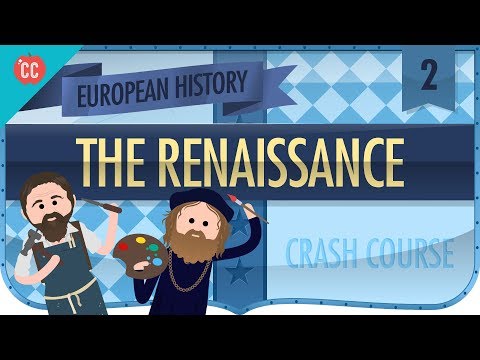
Florence and the Renaissance: Crash Course European History #2
0
April Lu posted on 2019/09/21Ever wondered how Florence became the cradle of the Renaissance? This Crash Course video dives into the incredible world of Humanism, the Medici family's influence, and the artistic explosion that changed Europe forever! You'll pick up some fantastic advanced vocabulary and gain a deeper understanding of this pivotal historical period.
Learn this video on the APP!
The VoiceTube App has more in-depth practice for videos!