
ambitious
US /æmˈbɪʃəs/
UK /æmˈbɪʃəs/
- Adjective
- Having the desire to be successful in life, work
A2TOEICMoreas well as
US /æz wɛl æz/
UK /æz wel æz/
- Adverb
- Also; in addition to
- Preposition
- In addition to; and also.
A1Moreat home
US /æt hom/
UK /æt həum/
- Phrase
- In one's own residence or country.
- Adjective
- Feeling comfortable and relaxed.
at night
US /æt naɪt/
UK /æt nait/
- Phrase
- During the night; in the nighttime.
A1Moreat the same time
US
UK
- Phrase
- Simultaneously; at the identical moment.
- Nevertheless; however; used to introduce a contrasting or qualifying statement.
A1Morebacterial
US /bæk'tɪərɪrl/
UK /bæk'tɪərɪəl/
- Adjective
- Concerning or caused by bacteria
B2Morebloodstream
US /ˈblʌdˌstrim/
UK /ˈblʌdstri:m/
- Uncountable Noun
- Blood flowing through the circulatory system
C2Morebrilliant
US /ˈbrɪljənt/
UK /'brɪlɪənt/
- Adjective
- Having a great amount of intelligence or talent
- Being very bright, like a diamond; shining
- Noun
- A diamond or other gem cut in a particular form with many facets to have exceptional brilliance.
A2Morebug
US /bʌɡ/
UK /bʌɡ/
- Transitive Verb
- To bother someone
- To hide an electronic device to spy on someone
- Countable Noun
- An insect
- Problem in the functioning of computer code
B1Morecalibrate
US /ˈkæləˌbret/
UK /ˈkælɪbreɪt/
- Transitive Verb
- To adjust an instrument to take exact measurements
C1Moreclock in
US
UK
- Phrasal Verb
- To record the time of one's arrival at work, typically using a time clock.
A1Morecome from
US /kʌm frʌm/
UK /kʌm frɔm/
- Phrasal Verb
- To have as your native country or city
A1Morecozy
US /ˈkozi/
UK /'kəʊzɪ/
- Adjective
- Comfortable, warm, pleasant, and often, small
B1Morecurious
US /ˈkjʊriəs/
UK /ˈkjʊəriəs/
- Adjective
- Wanting to know more about something
- Attracting interest by being strange or unusual
A2Moredip
US /dɪp/
UK /dɪp/
- Intransitive Verb
- To decrease or lower temporarily
- Noun (Countable/Uncountable)
- Food or sauce eaten with crackers/raw vegetables
- Place on surface (e.g. a road) lower than the rest
B1Moredull
US /dʌl/
UK /dʌl/
- Adjective
- Not exciting or interesting; boring; lifeless
- Being dim, not so bright and hard to see
- Transitive Verb
- To cause a thing to become less sharp/less bright
A2Moreelevate
US /ˈɛləˌvet/
UK /ˈelɪveɪt/
- Transitive Verb
- To make something higher
- To raise something in status, importance, feeling
B2Moreemit
US /ɪˈmɪt/
UK /ɪ'mɪt/
- Transitive Verb
- To release or send out (a gas, etc.)
B1Moreengage
US /ɪn'gedʒ/
UK /ɪn'ɡeɪdʒ/
- Transitive Verb
- To start to fight with an enemy
- To hire someone for a task or job
A2TOEICMorefever
US /ˈfivɚ/
UK /'fi:və(r)/
- Noun (Countable/Uncountable)
- A high body temperature, indicating illness
- State of excited emotion or activity
- Transitive Verb
- To cause to have a fever.
B1Morefigure out
US /ˈfɪɡjɚ aʊt/
UK /ˈfiɡə aut/
- Phrasal Verb
- To understand the behavior of someone
- To think through logically to find a solution
- Verb (Transitive/Intransitive)
- To understand or find an answer to something.
- To find a solution to a problem or understand something.
A1Morefluctuation
US /ˌflʌktʃʊˈeʃən/
UK /ˌflʌktʃʊ'eɪʃn/
- Uncountable Noun
- Act or process of varying continuously in strength
B1TOEICMorefor example
US
UK
- Phrase
- As an illustration or instance.
for instance
US /fɔr ˈɪnstəns/
UK /fɔ: ˈinstəns/
- Adverb
- As an example.
- Phrase
- As an example.
- As an illustration or case in point
B1Morefor short
US /fɔr ʃɔrt/
UK /fɔ: ʃɔ:t/
- Phrase
- As a shortened form of a name or phrase.
A1Moregross
US /ɡros/
UK /ɡrəʊs/
- Noun (Countable/Uncountable)
- 144 of something; twelve dozen of something
- Total sum of money earned before costs and taxes
- Transitive Verb
- To earn an amount of money before costs and taxes
B1TOEICMorehave to
US /hæv tu/
UK /ˈhæv tə/
- Auxiliary Verb
- Must do
A1Morehypothalamus
US /ˌhaɪpoˈθæləməs/
UK /ˌhaɪpəˈθæləməs/
- Noun
- Basal part of the diencephalon governing autonomic nervous system
C1Moreimmune
US /ɪˈmjoon/
UK /ɪˈmju:n/
- Adjective
- Having a special protection from, e.g. the law
- Protected against a particular disease or condition because of antibodies or vaccination.
B1Morein general
US /ɪn ˈdʒɛnərəl/
UK /in ˈdʒenərəl/
- Phrase
- Typically; usually; on the whole.
- Not specific or detailed; broadly.
- Adjective
- Not detailed or specific; overall.
C2Moreinfect
US /ɪnˈfɛkt/
UK /ɪn'fekt/
- Transitive Verb
- To introduce a computer virus to
- To give a disease, bacteria or virus to
B1Moreinfluence
US / ˈɪnfluəns/
UK /'ɪnflʊəns/
- Verb (Transitive/Intransitive)
- To affect or change something indirectly
- To persuade someone to do something.
- Noun (Countable/Uncountable)
- The power to affect what happens, to persuade etc.
- A person or thing that affects someone or something in an important way.
A2TOEICMoreinfo
US /ˈɪnfoʊ/
UK /ˈɪnfəʊ/
- Uncountable Noun
- Shortened form of the word 'information'
B2Moreinstance
US /ˈɪnstəns/
UK /'ɪnstəns/
- Noun (Countable/Uncountable)
- An example of something; case
- An occurrence of something.
- Transitive Verb
- To give as an example of something else
A2TOEICMoreinstead of
US /ɪnˈstɛd ʌv/
UK /inˈsted ɔv/
- Preposition
- When one thing is replaced by another
- Adverb
- As a substitute or alternative.
A1Moreinternal
US /ɪnˈtɚnəl/
UK /inˈtə:nəl/
- Adjective
- Being or happening in the body
- Being, happening in a country, state, organization
B1TOEICMoreintruder
US /ɪn'tru:dər/
UK /ɪn'tru:də(r)/
- Countable Noun
- A burglar; robber
B2Morelead to
US /lid tu/
UK /li:d tu:/
- Phrasal Verb
- To result in some action
- Verb (Transitive/Intransitive)
- To have something as a consequence or result.
A1Moremalaria
US /məˈlɛriə/
UK /məˈleəriə/
- Noun
- Disease caused by being bitten by a mosquito
B2Morenasty
US /ˈnæsti/
UK /'nɑ:stɪ/
- Adjective
- Very bad, unpleasant, or offensive
- Unkind; unpleasant.
A2Morenucleus
US /ˈnu:kliəs/
UK /ˈnju:kliəs/
- Noun
- Center of an atom
- Control center of a cell
B2Moreoccur
US /əˈkɚ/
UK /əˈkɜ:(r)/
- Intransitive Verb
- To come to pass or to happen
- To be found to exist; to be present.
A2TOEICMoreof course
US /ʌv kɔː(r)s/
UK /ɔv kɔː(r)s/
- Adverb
- Sure ; Certainly
- Phrase
- For sure; certainly
A2Moreover time
US /ˈovɚ taɪm/
UK /ˈəuvə taim/
- Phrase
- Gradually; as time passes.
- During a long period.
- Adverb
- Gradually; as time passes.
B1Morepattern
US /ˈpætən/
UK /'pætn/
- Noun (Countable/Uncountable)
- Model to follow in making or doing something
- Colors or shapes which are repeated on objects
- Transitive Verb
- To copy the way something else is made
- To decorate with a pattern.
A2TOEICMorepneumonia
US /nu:ˈmoʊniə/
UK /nju:ˈməʊniə/
- Uncountable Noun
- Serious illness affecting the lungs and breathing
B2Morepremium
US /ˈprimiəm/
UK /ˈpri:miəm/
- Adjective
- Having a higher than normal quality
- Relating to or denoting a higher quality or more expensive product.
- Noun
- Money paid as a fee for insurance
- An additional sum of money paid above the usual price.
B1TOEICMorepush through
US /pʊʃ θru/
UK /puʃ θru:/
- Phrasal Verb
- To continue with a plan or activity despite difficulties or opposition.
- To make progress by pushing people or things aside.
B1Moreramp
US /ræmp/
UK /ræmp/
- Noun
- Path that increases in height as you walk up it
- Transitive Verb
- To slope or incline; (phrasal: ramp up) to increase the level or amount of something sharply; to furnish with a sloping surface.
B2Morerhythm
US /ˈrɪðəm/
UK /ˈrɪðəm/
- Noun (Countable/Uncountable)
- Pattern of events, motions, or changes
- A pattern of sound and beats in music
A2Moresame time
US
UK
- Phrase
- Occurring simultaneously or at the same point in time.
- At the identical time as before; recurring at a fixed hour.
- Noun
- An equal duration or period.
A1Morespike
US /spaɪk/
UK /spaɪk/
- Noun
- The top point in a graph
- Long, thin metal rod that ends in a point
- Intransitive Verb
- To go up to a point on a graph
B2Morestick
US /stɪk/
UK /stɪk/
- Verb (Transitive/Intransitive)
- To push a sharp or pointed object into something
- To join together using glue or paste
- Countable Noun
- Long thin piece of wood from a tree
A2Morestoke
US /stok/
UK /stəʊk/
- Transitive Verb
- To add fuel or tend a fire to make it stronger
C1Moresubscription
US /səbˈskrɪpʃən/
UK /səbˈskrɪpʃn/
- Noun (Countable/Uncountable)
- Regular payment for a service, magazine etc.
B1TOEICMoresunset
US /ˈsʌnˌsɛt/
UK /ˈsʌnset/
- Noun
- Daily disappearance of the sun
B2Moretag
US /tæɡ/
UK /tæɡ/
- Noun (Countable/Uncountable)
- Child's game in which one person chases the others
- A name or label on something or someone
- Transitive Verb
- To apply a name or label to something or someone
- To touch someone you are chasing in a game
B1Moretend
US /tɛnd/
UK /tend/
- Intransitive Verb
- To move or act in a certain manner
- Transitive Verb
- To take care of
A2Morethanks to
US /θæŋks tu/
UK /θæŋks tu:/
- Preposition
- Because of; as a result of.
A1Morethermostat
US /ˈθɜ:rməstæt/
UK /ˈθɜ:məstæt/
- Noun
- Instrument that controls temperature in buildings
C1Moretoasty
US /'toʊstɪ/
UK /'təʊstɪ/
- Adjective
- Warm and comfortable
B2Moretrack
US /træk/
UK /træk/
- Transitive Verb
- To use marks to follow a wild animal
- To move a certain way/follow a particular course
- Noun
- A circular course for running
- Course or way someone takes, e.g. in education
A2TOEICMoretrigger
US /ˈtrɪɡɚ/
UK /'trɪɡə(r)/
- Noun
- Lever on a gun that you pull to fire
- Device that starts a process
- Transitive Verb
- To start a process off e.g. a memory
- To cause something to begin or happen.
B1Moretyphoid
US /ˈtaɪˌfɔɪd/
UK /ˈtaɪfɔɪd/
- Uncountable Noun
- Serious waterborne illness
B2Moretypically
US /ˈtɪpɪklɪ/
UK /ˈtɪpɪkli/
- Adverb
- In a normal or usual way
B1Morevariety
US /vəˈraɪɪti/
UK /və'raɪətɪ/
- Noun
- Particular type of thing or person
- The quality or state of being different or diverse; the absence of uniformity, sameness, or monotony.
A2TOEICMore
Vocabulary
- at night: During the night; in the nighttime.
- thanks to: Because of; as a result of.
- as well as: Also; in addition to
- for example: As an illustration or instance.
- of course: Sure ; Certainly
- push through: To continue with a plan or activity despite difficulties or opposition.
- for short: As a shortened form of a name or phrase.
- clock in: To record the time of one's arrival at work, typically using a time clock.
- come from: To have as your native country or city
- for instance: As an example.
- instead of: When one thing is replaced by another
- lead to: To result in some action
- over time: Gradually; as time passes.
- figure out: To understand the behavior of someone
- at the same time: Simultaneously; at the identical moment.
- in general: Typically; usually; on the whole.
- same time: Occurring simultaneously or at the same point in time.
- at home: In one's own residence or country.
- have to: Must do
- stick: To push a sharp or pointed object into something
- immune: Having a special protection from, e.g. the law
- rhythm: Pattern of events, motions, or changes
- engage: To start to fight with an enemy
- nasty: Very bad, unpleasant, or offensive
- gross: 144 of something; twelve dozen of something
- trigger: Lever on a gun that you pull to fire
- pattern: Model to follow in making or doing something
- instance: An example of something; case
- tend: To move or act in a certain manner
- typically: In a normal or usual way
- sense: Certain mental feeling or emotion
- brilliant: Having a great amount of intelligence or talent
- variety: Particular type of thing or person
- curious: Wanting to know more about something
- track: To use marks to follow a wild animal
- influence: To affect or change something indirectly
- cozy: Comfortable, warm, pleasant, and often, small
- dull: Not exciting or interesting; boring; lifeless
- ambitious: Having the desire to be successful in life, work
- spike: The top point in a graph
- occur: To come to pass or to happen
- pneumonia: Serious illness affecting the lungs and breathing
- brain: To strike someone forcefully on the head
- circadian: Concerning biological processes occurring at -hour intervals
- premium: Having a higher than normal quality
- subject: The person, thing, or idea that is being discussed, described, or studied.
- dip: To decrease or lower temporarily
- internal: Being or happening in the body
- receive: To get something someone has given or sent to you
- ramp: Path that increases in height as you walk up it
- emit: To release or send out (a gas, etc.)
- malaria: Disease caused by being bitten by a mosquito
- bloodstream: Blood flowing through the circulatory system
- control: A device designed to operate a machine
- system: Set of organized, planned ideas that work together
- support: To give assistance or advice to someone
- fever: A high body temperature, indicating illness
- rise: To wake up and get out of bed after sleeping
- hypothalamus: Basal part of the diencephalon governing autonomic nervous system
- daily: Happening every day
- thermostat: Instrument that controls temperature in buildings
- nucleus: Center of an atom
- subscription: Regular payment for a service, magazine etc.
- downtime: Time when (machine, factory) is not operating
- bug: To bother someone
- elevate: To make something higher
- feel: To be aware of or experience an emotion, sensation
- tag: Child's game in which one person chases the others
- intruder: A burglar; robber
- keep: Large, strong tower in the middle of a castle
- fluctuation: Act or process of varying continuously in strength
- time: Speed at which music is played; tempo
- infect: To introduce a computer virus to
- toasty: Warm and comfortable
- calibrate: To adjust an instrument to take exact measurements
- call: A order or request for action
- stoke: To add fuel or tend a fire to make it stronger
- bacterial: Concerning or caused by bacteria
- sunset: Daily disappearance of the sun
- typhoid: Serious waterborne illness
- info: Shortened form of the word 'information'
Get the full experience in the app
Learn anywhere with detailed sentence and usage analysis
01:03
She took a brave step forward, leaving behind her comfort zone to chase her dreams.
Vocabulary
- brave
adj. Having courage
- comfort zone
phr. A familiar situation where one feels safe
Explanation
a brave step is a noun phrase, where brave is an adjective modifying the noun step, meaning "a courageous step".
forward is an adverb modifying step, meaning "ahead".
The whole phrase serves as the object, answering the "what" of took (verb) — she took a brave step forward.
Get the full experience in the app
Look up words anytime with pronunciation, part of speech, and usage
brave
US/brev/
UK/breɪv/
adj.Brave
v.t.To bravely face
A2 Elementary
Get the full experience in the app
Practice speaking anytime and get instant pronunciation feedback
Try this speaking exercise.
Try practicing with this sentence.
80
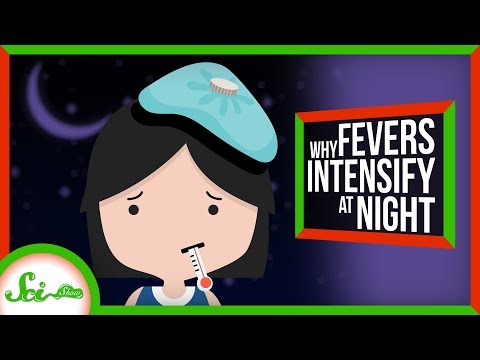
Why Do Fevers Get Worse at Night?
0
Jerry Liu posted on 2019/09/18Ever wonder why your fever seems to spike at night? This fascinating video dives into the science behind nighttime fevers, explaining how your circadian rhythm and immune system work together. You'll pick up some great advanced vocabulary related to health and biology while learning a practical fact about your body!
Learn this video on the APP!
The VoiceTube App has more in-depth practice for videos!