
academically
US /ˌækə'demɪklɪ/
UK /ˌækə'demɪklɪ/
- Adverb
- In regard to teaching or learning
B2Moreaccess
US /ˈæksɛs/
UK /'ækses/
- Noun (Countable/Uncountable)
- Way to enter a place, e.g. a station or stadium
- The opportunity or right to use something or to see someone.
- Transitive Verb
- To be able to use or have permission to use
A2TOEICMoreacute
US /əˈkjut/
UK /əˈkju:t/
- Adjective
- (Of an angle in math) of less than 90 degrees
- Strong; very serious or severe
B1Moreadmit
US /ædˈmɪt/
UK /əd'mɪt/
- Transitive Verb
- To acknowledge that something is true or right
- To allow someone to enter
A2TOEICMoreaffect
US /əˈfɛkt/
UK /ə'fekt/
- Transitive Verb
- To cause a change in something else
- To pretend to have or feel (something).
- Noun
- (Psychology) Emotion or feeling.
A2TOEICMoreaggression
US /əˈɡrɛʃən/
UK /əˈgreʃn/
- Uncountable Noun
- Use of energy and determination to achieve a goal
- Hostile or violent behavior or attitudes toward another; readiness to attack or confront.
B1Moreanalysis
US /əˈnælɪsɪs/
UK /əˈnæləsɪs/
- Uncountable Noun
- Careful study to better understand something
B1TOEICMoreanti
US /ˈæntaɪ, -ti/
UK /'æntɪ/
- Adjective
- A prefix meaning 'against' or 'opposed'
B2Moreas opposed to
US
UK
- Preposition
- In contrast to; rather than.
- Instead of; in place of.
A1Moreauthoritarian
US /əˌθɔ:rəˈteriən/
UK /ɔ:ˌθɒrɪˈteəriən/
- Noun
- Person expecting complete obedience
- Adjective
- Expecting complete obedience to your rules
- Favoring or enforcing strict obedience to authority, especially that of the government, at the expense of personal freedom.
B2Moreauthoritative
US /əˈθɔ:rəteɪtɪv/
UK /ɔ:ˈθɒrətətɪv/
- Adjective
- Being or from a knowledgeable or reliable source
B2Moreautonomy
US /ɔˈtɑnəmi/
UK /ɔ:'tɒnəmɪ/
- Uncountable Noun
- The power to make independent decisions
B1Moreavoid
US /əˈvɔɪd/
UK /ə'vɔɪd/
- Transitive Verb
- To prevent from happening
- To stay away from
A2TOEICMorebob
US /bɑ:b/
UK /bɒb/
- Intransitive Verb
- To move up and down repeatedly
- Proper Noun
- Person's name
B2Moreboost
US /bust/
UK /bu:st/
- Transitive Verb
- To increase something; to make something better
- To push someone or something up from beneath them
- Noun (Countable/Uncountable)
- An increase in something
B1TOEICMorechronic
US /ˈkrɑnɪk/
UK /'krɒnɪk/
- Adjective
- Always or often doing something, e.g. lying
- (Of disease) over a long time; serious
B1Morecognitive
US /ˈkɑɡnɪtɪv/
UK /ˈkɒgnətɪv/
- Adjective
- The process of knowing and remembering
- Relating to the ability to think and reason.
C1Morecorporal
US /ˈkɔrpərəl, ˈkɔrprəl/
UK /ˈkɔ:pərəl/
- Adjective
- Concerning or affecting the body
B2Moredepression
US /dɪˈprɛʃən/
UK /dɪ'preʃn/
- Noun (Countable/Uncountable)
- Medical condition of a lack of vitality
- Period of unemployment and low economic activity
B2Moredesire
US / dɪˈzaɪr/
UK /dɪ'zaɪə(r)/
- Transitive Verb
- To wish for, hope or want something
- Noun (Countable/Uncountable)
- Thing that is wished for or wanted
- A strong feeling of sexual wanting.
A2Morediscipline
US /ˈdɪsəplɪn/
UK /'dɪsəplɪn/
- Noun (Countable/Uncountable)
- Instruction and practice to teach obedience
- Particular field of study
- Transitive Verb
- To control or train others by making them obey you
- To punish a person for their wrongdoing
B1TOEICMoredue to
US /du tu/
UK /dju: tu:/
- Preposition
- Because of; owing to
- Adjective
- Attributable to; caused by.
A1Moreemotional
US /ɪˈmoʃənəl/
UK /ɪˈməʊʃənl/
- Adjective
- Causing, feeling, or appealing to the emotions
- Relating to or characterized by emotion
A2Moreestablish
US /ɪˈstæblɪʃ/
UK /ɪˈstæblɪʃ/
- Transitive Verb
- To set or create something to last for a long time
- To use facts, evidence to show truth or clarity
A2TOEICMoreesteem
US /ɪˈstim/
UK /ɪˈsti:m/
- Uncountable Noun
- Feeling of respect or admiration regarding someone
- Transitive Verb
- To regard with great respect or admiration
B2TOEICMoreextreme
US /ɪkˈstrim/
UK /ɪk'stri:m/
- Adjective
- Very great in degree
- Farthest from a center
- Noun
- Effort that is thought more than is necessary
- The furthest point or limit of something.
B1Morefor example
US
UK
- Phrase
- As an illustration or instance.
for free
US /fɔr fri/
UK /fɔ: fri:/
- Phrase
- Without charge; at no cost.
- Adjective
- Available without payment.
A2Moregenetically
US /dʒə'netɪklɪ/
UK /dʒə'netɪklɪ/
- Adverb
- Caused or controlled, or by genes
- By means of genes or genetic engineering.
B1Morehyper
US /'haɪpər/
UK /ˈhaɪpə(r)/
- Adjective
- Very excited or active
C1Moreimmune
US /ɪˈmjoon/
UK /ɪˈmju:n/
- Adjective
- Having a special protection from, e.g. the law
- Protected against a particular disease or condition because of antibodies or vaccination.
B1Moreimpact
US /ˈɪmˌpækt/
UK /'ɪmpækt/
- Noun
- A striking effect or result to hit with force
- Act or force of one thing hitting something else
- Verb (Transitive/Intransitive)
- To hit or strike someone or something with force
- To have a strong effect on someone or something.
A2TOEICMorein the world
US /ɪn ði wɜrld/
UK /in ðə wɜː(r)ld/
- Phrase
- Used to emphasize a question expressing surprise, confusion, disbelief
- Used to indicate the extent or degree of something, often in a superlative sense
A1Moreintelligence
US /ɪnˈtɛlədʒəns/
UK /ɪn'telɪdʒəns/
- Uncountable Noun
- Collection of secret information about something
- Ability to learn things or to consider situations
- Adjective
- Of the spying services; acting in secrecy
A2TOEICMorelook into
US /lʊk ˈɪntu/
UK /luk ˈɪntuː/
- Phrasal Verb
- To investigate or try to discover the reasons for
A1Morenegative
US /ˈnɛɡətɪv/
UK /'neɡətɪv/
- Noun
- The opposite to a positive electrical charge
- In grammar, containing words such as 'no' or 'not'
- Adjective
- Being harmful, unwanted or unhelpful
- In mathematics, being less than zero
A2Moreneglect
US /nɪˈɡlɛkt/
UK /nɪ'ɡlekt/
- Uncountable Noun
- Act of failing to do something important, required
- State or condition of not receiving proper care
- Transitive Verb
- To not do something that is important or required
- To fail to take care of something; ignore
B1TOEICMorephysically
US /ˈfɪzɪkəlɪ/
UK /'fɪzɪklɪ/
- Adverb
- In a manner related to the body
- Concerning reality or the laws of nature
A2Morepotentially
US /pəˈtɛnʃəlɪ/
UK /pə'tenʃəlɪ/
- Adverb
- That could happen or become reality
B1Morerebellious
US /rɪˈbɛljəs/
UK /rɪˈbeljəs/
- Adjective
- Wanting to do things your way; resisting authority
- Engaged in or relating to rebellion.
B1Moresatisfaction
US /ˌsætɪsˈfækʃən/
UK /ˌsætɪs'fækʃn/
- Uncountable Noun
- Happy feeling because of something that you did
- Providing enough to make someone happy
B1TOEICMoresignificantly
US /sɪɡˈnɪfəkəntlɪ/
UK /sɪgˈnɪfɪkəntli/
- Adverb
- In a way that is important or noticeable
- In a way that is meaningful
A2Moreslash
US /slæʃ/
UK /slæʃ/
- Noun (Countable/Uncountable)
- Line ( / ) used in writing
- Long, deep cut, caused by a sharp object
- Transitive Verb
- To cut violently with a sharp object
- To decrease something by a large amount
B2TOEICMorespank
US /spæŋk/
UK /spæŋk/
- Noun
- Hitting someone on the buttocks as punishment
- Transitive Verb
- To hit on the buttocks as punishment
C2Morestress
US / strɛs/
UK /stres/
- Transitive Verb
- To emphasize one or more parts of a word, sentence
- To put pressure on something or someone
- Noun (Countable/Uncountable)
- Emphasis on part of a word or sentence
- Pressure on something or someone
A2TOEICMorestrict
US /strɪkt/
UK /strɪkt/
- Adjective
- Tending to enforce rules; severe
- (Of orders) that must be obeyed
A2Moresuffer
US / ˈsʌfɚ/
UK /'sʌfə(r)/
- Verb (Transitive/Intransitive)
- To experience pain, illness, or injury
- To allow or permit something, especially something unpleasant.
A2Moresuffer from
US /ˈsʌfɚ frʌm/
UK /ˈsʌfə frɔm/
- Intransitive Verb
- To experience pain or distress; to be badly affected by.
A1Moresustain
US /səˈsten/
UK /sə'steɪn/
- Transitive Verb
- To lengthen or continue to do something
- To support or maintain someone or something
B2TOEICMorethanks to
US /θæŋks tu/
UK /θæŋks tu:/
- Preposition
- Because of; as a result of.
A1Moreup until now
US
UK
- Phrase
- Until the present time; so far.
A1Moreused to
US /juzd tu/
UK /ˈju:st tə/
- Adjective
- Did regularly before, but don't do now
- Auxiliary Verb
- Have done before, but do not do now
A1Moreviolence
US /ˈvaɪələns/
UK /ˈvaɪələns/
- Uncountable Noun
- Strong physical force of nature
- Use of physical force to harm someone
B1More
Vocabulary
- as opposed to: In contrast to; rather than.
- for example: As an illustration or instance.
- due to: Because of; owing to
- suffer from: To experience pain or distress; to be badly affected by.
- look into: To investigate or try to discover the reasons for
- thanks to: Because of; as a result of.
- in the world: Used to emphasize a question expressing surprise, confusion, disbelief
- for free: Without charge; at no cost.
- up until now: Until the present time; so far.
- used to: Did regularly before, but don't do now
- cognitive: The process of knowing and remembering
- chronic: Always or often doing something, e.g. lying
- discipline: Instruction and practice to teach obedience
- immune: Having a special protection from, e.g. the law
- depression: Medical condition of a lack of vitality
- access: Way to enter a place, e.g. a station or stadium
- boost: To increase something; to make something better
- esteem: Feeling of respect or admiration regarding someone
- improve: To make, or become, something better
- potentially: That could happen or become reality
- impact: A striking effect or result to hit with force
- negative: The opposite to a positive electrical charge
- extreme: Very great in degree
- intelligence: Collection of secret information about something
- emotional: Causing, feeling, or appealing to the emotions
- stress: To emphasize one or more parts of a word, sentence
- admit: To acknowledge that something is true or right
- significantly: In a way that is important or noticeable
- increase: To make or become larger in size or amount
- desire: To wish for, hope or want something
- strict: Tending to enforce rules; severe
- establish: To set or create something to last for a long time
- affect: To cause a change in something else
- autonomy: The power to make independent decisions
- suffer: To experience pain, illness, or injury
- avoid: To prevent from happening
- sustain: To lengthen or continue to do something
- physically: In a manner related to the body
- brain: To strike someone forcefully on the head
- neglect: Act of failing to do something important, required
- effect: An advantage, benefit
- raise: To increase a bet above another when playing cards
- rebellious: Wanting to do things your way; resisting authority
- acute: (Of an angle in math) of less than 90 degrees
- social: Involving activity with people, e.g. in free time
- slash: Line ( / ) used in writing
- scary: Causing fear; frightening
- violence: Strong physical force of nature
- noggin: A human head
- aggression: Use of energy and determination to achieve a goal
- satisfaction: Happy feeling because of something that you did
- analysis: Careful study to better understand something
- authoritarian: Person expecting complete obedience
- genetically: Caused or controlled, or by genes
- control: A device designed to operate a machine
- prefer: To like something better than something else
- support: To give assistance or advice to someone
- hyper: Very excited or active
- great: Very good; better than before
- remove: To get rid of something completely
- life: All the living things e.g. animals, plants, humans
- academically: In regard to teaching or learning
- anti: A prefix meaning 'against' or 'opposed'
- animator: The technician who produces animated cartoons
- bob: To move up and down repeatedly
- authoritative: Being or from a knowledgeable or reliable source
- spank: Hitting someone on the buttocks as punishment
- corporal: Concerning or affecting the body
Get the full experience in the app
Learn anywhere with detailed sentence and usage analysis
01:03
She took a brave step forward, leaving behind her comfort zone to chase her dreams.
Vocabulary
- brave
adj. Having courage
- comfort zone
phr. A familiar situation where one feels safe
Explanation
a brave step is a noun phrase, where brave is an adjective modifying the noun step, meaning "a courageous step".
forward is an adverb modifying step, meaning "ahead".
The whole phrase serves as the object, answering the "what" of took (verb) — she took a brave step forward.
Get the full experience in the app
Look up words anytime with pronunciation, part of speech, and usage
brave
US/brev/
UK/breɪv/
adj.Brave
v.t.To bravely face
A2 Elementary
Get the full experience in the app
Practice speaking anytime and get instant pronunciation feedback
Try this speaking exercise.
Try practicing with this sentence.
80
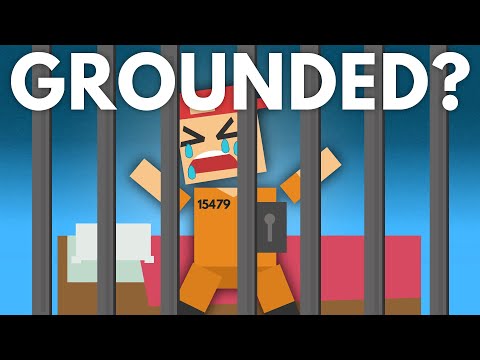
How DANGEROUS Are Strict Parents?
0
Helena posted on 2019/09/27Ever wondered about the impact of strict parenting? This animated explainer dives into the science behind different parenting styles, like helicopter parents, and their effects on child development. You'll pick up advanced vocabulary and gain cultural insights into child-rearing practices!
Learn this video on the APP!
The VoiceTube App has more in-depth practice for videos!