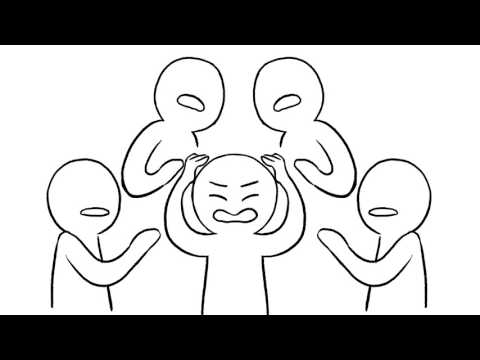

anxiety
US /æŋˈzaɪɪti/
UK /æŋ'zaɪətɪ/
- Uncountable Noun
- A feeling of worry, nervousness, or unease about something that might happen, especially when the outcome is uncertain.
B1Moreaware
US /əˈwɛr/
UK /əˈwɛə/
- Adjective
- Knowing or feeling that something exists
A2TOEICMoreawareness
US /əˈwɛrnɪs/
UK /əˈweənəs/
- Uncountable Noun
- Having knowledge of something
A2TOEICMorebinge
US /bɪndʒ/
UK /bɪndʒ/
- Verb (Transitive/Intransitive)
- To eat or drink too much at one time
C1Morechildhood
US /ˈtʃaɪldˌhʊd/
UK /ˈtʃaɪldhʊd/
- Uncountable Noun
- The time when you are a child
B1Morechronic
US /ˈkrɑnɪk/
UK /'krɒnɪk/
- Adjective
- Always or often doing something, e.g. lying
- (Of disease) over a long time; serious
B1Morecloseness
US /ˈklosnɪs/
UK /'kləʊsnəs/
- Uncountable Noun
- A feeling of being intimate and belonging together
B1Morecope
US /koʊp/
UK /kəʊp/
- Verb (Transitive/Intransitive)
- To deal with something in spite of difficulties
A2Morecope with
US /kop wɪð/
UK /kəup wið/
- Phrasal Verb
- To deal successfully with a difficult situation.
A1Morecorrelation
US /ˌkɔrəˈleʃən, ˌkɑr-/
UK /ˌkɒrəˈleɪʃn/
- Noun (Countable/Uncountable)
- The relationship between two variables
- A statistical measure that expresses the extent to which two variables are linearly related (meaning they change together at a constant rate).
B1Morecut off
US /kʌt ɔf/
UK /kʌt ɔf/
- Phrasal Verb
- To end a process, e.g. a phone call
- To cut the end of something
- Transitive Verb
- To isolate or prevent access to a place or person.
- To interrupt someone while they are speaking.
A1Moredepression
US /dɪˈprɛʃən/
UK /dɪ'preʃn/
- Noun (Countable/Uncountable)
- Medical condition of a lack of vitality
- Period of unemployment and low economic activity
B2Moredeserve
US /dɪˈzɚv/
UK /dɪ'zɜ:v/
- Transitive Verb
- To be worthy of, e.g. getting praise or attention
A2TOEICMorediagnose
US /ˌdaɪəgˈnoʊs/
UK /ˈdaɪəgnəʊz/
- Transitive Verb
- To determine the cause of an illness or problem
B1Moredisorder
US /dɪsˈɔrdɚ/
UK /dɪs'ɔ:də(r)/
- Uncountable Noun
- State of confusion or a lack of organization
- Illness when the body is not functioning well
- Transitive Verb
- To disrupt the order or arrangement of something.
B2Moredistort
US /dɪˈstɔrt/
UK /dɪ'stɔ:t/
- Transitive Verb
- To change the shape, appearance, or sound
- To exaggerate the truth or fact, e.g. to deceive
B1Moredue to
US /du tu/
UK /dju: tu:/
- Preposition
- Because of; owing to
- Adjective
- Attributable to; caused by.
A1Moreextreme
US /ɪkˈstrim/
UK /ɪk'stri:m/
- Adjective
- Very great in degree
- Farthest from a center
- Noun
- Effort that is thought more than is necessary
- The furthest point or limit of something.
B1Morefrantic
US /ˈfræntɪk/
UK /'fræntɪk/
- Adjective
- Frenzied; wild with excitement, worry etc.
B2TOEICMorefrustration
US /frʌˈstreʃən/
UK /frʌ'streɪʃn/
- Noun (Countable/Uncountable)
- Annoyance because things don't go the way you want
- The prevention of the progress, success, or fulfillment of something.
B1Morefunction
US /ˈfʌŋkʃən/
UK /'fʌŋkʃn/
- Noun
- Social event, or party such as a wedding
- Mathematical operation used in calculations
- Intransitive Verb
- To serve a certain purpose or role
- To be operating, working or achieving its purpose
A2TOEICMoreimpulsive
US /ɪmˈpʌlsɪv/
UK /ɪmˈpʌlsɪv/
- Adjective
- Acting without really thinking about it; rash
- (Psychology) Relating to or characterized by a sudden, involuntary inclination to do something.
B2Morein particular
US /ɪn pɚˈtɪkjəlɚ/
UK /in pəˈtikjulə/
- Phrase
- Specifically; especially.
- Detailed or precise.
A1Moreinappropriate
US /ˌɪnəˈpropriɪt/
UK /ˌɪnəˈprəʊpriət/
- Adjective
- Not appropriate or suitable for a situation
- Not in keeping with accepted standards of what is right or proper in polite society.
B1Moreinconsistent
US /ˌɪnkənˈsɪstənt/
UK /ˌɪnkənˈsɪstənt/
- Adjective
- Not tying together logically or with the facts
- Not staying the same in quality, behavior, or beliefs.
B1Moreintense
US /ɪnˈtɛns/
UK /ɪn'tens/
- Adjective
- Very strong, great or extreme in degree
- Experiencing or showing great force or strength; extreme.
A2TOEICMoreinterpersonal
US /ˌɪntərˈpɜ:rsənl/
UK /ˌɪntəˈpɜ:sənl/
- Adjective
- Occurring among or involving several people
B1Morelack
US /læk/
UK /læk/
- Verb (Transitive/Intransitive)
- To not have, or not have enough, of something
- Uncountable Noun
- The state of not having or not having enough of
A2TOEICMorelight on
US /laɪt ɑn/
UK /lait ɔn/
- Phrasal Verb
- To illuminate something.
- To discover something unexpectedly.
- Adjective
- Gentle or delicate in the use of something.
A1Moremental
US /ˈmɛntl/
UK /ˈmentl/
- Adjective
- Concerning the mind
A2TOEICMoremysterious
US /mɪˈstɪriəs/
UK /mɪˈstɪəriəs/
- Adjective
- Unusual; hard to understand or work out
A2Moreone being
US
UK
- Noun
- An individual existence; a person or creature.
- A single entity or individual, especially in a philosophical or spiritual context.
A1Moreparanoid
US /ˈpærəˌnɔɪd/
UK /ˈpærənɔɪd/
- Adjective
- Believing others are trying to harm you
- Believing others are trying to harm you
C1Morepattern
US /ˈpætən/
UK /'pætn/
- Noun (Countable/Uncountable)
- Model to follow in making or doing something
- Colors or shapes which are repeated on objects
- Transitive Verb
- To copy the way something else is made
- To decorate with a pattern.
A2TOEICMoreprogress
US /ˈprɑɡˌrɛs, -rəs, ˈproˌɡrɛs/
UK /'prəʊɡres/
- Verb (Transitive/Intransitive)
- To move forward or toward a place or goal
- To make progress; develop or improve.
- Uncountable Noun
- Act of moving forward
- The process of improving or developing something over a period of time.
A2TOEICMorereality
US /riˈælɪti/
UK /rɪ'ælətɪ/
- Noun (Countable/Uncountable)
- What is true, as opposed to what is imagined
- The state of things as they actually exist, rather than as they may appear or might be imagined.
A2Morereckless
US /ˈrɛklɪs/
UK /'rekləs/
- Adjective
- Being dangerous and not caring about the results
B2Moresevere
US /səˈvɪr/
UK /sɪ'vɪə(r)/
- Adjective
- Very bad; harsh
- (Of clothes, etc.) plain; simple; not decorated
A2TOEICMoreshed
US /ʃed/
UK /ʃed/
- Countable Noun
- Small building used for storage
- Verb (Transitive/Intransitive)
- To lose something as a natural process e.g. hair
- Got rid of something that was no longer wanted or needed.
B2Morestigma
US /ˈstɪɡmə/
UK /'stɪɡmə/
- Noun
- Mark of shame or disgrace
B2TOEICMorestress
US / strɛs/
UK /stres/
- Transitive Verb
- To emphasize one or more parts of a word, sentence
- To put pressure on something or someone
- Noun (Countable/Uncountable)
- Emphasis on part of a word or sentence
- Pressure on something or someone
A2TOEICMoresubscribe
US /səbˈskraɪb/
UK /səb'skraɪb/
- Verb (Transitive/Intransitive)
- To regularly pay to receive a service
B1TOEICMoresubstance
US /ˈsʌbstəns/
UK /'sʌbstəns/
- Uncountable Noun
- Essence of; most basic or central qualities
- Particular type of material
A2Moresuch as
US /sʌtʃ æz/
UK /sʌtʃ æz/
- Preposition
- For example; like
A1Moresuffer from
US /ˈsʌfɚ frʌm/
UK /ˈsʌfə frɔm/
- Intransitive Verb
- To experience pain or distress; to be badly affected by.
A1Moresuicidal
US /ˌsuɪˈsaɪdl/
UK /ˌsu:ɪˈsaɪdl/
- Adjective
- Feeling you may kill yourself; depressed
- Dangerous to yourself or your interests
B2Moretherapy
US /ˈθɛrəpi/
UK /'θerəpɪ/
- Noun (Countable/Uncountable)
- Treatment to help cure an illness
- Psychological counseling to help resolve personal or emotional problems.
B2Morethink of
US /θɪŋk ʌv/
UK /θiŋk ɔv/
- Phrasal Verb
- To look on as (being something specific); consider
- To consider or remember something.
- Verb (Transitive/Intransitive)
- To imagine or call something to mind
A1Moretraumatic
US /traʊˈmætɪk/
UK /trɔ:ˈmætɪk/
- Adjective
- Causing upsetting emotional effects over time
- Causing an injury
B2Moretrigger
US /ˈtrɪɡɚ/
UK /'trɪɡə(r)/
- Noun
- Lever on a gun that you pull to fire
- Device that starts a process
- Transitive Verb
- To start a process off e.g. a memory
- To cause something to begin or happen.
B1Moreunknown
US /ˌʌnˈnoʊn/
UK /ˌʌnˈnəʊn/
- Adjective
- Not being known or famous
- Being unfamiliar or not known
- Countable Noun
- Person who is not famous or known by many
B1Moreused to
US /juzd tu/
UK /ˈju:st tə/
- Adjective
- Did regularly before, but don't do now
- Auxiliary Verb
- Have done before, but do not do now
A1Moreway to go
US /we tu ɡo/
UK /wei tu: ɡəu/
- Interjection
- An expression of encouragement or approval.
- An expression of sarcasm after someone has made a mistake.
A1More
Vocabulary
- way to go: An expression of encouragement or approval.
- such as: For example; like
- suffer from: To experience pain or distress; to be badly affected by.
- think of: To look on as (being something specific); consider
- light on: To illuminate something.
- in particular: Specifically; especially.
- due to: Because of; owing to
- one being: An individual existence; a person or creature.
- cut off: To end a process, e.g. a phone call
- cope with: To deal successfully with a difficult situation.
- used to: Did regularly before, but don't do now
- subscribe: To regularly pay to receive a service
- anxiety: A feeling of worry, nervousness, or unease about something that might happen, especially when the outcome is uncertain.
- intense: Very strong, great or extreme in degree
- chronic: Always or often doing something, e.g. lying
- mental: Concerning the mind
- depression: Medical condition of a lack of vitality
- trigger: Lever on a gun that you pull to fire
- deserve: To be worthy of, e.g. getting praise or attention
- pattern: Model to follow in making or doing something
- progress: To move forward or toward a place or goal
- experience: Thing a person has done or that happened to them
- disorder: State of confusion or a lack of organization
- therapy: Treatment to help cure an illness
- severe: Very bad; harsh
- aware: Knowing or feeling that something exists
- extreme: Very great in degree
- stigma: Mark of shame or disgrace
- sense: Certain mental feeling or emotion
- traumatic: Causing upsetting emotional effects over time
- binge: To eat or drink too much at one time
- substance: Essence of; most basic or central qualities
- stress: To emphasize one or more parts of a word, sentence
- imagine: To think creatively about; form mental picture of
- reality: What is true, as opposed to what is imagined
- correlation: The relationship between two variables
- shed: Small building used for storage
- frustration: Annoyance because things don't go the way you want
- awareness: Having knowledge of something
- lack: To not have, or not have enough, of something
- cope: To deal with something in spite of difficulties
- mysterious: Unusual; hard to understand or work out
- function: Social event, or party such as a wedding
- brain: To strike someone forcefully on the head
- behavior: The way a person or thing acts; manner
- impulsive: Acting without really thinking about it; rash
- inappropriate: Not appropriate or suitable for a situation
- reckless: Being dangerous and not caring about the results
- create: To make, cause, or bring into existence
- due: When something is required or expected
- paranoid: Believing others are trying to harm you
- inconsistent: Not tying together logically or with the facts
- diagnose: To determine the cause of an illness or problem
- offer: Price you say you are willing to pay for something
- important: Having power or authority
- control: A device designed to operate a machine
- event: Any social gathering; occasion; planned activity
- frantic: Frenzied; wild with excitement, worry etc.
- drive: A person's ambition and motivation to do something
- afraid: Worried that something bad will happen; scared
- person: Man, woman or child
- difficult: Hard; not easy; you need to work hard to do it
- childhood: The time when you are a child
- distort: To change the shape, appearance, or sound
- interpersonal: Occurring among or involving several people
- suicidal: Feeling you may kill yourself; depressed
- unknown: Not being known or famous
- closeness: A feeling of being intimate and belonging together
Get the full experience in the app
Learn anywhere with detailed sentence and usage analysis
01:03
She took a brave step forward, leaving behind her comfort zone to chase her dreams.
Vocabulary
- brave
adj. Having courage
- comfort zone
phr. A familiar situation where one feels safe
Explanation
a brave step is a noun phrase, where brave is an adjective modifying the noun step, meaning "a courageous step".
forward is an adverb modifying step, meaning "ahead".
The whole phrase serves as the object, answering the "what" of took (verb) — she took a brave step forward.
Get the full experience in the app
Look up words anytime with pronunciation, part of speech, and usage
brave
US/brev/
UK/breɪv/
adj.Brave
v.t.To bravely face
A2 Elementary
Get the full experience in the app
Practice speaking anytime and get instant pronunciation feedback
Try this speaking exercise.
Try practicing with this sentence.
80
Borderline Personality Disorder... What is it?
0
Ingrid posted on 2019/09/24Ever wondered about Borderline Personality Disorder (BPD)? This video breaks down what it is, exploring mood instability and even touching on dialectical behavior therapy, which is super helpful for understanding mental health stigma. You'll pick up some advanced vocabulary and get a deeper cultural insight into this complex topic!
Learn this video on the APP!
The VoiceTube App has more in-depth practice for videos!