
acquit
US /əˈkwɪt/
UK /əˈkwɪt/
- Verb (Transitive/Intransitive)
- To perform or behave well, badly
- Transitive Verb
- To state that a person is not guilty of a crime
B2Moreadopt
US /əˈdɑ:pt/
UK /əˈdɒpt/
- Transitive Verb
- To legally take a child into your family
- To take on responsibility for something
A2TOEICMoreattempt
US /əˈtɛmpt/
UK /ə'tempt/
- Verb (Transitive/Intransitive)
- To try to do something challenging or difficult
- Noun
- Effort made to try to do or accomplish something
A2TOEICMoreauthority
US /əˈθɔrɪti, əˈθɑr-, ɔˈθɔr-, ɔˈθɑr-/
UK /ɔ:ˈθɒrəti/
- Noun (Countable/Uncountable)
- The power to give orders to people
- Person who is an expert on a particular topic
A2TOEICMorecease
US /sis/
UK /si:s/
- Verb (Transitive/Intransitive)
- To come or bring to an end; stop continuing
B1Morecheck on
US /tʃɛk ɑn/
UK /tʃek ɔn/
- Phrasal Verb
- To check that things are OK, correct
- To make sure someone or something is safe or well.
A1Morecivil
US /ˈsɪvəl/
UK /ˈsɪvl/
- Adjective
- Of citizens of a country; not military, criminal
- Acting in a polite, but not truly friendly manner
B1Morecolony
US /ˈkɑləni/
UK /'kɒlənɪ/
- Noun (Countable/Uncountable)
- Group (bees, etc.) that live in the same place
- Country/settlement controlled by another country
B2Morecome from
US /kʌm frʌm/
UK /kʌm frɔm/
- Phrasal Verb
- To have as your native country or city
A1Moreconduct
US / kənˈdʌkt/
UK /kənˈdʌkt/
- Uncountable Noun
- Your behavior
- Verb (Transitive/Intransitive)
- To behave in a certain way; e.g. at a party
- To let electricity or heat travel through
B1TOEICMorecongress
US /ˈkɑŋɡrɪs/
UK /'kɒŋɡres/
- Noun (Countable/Uncountable)
- Meeting of elected or appointed representatives
- Proper Noun
- American governing body of elected representatives
B1Moreconsent
US /kənˈsɛnt/
UK /kən'sent/
- Intransitive Verb
- To agree or give approval to do something
- Noun (Countable/Uncountable)
- Approval, agreement (for something to happen)
- Official permission to do something
B1Moreconstitution
US /ˌkɑnstɪˈtuʃən, -ˈtju-/
UK /ˌkɔnstiˈtju:ʃən/
- Noun (Countable/Uncountable)
- Statement of fundamental principles of a country
- Condition of your health
B1Morecontrary
US /ˈkɑnˌtrɛri/
UK /'kɒntrərɪ/
- Adjective
- (Of weather) difficult; likely to cause trouble
- Going against authority, a parent, or the rules
- Adverb
- In opposition to.
B1Morecontrary to
US /ˈkɑnˌtrɛri tu/
UK /ˈkɔntrəri tu:/
- Preposition
- In opposition to; against.
- Differing from; not in agreement with.
A1Moreconviction
US /kənˈvɪkʃən/
UK /kən'vɪkʃn/
- Noun
- Act of finding someone guilty of a crime
- Strong belief in something, e.g. not needing proof
B1TOEICMorecourt
US /kɔrt, kort/
UK /kɔ:t/
- Transitive Verb
- To act in a way to shows you wish to marry someone
- To encourage dangerous behavior
- Noun
- Place king or queen meet people, makes laws etc.
- Place where legal cases are decided
A2TOEICMoredefense
US /dɪˈfɛns/
UK /dɪ'fens/
- Noun (Countable/Uncountable)
- Argument in support of something
- The process of protecting something from attack
B1TOEICMoredepending on
US
UK
- Phrasal Verb
- To rely on for support (financial or emotional)
- Influenced or determined by.
- Preposition
- Subject to; contingent on
- Relying on someone or something for support or assistance.
A2Moreend in
US /ɛnd ɪn/
UK /end in/
- Phrasal Verb
- To have something as the final result.
federal
US /ˈfɛdərəl, ˈfɛdrəl/
UK /'fedərəl/
- Adjective
- Consisting of several united states
- Relating to a system of government in which power is divided between a central authority and constituent political units.
- Proper Noun
- The central banking system of the United States.
B1Morefrom power
US /frəm ˈpaʊɚ/
UK /frəm ˈpaʊə/
- other
- To lose control or position of authority.
A2Moreharassment
US /hə'ræsmənt/
UK /'hærəsmənt/
- Uncountable Noun
- Continually bothering someone in an unfair way
- Unwelcome behavior that is offensive, humiliating, or intimidating.
B1Moreimpeach
US /ɪmˈpitʃ/
UK /ɪmˈpi:tʃ/
- Transitive Verb
- To charge a public official with misconduct
C2Moreimpeachment
US /ɪmˈpitʃmənt/
UK /ɪm'pi:tʃmənt/
- Noun
- Charging a public official with misconduct
C2Morein the future
US /ɪn ði ˈfjutʃɚ/
UK /in ðə ˈfju:tʃə/
- Phrase
- At a later time; in times to come.
A1Moreincompetence
US /ɪnˈkɑ:mpɪtəns/
UK /ɪnˈkɒmpɪtəns/
- Uncountable Noun
- Lack of skill or ability to do a task successfully
- Legal inability or disqualification.
B2Moreindictment
US /ɪnˈdaɪtmənt/
UK /ɪnˈdaɪtmənt/
- Noun
- Charge of committing a crime
- A sign that a system, society, etc. is bad or wrong.
C2Moreinitiate
US /ɪˈnɪʃ.i.eɪt/
UK /ɪˈnɪʃ.i.eɪt/
- Transitive Verb
- To cause something to begin
- To allow someone into a group by a special ceremony
- Noun
- A person who has been initiated into an organization or activity.
A2TOEICMoreinterpretation
US /ɪnˌtɜː(r)prɪˈteɪʃ(ə)n/
UK
- Noun (Countable/Uncountable)
- Explanation of the meaning of something
- Act of translating between languages
A2Morejudiciary
US /dʒuˈdɪʃiˌɛri, -ˈdɪʃəri/
UK /dʒʊ'dɪʃərɪ/
- Noun
- System of judges and courts in a country
B2Morelaunch
US /lɔntʃ, lɑntʃ/
UK /lɔ:ntʃ/
- Noun
- Starting a new project; introducing new product
- Act of firing rockets into the air
- Transitive Verb
- To start a new project; start selling a product
- To put a rocket into the air
A2TOEICMorelegislature
US /ˈlɛdʒɪˌsletʃɚ/
UK /ˈledʒɪsleɪtʃə(r)/
- Noun
- Official group with the authority to make laws
B2Moremajority
US /məˈdʒɔrɪti, -ˈdʒɑr-/
UK /mə'dʒɒrətɪ/
- Noun (Countable/Uncountable)
- Amount that is more than half of a group
- The age at which a person is legally considered an adult.
B1TOEICMoremonarch
US /ˈmɑ:nərk/
UK /ˈmɒnək/
- Noun
- A king or queen
B2Moreoath
US /oθ/
UK /əʊθ/
- Noun
- Promise to do something
B2Moreparliament
US /ˈpɑrləmənt/
UK /ˈpɑ:ləmənt/
- Noun
- Elected officials who govern a country (in the UK)
- Period when the Uk government is in session
A2Morepolitic
US /ˈpɑlɪtɪk/
UK /ˈpɒlətɪk/
- Adjective
- Careful what you say; diplomatic
B2Moreprevent
US /prɪˈvɛnt/
UK /prɪ'vent/
- Transitive Verb
- To stop something from happening or existing
A2TOEICMoreprocess
US /ˈprɑsˌɛs, ˈproˌsɛs/
UK /prə'ses/
- Transitive Verb
- To organize and use data in a computer
- To deal with official forms in the way required
- Noun (Countable/Uncountable)
- Dealing with official forms in the way required
- Set of changes that occur slowly and naturally
A2TOEICMoreprosecution
US /ˌprɑ:sɪˈkju:ʃn/
UK /ˌprɒsɪˈkju:ʃn/
- Noun
- Lawyers acting to prove a defendant guilty
B2Morerare
US /rɛr/
UK /reə(r)/
- Adjective
- (Of meat) cooked, but still red and juicy
- Unusual or out of the ordinary; not common
A2Morerefer
US /rɪˈfɚ/
UK /rɪ'fɜ:(r)/
- Verb (Transitive/Intransitive)
- To talk about or write about something
- To give information about something
A2TOEICMorerequire
US /rɪˈkwaɪr/
UK /rɪ'kwaɪə(r)/
- Transitive Verb
- To demand that someone does something
- To need to do something, to make it necessary
A2TOEICMoreresign
US /rɪ'zaɪn/
UK /rɪ'zaɪn/
- Intransitive Verb
- To leave a job because you want to
- Verb (Transitive/Intransitive)
- To accept something unpleasant that one cannot do anything about.
B1TOEICMorescandal
US /ˈskændl/
UK /'skændl/
- Noun
- Unacceptable/immoral event causing public shock
B1Moresenate
US /ˈsɛnɪt/
UK /'senət/
- Noun
- A board of governors at a college or university
B2Moresenator
US /ˈsɛnətɚ/
UK /ˈsenətə(r)/
- Noun
- An elected politician belonging to the senate
B2Moresplit
US /splɪt/
UK /splɪt/
- Adjective
- No longer married or in a relationship
- (Injured) by cutting it open, as in someone's lip
- Verb (Transitive/Intransitive)
- To become divided or broken along a straight line
- To cause a cut in (lip, etc.)
A2Moresupreme
US /sʊˈprim/
UK /su:ˈpri:m/
- Adjective
- Greatest in degree/nature/quality; absolute best
- Holding the highest power, status or authority
B1Moretheoretically
US /ˌθiəˈretɪkli/
UK /ˌθɪə'retɪklɪ/
- Adverb
- As regards ideas that could be true
B2Moretreason
US /ˈtrizən/
UK /ˈtri:zn/
- Uncountable Noun
- Crime of trying to overthrow your own government
B2Moretrial
US /ˈtraɪəl, traɪl/
UK /ˈtraɪəl/
- Noun (Countable/Uncountable)
- Hearing and judgment of a case in court
- Act or process of testing or experimenting
- Transitive Verb
- To be made or done as a test or experiment
A2TOEICMoreunder oath
US /ˈʌndɚ oθ/
UK /ˈʌndə əuθ/
- other
- Having promised legally to tell the truth in court.
B2Morevice
US /ˌvaɪ.sə/
UK /ˌvaɪs/
- Noun
- used as part of the title of particular positions. The person who holds one of these positions is next below in authority to the person who holds the full position and can act for them
- Noun (Countable/Uncountable)
- a moral fault or weakness in someone's character
- illegal and immoral activities, especially involving illegal sex, drugs, etc.
B2More
Vocabulary
- end in: To have something as the final result.
- check on: To check that things are OK, correct
- come from: To have as your native country or city
- from power: To lose control or position of authority.
- in the future: At a later time; in times to come.
- depending on: To rely on for support (financial or emotional)
- under oath: Having promised legally to tell the truth in court.
- contrary to: In opposition to; against.
- process: To organize and use data in a computer
- majority: Amount that is more than half of a group
- attempt: To try to do something challenging or difficult
- split: No longer married or in a relationship
- parliament: Elected officials who govern a country (in the UK)
- trial: Hearing and judgment of a case in court
- prevent: To stop something from happening or existing
- conduct: Your behavior
- consent: To agree or give approval to do something
- authority: The power to give orders to people
- court: To act in a way to shows you wish to marry someone
- rare: (Of meat) cooked, but still red and juicy
- vice: used as part of the title of particular positions. The person who holds one of these positions is next below in authority to the person who holds the full position and can act for them
- federal: Consisting of several united states
- refer: To talk about or write about something
- require: To demand that someone does something
- contrary: (Of weather) difficult; likely to cause trouble
- interpretation: Explanation of the meaning of something
- congress: Meeting of elected or appointed representatives
- initiate: To cause something to begin
- launch: Starting a new project; introducing new product
- adopt: To legally take a child into your family
- apply: To spread a substance or liquid over a surface
- conviction: Act of finding someone guilty of a crime
- theoretically: As regards ideas that could be true
- civil: Of citizens of a country; not military, criminal
- belief: Being sure that something exists or is true
- supreme: Greatest in degree/nature/quality; absolute best
- constitution: Statement of fundamental principles of a country
- colony: Group (bees, etc.) that live in the same place
- defense: Argument in support of something
- scandal: Unacceptable/immoral event causing public shock
- monarch: A king or queen
- government: Group of people and system that rule a nation
- resign: To leave a job because you want to
- fail: To be unsuccessful in passing a class or exam
- harassment: Continually bothering someone in an unfair way
- senate: A board of governors at a college or university
- cease: To come or bring to an end; stop continuing
- secretary: Office worker who makes appointments, etc.
- understand: To know the meaning of language, what someone says
- remove: To get rid of something completely
- senator: An elected politician belonging to the senate
- indictment: Charge of committing a crime
- prosecution: Lawyers acting to prove a defendant guilty
- treason: Crime of trying to overthrow your own government
- incompetence: Lack of skill or ability to do a task successfully
- impeach: To charge a public official with misconduct
- politic: Careful what you say; diplomatic
- oath: Promise to do something
- impeachment: Charging a public official with misconduct
- fire: Heat and the flame produced when burning
- legislature: Official group with the authority to make laws
- acquit: To perform or behave well, badly
- judiciary: System of judges and courts in a country
- partisan: Resistance fighters in World War II
- power: Legal or official right to perform certain actions
- spanish: Concerning the culture and people of Spain
- house: Place where a specific activity or business occurs
- office: Room or building used for business
- king: Person considered the best or top at something
- louisiana: A state in southern United States on the Gulf of Mexico; one of the Confederate states during the American Civil War
Get the full experience in the app
Learn anywhere with detailed sentence and usage analysis
01:03
She took a brave step forward, leaving behind her comfort zone to chase her dreams.
Vocabulary
- brave
adj. Having courage
- comfort zone
phr. A familiar situation where one feels safe
Explanation
a brave step is a noun phrase, where brave is an adjective modifying the noun step, meaning "a courageous step".
forward is an adverb modifying step, meaning "ahead".
The whole phrase serves as the object, answering the "what" of took (verb) — she took a brave step forward.
Get the full experience in the app
Look up words anytime with pronunciation, part of speech, and usage
brave
US/brev/
UK/breɪv/
adj.Brave
v.t.To bravely face
A2 Elementary
Get the full experience in the app
Practice speaking anytime and get instant pronunciation feedback
Try this speaking exercise.
Try practicing with this sentence.
80
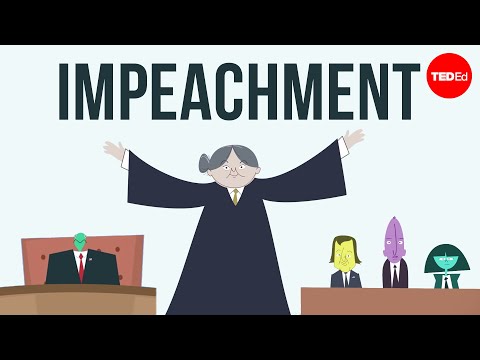
How does impeachment work? - Alex Gendler
0
shuting1215 posted on 2019/06/09Ever wondered what impeachment actually means and how it works? This TED-Ed explainer breaks down the complex process of "high crimes and misdemeanors" and the US Constitution's checks and balances. You'll pick up some advanced vocabulary and gain a deeper understanding of this crucial civics topic!
Learn this video on the APP!
The VoiceTube App has more in-depth practice for videos!