
administrative
US /ədˈmɪnɪstreɪtɪv/
UK /ədˈmɪnɪstrətɪv/
- Adjective
- Concerning managing an organization
- Relating to or characteristic of administration or those who administer.
B1TOEICMoreadmit
US /ædˈmɪt/
UK /əd'mɪt/
- Transitive Verb
- To acknowledge that something is true or right
- To allow someone to enter
A2TOEICMoreallergic
US /əˈlədʒɪk/
UK /əˈlɜ:dʒɪk/
- Adjective
- Of or having a reaction to an allergy
B2Moreambulance
US /ˈæmbjələns/
UK /ˈæmbjələns/
- Noun
- Vehicle equipped to transport sick, injured people
B1Moreas soon as
US /æz sun æz/
UK /æz su:n æz/
- Phrase
- In a short time after (something happens)
- Without any delay; immediately
- Conjunction
- At the moment that, or immediately after.
A1Moreaspect
US /ˈæspɛkt/
UK /'æspekt/
- Noun (Countable/Uncountable)
- Way something looks or seems to be
- An element, feature, or quality of something
A2TOEICMoreassume
US /əˈsum/
UK /ə'sju:m/
- Transitive Verb
- To act in a false manner to mislead others
- To believe, based on the evidence; suppose
A2TOEICMoreasthma
US /ˈæzmə, ˈæs-/
UK /ˈæsmə/
- Uncountable Noun
- Lung illness causing difficulty in breathing
B2Moreat the same time
US
UK
- Phrase
- Simultaneously; at the identical moment.
- Nevertheless; however; used to introduce a contrasting or qualifying statement.
A1Moreattend
US /əˈtɛnd/
UK /əˈtend/
- Transitive Verb
- To take care of someone in need
- Verb (Transitive/Intransitive)
- To listen or watch carefully; to concentrate
- To be present at an event
B1TOEICMorebased on
US
UK
- Phrasal Verb
- To use something as the foundation or starting point for something else.
- Preposition
- Using something as the main idea or foundation.
- Relying on something as evidence or justification.
A1Morebasically
US /ˈbesɪkəli,-kli/
UK /ˈbeɪsɪkli/
- Adverb
- Used before you explain something simply, clearly
- In essence; when you consider the most important aspects of something.
A2Morebetter safe than sorry
US /ˈbɛtɚ ˈseɪf ðən ˈsɑri/
UK /ˈbetə ˈseɪf ðən ˈsɒri/
- Proverb
- Being cautious is preferable to facing later regret.
A2Moreblunt
US /blʌnt/
UK /blʌnt/
- Adjective
- Without a sharp edge or point
- Speaking directly; without trying to be polite or kind
- Transitive Verb
- To make dull or lessen the sharpness of something
B1Morebruise
US /bruz/
UK /bru:z/
- Transitive Verb
- To cause a dark mark in the flesh through injury
- Countable Noun
- A dark mark on the skin caused by an accident
B1Morecare of
US /kɛr ʌv/
UK /kɛə ɔv/
- Preposition
- Used in an address to indicate the person who will receive the mail for someone else.
A2Morechest
US /tʃɛst/
UK /tʃest/
- Noun (Countable/Uncountable)
- Strong, lidded container for storing things
- Front of the body between neck and stomach
A2Moreclinic
US /ˈklɪnɪk/
UK /ˈklɪnɪk/
- Noun
- Local medical center; department of a hospital
B1Morecome up
US /kʌm ʌp/
UK /kʌm ʌp/
- Phrasal Verb
- To come closer to someone; approach
- (Of sun) to rise into the sky in the morning
A1Morecramp
US /kræmp/
UK /kræmp/
- Noun
- Sharp, unexpected pain when a muscle becomes tight
- Intransitive Verb
- To get a sudden sharp pain when muscle tightens
B2Moredeal with
US /dil wɪð/
UK /di:l wið/
- Verb (Transitive/Intransitive)
- To buy or sell goods or services.
- Phrasal Verb
- To take action to solve a problem or manage a situation.
- To be about; concern.
A1Moredehydrate
US /diˈhaɪˌdret/
UK /di:'haɪdreɪt/
- Transitive Verb
- To cause (skin, body) to lose water that is needed
C2Morediagnosis
US /ˌdaɪəgˈnoʊsɪs/
UK /ˌdaɪəgˈnəʊsɪs/
- Noun (plural)
- Judgments by a doctor about a person's illness
- Noun
- The identification of a disease or condition.
B1Moredisinfect
US /ˌdɪsɪnˈfɛkt/
UK /ˌdɪsɪn'fekt/
- Transitive Verb
- To remove bacteria by cleaning
C1Moredizzy
US /ˈdɪzi/
UK /ˈdɪzi/
- Adjective
- Feeling light-headed and as if you might fall
- Causing someone to feel unsteady, confused, or amazed.
- Transitive Verb
- To act in a giddy light-headed manner
B1Moreemergency
US /ɪˈmɚdʒənsi/
UK /ɪ'mɜ:dʒənsɪ/
- Noun (Countable/Uncountable)
- Sudden event needing an immediate action
- A medical condition manifesting itself by acute symptoms of sufficient severity such that the absence of immediate medical attention could reasonably be expected to result in placing the patient's health in serious jeopardy.
- Adjective
- Used in an emergency; for use when something dangerous happens.
- Designed for use in an emergency.
A2TOEICMoreepilepsy
US /'epɪlepsɪ/
UK /'epɪlepsɪ/
- Noun
- Medical condition involving fits or seizures
C1Moreequipment
US /ɪˈkwɪpmənt/
UK /ɪˈkwɪpmənt/
- Uncountable Noun
- Tools or materials used to perform a task
A2TOEICMorefeel like
US
UK
- Intransitive Verb
- To have a desire or inclination for something.
- To have a particular quality or sensation; resemble.
A1Morefigure out
US /ˈfɪɡjɚ aʊt/
UK /ˈfiɡə aut/
- Phrasal Verb
- To understand the behavior of someone
- To think through logically to find a solution
- Verb (Transitive/Intransitive)
- To understand or find an answer to something.
- To find a solution to a problem or understand something.
A1Morefill out
US /fɪl aʊt/
UK /fil aut/
- Phrasal Verb
- To become fatter
- To complete a form by adding information needed
A1Morefor example
US
UK
- Phrase
- As an illustration or instance.
get you going
US
UK
- Phrasal Verb
- To start or motivate someone to start doing something.
A1Morego away
US /ɡo əˈwe/
UK /ɡəu əˈwei/
- Phrasal Verb
- To go on vacation
- To leave; depart.
A1Morego on
US /ɡo ɑn/
UK /ɡəu ɔn/
- Phrasal Verb
- To continue doing something
- To happen (usually negative)
- Interjection
- Used to encourage someone
A1Moregoing on
US /ˈɡoɪŋ ɑn/
UK /ˈgəʊɪŋ ɔn/
- Phrasal Verb
- To continue doing something
- To happen (usually negative)
A1Morehave a heart
US /hæv ə hɑrt/
UK /hæv ə hɑ:t/
- other
- Show mercy or compassion to someone.
B2Morehave to
US /hæv tu/
UK /ˈhæv tə/
- Auxiliary Verb
- Must do
A1Morehook
US /hʊk/
UK /hʊk/
- Noun (Countable/Uncountable)
- Bent tool used to catch fish or to hang things on
- The start of a story which catches your interest
- Transitive Verb
- To make a bent or curved shape
- To catch your interest completely
B1Morein mind
US /ɪn maɪnd/
UK /in maind/
- Phrase
- Being aware of or considering something.
- To remember or consider something.
A2Morein the past
US
UK
- Phrase
- During a former period of time; previously.
A1Moreinsurance
US /ɪnˈʃʊrəns/
UK /ɪnˈʃʊərəns/
- Uncountable Noun
- Protection against loss/injury/death you pay for
A2TOEICMorelook at
US /lʊk æt/
UK /luk æt/
- Phrasal Verb
- To use your eyes to focus on something
- To focus your eyes on something carefully
A1Moremorphine
US /ˈmɔrˌfin/
UK /'mɔ:fi:n/
- Uncountable Noun
- Alkaloid narcotic drug extracted from opium
- A narcotic analgesic drug used to relieve severe pain.
C1Moreneedle
US /ˈnidl/
UK /'ni:dl/
- Countable Noun
- Part of a medical device used to inject medicine
- Very thin pointed object used in sewing
- Transitive Verb
- To upset someone by making rude or hurtful remarks
- To prick or pierce with a needle.
B1Moreof course
US /ʌv kɔː(r)s/
UK /ɔv kɔː(r)s/
- Adverb
- Sure ; Certainly
- Phrase
- For sure; certainly
A2Moreof yours
US /ʌv jʊɚz/
UK /əv jɔ:z/
- other
- Belonging to you; your possession or property.
A1Moreon call
US
UK
- Adjective
- Available to be summoned for duty, especially in emergencies.
- Adverb
- In a state of readiness to respond to calls for service or assistance.
A2Moreout there
US /aʊt ðɛr/
UK /aut ðɛə/
- Adverb
- In or to a place that is far away
- Existing in the universe
- Adjective
- Unconventional; strange; avant-garde
- Existing or available.
A1Morepainkiller
US /ˈpenˌkɪlɚ/
UK /'peɪnkɪlə(r)/
- Noun (Countable/Uncountable)
- Medicine used to relieve pain
C2Morepaperwork
US /ˈpepɚˌwə:k/
UK /ˈpeɪpəˌwɜ:k/
- Uncountable Noun
- Work involving handling papers, forms, letters etc.
C1Moreparamedic
US /ˌpærəˈmɛdɪk/
UK /ˌpærəˈmedɪk/
- Adjective
- Person whose job is to treat medical emergencies
C1Morepass out
US /pæs aʊt/
UK /pɑ:s aut/
- Phrasal Verb
- To distribute or hand out papers to people
- To faint; lose consciousness
A1Morepolicy
US /ˈpɑlɪsi/
UK /'pɒləsɪ/
- Noun
- Document stating terms of an insurance agreement
- Course of action proposed by an organization, etc.
A2TOEICMorepressure
US /ˈprɛʃɚ/
UK /'preʃə(r)/
- Noun (Countable/Uncountable)
- Anxiety caused by difficult problems
- Force, weight when pressing against a thing
- Transitive Verb
- To apply force to something
- To persuade or force someone to do something
A2TOEICMoreprocess
US /ˈprɑsˌɛs, ˈproˌsɛs/
UK /prə'ses/
- Transitive Verb
- To organize and use data in a computer
- To deal with official forms in the way required
- Noun (Countable/Uncountable)
- Dealing with official forms in the way required
- Set of changes that occur slowly and naturally
A2TOEICMorereaction
US /riˈækʃən/
UK /rɪ'ækʃn/
- Noun
- Bodily response to a drug or something eaten
- Feeling or action in response to something
A2Moreresident
US /ˈrɛzɪdənt, -ˌdɛnt/
UK /ˈrezɪdənt/
- Noun (Countable/Uncountable)
- Trainee doctor who works/lives in a hospital
- A person who lives in a particular place.
- Adjective
- Someone who lives in a particular place
- (of a computer program) remaining in memory.
B1TOEICMoresaline
US /ˈseɪli:n/
UK /ˈseɪlaɪn/
- Adjective
- Containing salt
B2Moresame time
US
UK
- Phrase
- Occurring simultaneously or at the same point in time.
- At the identical time as before; recurring at a fixed hour.
- Noun
- An equal duration or period.
A1Moresee stars
US /si stɑrz/
UK /si: stɑ:z/
- other
- To feel dizzy or confused, usually after a blow to the head.
B2Moreseizure
US /ˈsiʒɚ/
UK /'si:ʒə(r)/
- Noun (Countable/Uncountable)
- Act of taking control of something by force
- (Medical) sudden attack of illness, e.g. epileptic fit
B2Moreset up
US /sɛt ʌp/
UK /set ʌp/
- Phrasal Verb
- To make arrangements for something; establish
- Verb (Transitive/Intransitive)
- To arrange or prepare something for use.
- To start a business, organization, etc.
A1Moresharp
US /ʃɑrp/
UK /ʃɑ:p/
- Proper Noun
- Person's name
- Adjective
- Being very clear and easy to see
- (Of clothes) nicely or stylishly
A2TOEICMorespeak to
US /spik tu/
UK /spi:k tu:/
- Verb (Transitive/Intransitive)
- To address or communicate with someone.
- To indicate or suggest something; to be relevant to.
A1Moresprain
US /spren/
UK /spreɪn/
- Transitive Verb
- To cause an injury to a joint in the body
- Noun
- An injury to a joint in the body
C1Moresqueeze
US /skwiz/
UK /skwi:z/
- Noun (Countable/Uncountable)
- Amount of liquid from firmly pressing e.g. orange
- Act of putting pressure on, as to get liquid out
- Transitive Verb
- To force or threaten someone to give you something
- To strongly compress something to get liquid out
C1Morestaple
US /ˈstepəl/
UK /ˈsteɪpl/
- Noun (Countable/Uncountable)
- Main food of a particular community
- A basic food that is eaten all the time
- Transitive Verb
- To pin together using a machine and bent wire
B2TOEICMorestitch
US /stɪtʃ/
UK /stɪtʃ/
- Noun
- Pain in your side after running or exercising
- Result of sewing thread going in and out of cloth
- Transitive Verb
- To sew cloth or material together
B1Morestomach
US /ˈstʌmək/
UK /'stʌmək/
- Noun
- Place in the body where food is processed
- Verb (Transitive/Intransitive)
- to be able to accept something unpleasant
A2Morestuff
US /stʌf/
UK /stʌf/
- Uncountable Noun
- Generic description for things, materials, objects
- Transitive Verb
- To push material inside something, with force
B1Moresurgery
US /ˈsɚdʒəri/
UK /'sɜ:dʒərɪ/
- Noun (Countable/Uncountable)
- Medical operation involving cutting into body
- A doctor's office; health clinic
B1Moretreatment
US /ˈtritmənt/
UK /ˈtri:tmənt/
- Noun (Countable/Uncountable)
- Medicine or method to make someone healthier
- Way someone acts toward another
A2TOEICMoreturn to
US /tɚn tu/
UK /tə:n tu:/
- Phrasal Verb
- To go to someone for help, advice, or information.
- To start doing or using something, often something bad or undesirable.
A1Moreunexpectedly
US /ˌʌnɪkˈspɛktɪdlɪ/
UK /ˌʌnɪk'spektɪdlɪ/
- Adverb
- In a surprising way because not expected
- In a way that was not expected; surprisingly.
B1Morevocabulary
US /voˈkæbjəˌlɛri/
UK /və'kæbjələrɪ/
- Uncountable Noun
- Words that have to do with a particular subject
- The words that a person knows
B1TOEICMorewait for
US /wet fɔr/
UK /weit fɔ:/
- Phrasal Verb
- To wait until someone comes, or something happens
A1More
Vocabulary
- have to: Must do
- care of: Used in an address to indicate the person who will receive the mail for someone else.
- look at: To use your eyes to focus on something
- fill out: To become fatter
- going on: To continue doing something
- for example: As an illustration or instance.
- feel like: To have a desire or inclination for something.
- pass out: To distribute or hand out papers to people
- speak to: To address or communicate with someone.
- go on: To continue doing something
- of yours: Belonging to you; your possession or property.
- deal with
- set up
- in the past: During a former period of time; previously.
- on call: Available to be summoned for duty, especially in emergencies.
- figure out: To understand the behavior of someone
- have a heart: Show mercy or compassion to someone.
- wait for: To wait until someone comes, or something happens
- turn to: To go to someone for help, advice, or information.
- come up: To come closer to someone; approach
- in mind: Being aware of or considering something.
- based on: To use something as the foundation or starting point for something else.
- get you going: To start or motivate someone to start doing something.
- as soon as: In a short time after (something happens)
- of course: Sure ; Certainly
- out there: In or to a place that is far away
- see stars: To feel dizzy or confused, usually after a blow to the head.
- go away: To go on vacation
- at the same time: Simultaneously; at the identical moment.
- same time: Occurring simultaneously or at the same point in time.
- better safe than sorry: Being cautious is preferable to facing later regret.
- stuff: Generic description for things, materials, objects
- assume: To act in a false manner to mislead others
- process: To organize and use data in a computer
- aspect: Way something looks or seems to be
- situation: Place, position or area that something is in
- basically: Used before you explain something simply, clearly
- vocabulary: Words that have to do with a particular subject
- staple: Main food of a particular community
- squeeze: Amount of liquid from firmly pressing e.g. orange
- admit: To acknowledge that something is true or right
- pressure: Anxiety caused by difficult problems
- perform: To carry out an action well or successfully
- reaction: Bodily response to a drug or something eaten
- allergic: Of or having a reaction to an allergy
- surgery: Medical operation involving cutting into body
- chest: Strong, lidded container for storing things
- insurance: Protection against loss/injury/death you pay for
- emergency: Sudden event needing an immediate action
- break: To create a new record e.g. running the 100m dash
- treatment: Medicine or method to make someone healthier
- blunt: Without a sharp edge or point
- asthma: Lung illness causing difficulty in breathing
- stomach: Place in the body where food is processed
- policy: Document stating terms of an insurance agreement
- pain: Strong feeling of hurt or discomfort
- sharp: Person's name
- diagnosis: Judgments by a doctor about a person's illness
- operate: To control or handle something, such as a machine
- equipment: Tools or materials used to perform a task
- cramp: Sharp, unexpected pain when a muscle becomes tight
- staff: Employees of a company
- lot: What happens to a person in life from chance; fate
- seizure: Act of taking control of something by force
- hook: Bent tool used to catch fish or to hang things on
- basic: At the most important or easiest (beginner) level
- stitch: Pain in your side after running or exercising
- resident: Trainee doctor who works/lives in a hospital
- fill: To make something full
- disinfect: To remove bacteria by cleaning
- bruise: To cause a dark mark in the flesh through injury
- attend: To take care of someone in need
- set: Prepared for something; ready
- dizzy: Feeling light-headed and as if you might fall
- prepare: To make something ready for use
- administrative: Concerning managing an organization
- upfront: Frank and honest
- epilepsy: Medical condition involving fits or seizures
- understand: To know the meaning of language, what someone says
- needle: Part of a medical device used to inject medicine
- check: Paper showing how much you owe at a restaurant
- unexpectedly: In a surprising way because not expected
- clinic: Local medical center; department of a hospital
- ambulance: Vehicle equipped to transport sick, injured people
- dehydrate: To cause (skin, body) to lose water that is needed
- painkiller: Medicine used to relieve pain
- saline: Containing salt
- sprain: To cause an injury to a joint in the body
- morphine: Alkaloid narcotic drug extracted from opium
- paramedic: Person whose job is to treat medical emergencies
- paperwork: Work involving handling papers, forms, letters etc.
Get the full experience in the app
Learn anywhere with detailed sentence and usage analysis
01:03
She took a brave step forward, leaving behind her comfort zone to chase her dreams.
Vocabulary
- brave
adj. Having courage
- comfort zone
phr. A familiar situation where one feels safe
Explanation
a brave step is a noun phrase, where brave is an adjective modifying the noun step, meaning "a courageous step".
forward is an adverb modifying step, meaning "ahead".
The whole phrase serves as the object, answering the "what" of took (verb) — she took a brave step forward.
Get the full experience in the app
Look up words anytime with pronunciation, part of speech, and usage
brave
US/brev/
UK/breɪv/
adj.Brave
v.t.To bravely face
A2 Elementary
Get the full experience in the app
Practice speaking anytime and get instant pronunciation feedback
Try this speaking exercise.
Try practicing with this sentence.
80
0
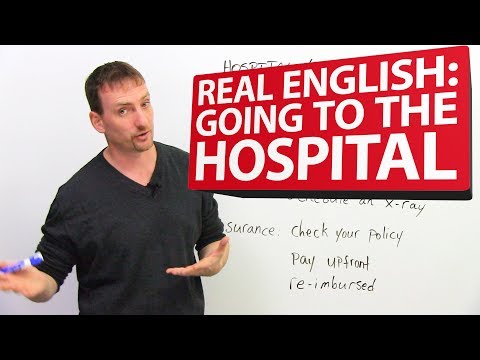
Flora Hu posted on 2019/05/29Ever worried about what to say at the hospital or a walk-in clinic? This video is packed with essential hospital vocabulary and phrases you'll actually need, from patient admission to understanding travel insurance reimbursements. You'll pick up practical language for medical emergencies and everyday situations, making your next doctor's visit a breeze!
Learn this video on the APP!
The VoiceTube App has more in-depth practice for videos!