
almond
US /ˈɑmənd/
UK /ˈɑ:mənd/
- Countable Noun
- Type of long flat nut
B2Moreannoying
US /əˈnɔɪɪŋ/
UK /əˈnɔɪɪŋ/
- Transitive Verb
- To make someone angry
- Adjective
- A little angry; upset
B1TOEICMoreanti
US /ˈæntaɪ, -ti/
UK /'æntɪ/
- Adjective
- A prefix meaning 'against' or 'opposed'
B2Moreappearance
US /əˈpɪrəns/
UK /əˈpɪərəns/
- Noun
- The way a person looks to others
- The way that something looks
A2TOEICMoreavalanche
US /ˈævəˌlæntʃ/
UK /'ævəlɑ:nʃ/
- Noun
- Large mass of snow falling down a mountain
B2Moreblend
US /blɛnd/
UK /blend/
- Transitive Verb
- To combine different elements or substances
- To mix ingredients when cooking
- Noun
- Product known for mixing ingredients
B1Morecause
US /kɔz/
UK /kɔ:z/
- Noun
- Belief, goal or organization that people support
- Reason for
- Transitive Verb
- To make something happen; create effect or result
A2Morechronic
US /ˈkrɑnɪk/
UK /'krɒnɪk/
- Adjective
- Always or often doing something, e.g. lying
- (Of disease) over a long time; serious
B1Morecoconut
US /ˈkoʊkənʌt/
UK /ˈkəʊkənʌt/
- Noun (Countable/Uncountable)
- A large nut with a hairy shell and white flesh
B2Moreconceal
US /kənˈsil/
UK /kən'si:l/
- Transitive Verb
- To hide; prevent from being discovered
- To keep the truth or true feelings a secret
B1TOEICMoreconcentration
US /ˌkɑ:nsnˈtreɪʃn/
UK /ˌkɒnsnˈtreɪʃn/
- Noun (Countable/Uncountable)
- Amount or number of something in a thing or place
- Paying (a lot of) attention to a task
A2Morecondition
US /kənˈdɪʃən/
UK /kənˈdɪʃn/
- Transitive Verb
- To improve something to make it better
- To cause to behave automatically in a certain way
- Noun (Countable/Uncountable)
- Disease or other medical problem
- The state of living you are in, e.g. good health
A2Moreconfidence
US /ˈkɑnfɪdəns/
UK /'kɒnfɪdəns/
- Uncountable Noun
- Feeling that you can do well at something
- Feeling you can trust someone
A2Morecure
US /kjʊr/
UK /kjʊə(r)/
- Noun
- Something that solves a problem or makes it better
- Medical treatment making a sick person healthy
- Transitive Verb
- To fix or improve a problem
- To make someone healthy or make a disease go away
B1Moredab
US /dæb/
UK /dæb/
- Noun
- Light and quick touch
- Transitive Verb
- To touch lightly a few times, often with a cloth
B2Morediabetes
US /ˌdaɪəˈbitɪs, -tiz/
UK /ˌdaɪəˈbi:ti:z/
- Noun (Countable/Uncountable)
- Illness where there is too much sugar in the blood
- A form of diabetes, usually diagnosed in children and young adults, in which the body does not produce insulin.
B2Moredilute
US /daɪˈlut, dɪ-/
UK /daɪˈlu:t/
- Transitive Verb
- To make something weaker or less efficient
B2Moredirect
US /dɪˈrɛkt, daɪ-/
UK /də'rekt/
- Transitive Verb
- To tell someone in a very clear way to do something
- To show the way by conducting or leading
- Adverb
- Coming straight from something
A2TOEICMoreeliminate
US /ɪˈlɪməˌnet/
UK /ɪ'lɪmɪneɪt/
- Transitive Verb
- To completely remove; to get rid of
- To remove from a contest by beating them
B1TOEICMoreenhance
US /ɛnˈhæns/
UK /ɪn'hɑ:ns/
- Transitive Verb
- To improve; make bigger or better
B1TOEICMoreenormous
US /ɪˈnɔrməs/
UK /iˈnɔ:məs/
- Adjective
- Huge; very big; very important
- Very great in size, amount, or degree.
A2Moreexperiment
US /ɪkˈspɛrəmənt/
UK /ɪk'sperɪmənt/
- Noun (Countable/Uncountable)
- Test performed to assess new ideas or theories
- A course of action tentatively adopted without being sure of the eventual outcome.
- Verb (Transitive/Intransitive)
- To create and perform tests to research something
- To try something new that you haven't tried before
A2TOEICMoreflaky
US /ˈfleki/
UK /ˈfleɪki/
- Adjective
- Made of or resembling flakes
B2Moregenerally
US /ˈdʒɛnərəli/
UK /ˈdʒenrəli/
- Adverb
- Usually; as a rule; by, to or for most people
A2Moreimmersion
US /ɪˈmə:ʒən, -ʃən/
UK /ɪˈmɜ:ʒən, -ʃən/
- Uncountable Noun
- Complete mental attention, e.g. when reading
- The act of putting something completely under the surface of a liquid; the state of being completely under the surface of a liquid.
B1Moreinflammatory
US /ɪnˈflæməˌtɔri, -ˌtori/
UK /ɪnˈflæmətri/
- Adjective
- Making or intended to make someone angry
B2TOEICMoreinstead of
US /ɪnˈstɛd ʌv/
UK /inˈsted ɔv/
- Preposition
- When one thing is replaced by another
- Adverb
- As a substitute or alternative.
A1Moreobesity
US /oˈbisɪti/
UK /əʊ'bi:sətɪ/
- Uncountable Noun
- State of being so fat it can harm your health
- The state of being far too heavy; corpulence.
B2Moreoccasionally
US /əˈkeɪʒən(ə)li/
UK /əˈkeɪʒnəli/
- Adverb
- Not very often; sometimes; seldom
- Happening or appearing irregularly.
A2Morepatch
US /pætʃ/
UK /pætʃ/
- Noun
- Cover worn over an eye to protect or hide it
- Piece of ground on vegetation grows
- Transitive Verb
- To join or unite, e.g. two phone calls
- To repair hole by sewing a piece of cloth over it
B1TOEICMorepile
US /paɪl/
UK /paɪl/
- Noun (Countable/Uncountable)
- Large amount of something
- Group of things one on top of another
- Verb (Transitive/Intransitive)
- (E.g. of problems) to increase; get more or worse
- To place things on top of each other; to heap up.
B1TOEICMorepile up
US /paɪl ʌp/
UK /pail ʌp/
- Phrasal Verb
- To put things on top of each other to form a pile
- To increase in quantity or amount.
- Verb (Transitive/Intransitive)
- To accumulate or increase in quantity.
B1Morepotent
US /ˈpotnt/
UK /'pəʊtnt/
- Adjective
- (Of men) being able to make a woman pregnant
- Having a powerful effect, e.g. on the body or mind
B2Morerelief
US /rɪˈlif/
UK /rɪˈli:f/
- Noun (Countable/Uncountable)
- Aid given to people in need as after war/disaster
- Artwork, e.g. part of wall, that partly sticks out
B1TOEICMoreremain
US /rɪˈmen/
UK /rɪˈmeɪn/
- Intransitive Verb
- To be left behind; to continue to exist
- To stay in a place when other people have gone
A2TOEICMoreresult
US /rɪˈzʌlt/
UK /rɪ'zʌlt/
- Noun
- Something produced through tests or experiments
- Final score of a competition, election or game
- Intransitive Verb
- To be the outcome of other causes and effects
- To happen or exist as a consequence of something.
A2Moreresult in
US /rɪˈzʌlt ɪn/
UK /riˈzʌlt in/
- Phrasal Verb
- To cause or produce as a consequence.
rinse
US /rɪns/
UK /rɪns/
- Transitive Verb
- To wash off small amounts of dirt, soap suds, etc.
- To wash lightly
- Uncountable Noun
- Washing off small amount of dirt, soap suds, etc.
- A form of shampoo or conditioner
B2Morescalp
US /skælp/
UK /skælp/
- Noun
- Part of the human head covered by hair
- Transitive Verb
- To sell e.g. tickets far above the original price
B2Morescar
US /skɑr/
UK /skɑ:(r)/
- Noun (Countable/Uncountable)
- Long lasting emotional pain from a bad experience
- A mark on something made by scratching it
- Transitive Verb
- To cause long lasting emotional pain
- To leave a mark on something by scratching it
B1Moreshampoo
US /ʃæmˈpu/
UK /ʃæmˈpu:/
- Noun (Countable/Uncountable)
- Substance used to wash the hair
- Transitive Verb
- To use shampoo to wash your hair
B2Moresoak
US /sok/
UK /səʊk/
- Transitive Verb
- To make something completely wet
- To place something in liquid for a period of time
- Noun
- Placement in liquid for a period of time
B1Moresoothe
US /suð/
UK /su:ð/
- Transitive Verb
- To relieve something, like pain
- To calm or comfort someone; take away pain
B2Morestem
US /stɛm/
UK /stem/
- Noun (Countable/Uncountable)
- Long thin central part of a plant, bearing leaves
- Long thin part supporting something e.g. a light
- Transitive Verb
- To remove the stem of a flower or fruit
- To stop something bad from spreading or developing
B1TOEICMorestrength
US /strɛŋkθ, strɛŋθ, strɛnθ/
UK /streŋθ/
- Noun (Countable/Uncountable)
- Condition of being strong
- The quality or state of being physically strong.
A2TOEICMorestress
US / strɛs/
UK /stres/
- Transitive Verb
- To emphasize one or more parts of a word, sentence
- To put pressure on something or someone
- Noun (Countable/Uncountable)
- Emphasis on part of a word or sentence
- Pressure on something or someone
A2TOEICMoresuch as
US /sʌtʃ æz/
UK /sʌtʃ æz/
- Preposition
- For example; like
A1Moresuffer
US / ˈsʌfɚ/
UK /'sʌfə(r)/
- Verb (Transitive/Intransitive)
- To experience pain, illness, or injury
- To allow or permit something, especially something unpleasant.
A2Moreswell
US /swɛl/
UK /swel/
- Intransitive Verb
- To feel overcome due to a strong emotion
- To increase in size or number larger than normal
- Uncountable Noun
- Being overcome from feeling a strong emotion
- Act of growing in size or increasing in number
B1Morethe following
US
UK
- Adjective
- Next in order or sequence.
- Uncountable Noun
- What is about to be said or written.
B1Morethumbs up
US
UK
- Noun
- A gesture of approval or agreement, indicated by holding a fist with the thumb extended upwards.
- A positive rating or vote on social media or online platforms.
- Noun (plural)
- Multiple gestures of approval or agreement made by extending the thumbs upward.
A1More
Vocabulary
- pile up: To put things on top of each other to form a pile
- the following: Next in order or sequence.
- result in: To cause or produce as a consequence.
- such as: For example; like
- instead of: When one thing is replaced by another
- thumbs up: A gesture of approval or agreement, indicated by holding a fist with the thumb extended upwards.
- chronic: Always or often doing something, e.g. lying
- enormous: Huge; very big; very important
- eliminate: To completely remove; to get rid of
- diabetes: Illness where there is too much sugar in the blood
- obesity: State of being so fat it can harm your health
- experiment: Test performed to assess new ideas or theories
- strength: Condition of being strong
- confidence: Feeling that you can do well at something
- stress: To emphasize one or more parts of a word, sentence
- annoying: To make someone angry
- immersion: Complete mental attention, e.g. when reading
- concentration: Amount or number of something in a thing or place
- condition: To improve something to make it better
- suffer: To experience pain, illness, or injury
- occasionally: Not very often; sometimes; seldom
- pile: Large amount of something
- remain: To be left behind; to continue to exist
- generally: Usually; as a rule; by, to or for most people
- direct: To tell someone in a very clear way to do something
- appearance: The way a person looks to others
- cause: Belief, goal or organization that people support
- perform: To carry out an action well or successfully
- simply: In an easy or clear manner
- effect: An advantage, benefit
- inflammatory: Making or intended to make someone angry
- result: Something produced through tests or experiments
- apply: To spread a substance or liquid over a surface
- stem: Long thin central part of a plant, bearing leaves
- create: To make, cause, or bring into existence
- drop: Distance between a higher and a lower level
- blend: To combine different elements or substances
- conceal: To hide; prevent from being discovered
- provide: To make available; to supply for use
- relief: Aid given to people in need as after war/disaster
- soak: To make something completely wet
- enhance: To improve; make bigger or better
- potent: (Of men) being able to make a woman pregnant
- cure: Something that solves a problem or makes it better
- swell: To feel overcome due to a strong emotion
- patch: Cover worn over an eye to protect or hide it
- scar: Long lasting emotional pain from a bad experience
- almond: Type of long flat nut
- rinse: To wash off small amounts of dirt, soap suds, etc.
- control: A device designed to operate a machine
- natural: Being as one would expect; being usual or normal
- worse: Comparative of 'bad'; more bad
- dilute: To make something weaker or less efficient
- flaky: Made of or resembling flakes
- daily: Happening every day
- avalanche: Large mass of snow falling down a mountain
- soothe: To relieve something, like pain
- burn: To destroy with fire
- scalp: Part of the human head covered by hair
- healthy: In good condition physically, or financially; well
- anti: A prefix meaning 'against' or 'opposed'
- add: To include as well
- dermatologist: Person who specializes in medical issues related to the skin
- coconut: A large nut with a hairy shell and white flesh
- dab: Light and quick touch
- shampoo: Substance used to wash the hair
Get the full experience in the app
Learn anywhere with detailed sentence and usage analysis
01:03
She took a brave step forward, leaving behind her comfort zone to chase her dreams.
Vocabulary
- brave
adj. Having courage
- comfort zone
phr. A familiar situation where one feels safe
Explanation
a brave step is a noun phrase, where brave is an adjective modifying the noun step, meaning "a courageous step".
forward is an adverb modifying step, meaning "ahead".
The whole phrase serves as the object, answering the "what" of took (verb) — she took a brave step forward.
Get the full experience in the app
Look up words anytime with pronunciation, part of speech, and usage
brave
US/brev/
UK/breɪv/
adj.Brave
v.t.To bravely face
A2 Elementary
Get the full experience in the app
Practice speaking anytime and get instant pronunciation feedback
Try this speaking exercise.
Try practicing with this sentence.
80
0
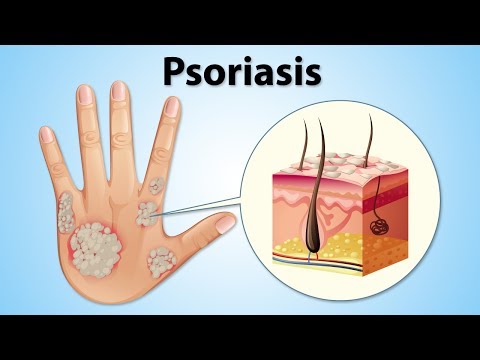
kay jung posted on 2019/04/10Dealing with psoriasis can be a real challenge, but this video is packed with practical home remedies, including how to use tea tree oil for itch relief! You'll pick up advanced vocabulary related to dermatology and learn simple sentence structures perfect for everyday explanations. It's a fantastic way to boost your knowledge and your English skills simultaneously!
Learn this video on the APP!
The VoiceTube App has more in-depth practice for videos!