
access
US /ˈæksɛs/
UK /'ækses/
- Noun (Countable/Uncountable)
- Way to enter a place, e.g. a station or stadium
- The opportunity or right to use something or to see someone.
- Transitive Verb
- To be able to use or have permission to use
A2TOEICMoreadapt
US /əˈdæpt/
UK /ə'dæpt/
- Transitive Verb
- To change something for a different function
- To change something to fit or suit a new purpose
- Intransitive Verb
- To change your behaviour so that it is easier to live in a new place or situation
B1TOEICMoreape
US /ep/
UK /eɪp/
- Countable Noun
- Animal related to monkeys and humans
- Transitive Verb
- To copy someone's actions
B1Moreat home
US /æt hom/
UK /æt həum/
- Phrase
- In one's own residence or country.
- Adjective
- Feeling comfortable and relaxed.
bark
US /bɑ:rk/
UK /bɑ:k/
- Intransitive Verb
- To make the loud sound of a dog (when angry)
- Noun
- Sound made by a dog
- Tough outer covering of a tree or other plant
B1Morebased on
US
UK
- Phrasal Verb
- To use something as the foundation or starting point for something else.
- Preposition
- Using something as the main idea or foundation.
- Relying on something as evidence or justification.
A1Morebroad
US /brɔd/
UK /brɔ:d/
- Adjective
- General; not detailed
- Wide; from the shorter two sides to the other
A2Morechew
US /tʃu:/
UK /tʃu:/
- Verb (Transitive/Intransitive)
- To bite something many times without swallowing it
- Noun
- Act of biting something many times
B1Morechewing
US /t'ʃu:ɪŋ/
UK /t'ʃu:ɪŋ/
- Verb (Transitive/Intransitive)
- To bite something many times without swallowing it
- Uncountable Noun
- Biting something many times without swallowing it
B1Morecrunch
US /krʌntʃ/
UK /krʌntʃ/
- Transitive Verb
- To crush something into pieces
- To crush something noisily.
- Intransitive Verb
- To chew noisily with a crackling sound
- To make a crushing sound when walked on.
B2Morecuisine
US /kwɪˈzin/
UK /kwɪˈzi:n/
- Noun (Countable/Uncountable)
- Certain style or technique of cooking
- A type of food; the foods and methods of cooking traditional to a region or population.
B1Moredatum
US /ˈdetəm, ˈdætəm, ˈdɑtəm/
UK /ˈdeɪtəm/
- Noun
- Item of factual information
B1Moredemand
US /dɪˈmænd/
UK /dɪ'mɑ:nd/
- Noun (Countable/Uncountable)
- Desire customers have to buy product, service
- A strong request for someone to do something
- Transitive Verb
- To strongly request someone to do something
- To need something.
A2TOEICMoreenamel
US /ɪˈnæməl/
UK /ɪˈnæml/
- Noun (Countable/Uncountable)
- A glass-like substance, glossy covering of an object; The covering of a tooth.
- Transitive Verb
- To cover something with enamel.
B2Moreevolution
US /ˌɛvəˈluʃən, ˌivə-/
UK /ˌi:və'lu:ʃn/
- Uncountable Noun
- Theory that living things change over time
- Process by which something develops over time
B1Moreevolve
US /ɪˈvɑlv/
UK /ɪ'vɒlv/
- Verb (Transitive/Intransitive)
- To develop certain features
- To develop or change slowly over time
B1Moreexpert
US /ˈɛkˌspɚt/
UK /'ekspɜ:t/
- Countable Noun
- Skillful person with special knowledge
- Adjective
- Having special knowledge or skill
A2TOEICMorefare
US /fer/
UK /feə(r)/
- Noun (Countable/Uncountable)
- Money people pay to travel on buses, taxis, boats
- Food of a particular type.
- Intransitive Verb
- To perform well or poorly
- To succeed or manage in a particular situation.
B1TOEICMorefracture
US /ˈfræktʃɚ/
UK /'fræktʃə(r)/
- Noun (Countable/Uncountable)
- Break in a bone, usually small
- A break down in a relationship
- Verb (Transitive/Intransitive)
- To break something hard, usually a bone
- To cause a break down in a relationship
B2Moregather
US /ˈɡæðɚ/
UK /ˈgæðə(r)/
- Transitive Verb
- To bring objects together into one place
- To collect foods such as wild berries or crops
- Noun
- Fold in cloth, as in a full skirt
A2TOEICMorehave to
US /hæv tu/
UK /ˈhæv tə/
- Auxiliary Verb
- Must do
A1Morehit the road
US /hɪt ði rəʊd/
UK /hit ðə roʊd/
- Idiom
- To begin a journey; to leave.
- To begin a journey, especially a long one, by car or other vehicle.
- Intransitive Verb
- To leave a place.
- To travel.
A1Morehumanity
US /hjuˈmænɪti/
UK /hju:ˈmænəti/
- Uncountable Noun
- Quality of being understanding or sympathetic
- Compassionate behavior, especially towards those suffering.
- Noun (Countable/Uncountable)
- All human beings collectively; the human race.
A2Morehypothesis
US /haɪˈpɑθɪsɪs/
UK /haɪˈpɒθəsɪs/
- Noun
- A theory trying to explain something
- A supposition or proposed explanation made on the basis of limited evidence as a starting point for further investigation.
B1Morein short supply
US /ɪn ʃɔrt səˈplaɪ/
UK /in ʃɔ:t səˈplai/
- Phrase
- Not available in sufficient quantity; scarce.
B2Morein the first place
US
UK
- Phrase
- To begin with; as the first point or consideration.
- From the beginning; initially.
A1Moreinfluence
US / ˈɪnfluəns/
UK /'ɪnflʊəns/
- Verb (Transitive/Intransitive)
- To affect or change something indirectly
- To persuade someone to do something.
- Noun (Countable/Uncountable)
- The power to affect what happens, to persuade etc.
- A person or thing that affects someone or something in an important way.
A2TOEICMoreinfluential
US /ˌɪnfluˈɛnʃəl/
UK /ˌɪnfluˈenʃl/
- Adjective
- Having the power to cause change; having influence
A2Morelaboratory
US /ˈlæbrəˌtɔri, -ˌtori/
UK /lə'bɒrətrɪ/
- Noun (Countable/Uncountable)
- A place to do scientific experiments
- A place where tests are done for medical diagnosis.
B1Morelight on
US /laɪt ɑn/
UK /lait ɔn/
- Phrasal Verb
- To illuminate something.
- To discover something unexpectedly.
- Adjective
- Gentle or delicate in the use of something.
A1Morelook for
US /lʊk fɔr/
UK /luk fɔ:/
- Phrasal Verb
- To try to find a thing or person that is lost
- To expect or anticipate something.
A1Moremorphology
US /mɔ:rˈfɑ:lədʒi/
UK /mɔ:ˈfɒlədʒi/
- Uncountable Noun
- Study of the forms and structures of things
B2Moreon the other hand
US
UK
- Phrase
- Considering a different aspect of the matter; alternatively.
A1Moreopt
US /ɑ:pt/
UK /ɒpt/
- Intransitive Verb
- To choose one thing rather than other choices
B1Morepass on
US
UK
- Phrasal Verb
- A polite way of saying 'to die'
A1Moreprimate
US /ˈpraɪmɪt, -ˌmet/
UK /'praɪmeɪt/
- Countable Noun
- One of species containing humans and monkeys
- A chief bishop or archbishop.
B2Morerely
US /rɪˈlaɪ/
UK /rɪ'laɪ/
- Intransitive Verb
- Depend on with full trust or confidence
- To trust or have confidence in someone.
B2TOEICMorerely on
US /rɪˈlaɪ ɑn/
UK /riˈlai ɔn/
- Phrasal Verb
- To depend on someone or something
A2Moreripe
US /raɪp/
UK /raɪp/
- Adjective
- (Of a smell) disgusting
- Fully grown or mature; ready to eat
B1Morescarce
US /skers/
UK /skeəs/
- Adjective
- Not many; Not plentiful or abundant
B2TOEICMoreshed
US /ʃed/
UK /ʃed/
- Countable Noun
- Small building used for storage
- Verb (Transitive/Intransitive)
- To lose something as a natural process e.g. hair
- Got rid of something that was no longer wanted or needed.
B2Moresignificant
US /sɪɡˈnɪfɪkənt/
UK /sɪgˈnɪfɪkənt/
- Adjective
- Large enough to be noticed or have an effect
- Having meaning; important; noticeable
A2TOEICMoresoft
US /sɔft, sɑft/
UK /sɒft/
- Adjective
- Having flowing curves rather than sharp edges
- Easy to press, bend or cut; not hard or firm
A2Morestress
US / strɛs/
UK /stres/
- Transitive Verb
- To emphasize one or more parts of a word, sentence
- To put pressure on something or someone
- Noun (Countable/Uncountable)
- Emphasis on part of a word or sentence
- Pressure on something or someone
A2TOEICMoresupply
US /səˈplaɪ/
UK /sə'plaɪ/
- Uncountable Noun
- Availability of products and services for use
- Transitive Verb
- To give or sell goods to others for their use
A2TOEICMoresurvival
US /sɚˈvaɪvəl/
UK /səˈvaɪvl/
- Uncountable Noun
- Act of continuing to exist when facing difficulty
A2Moresurvive
US /sɚˈvaɪv/
UK /sə'vaɪv/
- Intransitive Verb
- To continue to live despite illness or trouble
A2TOEICMoretechnique
US /tɛkˈnik/
UK /tekˈni:k/
- Noun (Countable/Uncountable)
- Way of doing by using special knowledge or skill
- The skill or ability to do something well.
A2TOEICMorethicker
US
UK
- Adjective
- Less thin; more dense or fat
A2Morethink about
US /θɪŋk əˈbaʊt/
UK /θiŋk əˈbaut/
- Phrasal Verb
- To consider something carefully.
- To remember or call to mind.
A1Moretough
US /tʌf/
UK /tʌf/
- Adjective
- (Of food) difficult to chew or bite through
- Very difficult to do or deal with
- Noun
- A rough and aggressive person.
A2Morewild
US /waɪld/
UK /waɪld/
- Adverb
- In a manner which lacks control
- Adjective
- Living in nature; not tame
- (Of land) not developed by people
A2Morewithstand
US /wɪθˈstænd, wɪð-/
UK /wɪðˈstænd/
- Verb (Transitive/Intransitive)
- To remain unaffected by something or someone
B1TOEICMore
Vocabulary
- have to: Must do
- rely on: To depend on someone or something
- based on: To use something as the foundation or starting point for something else.
- in short supply: Not available in sufficient quantity; scarce.
- look for: To try to find a thing or person that is lost
- hit the road: To begin a journey; to leave.
- at home: In one's own residence or country.
- on the other hand : Considering a different aspect of the matter; alternatively.
- think about: To consider something carefully.
- pass on: A polite way of saying 'to die'
- light on: To illuminate something.
- in the first place: To begin with; as the first point or consideration.
- teeth: Hard white things in the mouth, used to bite
- fruit: Result or product of something
- important: Having power or authority
- tooth: A sharp points on the edge of a machine or tool
- hard: Difficult to do; difficult to understand
- find: To become aware of something that is happening
- tree: Tall green plants in a forest
- show: To be easily seen or displayed
- road: Long piece of hard land for cars to travel on
- test: To be given a medical examination
- need: To be unable to manage without something; require
- ask: To say to someone that you want something
- short: (Of electric circuit) to spark because faulty
- food: What people and animals eat to live
- light: To cause something to burn; put a burning match to
- usual: Being the way things occur most of the time
- soft: Having flowing curves rather than sharp edges
- special: Being additional or extra
- menu: List of dishes available at a restaurant
- daily: Happening every day
- wild: In a manner which lacks control
- prefer: To like something better than something else
- form: Sports team or person's current winning record
- pass: Act of giving a ball to another player in a sport
- team: Group of people working on a task together
- hit: To have a negative impact on a person/place/thing
- call: A order or request for action
- chewing: To bite something many times without swallowing it
- chew: To bite something many times without swallowing it
- developed: To explain something in steps and in detail
- access: Way to enter a place, e.g. a station or stadium
- period: Set amount of time during which events take place
- support: To give assistance or advice to someone
- fare: Money people pay to travel on buses, taxis, boats
- demand: Desire customers have to buy product, service
- protect: To defend someone or something from harm or danger
- thicker: Less thin; more dense or fat
- broad: General; not detailed
- laboratory: A place to do scientific experiments
- expert: Skillful person with special knowledge
- stress: To emphasize one or more parts of a word, sentence
- technique: Way of doing by using special knowledge or skill
- tough: (Of food) difficult to chew or bite through
- bark: To make the loud sound of a dog (when angry)
- rely: Depend on with full trust or confidence
- gather: To bring objects together into one place
- survive: To continue to live despite illness or trouble
- datum: Item of factual information
- ripe: (Of a smell) disgusting
- influential: Having the power to cause change; having influence
- adapt: To change something for a different function
- shed: Small building used for storage
- influence: To affect or change something indirectly
- survival: Act of continuing to exist when facing difficulty
- supply: Availability of products and services for use
- evolution: Theory that living things change over time
- significant: Large enough to be noticed or have an effect
- evolve: To develop certain features
- scarce: Not many; Not plentiful or abundant
- opt: To choose one thing rather than other choices
- humanity: Quality of being understanding or sympathetic
- withstand: To remain unaffected by something or someone
- hypothesis: A theory trying to explain something
- enamel: A glass-like substance, glossy covering of an object; The covering of a tooth.
- fracture: Break in a bone, usually small
- morphology: Study of the forms and structures of things
- crunch: To crush something into pieces
- primate: One of species containing humans and monkeys
- ape: Animal related to monkeys and humans
- cuisine: Certain style or technique of cooking
Get the full experience in the app
Learn anywhere with detailed sentence and usage analysis
01:03
She took a brave step forward, leaving behind her comfort zone to chase her dreams.
Vocabulary
- brave
adj. Having courage
- comfort zone
phr. A familiar situation where one feels safe
Explanation
a brave step is a noun phrase, where brave is an adjective modifying the noun step, meaning "a courageous step".
forward is an adverb modifying step, meaning "ahead".
The whole phrase serves as the object, answering the "what" of took (verb) — she took a brave step forward.
Get the full experience in the app
Look up words anytime with pronunciation, part of speech, and usage
brave
US/brev/
UK/breɪv/
adj.Brave
v.t.To bravely face
A2 Elementary
Get the full experience in the app
Practice speaking anytime and get instant pronunciation feedback
Try this speaking exercise.
Try practicing with this sentence.
80
0
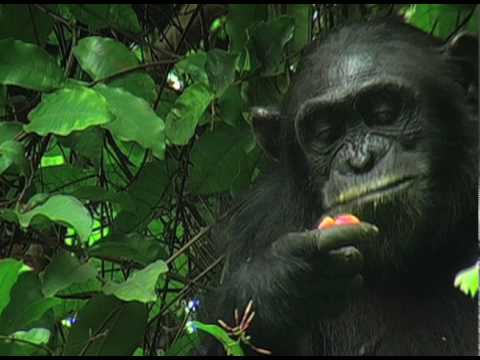
QAM Chen posted on 2013/10/22Ever wonder how ape teeth tell us about their diet and evolution? This video dives into fascinating research using fracture experiments to understand tooth morphology and how it helps primates survive on 'fallback foods.' You'll pick up advanced vocabulary related to primate biology and evolutionary adaptation!
Learn this video on the APP!
The VoiceTube App has more in-depth practice for videos!