
abuse
US /əˈbjuz/
UK /ə'bju:s/
- Transitive Verb
- To mistreat or be cruel towards someone
- To use in an inappropriate or excessive way
- Noun (Countable/Uncountable)
- Improper/dishonest/excessive use of something
- Insulting someone, e.g. by swearing at them
A2TOEICMorealong with
US /əˈlɔŋ wɪð/
UK /əˈlɔŋ wið/
- Preposition
- In addition to; together with.
- Adverb
- In company or together with someone or something.
- Including; in addition to.
A2Moreanxiety
US /æŋˈzaɪɪti/
UK /æŋ'zaɪətɪ/
- Uncountable Noun
- A feeling of worry, nervousness, or unease about something that might happen, especially when the outcome is uncertain.
B1Moreat risk
US
UK
- Phrase
- In danger; likely to be harmed
avoid
US /əˈvɔɪd/
UK /ə'vɔɪd/
- Transitive Verb
- To prevent from happening
- To stay away from
A2TOEICMorechaotic
US /keɪˈɒtɪk/
UK /keɪ'ɒtɪk/
- Adjective
- Utterly confused
B1Morecheck out
US /tʃɛk aʊt/
UK /tʃek aut/
- Phrase
- Phrasal Verb
- To find out information about something
- To take books out of a library
A1Moreclose up
US /kloz ʌp/
UK /kləuz ʌp/
- Countable Noun
- A photograph or film shot taken of a subject at close range.
- Adverb
- To move nearer to someone or something.
A1Morecome from
US /kʌm frʌm/
UK /kʌm frɔm/
- Phrasal Verb
- To have as your native country or city
A1Moreconfidence
US /ˈkɑnfɪdəns/
UK /'kɒnfɪdəns/
- Uncountable Noun
- Feeling that you can do well at something
- Feeling you can trust someone
A2Moreconflict
US /ˈkɑnˌflɪkt/
UK /'kɒnflɪkt/
- Noun (Countable/Uncountable)
- Argument or struggle between two or more parties
- A serious disagreement or argument.
- Verb (Transitive/Intransitive)
- To have opposite ideas; to disagree; To not match
A2Moreconstant
US /ˈkɑnstənt/
UK /'kɒnstənt/
- Adjective
- Happening frequently or without pause
- Remaining the same over time or not changing.
- Noun
- Thing that happens always or at a regular rate
- A physical quantity that is believed to have a fixed value and is used in calculations.
A2TOEICMoreconversation
US /ˌkɑnvɚˈseʃən/
UK /ˌkɒnvəˈseɪʃn/
- Uncountable Noun
- Talking with other people; discussion or chat
- General communication or interaction.
A2Morecriticism
US /ˈkrɪtɪˌsɪzəm/
UK /ˈkrɪtɪsɪzəm/
- Noun (Countable/Uncountable)
- Article or essay that judges quality
- Negative judgment of something
A2Moredeal with
US /dil wɪð/
UK /di:l wið/
- Verb (Transitive/Intransitive)
- To buy or sell goods or services.
- Phrasal Verb
- To take action to solve a problem or manage a situation.
- To be about; concern.
A1Morediagnose
US /ˌdaɪəgˈnoʊs/
UK /ˈdaɪəgnəʊz/
- Transitive Verb
- To determine the cause of an illness or problem
B1Moredisconnect
US /ˌdɪskəˈnɛkt/
UK /ˌdɪskəˈnekt/
- Transitive Verb
- To separate something from something else
- Noun
- State of being separated from something else
B2Moredisorder
US /dɪsˈɔrdɚ/
UK /dɪs'ɔ:də(r)/
- Uncountable Noun
- State of confusion or a lack of organization
- Illness when the body is not functioning well
- Transitive Verb
- To disrupt the order or arrangement of something.
B2Moredrown
US /draʊn/
UK /draʊn/
- Transitive Verb
- To kill something by putting it under water
- To make something very wet or cover it completely
B1Moredysfunctional
US
UK
- Adjective
- Acting in an abnormal way or not as required
- Not behaving or working normally as a family or group.
B2Moreemotional
US /ɪˈmoʃənəl/
UK /ɪˈməʊʃənl/
- Adjective
- Causing, feeling, or appealing to the emotions
- Relating to or characterized by emotion
A2Moreesteem
US /ɪˈstim/
UK /ɪˈsti:m/
- Uncountable Noun
- Feeling of respect or admiration regarding someone
- Transitive Verb
- To regard with great respect or admiration
B2TOEICMorefamily members
US
UK
- Noun (plural)
- People related by blood, marriage, or adoption.
A1Moregeneralize
US /ˈdʒɛnərəˌlaɪz/
UK /'dʒenrəlaɪz/
- Verb (Transitive/Intransitive)
- To apply a particular idea to a large group
B2Moregrow up
US /ɡro ʌp/
UK /ɡrəu ʌp/
- Phrasal Verb
- To develop from a child into an adult
A1Moreharsh
US /hɑrʃ/
UK /hɑ:ʃ/
- Adjective
- Rough; tough; hard to experience or accept
- Being severe and unkind
B1Morehormone
US /ˈhɔrˌmon/
UK /'hɔ:məʊn/
- Noun
- Chemical produced by the body to control functions
B2Morehousehold
US /ˈhaʊsˌhold/
UK /'haʊshəʊld/
- Adjective
- Being in everyday use; common
- Relating to a house or home.
- Noun (Countable/Uncountable)
- Concerning a home
- Family or other group living together in a house
B1Moreidentity
US /aɪˈdɛntɪti/
UK /aɪ'dentətɪ/
- Noun (Countable/Uncountable)
- Collection of qualities that makes a person
- Who someone is; the name of a person
B1Moreimpulse
US /ˈɪmˌpʌls/
UK /'ɪmpʌls/
- Noun
- Sudden desire to do something that is not planned
- A brief electrical signal transmitted along a nerve fiber or muscle fiber
B1TOEICMorein order to
US /ɪn ˈɔrdɚ tu/
UK /in ˈɔ:də tu:/
- Preposition
- For the purpose of; with the aim of.
- Phrase
- In a specific sequence or arrangement.
- With the aim of; for the purpose of.
C1Moreinstead of
US /ɪnˈstɛd ʌv/
UK /inˈsted ɔv/
- Preposition
- When one thing is replaced by another
- Adverb
- As a substitute or alternative.
A1Moreinteract
US /ˌɪntɚˈækt/
UK /ˌɪntər'ækt/
- Intransitive Verb
- To talk or do things with each other
A2Morejournal
US /ˈdʒɚnəl/
UK /ˈdʒə:nl/
- Noun (Countable/Uncountable)
- A diary; record of what you do every day
- Magazine of academic papers
B1TOEICMoremaintain
US /menˈten/
UK /meɪn'teɪn/
- Transitive Verb
- To keep saying something a certain way
- To keep (machine) working by checking, repairing
A2TOEICMoremanipulate
US /məˈnɪpjəˌlet/
UK /mə'nɪpjʊleɪt/
- Transitive Verb
- To try to control others to gain an advantage
- To handle or work in a skillful manner
B1Moremanipulation
US /məˌnɪpjʊˈleʃən/
UK /məˌnɪpjʊ'leɪʃn/
- Noun (Countable/Uncountable)
- Act of controlling to gain an advantage
- Act of moving something using your hands
B1Moremental
US /ˈmɛntl/
UK /ˈmentl/
- Adjective
- Concerning the mind
A2TOEICMoremiss out
US /mɪs aʊt/
UK /mis aut/
- Phrasal Verb
- To exclude; not include in something
- To fail to take advantage of something; to lose an opportunity.
A1Morenegative
US /ˈnɛɡətɪv/
UK /'neɡətɪv/
- Noun
- The opposite to a positive electrical charge
- In grammar, containing words such as 'no' or 'not'
- Adjective
- Being harmful, unwanted or unhelpful
- In mathematics, being less than zero
A2Moreneglect
US /nɪˈɡlɛkt/
UK /nɪ'ɡlekt/
- Uncountable Noun
- Act of failing to do something important, required
- State or condition of not receiving proper care
- Transitive Verb
- To not do something that is important or required
- To fail to take care of something; ignore
B1TOEICMorenurture
US /ˈnɜ:rtʃə(r)/
UK /ˈnɜ:tʃə(r)/
- Uncountable Noun
- Care and support given to people as they develop
- Transitive Verb
- To help something or someone to grow or succeed
- To help something or someone to grow or succeed
B1Moreon a daily basis
US
UK
- Phrase
- Happening every day.
A1Moreovercome
US /ˌovɚˈkʌm/
UK /ˌəʊvə'kʌm/
- Transitive Verb
- To succeed in a struggle against; defeat
- Participle
- Past participle of overcome; to have successfully dealt with or controlled a problem or feeling.
A2TOEICMoreoverload
US /ˌovɚˈlod/
UK /ˌəʊvə'ləʊd/
- Transitive Verb
- To make a machine work too hard so it might break
- To cause someone or something to work too hard
- Noun (Countable/Uncountable)
- Too much of something
B2Morepsychiatrist
US /saɪ'kaɪətrɪst/
UK /saɪˈkaɪətrɪst/
- Countable Noun
- Doctor who treats psychological disorders
- Doctor who treats psychological disorders
B2Morepsychiatry
US /sɪˈkaɪətri, saɪ-/
UK /saɪˈkaɪətri/
- Uncountable Noun
- Study and treatment of mental illness
B2Moresensitive
US /ˈsɛnsɪtɪv/
UK /'sensətɪv/
- Adjective
- Taking offense easily; easily upset or hurt
- (Private information) needing careful treatment
A2TOEICMorestruggle
US /ˈstrʌɡəl/
UK /'strʌɡl/
- Verb (Transitive/Intransitive)
- To try very hard to do something difficult
- To fight or struggle violently
- Noun (Countable/Uncountable)
- Strong efforts made to do something difficult
- A difficult or challenging situation or task
A2Moretherapy
US /ˈθɛrəpi/
UK /'θerəpɪ/
- Noun (Countable/Uncountable)
- Treatment to help cure an illness
- Psychological counseling to help resolve personal or emotional problems.
B2Moretoxic
US /ˈtɑksɪk/
UK /ˈtɒksɪk/
- Adjective
- Poisonous; harmful
- (Of relationships) harmful; causing conflict
B2Moretrauma
US /ˈtraʊmə/
UK /'trɔ:mə/
- Noun (Countable/Uncountable)
- A very severe or upsetting experience
- Serious injury to part of the body
B2Moreverbally
US /ˈvɜ:rbəli/
UK /ˈvɜ:bəli/
- Adverb
- Through speech; using words
B2Morevictim
US /ˈvɪktɪm/
UK /ˈvɪktɪm/
- Noun
- Person/thing affected by an unpleasant event
- Person feeling helpless in times of bad luck
B1TOEICMorevulnerable
US /ˈvʌlnərəbəl/
UK /ˈvʌlnərəbl/
- Adjective
- Being open to attack or damage
- Being easily harmed, hurt, or wounded
B1More
Vocabulary
- family members: People related by blood, marriage, or adoption.
- grow up: To develop from a child into an adult
- in order to: For the purpose of; with the aim of.
- come from: To have as your native country or city
- on a daily basis: Happening every day.
- instead of: When one thing is replaced by another
- miss out: To exclude; not include in something
- close up: A photograph or film shot taken of a subject at close range.
- at risk: In danger; likely to be harmed
- deal with
- along with: In addition to; together with.
- check out
- vulnerable: Being open to attack or damage
- anxiety: A feeling of worry, nervousness, or unease about something that might happen, especially when the outcome is uncertain.
- struggle: To try very hard to do something difficult
- mental: Concerning the mind
- constant: Happening frequently or without pause
- trauma: A very severe or upsetting experience
- esteem: Feeling of respect or admiration regarding someone
- experience: Thing a person has done or that happened to them
- disorder: State of confusion or a lack of organization
- negative: The opposite to a positive electrical charge
- therapy: Treatment to help cure an illness
- conflict: Argument or struggle between two or more parties
- treat: To pay for the food or enjoyment of someone else
- develop: To explain something in steps and in detail
- manipulate: To try to control others to gain an advantage
- conversation: Talking with other people; discussion or chat
- interact: To talk or do things with each other
- fear: Unpleasant feeling caused by being aware of danger
- emotional: Causing, feeling, or appealing to the emotions
- confidence: Feeling that you can do well at something
- impulse: Sudden desire to do something that is not planned
- hormone: Chemical produced by the body to control functions
- harsh: Rough; tough; hard to experience or accept
- chaotic: Utterly confused
- toxic: Poisonous; harmful
- overcome: To succeed in a struggle against; defeat
- criticism: Article or essay that judges quality
- victim: Person/thing affected by an unpleasant event
- abuse: To mistreat or be cruel towards someone
- sensitive: Taking offense easily; easily upset or hurt
- maintain: To keep saying something a certain way
- avoid: To prevent from happening
- neglect: Act of failing to do something important, required
- journal: A diary; record of what you do every day
- behavior: The way a person or thing acts; manner
- form: Sports team or person's current winning record
- raise: To increase a bet above another when playing cards
- identity: Collection of qualities that makes a person
- household: Being in everyday use; common
- cortisol: Adrenal-cortex hormone (trade names Hydrocortone or Cortef) that is active in carbohydrate and protein metabolism
- manipulation: Act of controlling to gain an advantage
- nurture: Care and support given to people as they develop
- diagnose: To determine the cause of an illness or problem
- offer: Price you say you are willing to pay for something
- drown: To kill something by putting it under water
- control: A device designed to operate a machine
- support: To give assistance or advice to someone
- learn: To get knowledge or skills by study or experience
- daily: Happening every day
- change: To exchange one set of clothes for another
- grow: To get bigger and more mature; make plants do this
- verbally: Through speech; using words
- psychiatrist: Doctor who treats psychological disorders
- dysfunctional: Acting in an abnormal way or not as required
- disconnect: To separate something from something else
- overload: To make a machine work too hard so it might break
- generalize: To apply a particular idea to a large group
- psychiatry: Study and treatment of mental illness
Get the full experience in the app
Learn anywhere with detailed sentence and usage analysis
01:03
She took a brave step forward, leaving behind her comfort zone to chase her dreams.
Vocabulary
- brave
adj. Having courage
- comfort zone
phr. A familiar situation where one feels safe
Explanation
a brave step is a noun phrase, where brave is an adjective modifying the noun step, meaning "a courageous step".
forward is an adverb modifying step, meaning "ahead".
The whole phrase serves as the object, answering the "what" of took (verb) — she took a brave step forward.
Get the full experience in the app
Look up words anytime with pronunciation, part of speech, and usage
brave
US/brev/
UK/breɪv/
adj.Brave
v.t.To bravely face
A2 Elementary
Get the full experience in the app
Practice speaking anytime and get instant pronunciation feedback
Try this speaking exercise.
Try practicing with this sentence.
80
6 Side Effects of Toxic families
0
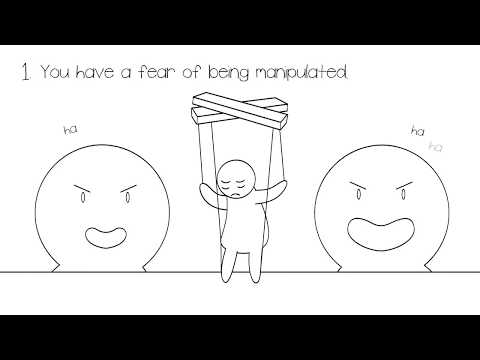
Celeste posted on 2019/04/06Ever wondered about the lasting effects of a difficult upbringing? This video dives into the 6 side effects of toxic families, helping you understand childhood trauma and the path to healing. You'll pick up advanced vocabulary like 'emotional cutoff' and 'dysfunctional' in clear, simple sentences, making it a fantastic way to boost your English comprehension!
Learn this video on the APP!
The VoiceTube App has more in-depth practice for videos!