
account for
US /əˈkaʊnt fɔr/
UK /əˈkaunt fɔ:/
- Phrasal Verb
- To explain the cause or reason for something
- To form a particular amount or part of something.
- Verb (Transitive/Intransitive)
- To supply a reason or explanation for something.
- To form a particular amount or proportion of something.
A1Moreafter all
US /ˈæftɚ ɔl/
UK /ˈɑ:ftə ɔ:l/
- Adverb
- In spite of what was expected; used to introduce a statement that supports a previous statement or explains why it was made
- Considering everything; used to indicate that something is happening or is true despite some difficulty or obstacle
- Phrase
- Despite what was expected or thought; in spite of everything.
- Taking everything into consideration; considering that.
B1Moreantibiotic
US /ˌæntibaɪˈɑ:tɪk/
UK /ˌæntibaɪˈɒtɪk/
- Adjective
- (Drug) used to fight certain kinds of diseases
- Noun
- Medicine that kills bacteria to fight infections
B1Moreassume
US /əˈsum/
UK /ə'sju:m/
- Transitive Verb
- To act in a false manner to mislead others
- To believe, based on the evidence; suppose
A2TOEICMorebacteria
US /bækˈtɪriə/
UK /bæk'tɪərɪə/
- Noun (plural)
- The very small creatures that can cause disease
B2Moreblast
US /blæst/
UK /blɑ:st/
- Transitive Verb
- To attack someone with words
- To destroy something with explosives
- Noun (Countable/Uncountable)
- Destructive wave of air from an explosion
- Strong current of wind
B1Morecategory
US /ˈkætɪˌɡɔri, -ˌɡori/
UK /ˈkætəgəri/
- Noun
- Groups of things that are similar in some way
B1Morecrawl
US /krɔl/
UK /krɔ:l/
- Verb (Transitive/Intransitive)
- To move very slowly or cautiously
- To move along with the body close to the ground
- Uncountable Noun
- Very slow progress (e.g. traffic)
B1Morecreep
US /krip/
UK /kri:p/
- Intransitive Verb
- To move quietly so as not to be seen
- Countable Noun
- Scary or disliked person
B1Morecreep into
US
UK
- Phrasal Verb
- To enter a place quietly and stealthily, often without permission.
- To gradually affect or influence something.
A1Moredigestive
US /daɪˈdʒɛstɪv, dɪ-/
UK /daɪˈdʒestɪv/
- Adjective
- Concerning processes of converting food to energy
B2Moredump
US /dʌmp/
UK /dʌmp/
- Transitive Verb
- To end a romantic relationship
- To put something somewhere without care
- Noun
- A place where waste or garbage is left.
- A copy of data from one part of a computer system to another.
B1Moredust
US /dʌst/
UK /dʌst/
- Transitive Verb
- To apply a fine powder to, e.g. sugar to a cake
- To wipe something to remove dirt
- Uncountable Noun
- Fine dry powder that builds up on surfaces
A2Moredwell
US /dwɛl/
UK /dwel/
- Intransitive Verb
- To live in a certain place
- To think or talk a lot about something, especially something unpleasant.
B1TOEICMoreexcuse
US /ɪkˈskjuz/
UK /ɪk'skju:s/
- Transitive Verb
- To allow someone not to do (jury service, etc.)
- To explain acting in a bad or impolite manner
- Noun
- Note explaining why someone cannot do or attend
- Reason why you did or didn't do something
A2Morefight off
US /faɪt ɔf/
UK /fait ɔf/
- Phrasal Verb
- To defend a position, often violently
- To resist or struggle to get rid of an illness or negative feeling.
A1Morefilthy
US /ˈfɪlθi/
UK /'fɪlθɪ/
- Adjective
- Being very rude (about sex, bodily functions)
- (E.g. of a joke) being extremely rude or impolite
B2Morefungus
US /ˈfʌŋɡəs/
UK /ˈfʌŋgəs/
- Noun (Countable/Uncountable)
- Plant, e.g. mushroom/mold, growing in damp places
B2Moregut
US /ɡʌt/
UK /ɡʌt/
- Transitive Verb
- To destroy the inside of a building , e.g. by fire
- To remove the internal parts of an animal or fish
- Noun (Countable/Uncountable)
- Stomach and internal organs of digestion
B1Moreharmful
US /ˈhɑ:rmfl/
UK /ˈhɑ:mfl/
- Adjective
- Likely to cause damage or injury
A2TOEICMoreheat
US /hit/
UK /hi:t/
- Uncountable Noun
- State of anger, excitement, or arguing
- Particular temperature at which to cook something
- Transitive Verb
- To make hot or hotter
A2Morehousehold
US /ˈhaʊsˌhold/
UK /'haʊshəʊld/
- Adjective
- Being in everyday use; common
- Relating to a house or home.
- Noun (Countable/Uncountable)
- Concerning a home
- Family or other group living together in a house
B1Moreimmune
US /ɪˈmjoon/
UK /ɪˈmju:n/
- Adjective
- Having a special protection from, e.g. the law
- Protected against a particular disease or condition because of antibodies or vaccination.
B1Morein fact
US /ɪn fækt/
UK /in fækt/
- Adverb
- Used to emphasize the truth of a statement, especially one that contrasts with or contradicts something else.
- Used to introduce a more detailed or surprising piece of information.
- Phrase
- Used to emphasize the truth of a statement, especially one that is surprising or contrary to what might be expected.
C1Morein the world
US /ɪn ði wɜrld/
UK /in ðə wɜː(r)ld/
- Phrase
- Used to emphasize a question expressing surprise, confusion, disbelief
- Used to indicate the extent or degree of something, often in a superlative sense
A1Moreinfectious
US /ɪnˈfɛkʃəs/
UK /ɪnˈfekʃəs/
- Adjective
- Capable of transmitting disease to others
- Making others feel like laughing
A2Moreland on
US
UK
- Phrasal Verb
- To come down to the ground or another surface after flying or falling.
- To criticize someone severely.
B1Morelayer
US /ˈleɚ/
UK /ˈleiə/
- Noun (Countable/Uncountable)
- One of several sheets of a material or object
- A covering of something spread over a surface.
- Transitive Verb
- To put things one on top of another
B1TOEICMorelive on
US /lɪv ɒn/
UK /lɪv ɒn/
- Phrasal Verb
- To continue to exist or be remembered.
- To eat a particular type of food as the main thing.
B2Moremaintain
US /menˈten/
UK /meɪn'teɪn/
- Transitive Verb
- To keep saying something a certain way
- To keep (machine) working by checking, repairing
A2TOEICMoremental
US /ˈmɛntl/
UK /ˈmentl/
- Adjective
- Concerning the mind
A2TOEICMoremicrobe
US /ˈmaɪkroʊb/
UK /ˈmaɪkrəʊb/
- Noun (Countable/Uncountable)
- Very small, microscopic, living thing
C1Moremicrobial
US /maɪ'kroʊbɪrl/
UK /maɪ'krəʊbɪəl/
- Adjective
- Concerning, involving or caused by being microbes
C1Moremicroscopic
US /ˌmaɪkrəˈskɑ:pɪk/
UK /ˌmaɪkrəˈskɒpɪk/
- Adjective
- Too small to be seen with the eyes
- Relating to or involving the use of a microscope.
B1Moremiss out
US /mɪs aʊt/
UK /mis aut/
- Phrasal Verb
- To exclude; not include in something
- To fail to take advantage of something; to lose an opportunity.
A1Moremold
US /mold/
UK /məʊld/
- Noun
- Distinctive type of character or nature
- Fungus growing on old food or in wet dark places
- Transitive Verb
- To influence a person's character or behavior
- To form something into a shape
B1Moremusty
US /ˈmʌsti/
UK /ˈmʌsti/
- Adjective
- Smelling old and damp from lack of fresh air
C1Morenecessarily
US /ˌnɛsɪˈsɛrəli, -ˈsɛr-/
UK /ˌnesəˈserəli/
- Adverb
- In a way that is needed/required/is unavoidable
A2TOEICMoreodor
US /'oʊdə/
UK /'əʊdə/
- Noun
- A certain smell, often strong or distinct
- A distinctive smell, especially an unpleasant one.
- Noun (Countable/Uncountable)
- A certain smell, often strong or distinct
B1TOEICMoreopportunity
US /ˌɑpɚˈtunɪti, -ˈtju-/
UK /ˌɒpə'tju:nətɪ/
- Noun (Countable/Uncountable)
- Time, situation when a thing might be done; chance
- A favorable time or occasion for doing something.
A2TOEICMorerole
US /rol/
UK /rəʊl/
- Noun
- Character played by an actor
- Part you play in an activity; job; responsibility
A2Moreserotonin
US /ˌserəˈtoʊnɪn/
UK /ˌserəˈtəʊnɪn/
- Uncountable Noun
- A neurotransmitter in the brain that helps regulate mood, sleep, appetite, and emotional well-being; often referred to as the "feel-good" hormone.
C2Moresimultaneously
US /saɪməlˈtenɪəslɪ/
UK /ˌsɪməl'teɪnɪəslɪ/
- Adverb
- At the same time; all together
B2Moreslimy
US /ˈslaɪmi/
UK /ˈslaɪmi/
- Adjective
- With or resembling slime; disgustingly thick
B2Morestress
US / strɛs/
UK /stres/
- Transitive Verb
- To emphasize one or more parts of a word, sentence
- To put pressure on something or someone
- Noun (Countable/Uncountable)
- Emphasis on part of a word or sentence
- Pressure on something or someone
A2TOEICMoreswear
US /swɛr/
UK /sweə(r)/
- Intransitive Verb
- To say bad or impolite words to someone
- Transitive Verb
- To make a serious promise to do something
B1Moreswear off
US
UK
- Phrasal Verb
- To make a formal promise to stop doing or using something.
A2Moreswitch
US /swɪtʃ/
UK /swɪtʃ/
- Noun
- A change or shift from one method to another
- Thing you move to turn electrical items on or off
- Transitive Verb
- To exchange or replace something for another thing
A2TOEICMoreswitch on
US
UK
- Transitive Verb
- To put something electrical on or off
- Phrasal Verb
A2Moretake over
US /tek ˈovɚ/
UK /teik ˈəuvə/
- Phrasal Verb
- To gain control of (a company) from someone else
- To assume control or possession of something.
A1Moretempt
US /tɛmpt/
UK /tempt/
- Transitive Verb
- To make someone want something, even if it's bad
A2Morethanks to
US /θæŋks tu/
UK /θæŋks tu:/
- Preposition
- Because of; as a result of.
A1Morethick
US /θɪk/
UK /θɪk/
- Adjective
- Difficult to see through, as fog
- Full of (people, etc.)
- Adverb
- In close association or friendship.
A2Morethink about
US /θɪŋk əˈbaʊt/
UK /θiŋk əˈbaut/
- Phrasal Verb
- To consider something carefully.
- To remember or call to mind.
A1Morewanna
US /ˈwɑnə/
UK /'wɒnə/
- Verb (Transitive/Intransitive)
- Shortened form of 'want to'. Used only in speaking
B2More
Vocabulary
- in the world: Used to emphasize a question expressing surprise, confusion, disbelief
- after all: In spite of what was expected; used to introduce a statement that supports a previous statement or explains why it was made
- creep into: To enter a place quietly and stealthily, often without permission.
- switch on: To put something electrical on or off
- think about: To consider something carefully.
- land on: To come down to the ground or another surface after flying or falling.
- fight off: To defend a position, often violently
- live on: To continue to exist or be remembered.
- in fact: Used to emphasize the truth of a statement, especially one that contrasts with or contradicts something else.
- account for: To explain the cause or reason for something
- take over: To gain control of (a company) from someone else
- swear off: To make a formal promise to stop doing or using something.
- miss out: To exclude; not include in something
- thanks to: Because of; as a result of.
- assume: To act in a false manner to mislead others
- immune: Having a special protection from, e.g. the law
- mental: Concerning the mind
- opportunity: Time, situation when a thing might be done; chance
- simultaneously: At the same time; all together
- necessarily: In a way that is needed/required/is unavoidable
- bacteria: The very small creatures that can cause disease
- category: Groups of things that are similar in some way
- stress: To emphasize one or more parts of a word, sentence
- gut: To destroy the inside of a building , e.g. by fire
- increase: To make or become larger in size or amount
- dump: To end a romantic relationship
- maintain: To keep saying something a certain way
- blast: To attack someone with words
- odor: A certain smell, often strong or distinct
- crawl: To move very slowly or cautiously
- digestive: Concerning processes of converting food to energy
- swear: To say bad or impolite words to someone
- account: An advantage
- serotonin: A neurotransmitter in the brain that helps regulate mood, sleep, appetite, and emotional well-being; often referred to as the "feel-good" hormone.
- household: Being in everyday use; common
- thick: Difficult to see through, as fog
- switch: A change or shift from one method to another
- filthy: Being very rude (about sex, bodily functions)
- mold: Distinctive type of character or nature
- wanna: Shortened form of 'want to'. Used only in speaking
- role: Character played by an actor
- dwell: To live in a certain place
- layer: One of several sheets of a material or object
- neurotransmitter: Chemical released by nerves that boost signals within the body
- excuse: To allow someone not to do (jury service, etc.)
- notice: To become aware by sight, touch, or hearing
- creep: To move quietly so as not to be seen
- place: To put someone in a particular type of situation
- harmful: Likely to cause damage or injury
- system: Set of organized, planned ideas that work together
- fact: Something that is known or proved to be true
- fungus: Plant, e.g. mushroom/mold, growing in damp places
- dust: To apply a fine powder to, e.g. sugar to a cake
- information: Collection of facts and details about something
- tempt: To make someone want something, even if it's bad
- infectious: Capable of transmitting disease to others
- microscopic: Too small to be seen with the eyes
- fill: To make something full
- head: To hit a ball with your head in a game
- fail: To be unsuccessful in passing a class or exam
- land: Region or country
- heat: State of anger, excitement, or arguing
- microbe: Very small, microscopic, living thing
- slimy: With or resembling slime; disgustingly thick
- antibiotic: (Drug) used to fight certain kinds of diseases
- world: All the humans, events, activities on the earth
- think: To have an idea about something without certainty
- healthy: In good condition physically, or financially; well
- microbial: Concerning, involving or caused by being microbes
- musty: Smelling old and damp from lack of fresh air
Get the full experience in the app
Learn anywhere with detailed sentence and usage analysis
01:03
She took a brave step forward, leaving behind her comfort zone to chase her dreams.
Vocabulary
- brave
adj. Having courage
- comfort zone
phr. A familiar situation where one feels safe
Explanation
a brave step is a noun phrase, where brave is an adjective modifying the noun step, meaning "a courageous step".
forward is an adverb modifying step, meaning "ahead".
The whole phrase serves as the object, answering the "what" of took (verb) — she took a brave step forward.
Get the full experience in the app
Look up words anytime with pronunciation, part of speech, and usage
brave
US/brev/
UK/breɪv/
adj.Brave
v.t.To bravely face
A2 Elementary
Get the full experience in the app
Practice speaking anytime and get instant pronunciation feedback
Try this speaking exercise.
Try practicing with this sentence.
80
0
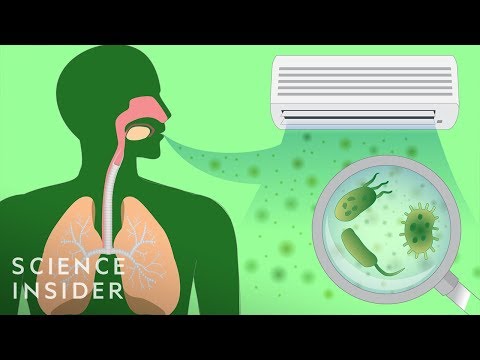
Vivian Chen posted on 2022/07/08Think your home is clean? Think again! This video dives into the fascinating world of household microbes, revealing the surprising organisms living in your showerhead and air conditioner, and you'll pick up some awesome advanced vocabulary along the way. It's a practical look at the 'never home alone' concept that's perfect for boosting your knowledge and language skills!
Learn this video on the APP!
The VoiceTube App has more in-depth practice for videos!