
absolutely
US /ˈæbsəˌlutli, ˌæbsəˈlutli/
UK /ˈæbsəlu:tli/
- Adverb
- Completely; totally; very
- Considered independently and without relation to other things; viewed abstractly; as, quantity absolutely considered.
A2Moreadmission
US /ædˈmɪʃən/
UK /ədˈmɪʃn/
- Noun (Countable/Uncountable)
- Act of allowing someone to enter
- Taking responsibility for an error or mistake
B1TOEICMorealong with
US /əˈlɔŋ wɪð/
UK /əˈlɔŋ wið/
- Preposition
- In addition to; together with.
- Adverb
- In company or together with someone or something.
- Including; in addition to.
A2Moreaverage
US /ˈævərɪdʒ, ˈævrɪdʒ/
UK /'ævərɪdʒ/
- Noun (Countable/Uncountable)
- Total of numbers divided by the number of items
- Transitive Verb
- To add numbers then divide by the number of items
A2TOEICMorebased on
US
UK
- Phrasal Verb
- To use something as the foundation or starting point for something else.
- Preposition
- Using something as the main idea or foundation.
- Relying on something as evidence or justification.
A1Morebill
US /bɪl/
UK /bɪl/
- Noun
- Plan for a new law being discussed by a government
- Sign or poster advertising something
- Transitive Verb
- To request payment by handing over an invoice
A2TOEICMoreboom
US /bum/
UK /bu:m/
- Noun (Countable/Uncountable)
- Very fast increase in growth or popularity
- A very loud and deep sound
- Intransitive Verb
- To experience a rapid increase in growth
- To make a very loud and deep sound
B1Morebottom
US /ˈbɑtəm/
UK /'bɒtəm/
- Noun
- The part of your body you sit on
- Lowest position, often in a company or contest
- Verb (Transitive/Intransitive)
- To hit the lowest part of something
- To provide with a bottom.
A2TOEICMorebypass
US /ˈbaɪˌpæs/
UK /ˈbaɪpɑ:s/
- Transitive Verb
- To go around something; avoid
- Noun
- A road that goes around a town or village
B2Morecare of
US /kɛr ʌv/
UK /kɛə ɔv/
- Preposition
- Used in an address to indicate the person who will receive the mail for someone else.
A2Morecome for
US /kʌm fɔr/
UK /kʌm fɔ:/
- Phrasal Verb
- To arrive to collect someone or something.
- To attack someone.
A1Morecome from
US /kʌm frʌm/
UK /kʌm frɔm/
- Phrasal Verb
- To have as your native country or city
A1Morecouple
US /ˈkʌpəl/
UK /'kʌpl/
- Transitive Verb
- To join something to something else
- (Two animals) to engage in sexual relations
- Noun (Countable/Uncountable)
- Two people in a romantic relationship
- Two of something; two people; a pair
A2Moredecease
US /dɪˈsis/
UK /dɪˈsi:s/
- Intransitive Verb
- To die
B2Moredichotomy
US /daɪˈkɑtəmi/
UK /daɪ'kɒtəmɪ/
- Noun
- Difference between two completely opposite ideas
C1Moredonor
US /ˈdoʊnə(r)/
UK /ˈdəʊnə(r)/
- Countable Noun
- Someone giving money or gifts to support a cause
B1Moreestimate
US /ˈɛstəˌmet/
UK /'estɪmət/
- Noun (Countable/Uncountable)
- Guess or calculation of cost, size or value
- A judgment or opinion.
- Transitive Verb
- To guess or calculate the cost, size or value of
- To form an approximate idea or judgment of.
A2TOEICMorefactor
US /ˈfæktɚ/
UK /'fæktə(r)/
- Noun
- Something that influences a result
- Transitive Verb
- To consider or include in an estimate or judgment
- To find the two numbers a number can be divided by
A2TOEICMorefactor in
US /ˈfæktɚ ɪn/
UK /ˈfæktə in/
- Phrasal Verb
- To include something as an important element when making a decision or calculation.
B2Morefirm
US /fɚm/
UK /fɜ:m/
- Countable Noun
- Company that sells goods or services
- Adjective
- Fairly hard or solid, not soft
- Unchanging and strong
A2TOEICMorefor example
US
UK
- Phrase
- As an illustration or instance.
for free
US /fɔr fri/
UK /fɔ: fri:/
- Phrase
- Without charge; at no cost.
- Adjective
- Available without payment.
A2Morefraction
US /ˈfrækʃən/
UK /ˈfrækʃn/
- Noun (Countable/Uncountable)
- Small part of something
- A numerical quantity that is not a whole number (e.g., 1/2, 0.5).
B1TOEICMorehuge
US /hjudʒ/
UK /hju:dʒ/
- Adjective
- Very very large
A2Moreidentical
US /aɪˈdɛntɪkəl/
UK /aɪˈdentɪkl/
- Adjective
- The same in every way
- Satisfied by all values of the variables involved.
B1Morein part
US /ɪn pɑrt/
UK /in pɑ:t/
- Adverb
- To some extent; partially.
A1Morein the business of
US /ɪn ðə ˈbɪznəs ʌv/
UK /in ðə ˈbiznis ɔv/
- other
- Engaged in a particular commercial activity or profession.
B2Morein the hospital
US /ɪn ðə ˈhɑspɪtəl/
UK /in ðə ˈhɒspɪtəl/
- Preposition
- Located inside a hospital receiving medical care.
A1Moreinsurance
US /ɪnˈʃʊrəns/
UK /ɪnˈʃʊərəns/
- Uncountable Noun
- Protection against loss/injury/death you pay for
A2TOEICMorekeyword
US /ˈki:wɜ:rd/
UK /ˈki:wɜ:d/
- Noun
- Significant or descriptive word used in searches
B1Morekidney
US /ˈkɪdni/
UK /'kɪdnɪ/
- Noun (Countable/Uncountable)
- Body organ that cleans blood, producing urine
- An animal kidney used as food.
- Adjective
- Relating to the kidneys.
- Having the shape of a kidney; bean-shaped.
B2Morelung
US /lʌŋ/
UK /lʌŋ/
- Noun
- One of the two organs we use to breathe
B1Moremainland
US /ˈmenˌlænd, -lənd/
UK /'meɪnlænd/
- Noun (Countable/Uncountable)
- Main land mass of a country or continent
- Adjective
- Relating to or situated on the main landmass of a country or continent.
B2Moremedication
US /ˌmɛdɪˈkeʃən/
UK /ˌmedɪˈkeɪʃn/
- Noun (Countable/Uncountable)
- Substance to relieve pain or cure sickness
B2Morenah
US /nɑ:/
UK /nɑ:/
- Noun
- Way of saying 'No'
B2Moreorgan
US /ˈɔrɡən/
UK /'ɔ:ɡən/
- Noun (Countable/Uncountable)
- Part of a person's body with a particular function
- Large institution or body
B1Morepatient
US /ˈpeʃənt/
UK /'peɪʃnt/
- Adjective
- Not getting annoyed when things take a long time
- Bearing or enduring pain or trials without complaint; exhibiting forbearance.
- Countable Noun
- Person who receives medical treatment or care
A2Morepersonnel
US /ˌpɜ:rsəˈnel/
UK /ˌpɜ:səˈnel/
- Noun (Countable/Uncountable)
- Group of people who work for a company or group
- A group of people employed in an organization or for a specific task.
- Adjective
- Relating to the staff or employees of an organization.
B1TOEICMoreprofitable
US /ˈprɑ:fɪtəbl/
UK /ˈprɒfɪtəbl/
- Adjective
- Being useful; benefiting someone or something
- Making more money than it cost to make
A2TOEICMorerequire
US /rɪˈkwaɪr/
UK /rɪ'kwaɪə(r)/
- Transitive Verb
- To demand that someone does something
- To need to do something, to make it necessary
A2TOEICMorerevenue
US /ˈrevənju/
UK /'revənju:/
- Noun (Countable/Uncountable)
- Money that is made by or paid to a business
- Money a government collects from its people
A2TOEICMoresurgeon
US /ˈsɜrdʒən/
UK /'sɜ:dʒən/
- Countable Noun
- A doctor who performs surgery
B2Moresurgery
US /ˈsɚdʒəri/
UK /'sɜ:dʒərɪ/
- Noun (Countable/Uncountable)
- Medical operation involving cutting into body
- A doctor's office; health clinic
B1Moretake heart
US
UK
- Intransitive Verb
- To be encouraged; to feel braver or more hopeful
A1Moretend
US /tɛnd/
UK /tend/
- Intransitive Verb
- To move or act in a certain manner
- Transitive Verb
- To take care of
A2Moretransplant
US /trænsˈplænt/
UK /trænsˈplɑ:nt/
- Noun
- A medical operation to replace organs of the body
- Transitive Verb
- To replace organ in the body by an operation
B2Moretrauma
US /ˈtraʊmə/
UK /'trɔ:mə/
- Noun (Countable/Uncountable)
- A very severe or upsetting experience
- Serious injury to part of the body
B2More
Vocabulary
- based on: To use something as the foundation or starting point for something else.
- factor in: To include something as an important element when making a decision or calculation.
- in the business of: Engaged in a particular commercial activity or profession.
- come from: To have as your native country or city
- along with: In addition to; together with.
- in the hospital: Located inside a hospital receiving medical care.
- in part: To some extent; partially.
- care of: Used in an address to indicate the person who will receive the mail for someone else.
- take heart: To be encouraged; to feel braver or more hopeful
- for example: As an illustration or instance.
- come for: To arrive to collect someone or something.
- for free: Without charge; at no cost.
- absolutely: Completely; totally; very
- figure: To appear in a game, play or event
- trauma: A very severe or upsetting experience
- average: Total of numbers divided by the number of items
- tend: To move or act in a certain manner
- revenue: Money that is made by or paid to a business
- firm: Company that sells goods or services
- estimate: Guess or calculation of cost, size or value
- fraction: Small part of something
- deal: To cope with something - usually troubles
- require: To demand that someone does something
- huge: Very very large
- factor: Something that influences a result
- compare: To consider how similar and different things are
- identical: The same in every way
- board: Surface for posting or showing information
- pretty: Being attractive to the eye in a simple way
- organ: Part of a person's body with a particular function
- reason: To think and make conclusions in a logical manner
- couple: To join something to something else
- admission: Act of allowing someone to enter
- insurance: Protection against loss/injury/death you pay for
- surgery: Medical operation involving cutting into body
- accept: To agree to receive or take something offered
- kidney: Body organ that cleans blood, producing urine
- patient: Not getting annoyed when things take a long time
- bottom: The part of your body you sit on
- lot: What happens to a person in life from chance; fate
- profitable: Being useful; benefiting someone or something
- bill: Plan for a new law being discussed by a government
- operate: To control or handle something, such as a machine
- boom: Very fast increase in growth or popularity
- surgeon: A doctor who performs surgery
- great: Very good; better than before
- medication: Substance to relieve pain or cure sickness
- business: A company formed for making profit
- make: To arrange or prepare something e.g. dinner
- include: To make someone, something part of a group
- lung: One of the two organs we use to breathe
- part: Division of a book
- finally: used especially at the beginning of a sentence to introduce the last point or idea
- personnel: Group of people who work for a company or group
- bypass: To go around something; avoid
- mainland: Main land mass of a country or continent
- dichotomy: Difference between two completely opposite ideas
- transplant: A medical operation to replace organs of the body
- donor: Someone giving money or gifts to support a cause
- decease: To die
- nah: Way of saying 'No'
- keyword: Significant or descriptive word used in searches
Get the full experience in the app
Learn anywhere with detailed sentence and usage analysis
01:03
She took a brave step forward, leaving behind her comfort zone to chase her dreams.
Vocabulary
- brave
adj. Having courage
- comfort zone
phr. A familiar situation where one feels safe
Explanation
a brave step is a noun phrase, where brave is an adjective modifying the noun step, meaning "a courageous step".
forward is an adverb modifying step, meaning "ahead".
The whole phrase serves as the object, answering the "what" of took (verb) — she took a brave step forward.
Get the full experience in the app
Look up words anytime with pronunciation, part of speech, and usage
brave
US/brev/
UK/breɪv/
adj.Brave
v.t.To bravely face
A2 Elementary
Get the full experience in the app
Practice speaking anytime and get instant pronunciation feedback
Try this speaking exercise.
Try practicing with this sentence.
80
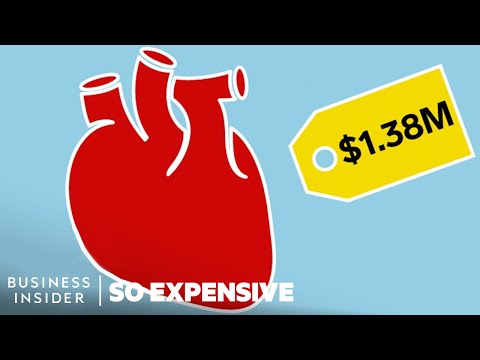
Why Organ Transplants Are So Expensive in the US
0
Liang Chen posted on 2025/08/17Ever wondered why organ transplants cost so much in the US? This video dives deep into the complex factors behind transplant costs, from hospital revenue to medical ethics, and you'll pick up some fantastic advanced vocabulary along the way! It's a fascinating look at a critical topic that's both informative and great for your English learning.
Learn this video on the APP!
The VoiceTube App has more in-depth practice for videos!