Vocabulary
- shut down: To close an operating system, e.g. on a computer
- hold in: To hide your emotions and not let them show
- rack up: To accumulate or amass something, typically debts or points.
- take for example: To use as an instance or illustration.
- for example: As an illustration or instance.
- contrary to: In opposition to; against.
- moral obligation: A duty based on moral principles and values.
- identify: To indicate who or what someone or something is
- obligation: Duty to be done because of a law, rule or promise
- resentment: Feeling of anger because of unfair treatment
- victim: Person/thing affected by an unpleasant event
- shelter: Place to protect people/animals from abuse
- consensus: A decision that is shared by most of a group
- diversity: Having a range of different races, ideas etc.
- moral: In a way considered proper and good by most people
- discrimination: Ability to recognize the difference between things
- democracy: System of government in which everyone is equal
- radical: Person who believes in extreme political change
- grasp: Person's control over something
- contrary: (Of weather) difficult; likely to cause trouble
- integral: Being an essential part of something; necessary
- gigantic: Extremely large
- identity: Collection of qualities that makes a person
- undermine: To weaken or destroy secretly and usually slowly
- lift: Picking someone up in a car and taking to a place
- civilization: A highly developed society
- degree: Amount or extent of something
- agenda: Plan or policy to achieve your goal or intentions
- destructive: Causing a very large amount of damage
- progressive: Believing in modern ideas about social change
- nightmare: Frightening, difficult or displeasing experience
- entertainment: Act or process of providing service for someone
- ideology: Ideas or beliefs which form theory and policy
- race: Speed contest between people, animals or vehicles
- preference: Something that is liked/wanted more than another
- root: Emotional connection with a place, history etc.
- philosopher: Person studying the meaning of truth and life
- regard: Admiration or respect for a person or thing
- oppression: Treatment of people to limit their freedom
- subjective: Using personal feelings and opinions not facts
- refuse: To not accept, allow, or give something
- construct: To build or create something
- critically: As part of the process of judging something
- equality: Idea that all people have the same rights
- sexual: Relating to men and women and their relationships
- voluntary: Done or given by their own will and not forced
- pillar: Tall strong post that supports a building
- university: High-level educational institution; college
- world: All the humans, events, activities on the earth
- ride: Machine at an amusement park for riding on for fun
- classify: To arrange things into groups of similar items
- fight: To argue or quarrel with someone about something
- post: To send a letter or package using stamps
- view: Opinion, belief, or idea about something
- soviet: Elected government council in a communist country
- people: Persons sharing culture, country, background, etc.
- patriarchal: Of social organization in which older men rule
- politic: Careful what you say; diplomatic
- secondary: Being of less importance than something else
- western: Movies often about cowboys in the American West
- poor: Inferior; below the normal standard
- vietnam: A communist state in Indochina on the South China Sea; achieved independence from France in
- imperialism: Political system in which one country rules others
- class: To place things into groups by common qualities
- power: Legal or official right to perform certain actions
- trinity: Christianity union of Father, Son, and Holy Spirit
- neo: A prefix meaning 'recent' or 'new'
- proletariat: Lowest social class in a society or community
- bourgeoisie: Middle classes when seen as conventional or boring
- underwrite: To guarantee financial support or responsibility
Get the full experience in the app
Learn anywhere with detailed sentence and usage analysis
01:03
She took a brave step forward, leaving behind her comfort zone to chase her dreams.
Vocabulary
- brave
adj. Having courage
- comfort zone
phr. A familiar situation where one feels safe
Explanation
a brave step is a noun phrase, where brave is an adjective modifying the noun step, meaning "a courageous step".
forward is an adverb modifying step, meaning "ahead".
The whole phrase serves as the object, answering the "what" of took (verb) — she took a brave step forward.
Get the full experience in the app
Look up words anytime with pronunciation, part of speech, and usage
brave
US/brev/
UK/breɪv/
adj.Brave
v.t.To bravely face
A2 Elementary
Get the full experience in the app
Practice speaking anytime and get instant pronunciation feedback
Try this speaking exercise.
Try practicing with this sentence.
80
0
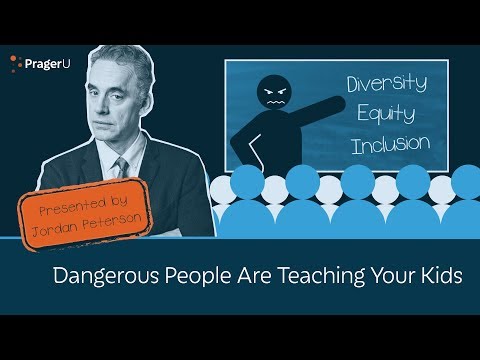
abovelight posted on 2019/03/06Ever wondered what's really being taught in universities today? This video dives into the provocative ideas of postmodernism and identity politics, giving you a chance to boost your vocabulary with advanced terms while understanding complex cultural issues. You'll gain cultural depth and learn about topics that are shaping today's world!
Learn this video on the APP!
The VoiceTube App has more in-depth practice for videos!