
abuse
US /əˈbjuz/
UK /ə'bju:s/
- Transitive Verb
- To mistreat or be cruel towards someone
- To use in an inappropriate or excessive way
- Noun (Countable/Uncountable)
- Improper/dishonest/excessive use of something
- Insulting someone, e.g. by swearing at them
A2TOEICMoreachieve
US /əˈtʃiv/
UK /ə'tʃi:v/
- Transitive Verb
- To succeed in doing good, usually by working hard
- To succeed in reaching a particular goal, status, or standard, often after effort or perseverance.
A2TOEICMoreadvice
US /əd'vaɪs/
UK /ədˈvaɪs/
- Uncountable Noun
- Suggestion about what would help someone
- Professional guidance from a lawyer or legal expert.
A2TOEICMoreafford
US /əˈfɔrd, əˈford/
UK /ə'fɔ:d/
- Transitive Verb
- To make available, to provide
- To have enough money to pay for something
A2TOEICMoreapproachable
US /əˈproʊtʃəbl/
UK /əˈprəʊtʃəbl/
- Adjective
- Easy to talk to or deal with
B1Moreat bay
US /æt be/
UK /æt bei/
- Phrase
- Kept at a distance; held back.
A1Morebay
US /be/
UK /beɪ/
- Noun (Countable/Uncountable)
- Part of an ocean or lake partly surrounded by land
- A compartment or recess in a building.
- Adjective
- Reddish-brown in color, typically used to describe a horse.
- Forcing someone or something to turn and face its attackers; cornered.
B1Moreboost
US /bust/
UK /bu:st/
- Transitive Verb
- To increase something; to make something better
- To push someone or something up from beneath them
- Noun (Countable/Uncountable)
- An increase in something
B1TOEICMorecall away
US
UK
- Phrasal Verb
- To ask someone to leave what they are doing
A1Morecall up
US
UK
- Phrasal Verb
- To require someone to join the army
- To bring to your memory
A1Morecardiac
US /ˈkɑ:rdiæk/
UK /ˈkɑ:diæk/
- Adjective
- Concerning the heart
B2Morecommit
US /kəˈmɪt/
UK /kə'mɪt/
- Transitive Verb
- To do something bad, usually a crime
- To promise your permanent love or loyalty (to)
A2TOEICMorecontent
US /ˈkɑnˌtɛnt/
UK /'kɒntent/
- Adjective
- Being happy or satisfied
- In a state of peaceful happiness.
- Noun (Countable/Uncountable)
- Information in something, e.g. book or computer
- The subject matter of a book, speech, etc.
A2Morecope
US /koʊp/
UK /kəʊp/
- Verb (Transitive/Intransitive)
- To deal with something in spite of difficulties
A2Morecut off
US /kʌt ɔf/
UK /kʌt ɔf/
- Phrasal Verb
- To end a process, e.g. a phone call
- To cut the end of something
- Transitive Verb
- To isolate or prevent access to a place or person.
- To interrupt someone while they are speaking.
A1Moredepression
US /dɪˈprɛʃən/
UK /dɪ'preʃn/
- Noun (Countable/Uncountable)
- Medical condition of a lack of vitality
- Period of unemployment and low economic activity
B2Moredeserve
US /dɪˈzɚv/
UK /dɪ'zɜ:v/
- Transitive Verb
- To be worthy of, e.g. getting praise or attention
A2TOEICMoredrastically
US /ˈdræstɪkl:ɪ/
UK /'drɑ:stɪklɪ/
- Adverb
- In a sudden, extreme or severe manner
B2TOEICMoreEasier said than done
US
UK
- Idiom
- More difficult than it appears to be.
A1Moreembrace
US /ɛmˈbres/
UK /ɪm'breɪs/
- Noun (Countable/Uncountable)
- Act of holding someone closely
- An act of accepting or supporting something willingly and enthusiastically.
- Transitive Verb
- To hold closely; cuddle, kiss or hug
- To accept something enthusiastically.
B1TOEICMorefamily members
US
UK
- Noun (plural)
- People related by blood, marriage, or adoption.
A1Morefeel stuck
US
UK
- Phrase
- To feel unable to progress or change a situation, often leading to frustration or helplessness.
A1Morefridge
US /frɪdʒ/
UK /frɪdʒ/
- Noun
- An electric cool box for keeping food fresh
A2Moreget out of
US /ɡɛt aʊt ʌv/
UK /ɡet aut ɔv/
- Phrasal Verb
- To leave or escape responsibilities, troubles
- To leave a small, enclosed vehicle
A1Moreget through
US /ɡɛt θru/
UK /ɡet θru:/
- Phrasal Verb
- To arrive at the end of or finish something
- To succeed in contacting someone by phone
A1Morehave to
US /hæv tu/
UK /ˈhæv tə/
- Auxiliary Verb
- Must do
A1Morein control
US /ɪn kənˈtrol/
UK /in kənˈtrəul/
- Adjective
- Having the power to direct or regulate something; able to manage or direct a situation or person.
- Possessing self-restraint and the ability to manage one's own behavior and emotions.
- Phrase
- Having command or authority; managing effectively.
C1Morein school
US /ɪn skul/
UK /ɪn sku:l/
- other
- Attending an educational institution.
A1Morein the meantime
US /ɪn ði ˈminˌtaɪm/
UK /in ðə ˈmi:ntaim/
- Phrase
- During the time between two events; meanwhile.
A1Morein the middle of
US
UK
- Phrase
- In the central part or point of something.
- Engaged or occupied with something.
A2Morein the world
US /ɪn ði wɜrld/
UK /in ðə wɜː(r)ld/
- Phrase
- Used to emphasize a question expressing surprise, confusion, disbelief
- Used to indicate the extent or degree of something, often in a superlative sense
A1Moreinspire
US /ɪnˈspaɪr/
UK /ɪn'spaɪə(r)/
- Transitive Verb
- To give someone an idea to do or make something
- To make someone feel a certain emotion
- Intransitive Verb
- To breathe in
- To draw (air, etc.) into the lungs.
B1TOEICMoreinstead of
US /ɪnˈstɛd ʌv/
UK /inˈsted ɔv/
- Preposition
- When one thing is replaced by another
- Adverb
- As a substitute or alternative.
A1Moreintimidate
US /ɪnˈtɪmɪˌdet/
UK /ɪnˈtɪmɪdeɪt/
- Transitive Verb
- To make someone feel afraid
B2Moreisolate
US /ˈaɪsəˌlet/
UK /ˈaɪsəleɪt/
- Transitive Verb
- To identify, consider, or deal with separately
- To keep in a place or situation apart from others
B1Morelook at
US /lʊk æt/
UK /luk æt/
- Phrasal Verb
- To use your eyes to focus on something
- To focus your eyes on something carefully
A1Moremiracle
US /ˈmɪrəkəl/
UK /'mɪrəkl/
- Noun (Countable/Uncountable)
- Amazing, seemingly impossible thing that happened
- A remarkable event or development that brings very welcome consequences.
B1Moremisery
US /ˈmɪzəri/
UK /'mɪzərɪ/
- Uncountable Noun
- Thing that causes unhappiness
- Extreme suffering or unhappiness
B1Morenecessarily
US /ˌnɛsɪˈsɛrəli, -ˈsɛr-/
UK /ˌnesəˈserəli/
- Adverb
- In a way that is needed/required/is unavoidable
A2TOEICMorenegative
US /ˈnɛɡətɪv/
UK /'neɡətɪv/
- Noun
- The opposite to a positive electrical charge
- In grammar, containing words such as 'no' or 'not'
- Adjective
- Being harmful, unwanted or unhelpful
- In mathematics, being less than zero
A2Morenegativity
US /ˌneɡəˈtɪvəti/
UK /ˌnegəˈtɪvəti/
- Uncountable Noun
- Tendency to deny or resist suggestions or commands
B1Moreout of it
US /aʊt ʌv ɪt/
UK /aut ɔv it/
- Adjective
- Unconscious or not completely alert; dazed or confused.
- Not able to think clearly or react quickly; not with it.
A1Morepatience
US /ˈpeʃəns/
UK /ˈpeɪʃns/
- Uncountable Noun
- Ability to wait without being annoyed
- Perseverance; the ability to continue doing something despite difficulties.
B2TOEICMorephysically
US /ˈfɪzɪkəlɪ/
UK /'fɪzɪklɪ/
- Adverb
- In a manner related to the body
- Concerning reality or the laws of nature
A2Morepivotal
US /ˈpɪvətl/
UK /ˈpɪvətl/
- Adjective
- Having a lot of importance
B2TOEICMorepositive
US /ˈpɑzɪtɪv/
UK /ˈpɒzətɪv/
- Adjective
- Showing agreement or support for something
- Being sure about something; knowing the truth
- Noun
- A photograph in which light areas are light and dark areas are dark
A2Morepractice
US /ˈpræktɪs/
UK /'præktɪs/
- Noun
- The office and place for legal or medical work
- Doing something many times to become better at it
- Verb (Transitive/Intransitive)
- To work as a doctor or lawyer
- To live according to the teachings of a religion
A2TOEICMorereach
US /ritʃ/
UK /ri:tʃ/
- Verb (Transitive/Intransitive)
- To come to or arrive at a goal or destination
- To be long enough to get to a certain place
- Uncountable Noun
- Power or control someone has over something
A2TOEICMorereconsider
US /ˌrikənˈsɪdɚ/
UK /ˌri:kənˈsɪdə(r)/
- Verb (Transitive/Intransitive)
- To think whether to change an earlier decision
B1TOEICMoreresilient
US /rɪˈzɪljənt/
UK /rɪ'zɪlɪənt/
- Adjective
- Recovering quickly from something bad
- Able to withstand or recover quickly from difficult conditions.
B2Moreresort
US /rɪ'zɔ:rt/
UK /rɪ'zɔ:t/
- Noun
- Act of choosing something to help with a problem
- Vacation hotel or complex; area for holidays
B1TOEICMoreshrug
US /ʃrʌɡ/
UK /ʃrʌɡ/
- Verb (Transitive/Intransitive)
- To raise the shoulders to show you don't care
B2Moreslap
US /slæp/
UK /slæp/
- Transitive Verb
- To hit with the open hand or with a flat object
B1Morestop working
US
UK
- Phrase
- To cease performing a task or function; to become non-operational.
A1Morestrive
US /straɪv/
UK /straɪv/
- Intransitive Verb
- To work hard/make effort to achieve something
B2TOEICMoresuicidal
US /ˌsuɪˈsaɪdl/
UK /ˌsu:ɪˈsaɪdl/
- Adjective
- Feeling you may kill yourself; depressed
- Dangerous to yourself or your interests
B2Moresuicide
US /ˈsuɪˌsaɪd/
UK /'su:ɪsaɪd/
- Noun
- Act of purposely killing yourself
- Act that ruins a person's career, status etc.
B2Moresusceptible
US /səˈsɛptəbəl/
UK /səˈseptəbl/
- Adjective
- Likely to fall prey to, be drawn to or influenced
- At risk of developing a certain illness or problem
B2TOEICMoretherapist
US /ˈθɛrəpɪst/
UK /ˈθerəpɪst/
- Noun (Countable/Uncountable)
- Person skilled in a particular type of therapy
B2Morethrough with
US
UK
- Phrase
- Having had enough (of trouble); wanting to stop
A1Moretoxic
US /ˈtɑksɪk/
UK /ˈtɒksɪk/
- Adjective
- Poisonous; harmful
- (Of relationships) harmful; causing conflict
B2Moreultimately
US /ˈʌltəmɪtli/
UK /ˈʌltɪmətli/
- Adverb
- Done or considered as the final and most important
- Fundamentally; at the most basic level.
B1TOEICMoreunhappy
US /ʌnˈhæpi/
UK /ʌn'hæpɪ/
- Adjective
- Not feeling happy; sad or worried
B1Morewait for
US /wet fɔr/
UK /weit fɔ:/
- Phrasal Verb
- To wait until someone comes, or something happens
A1Morewatch out
US /wɑtʃ aʊt/
UK /wɔtʃ aut/
- Phrasal Verb
- To be careful; to be alert to danger
A1Moreweigh down
US
UK
- Phrasal Verb
- To stop a thing moving by putting something on it
A2More
Vocabulary
- in the world: Used to emphasize a question expressing surprise, confusion, disbelief
- get out of: To leave or escape responsibilities, troubles
- out of it: Unconscious or not completely alert; dazed or confused.
- weigh down: To stop a thing moving by putting something on it
- in control: Having the power to direct or regulate something; able to manage or direct a situation or person.
- watch out: To be careful; to be alert to danger
- call up: To require someone to join the army
- at bay: Kept at a distance; held back.
- cut off: To end a process, e.g. a phone call
- family members: People related by blood, marriage, or adoption.
- look at: To use your eyes to focus on something
- instead of: When one thing is replaced by another
- get through: To arrive at the end of or finish something
- through with: Having had enough (of trouble); wanting to stop
- have to: Must do
- call away: To ask someone to leave what they are doing
- feel stuck: To feel unable to progress or change a situation, often leading to frustration or helplessness.
- in school: Attending an educational institution.
- wait for: To wait until someone comes, or something happens
- in the meantime: During the time between two events; meanwhile.
- stop working: To cease performing a task or function; to become non-operational.
- Easier said than done: More difficult than it appears to be.
- in the middle of: In the central part or point of something.
- ultimately: Done or considered as the final and most important
- susceptible: Likely to fall prey to, be drawn to or influenced
- depression: Medical condition of a lack of vitality
- content: Being happy or satisfied
- deserve: To be worthy of, e.g. getting praise or attention
- embrace: Act of holding someone closely
- boost: To increase something; to make something better
- practice: The office and place for legal or medical work
- realize: To become aware of or understand mentally
- positive: Showing agreement or support for something
- negative: The opposite to a positive electrical charge
- necessarily: In a way that is needed/required/is unavoidable
- develop: To explain something in steps and in detail
- resilient: Recovering quickly from something bad
- achieve: To succeed in doing good, usually by working hard
- commit: To do something bad, usually a crime
- failure: When things go wrong; lack of function
- drastically: In a sudden, extreme or severe manner
- toxic: Poisonous; harmful
- exist: To be present, alive or real
- intimidate: To make someone feel afraid
- cope: To deal with something in spite of difficulties
- abuse: To mistreat or be cruel towards someone
- strive: To work hard/make effort to achieve something
- advice: Suggestion about what would help someone
- afford: To make available, to provide
- inspire: To give someone an idea to do or make something
- deal: To cope with something - usually troubles
- physically: In a manner related to the body
- reach: To come to or arrive at a goal or destination
- fridge: An electric cool box for keeping food fresh
- address: Exact street location of a place
- therapist: Person skilled in a particular type of therapy
- resort: Act of choosing something to help with a problem
- mood: Emotion or a state of mind; how you feel
- misery: Thing that causes unhappiness
- receive: To get something someone has given or sent to you
- suicide: Act of purposely killing yourself
- pivotal: Having a lot of importance
- company: Good feeling from being with someone else
- cardiac: Concerning the heart
- pain: Strong feeling of hurt or discomfort
- allow: To admit the validity or truth of something
- act: To behave in a certain way
- support: To give assistance or advice to someone
- miracle: Amazing, seemingly impossible thing that happened
- slap: To hit with the open hand or with a flat object
- patience: Ability to wait without being annoyed
- find: To become aware of something that is happening
- hide: To go to, or put a thing where it can't be found
- isolate: To identify, consider, or deal with separately
- approachable: Easy to talk to or deal with
- shrug: To raise the shoulders to show you don't care
- bay: Part of an ocean or lake partly surrounded by land
- negativity: Tendency to deny or resist suggestions or commands
- suicidal: Feeling you may kill yourself; depressed
- reconsider: To think whether to change an earlier decision
- unhappy: Not feeling happy; sad or worried
Get the full experience in the app
Learn anywhere with detailed sentence and usage analysis
01:03
She took a brave step forward, leaving behind her comfort zone to chase her dreams.
Vocabulary
- brave
adj. Having courage
- comfort zone
phr. A familiar situation where one feels safe
Explanation
a brave step is a noun phrase, where brave is an adjective modifying the noun step, meaning "a courageous step".
forward is an adverb modifying step, meaning "ahead".
The whole phrase serves as the object, answering the "what" of took (verb) — she took a brave step forward.
Get the full experience in the app
Look up words anytime with pronunciation, part of speech, and usage
brave
US/brev/
UK/breɪv/
adj.Brave
v.t.To bravely face
A2 Elementary
Get the full experience in the app
Practice speaking anytime and get instant pronunciation feedback
Try this speaking exercise.
Try practicing with this sentence.
80
8 Tips for Dealing with Suicidal Thoughts
0
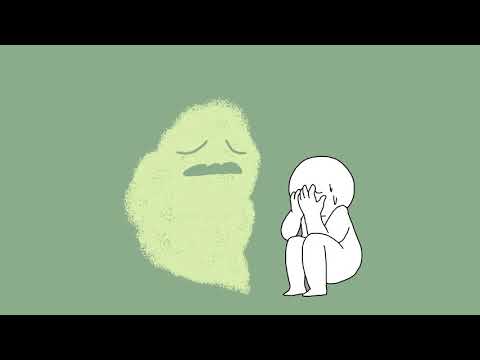
羅世康 posted on 2019/03/03Feeling overwhelmed? This video shares 8 practical tips for dealing with suicidal thoughts, focusing on coping strategies and avoiding isolation. You'll learn simple sentence structures and daily practical advice to help you find hope and access resources like crisis hotlines.
Learn this video on the APP!
The VoiceTube App has more in-depth practice for videos!