
adrenaline
US /əˈdrɛnəlɪn/
UK /ə'drenəlɪn/
- Noun (Countable/Uncountable)
- Chemical in the body that responds to stress, fear
- The intense excitement and energy felt when in a dangerous or exciting situation.
C1Moreairport
US /ˈerpɔ:rt/
UK /ˈeəpɔ:t/
- Noun
- A place where passenger planes land and take off
B1TOEICMoreas such
US /æz sʌtʃ/
UK /æz sʌtʃ/
- Pronoun
- Something previously stated or understood
A1Moreauditory
US /ˈɔ:dətɔ:ri/
UK /ˈɔ:dətri/
- Adjective
- Of the process of hearing
B2Moreblender
US /ˈblɛndɚ/
UK /ˈblendə(r)/
- Countable Noun
- Electrically powered mixer
B1Morecholera
US /ˈkɑlərə/
UK /ˈkɒlərə/
- Noun
- Fatal disease from drinking dirty water
B2Morecomplain
US /kəmˈplen/
UK /kəmˈpleɪn/
- Verb (Transitive/Intransitive)
- To say something is wrong and should be changed
- To make a formal accusation or charge.
B1Morecomponent
US /kəmˈponənt/
UK /kəmˈpəʊnənt/
- Noun (Countable/Uncountable)
- One of the parts that something is made up of
- A constituent part; ingredient.
- Adjective
- Being a part of something
A2Morecomposition
US /ˌkɑ:mpəˈzɪʃn/
UK /ˌkɒmpəˈzɪʃn/
- Noun (Countable/Uncountable)
- Piece of writing, music etc.
- A piece of music
A2Morecondition
US /kənˈdɪʃən/
UK /kənˈdɪʃn/
- Transitive Verb
- To improve something to make it better
- To cause to behave automatically in a certain way
- Noun (Countable/Uncountable)
- Disease or other medical problem
- The state of living you are in, e.g. good health
A2Moreconstantly
US /ˈkɑnstəntlɪ/
UK /ˈkɒnstəntli/
- Adverb
- Frequently, or without pause
- In a way that is unchanging or faithful
B1Moreconstitute
US /ˈkɑnstɪˌtut, -ˌtjut/
UK /'kɒnstɪtju:t/
- Transitive Verb
- To become a group of
- To establish or form a government, etc.
B1TOEICMorediabetes
US /ˌdaɪəˈbitɪs, -tiz/
UK /ˌdaɪəˈbi:ti:z/
- Noun (Countable/Uncountable)
- Illness where there is too much sugar in the blood
- A form of diabetes, usually diagnosed in children and young adults, in which the body does not produce insulin.
B2Moredisease
US /dɪˈziz/
UK /dɪˈzi:z/
- Noun (Countable/Uncountable)
- Illness that affects a person, animal, or plant
- A disorder of structure or function in a plant, especially one caused by a pathogen.
- Transitive Verb
- To affect with disease; to corrupt or sicken.
A2TOEICMoredisturbance
US /dɪˈstɚbəns/
UK /dɪˈstɜ:bəns/
- Noun (Countable/Uncountable)
- Public incident in which some people act badly
- Being disturbed; something that causes disruption
A2Moredue to
US /du tu/
UK /dju: tu:/
- Preposition
- Because of; owing to
- Adjective
- Attributable to; caused by.
A1Moreexpose
US /ɪkˈspoʊz/
UK /ɪk'spəʊz/
- Transitive Verb
- To make visible, without covering or protection
- To allow light through a cameras lens onto film
A2TOEICMoreexposure
US /ɪkˈspoʒɚ/
UK /ɪk'spəʊʒə(r)/
- Noun
- Allowing light through a cameras lens onto film
- Being talked about in the media
A2TOEICMorefootprint
US /ˈfʊtˌprɪnt/
UK /ˈfʊtprɪnt/
- Noun (Countable/Uncountable)
- Mark left by a foot of an animal or human
- The effect a person or community has on the environment, expressed as the amount of carbon dioxide produced.
C1Morefor example
US
UK
- Phrase
- As an illustration or instance.
fragment
US /ˈfræɡmənt/
UK /'fræɡmənt/
- Countable Noun
- Part that is broken off of something
- Intransitive Verb
- To be broken into pieces
- (Of computer file) to be broken into pieces
B1Moregenerate
US /ˈdʒɛnəˌret/
UK /ˈdʒenəreɪt/
- Transitive Verb
- To create or be produced or bring into existence
- To create electricity, heat, energy and power
A2TOEICMorego back to
US /ɡo bæk tu/
UK /ɡəu bæk tu:/
- Phrasal Verb
- To return to a starting point
A1Morehave to
US /hæv tu/
UK /ˈhæv tə/
- Auxiliary Verb
- Must do
A1Morehygiene
US /ˈhaɪˌdʒin/
UK /ˈhaɪdʒi:n/
- Uncountable Noun
- Cleanliness; being clean
- Practices for maintaining personal cleanliness.
B2Morehypothesis
US /haɪˈpɑθɪsɪs/
UK /haɪˈpɒθəsɪs/
- Noun
- A theory trying to explain something
- A supposition or proposed explanation made on the basis of limited evidence as a starting point for further investigation.
B1Morein fact
US /ɪn fækt/
UK /in fækt/
- Adverb
- Used to emphasize the truth of a statement, especially one that contrasts with or contradicts something else.
- Used to introduce a more detailed or surprising piece of information.
- Phrase
- Used to emphasize the truth of a statement, especially one that is surprising or contrary to what might be expected.
C1Morein general
US /ɪn ˈdʒɛnərəl/
UK /in ˈdʒenərəl/
- Phrase
- Typically; usually; on the whole.
- Not specific or detailed; broadly.
- Adjective
- Not detailed or specific; overall.
C2Morein terms of
US
UK
- Phrase
- With regard to; concerning a particular aspect.
A1Morein the bedroom
US /ɪn ði ˈbɛdˌrum/
UK /ɪn ði ˈbedru:m/
- other
- Located or happening inside the bedroom.
A1Morein the long run
US
UK
- Phrase
- Eventually; over a long period of time.
A1Morein the past
US
UK
- Phrase
- During a former period of time; previously.
A1Morein times
US
UK
- Phrase
- During periods or moments of.
- During a particular era or period in history.
A1Moreincreased risk
US
UK
- Noun
- A greater chance of something harmful or dangerous happening.
- A higher probability of financial loss in an investment.
B2Moreinduce
US /ɪnˈdus, -ˈdjus/
UK /ɪn'dju:s/
- Transitive Verb
- To make someone do something; create an outcome
- To make a woman give birth by giving her medicine
B1TOEICMoreinstead of
US /ɪnˈstɛd ʌv/
UK /inˈsted ɔv/
- Preposition
- When one thing is replaced by another
- Adverb
- As a substitute or alternative.
A1Moreinsulation
US /ˌɪnsəˈleɪʃn/
UK /ˌɪnsjuˈleɪʃn/
- Uncountable Noun
- Material that is used to prevent heat, etc. passing
B2Morelag
US /læɡ/
UK /læɡ/
- Noun
- Delay between two events
- Intransitive Verb
- To move at a slow pace in relation to others
B2Morelag behind
US /læɡ bɪˈhaɪnd/
UK /læɡ biˈhaind/
- Phrasal Verb
- To develop or advance at a slower rate
B2Morelawn
US /lɔn/
UK /lɔ:n/
- Noun (Countable/Uncountable)
- Fine cotton cloth, either plain or printed
- Ground on which grass grows, as in a garden
B1Morelead to
US /lid tu/
UK /li:d tu:/
- Phrasal Verb
- To result in some action
- Verb (Transitive/Intransitive)
- To have something as a consequence or result.
A1Moremove away
US /muv əˈwe/
UK /mu:v əˈwei/
- Phrasal Verb
- To relocate; to go and live in a different place.
- To physically create distance; to step back or aside.
A2Moreno matter
US
UK
- Conjunction
- Regardless of; it does not matter.
- Adverb
- Regardless of; it is not important
A1Moreobesity
US /oˈbisɪti/
UK /əʊ'bi:sətɪ/
- Uncountable Noun
- State of being so fat it can harm your health
- The state of being far too heavy; corpulence.
B2Morepest
US /pɛst/
UK /pest/
- Noun (Countable/Uncountable)
- Person, often a small child, who bothers people
- Insect or small animal that ruins plants or food
B1TOEICMorephysiological
US /ˌfɪziəˈlɑdʒɪkəl/
UK /ˌfɪzɪə'lɒdʒɪkl/
- Adjective
- Of or relating to functions of the body
- Consistent with the normal functioning of an organism.
B1Morepressure
US /ˈprɛʃɚ/
UK /'preʃə(r)/
- Noun (Countable/Uncountable)
- Anxiety caused by difficult problems
- Force, weight when pressing against a thing
- Transitive Verb
- To apply force to something
- To persuade or force someone to do something
A2TOEICMorepriority
US /praɪˈɔrɪti, -ˈɑr-/
UK /praɪ'ɒrətɪ/
- Noun (Countable/Uncountable)
- Thing that is more important/urgent than others
- A level of importance assigned to a task or process in a computer system.
- Adjective
- Denoting something that constitutes a priority.
B1TOEICMoreprolong
US /prəˈlɔŋ, -ˈlɑŋ/
UK /prə'lɒŋ/
- Transitive Verb
- To make continue for a longer amount of time
B2TOEICMorerake
US /rek/
UK /reɪk/
- Noun
- Tool used to gather leaves or break up soil
- Transitive Verb
- To use a rake to clean up leaves or break up soil
B2Morereduction
US /rɪˈdʌkʃən/
UK /rɪ'dʌkʃn/
- Noun
- Act of making something smaller
B1Morerefund
US /'ri:fʌnd/
UK /'ri:fʌnd/
- Transitive Verb
- To give money back, e.g. if a product is faulty
- Noun
- Money given back, e.g. if a product is faulty
B1TOEICMorerelentlessly
US /rɪˈlɛntlɪslɪ/
UK /rɪ'lentləslɪ/
- Adverb
- Continuing without slowing or losing strength
- In a harsh or inflexible manner; without ceasing.
C1Morerelevant
US /ˈrɛləvənt/
UK /ˈreləvənt/
- Adjective
- Having an effect on an issue; related or current
A2TOEICMoreresearch
US /rɪˈsɚtʃ, ˈriˌsɚtʃ/
UK /rɪ'sɜ:tʃ/
- Verb (Transitive/Intransitive)
- To study in order to discover new ideas and facts
- To study the market relating to marketing products and services.
- Noun (Countable/Uncountable)
- Study done to discover new ideas and facts
- A particular area or topic of study.
A2TOEICMorerock concert
US
UK
- Phrase
A1Moreseek out
US /sik aʊt/
UK /si:k aut/
- Phrasal Verb
- To look for and find someone or something, especially when it is not easy to find.
B2Moresilence
US /ˈsaɪləns/
UK /'saɪləns/
- Uncountable Noun
- State of being quiet and not talking for a time
- When there is not sound or noise; complete quiet
- Transitive Verb
- To stop the noise that something is making
- To prevent someone from expressing thoughts
A2Moresociety
US /səˈsaɪɪti/
UK /sə'saɪətɪ/
- Noun (Countable/Uncountable)
- A group who meet to share values or interests
- Group of people living together
A2TOEICMorestress
US / strɛs/
UK /stres/
- Transitive Verb
- To emphasize one or more parts of a word, sentence
- To put pressure on something or someone
- Noun (Countable/Uncountable)
- Emphasis on part of a word or sentence
- Pressure on something or someone
A2TOEICMorestructure
US /ˈstrʌk.tʃɚ/
UK /ˈstrʌk.tʃə/
- Noun (Countable/Uncountable)
- The way in which the parts of a system or object are arranged or organized, or a system arranged in this way
- A building or other man-made object.
- Transitive Verb
- To plan, organize, or arrange the parts of something
A2TOEICMorethink about
US /θɪŋk əˈbaʊt/
UK /θiŋk əˈbaut/
- Phrasal Verb
- To consider something carefully.
- To remember or call to mind.
A1Morethink of
US /θɪŋk ʌv/
UK /θiŋk ɔv/
- Phrasal Verb
- To look on as (being something specific); consider
- To consider or remember something.
- Verb (Transitive/Intransitive)
- To imagine or call something to mind
A1Moreunwanted
US /ʌnˋwɑntɪd/
UK /ˌʌnˈwɒntɪd/
- Adjective
- Not desired
B1Morewake up
US /wek ʌp/
UK /weik ʌp/
- Phrasal Verb
- To stop sleeping
- To become fully aware and alert to a situation.
A1Morewhew
US /hwju, hwu, hwju/
UK /hwju:/
- Interjection
- Sound people make when they are relieved
C2Morewind down
US /wɪnd daʊn/
UK /wind daun/
- Phrasal Verb
- To become quiet or calm, after activity
A1Morewith it
US /wɪð ɪt/
UK /wið it/
- Adjective
- Intelligent, alert, and up-to-date.
- Understanding and knowledgeable about current trends or information.
A1More
Vocabulary
- think of: To look on as (being something specific); consider
- have to: Must do
- increased risk: A greater chance of something harmful or dangerous happening.
- rock concert
- for example: As an illustration or instance.
- in general: Typically; usually; on the whole.
- in terms of
- as such: Something previously stated or understood
- no matter: Regardless of; it does not matter.
- in the long run: Eventually; over a long period of time.
- in times: During periods or moments of.
- due to: Because of; owing to
- lag behind: To develop or advance at a slower rate
- lead to: To result in some action
- in fact: Used to emphasize the truth of a statement, especially one that contrasts with or contradicts something else.
- in the bedroom: Located or happening inside the bedroom.
- in the past: During a former period of time; previously.
- wake up: To stop sleeping
- go back to: To return to a starting point
- move away: To relocate; to go and live in a different place.
- seek out: To look for and find someone or something, especially when it is not easy to find.
- wind down: To become quiet or calm, after activity
- instead of: When one thing is replaced by another
- think about: To consider something carefully.
- with it: Intelligent, alert, and up-to-date.
- constantly: Frequently, or without pause
- relevant: Having an effect on an issue; related or current
- diabetes: Illness where there is too much sugar in the blood
- obesity: State of being so fat it can harm your health
- adrenaline: Chemical in the body that responds to stress, fear
- structure: The way in which the parts of a system or object are arranged or organized, or a system arranged in this way
- general: Widespread, normal or usual
- hygiene: Cleanliness; being clean
- exposure: Allowing light through a cameras lens onto film
- priority: Thing that is more important/urgent than others
- disease: Illness that affects a person, animal, or plant
- stress: To emphasize one or more parts of a word, sentence
- environment: Natural world in which plants and animals live
- pressure: Anxiety caused by difficult problems
- research: To study in order to discover new ideas and facts
- increase: To make or become larger in size or amount
- cardiovascular: Concerning the heart and vessels of the body
- component: One of the parts that something is made up of
- condition: To improve something to make it better
- hypothesis: A theory trying to explain something
- society: A group who meet to share values or interests
- effect: An advantage, benefit
- generate: To create or be produced or bring into existence
- raise: To increase a bet above another when playing cards
- cortisol: Adrenal-cortex hormone (trade names Hydrocortone or Cortef) that is active in carbohydrate and protein metabolism
- risk: To do something potentially dangerous or foolish
- silence: State of being quiet and not talking for a time
- induce: To make someone do something; create an outcome
- expose: To make visible, without covering or protection
- reduction: Act of making something smaller
- physiological: Of or relating to functions of the body
- important: Having power or authority
- auditory: Of the process of hearing
- disturbance: Public incident in which some people act badly
- system: Set of organized, planned ideas that work together
- sound: Sensible, dependable and reliable
- fragment: Part that is broken off of something
- lawn: Fine cotton cloth, either plain or printed
- composition: Piece of writing, music etc.
- protect: To defend someone or something from harm or danger
- person: Man, woman or child
- prolong: To make continue for a longer amount of time
- footprint: Mark left by a foot of an animal or human
- prepare: To make something ready for use
- concert: Musical entertainment performed in public
- constitute: To become a group of
- pest: Person, often a small child, who bothers people
- relentlessly: Continuing without slowing or losing strength
- insulation: Material that is used to prevent heat, etc. passing
- refund: To give money back, e.g. if a product is faulty
- complain: To say something is wrong and should be changed
- blender: Electrically powered mixer
- rake: Tool used to gather leaves or break up soil
- lag: Delay between two events
- unwanted: Not desired
- cholera: Fatal disease from drinking dirty water
- airport: A place where passenger planes land and take off
- whew: Sound people make when they are relieved
Get the full experience in the app
Learn anywhere with detailed sentence and usage analysis
01:03
She took a brave step forward, leaving behind her comfort zone to chase her dreams.
Vocabulary
- brave
adj. Having courage
- comfort zone
phr. A familiar situation where one feels safe
Explanation
a brave step is a noun phrase, where brave is an adjective modifying the noun step, meaning "a courageous step".
forward is an adverb modifying step, meaning "ahead".
The whole phrase serves as the object, answering the "what" of took (verb) — she took a brave step forward.
Get the full experience in the app
Look up words anytime with pronunciation, part of speech, and usage
brave
US/brev/
UK/breɪv/
adj.Brave
v.t.To bravely face
A2 Elementary
Get the full experience in the app
Practice speaking anytime and get instant pronunciation feedback
Try this speaking exercise.
Try practicing with this sentence.
80
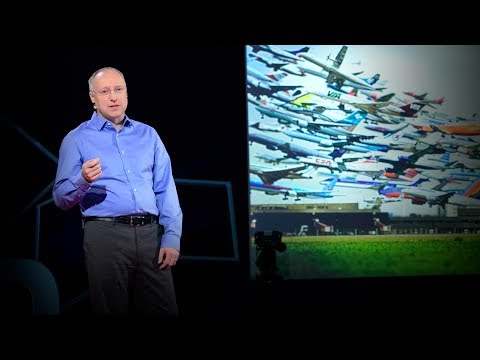
【TED】Mathias Basner: Why noise is bad for your health -- and what you can do about it (Why noise is bad for your health -- and what you can do about it | Mathias Basner)
0
林宜悉 posted on 2019/02/26Did you know that noise pollution is a serious health hazard? This fascinating TED talk dives into how everyday sounds can impact your sleep, stress levels, and even your heart health, offering practical tips to protect yourself. You'll pick up advanced vocabulary related to health and environmental science, perfect for understanding complex issues.
Learn this video on the APP!
The VoiceTube App has more in-depth practice for videos!