
affection
US /əˈfɛkʃən/
UK /əˈfekʃn/
- Noun (Countable/Uncountable)
- Feeling of liking someone or something
- A gentle feeling of fondness or liking.
B1Moreanticipate
US /ænˈtɪsəˌpet/
UK /æn'tɪsɪpeɪt/
- Transitive Verb
- To expect or look ahead to something positively
- To be aware of something that might happen
B1TOEICMoreanxiety
US /æŋˈzaɪɪti/
UK /æŋ'zaɪətɪ/
- Uncountable Noun
- A feeling of worry, nervousness, or unease about something that might happen, especially when the outcome is uncertain.
B1Moreassociate
US /əˈsoʊʃiˌeɪt/
UK /ə'səʊʃɪeɪt/
- Countable Noun
- Partner in professional work, e.g. in law
- Verb (Transitive/Intransitive)
- To spend time with other people; mix with
- To form a connection in your mind between things
B1TOEICMoreat bay
US /æt be/
UK /æt bei/
- Phrase
- Kept at a distance; held back.
A1Moreattention
US /əˈtɛnʃən/
UK /əˈtenʃn/
- Noun (Countable/Uncountable)
- Taking notice of someone or something
- Noun
- (Soldiers) Standing with straight backs
A2TOEICMoreavoid
US /əˈvɔɪd/
UK /ə'vɔɪd/
- Transitive Verb
- To prevent from happening
- To stay away from
A2TOEICMorebased on
US
UK
- Phrasal Verb
- To use something as the foundation or starting point for something else.
- Preposition
- Using something as the main idea or foundation.
- Relying on something as evidence or justification.
A1Morecare of
US /kɛr ʌv/
UK /kɛə ɔv/
- Preposition
- Used in an address to indicate the person who will receive the mail for someone else.
A2Morechaos
US /ˈkeˌɑs/
UK /'keɪɒs/
- Noun (plural)
- State of utter confusion or disorder
- Uncountable Noun
- Complete disorder and confusion.
- Behavior so unpredictable as to appear random, owing to great sensitivity to small changes in conditions.
B1Morechaotic
US /keɪˈɒtɪk/
UK /keɪ'ɒtɪk/
- Adjective
- Utterly confused
B1Morecomfort
US /ˈkʌmfət/
UK /'kʌmfət/
- Transitive Verb
- To try to make distressed person feel better
- Uncountable Noun
- Acts or words that reduce pain or sadness
- State of being relaxed, warm or happy
A2Morecommit
US /kəˈmɪt/
UK /kə'mɪt/
- Transitive Verb
- To do something bad, usually a crime
- To promise your permanent love or loyalty (to)
A2TOEICMorecompliant
US /kəmˈplaɪənt/
UK /kəmˈplaɪənt/
- Adjective
- Willing to obey, follow the wishes of others
- Meeting or in accordance with standards, rules, or laws.
B2Moreconflict
US /ˈkɑnˌflɪkt/
UK /'kɒnflɪkt/
- Noun (Countable/Uncountable)
- Argument or struggle between two or more parties
- A serious disagreement or argument.
- Verb (Transitive/Intransitive)
- To have opposite ideas; to disagree; To not match
A2Moreconsistent
US /kənˈsɪstənt/
UK /kənˈsɪstənt/
- Adjective
- Agreeing with or being similar to another part
- In agreement; reliable
A2Morecope
US /koʊp/
UK /kəʊp/
- Verb (Transitive/Intransitive)
- To deal with something in spite of difficulties
A2Morecope with
US /kop wɪð/
UK /kəup wið/
- Phrasal Verb
- To deal successfully with a difficult situation.
A1Morecultivate
US /ˈkʌltəˌvet/
UK /'kʌltɪveɪt/
- Transitive Verb
- To grow plants, crops etc.
- To cause to grow by education; to enlighten
B1Moredeal with
US /dil wɪð/
UK /di:l wið/
- Verb (Transitive/Intransitive)
- To buy or sell goods or services.
- Phrasal Verb
- To take action to solve a problem or manage a situation.
- To be about; concern.
A1Moredepression
US /dɪˈprɛʃən/
UK /dɪ'preʃn/
- Noun (Countable/Uncountable)
- Medical condition of a lack of vitality
- Period of unemployment and low economic activity
B2Moredeprive
US /dɪˈpraɪv/
UK /dɪˈpraɪv/
- Transitive Verb
- To deny someone access to or take away something
B2Moredetachment
US /dɪ'tætʃmənt/
UK /dɪ'tætʃmənt/
- Uncountable Noun
- Feeling of not being personally involved
- Separating something from another larger thing
- Countable Noun
- (Of soldiers) a group separated from the main unit
B2Moreesteem
US /ɪˈstim/
UK /ɪˈsti:m/
- Uncountable Noun
- Feeling of respect or admiration regarding someone
- Transitive Verb
- To regard with great respect or admiration
B2TOEICMoreexperienced in
US
UK
- Phrase
- Having skill or knowledge as a result of experience.
B1Moreextent
US /ɪkˈstɛnt/
UK /ɪkˈstent/
- Noun (Countable/Uncountable)
- Point, level or limit to which something reaches
- Range or space included in something
A2TOEICMoreflee
US /fli/
UK /fli:/
- Intransitive Verb
- To leave somewhere urgently, to avoid danger
B1Moregrow into
US /ɡro ˈɪntu/
UK /ɡrəu ˈɪntuː/
- Phrasal Verb
- To be able to wear clothes that were too big
- To adjust to over time, e.g. a new job
A1Morehave to
US /hæv tu/
UK /ˈhæv tə/
- Auxiliary Verb
- Must do
A1Morehumiliation
US /hjuˌmɪliˈeʃən/
UK /hju:ˌmɪlɪ'eɪʃn/
- Uncountable Noun
- Loss of self-respect or status
B2Morein control
US /ɪn kənˈtrol/
UK /in kənˈtrəul/
- Adjective
- Having the power to direct or regulate something; able to manage or direct a situation or person.
- Possessing self-restraint and the ability to manage one's own behavior and emotions.
- Phrase
- Having command or authority; managing effectively.
C1Morein order to
US /ɪn ˈɔrdɚ tu/
UK /in ˈɔ:də tu:/
- Preposition
- For the purpose of; with the aim of.
- Phrase
- In a specific sequence or arrangement.
- With the aim of; for the purpose of.
C1Morein power
US /ɪn ˈpaʊɚ/
UK /in ˈpauə/
- Adjective
- Having control of a country or organization.
- Phrase
- During a period of holding authority or control.
B1Moreinstead of
US /ɪnˈstɛd ʌv/
UK /inˈsted ɔv/
- Preposition
- When one thing is replaced by another
- Adverb
- As a substitute or alternative.
A1Moreinternal
US /ɪnˈtɚnəl/
UK /inˈtə:nəl/
- Adjective
- Being or happening in the body
- Being, happening in a country, state, organization
B1TOEICMorelet down
US /lɛt daʊn/
UK /let daun/
- Phrasal Verb
- To disappoint someone (e.g. by breaking a promise)
A1Moremanner
US /ˈmænɚ/
UK /ˈmænə(r)/
- Noun
- The way a person acts, talks, or behaves
- Polite and respectful behavior to others
A2TOEICMorenegative
US /ˈnɛɡətɪv/
UK /'neɡətɪv/
- Noun
- The opposite to a positive electrical charge
- In grammar, containing words such as 'no' or 'not'
- Adjective
- Being harmful, unwanted or unhelpful
- In mathematics, being less than zero
A2Moreon a daily basis
US
UK
- Phrase
- Happening every day.
A1Moreon hold
US /ɑn hold/
UK /ɔn həuld/
- Adjective
- Temporarily delayed or suspended.
- Adverb
- Waiting to be connected on a telephone call.
A2Moreoverly
US /ˈoʊvərli/
UK /ˈəʊvəli/
- Adverb
- To a degree exceeding normal or proper limits
B2Morepriority
US /praɪˈɔrɪti, -ˈɑr-/
UK /praɪ'ɒrətɪ/
- Noun (Countable/Uncountable)
- Thing that is more important/urgent than others
- A level of importance assigned to a task or process in a computer system.
- Adjective
- Denoting something that constitutes a priority.
B1TOEICMoreprovoke
US /prəˈvoʊk/
UK /prəˈvəʊk/
- Transitive Verb
- To deliberately annoy to make someone aggressive
B2TOEICMoreradar
US /ˈredɑr/
UK /ˈreɪdɑ:(r)/
- Noun
- Radio device used to find the location of objects
B2Morerather than
US
UK
- Adverb
- More exactly; more correctly
- Preferably; instead
- Preposition
- Instead of
A1Morerealistic
US /ˌriəˈlɪstɪk/
UK /ˌri:əˈlɪstɪk/
- Adjective
- Looks or appears real; like things really are
- Having or showing a practical awareness of things as they are
A2Morerely on
US /rɪˈlaɪ ɑn/
UK /riˈlai ɔn/
- Phrasal Verb
- To depend on someone or something
A2Morerigid
US /ˈrɪdʒɪd/
UK /ˈrɪdʒɪd/
- Adjective
- Stiff rather than flexible
- Very fixed in your opinion or habits
B1Moresensitive
US /ˈsɛnsɪtɪv/
UK /'sensətɪv/
- Adjective
- Taking offense easily; easily upset or hurt
- (Private information) needing careful treatment
A2TOEICMoreslight
US /slaɪt/
UK /slaɪt/
- Adjective
- Small (amount, quality)
- Appearing thin, delicate and physically weak
- Transitive Verb
- To ignore or treat rudely and with no respect
B1Morestand up for
US /stænd ʌp fɔr/
UK /stænd ʌp fɔ:/
- Phrasal Verb
- To support someone or an idea, e.g. human rights
A1Morestress
US / strɛs/
UK /stres/
- Transitive Verb
- To emphasize one or more parts of a word, sentence
- To put pressure on something or someone
- Noun (Countable/Uncountable)
- Emphasis on part of a word or sentence
- Pressure on something or someone
A2TOEICMorestrive
US /straɪv/
UK /straɪv/
- Intransitive Verb
- To work hard/make effort to achieve something
B2TOEICMorestruggle
US /ˈstrʌɡəl/
UK /'strʌɡl/
- Verb (Transitive/Intransitive)
- To try very hard to do something difficult
- To fight or struggle violently
- Noun (Countable/Uncountable)
- Strong efforts made to do something difficult
- A difficult or challenging situation or task
A2Moretendency
US /ˈtɛndənsi/
UK /'tendənsɪ/
- Noun
- Likelihood to behave in a particular way
A2Morethanks to
US /θæŋks tu/
UK /θæŋks tu:/
- Preposition
- Because of; as a result of.
A1Moreto let
US /tu lɛt/
UK /tu let/
- Preposition
- Indicates that a property is available for rent.
A2Moretoughen up
US
UK
- Phrasal Verb
- To become stronger, more resilient, or less sensitive.
- To make someone or something stronger or more resilient.
under the radar
US
UK
- Phrase
- Without being noticed; avoiding attention.
- Secret; unnoticed; not attracting attention.
A1Moreunpredictable
US /ˌʌnprɪˈdɪktəbəl/
UK /ˌʌnprɪˈdɪktəbl/
- Adjective
- Difficult to guess about (the future)
- Characterized by erratic or inconsistent behavior.
B1Moreused to
US /juzd tu/
UK /ˈju:st tə/
- Adjective
- Did regularly before, but don't do now
- Auxiliary Verb
- Have done before, but do not do now
A1Morevictim
US /ˈvɪktɪm/
UK /ˈvɪktɪm/
- Noun
- Person/thing affected by an unpleasant event
- Person feeling helpless in times of bad luck
B1TOEICMorevulnerability
US /ˌvʌlnərə'bɪlətɪ/
UK /ˌvʌlnərə'bɪlətɪ/
- Uncountable Noun
- Being weak and able to be easily hurt or damaged
- A weakness or flaw that makes something susceptible to harm or damage.
B1Morewithout a doubt
US
UK
- Phrase
- Certainly; definitely.
Vocabulary
- deal with
- instead of: When one thing is replaced by another
- have to: Must do
- care of: Used in an address to indicate the person who will receive the mail for someone else.
- in control: Having the power to direct or regulate something; able to manage or direct a situation or person.
- without a doubt: Certainly; definitely.
- based on: To use something as the foundation or starting point for something else.
- grow into: To be able to wear clothes that were too big
- rather than: More exactly; more correctly
- in order to: For the purpose of; with the aim of.
- under the radar: Without being noticed; avoiding attention.
- on a daily basis: Happening every day.
- cope with: To deal successfully with a difficult situation.
- used to: Did regularly before, but don't do now
- stand up for: To support someone or an idea, e.g. human rights
- toughen up: To become stronger, more resilient, or less sensitive.
- experienced in: Having skill or knowledge as a result of experience.
- in power: Having control of a country or organization.
- to let: Indicates that a property is available for rent.
- at bay: Kept at a distance; held back.
- let down
- on hold: Temporarily delayed or suspended.
- rely on: To depend on someone or something
- thanks to: Because of; as a result of.
- anxiety: A feeling of worry, nervousness, or unease about something that might happen, especially when the outcome is uncertain.
- struggle: To try very hard to do something difficult
- depression: Medical condition of a lack of vitality
- vulnerability: Being weak and able to be easily hurt or damaged
- esteem: Feeling of respect or admiration regarding someone
- experience: Thing a person has done or that happened to them
- cultivate: To grow plants, crops etc.
- negative: The opposite to a positive electrical charge
- associate: Partner in professional work, e.g. in law
- conflict: Argument or struggle between two or more parties
- consistent: Agreeing with or being similar to another part
- chaos: State of utter confusion or disorder
- priority: Thing that is more important/urgent than others
- fear: Unpleasant feeling caused by being aware of danger
- express: To send something by fast mail
- extent: Point, level or limit to which something reaches
- commit: To do something bad, usually a crime
- stress: To emphasize one or more parts of a word, sentence
- chaotic: Utterly confused
- tendency: Likelihood to behave in a particular way
- cope: To deal with something in spite of difficulties
- victim: Person/thing affected by an unpleasant event
- strive: To work hard/make effort to achieve something
- realistic: Looks or appears real; like things really are
- sensitive: Taking offense easily; easily upset or hurt
- avoid: To prevent from happening
- deal: To cope with something - usually troubles
- affection: Feeling of liking someone or something
- comfort: To try to make distressed person feel better
- attention: Taking notice of someone or something
- form: Sports team or person's current winning record
- anticipate: To expect or look ahead to something positively
- manner: The way a person acts, talks, or behaves
- rigid: Stiff rather than flexible
- mood: Emotion or a state of mind; how you feel
- flee: To leave somewhere urgently, to avoid danger
- internal: Being or happening in the body
- slight: Small (amount, quality)
- humiliation: Loss of self-respect or status
- deprive: To deny someone access to or take away something
- receive: To get something someone has given or sent to you
- order: Religious or social group, as of nuns
- control: A device designed to operate a machine
- learn: To get knowledge or skills by study or experience
- overly: To a degree exceeding normal or proper limits
- unpredictable: Difficult to guess about (the future)
- provoke: To deliberately annoy to make someone aggressive
- last: Final; with nothing following; after all others
- step: Movement done as part of a particular dance
- pull: Act of breathing in smoke, as from a pipe
- grow: To get bigger and more mature; make plants do this
- start: First time or place that a thing exists; beginning
- detachment: Feeling of not being personally involved
- radar: Radio device used to find the location of objects
- compliant: Willing to obey, follow the wishes of others
Get the full experience in the app
Learn anywhere with detailed sentence and usage analysis
01:03
She took a brave step forward, leaving behind her comfort zone to chase her dreams.
Vocabulary
- brave
adj. Having courage
- comfort zone
phr. A familiar situation where one feels safe
Explanation
a brave step is a noun phrase, where brave is an adjective modifying the noun step, meaning "a courageous step".
forward is an adverb modifying step, meaning "ahead".
The whole phrase serves as the object, answering the "what" of took (verb) — she took a brave step forward.
Get the full experience in the app
Look up words anytime with pronunciation, part of speech, and usage
brave
US/brev/
UK/breɪv/
adj.Brave
v.t.To bravely face
A2 Elementary
Get the full experience in the app
Practice speaking anytime and get instant pronunciation feedback
Try this speaking exercise.
Try practicing with this sentence.
80
0
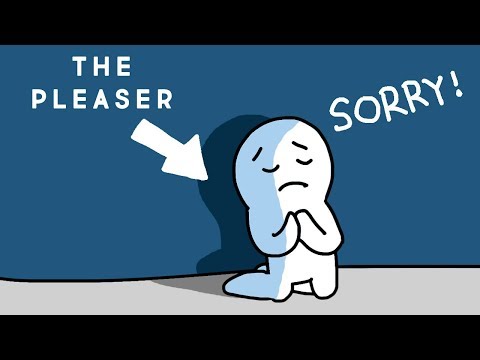
fion_love posted on 2018/12/22Ever wonder why your relationships play out the way they do? This video dives into how your childhood experiences shape your love styles and attachment patterns, giving you practical insights for healthier connections. You'll pick up useful vocabulary related to relationships and emotional well-being!
Learn this video on the APP!
The VoiceTube App has more in-depth practice for videos!