
antigen
US /ˈæntɪdʒən/
UK /ˈæntɪdʒən/
- Noun
- Substance that produces antibodies in the body
B2Moreapart from
US /əˈpɑrt frʌm/
UK /əˈpɑ:t frɔm/
- Preposition
- Except for; not considering
- In addition to; as well as
applause
US /əˈplɔz/
UK /ə'plɔ:z/
- Noun (Countable/Uncountable)
- The sound made by clapping a performance or speech
B1Moreapproach
US /əˈprəʊtʃ/
UK /ə'prəʊtʃ/
- Verb (Transitive/Intransitive)
- To get close to reaching something or somewhere
- To request someone to do something specific
- Noun (Countable/Uncountable)
- Means of reaching a place, often a road or path
- Request of someone with a specific goal in mind
A2TOEICMoreburden
US /ˈbɚdn/
UK /'bɜ:dn/
- Transitive Verb
- To weigh down with a load; impose a task upon
- Noun (Countable/Uncountable)
- Something difficult to do, manage, or accept
- Something that is carried with difficulty; an oppressive load.
B1Moreclinical
US /ˈklɪnɪkəl/
UK /ˈklɪnɪkl/
- Adjective
- Concerning the treatment or observing patients
- Using scientific techniques and precision
B1Morecohort
US /ˈkoˌhɔrt/
UK /ˈkəuhɔ:t/
- Countable Noun
- Group of students studying something together
- Friends or supporters of a person
B2TOEICMorecollaboration
US /kəˌlæbəˈreɪʃn/
UK /kəˌlæbəˈreɪʃn/
- Uncountable Noun
- Act of working with someone to complete a task
B1Morecollapse
US /kəˈlæps/
UK /kə'læps/
- Verb (Transitive/Intransitive)
- To fold (e.g. a stroller) down to make it smaller
- To suddenly fall down or break apart into pieces
- Noun
- The sudden failure of a structure or system.
- The sudden failure of a bodily organ or function.
B1Morecomplex
US /kəmˈplɛks, ˈkɑmˌplɛks/
UK /'kɒmpleks/
- Countable Noun
- Group of buildings all used for the same purpose
- Adjective
- Not being simple; having many parts or aspects
A2Moreconduct
US / kənˈdʌkt/
UK /kənˈdʌkt/
- Uncountable Noun
- Your behavior
- Verb (Transitive/Intransitive)
- To behave in a certain way; e.g. at a party
- To let electricity or heat travel through
B1TOEICMoreconsistent
US /kənˈsɪstənt/
UK /kənˈsɪstənt/
- Adjective
- Agreeing with or being similar to another part
- In agreement; reliable
A2Moredeal with
US /dil wɪð/
UK /di:l wið/
- Verb (Transitive/Intransitive)
- To buy or sell goods or services.
- Phrasal Verb
- To take action to solve a problem or manage a situation.
- To be about; concern.
A1Moredefinition
US /ˌdɛfəˈnɪʃən/
UK /ˌdefɪˈnɪʃn/
- Noun (Countable/Uncountable)
- Explanation of word's meaning, as in dictionaries
- The sharpness of an image on a screen
A2TOEICMoredisease
US /dɪˈziz/
UK /dɪˈzi:z/
- Noun (Countable/Uncountable)
- Illness that affects a person, animal, or plant
- A disorder of structure or function in a plant, especially one caused by a pathogen.
- Transitive Verb
- To affect with disease; to corrupt or sicken.
A2TOEICMoreencode
US /ɛnˈkod/
UK /ɪn'kəʊd/
- Transitive Verb
- To change a message or information into code
B2Moreessentially
US /ɪˈsenʃəli/
UK /ɪˈsenʃəli/
- Adverb
- Basically; (said when stating the basic facts)
- Used to emphasize the basic truth or fact of a situation.
A2Moreestimate
US /ˈɛstəˌmet/
UK /'estɪmət/
- Noun (Countable/Uncountable)
- Guess or calculation of cost, size or value
- A judgment or opinion.
- Transitive Verb
- To guess or calculate the cost, size or value of
- To form an approximate idea or judgment of.
A2TOEICMoreexperienced in
US
UK
- Phrase
- Having skill or knowledge as a result of experience.
B1Moreexperiment
US /ɪkˈspɛrəmənt/
UK /ɪk'sperɪmənt/
- Noun (Countable/Uncountable)
- Test performed to assess new ideas or theories
- A course of action tentatively adopted without being sure of the eventual outcome.
- Verb (Transitive/Intransitive)
- To create and perform tests to research something
- To try something new that you haven't tried before
A2TOEICMorefigure out
US /ˈfɪɡjɚ aʊt/
UK /ˈfiɡə aut/
- Phrasal Verb
- To understand the behavior of someone
- To think through logically to find a solution
- Verb (Transitive/Intransitive)
- To understand or find an answer to something.
- To find a solution to a problem or understand something.
A1Morefraction
US /ˈfrækʃən/
UK /ˈfrækʃn/
- Noun (Countable/Uncountable)
- Small part of something
- A numerical quantity that is not a whole number (e.g., 1/2, 0.5).
B1TOEICMoregenomic
US /dʒi:'ŋoʊmɪk/
UK /dʒi:'ŋəʊmɪk/
- Adjective
- Concerning the set of genetic material in a cell
B2Morego back to
US /ɡo bæk tu/
UK /ɡəu bæk tu:/
- Phrasal Verb
- To return to a starting point
A1Morehave to
US /hæv tu/
UK /ˈhæv tə/
- Auxiliary Verb
- Must do
A1Moreidentify
US /aɪˈdɛntəˌfaɪ/
UK /aɪ'dentɪfaɪ/
- Transitive Verb
- To indicate who or what someone or something is
- To say exactly what something is
B1TOEICMorein contrast to
US /ɪn ˈkɑntræst tu/
UK /in ˈkɔntræst tu:/
- Phrase
- Differing from something else
A1Morein half
US /ɪn hæf/
UK /in hɑ:f/
- Adverb
- Divided into two equal parts.
- Partially; to some extent.
A1Morein isolation
US
UK
- Phrase
- Separately from other people or things; alone.
- Considered separately and without reference to other related things.
C1Morein the past
US
UK
- Phrase
- During a former period of time; previously.
A1Moreincredible
US /ɪnˈkrɛdəbəl/
UK /ɪnˈkredəbl/
- Adjective
- Very good; amazing
- Really good; amazing; great
A2TOEICMoreintelligence
US /ɪnˈtɛlədʒəns/
UK /ɪn'telɪdʒəns/
- Uncountable Noun
- Collection of secret information about something
- Ability to learn things or to consider situations
- Adjective
- Of the spying services; acting in secrecy
A2TOEICMoreisolation
US /ˌaɪsəˈleʃən/
UK /ˌaɪsəˈleɪʃn/
- Uncountable Noun
- Condition of being in a distinct, separate place
- Process of separating things from other things
B1Moremalaria
US /məˈlɛriə/
UK /məˈleəriə/
- Noun
- Disease caused by being bitten by a mosquito
B2Moremultiple
US /ˈmʌltəpəl/
UK /ˈmʌltɪpl/
- Adjective
- Having or involving more than one of something
- Having or involving several parts, elements, or members.
- Countable Noun
- Number produced by multiplying a smaller number
- A number of identical circuit elements connected in parallel or series.
B1Moreof interest
US /əv ˈɪntrɪst/
UK /əv ˈɪntrəst/
- other
- Relevant or important to someone or something.
B2Moreon the radar
US
UK
- Idiom
- Being noticed or tracked; within someone's awareness or attention.
A1Moreovercome
US /ˌovɚˈkʌm/
UK /ˌəʊvə'kʌm/
- Transitive Verb
- To succeed in a struggle against; defeat
- Participle
- Past participle of overcome; to have successfully dealt with or controlled a problem or feeling.
A2TOEICMoreparasite
US /ˈpærəˌsaɪt/
UK /'pærəsaɪt/
- Noun (Countable/Uncountable)
- Small animal or plant living off a bigger one
- One who depends on someone else, without working
B2Morepredict
US /prɪˈdɪkt/
UK /prɪ'dɪkt/
- Transitive Verb
- To guess or estimate what will or might happen
A2TOEICMoreprioritize
US /praɪˈɔ:rətaɪz/
UK /praɪˈɒrətaɪz/
- Transitive Verb
- To rank things in importance
B1TOEICMoreprotein
US /ˈprəʊˌtiːn/
UK /ˈprəʊti:n/
- Noun (Countable/Uncountable)
- Group of molecules made from amino acids
B1Moreradar
US /ˈredɑr/
UK /ˈreɪdɑ:(r)/
- Noun
- Radio device used to find the location of objects
B2Morerecipe
US /ˈrɛsəˌpi/
UK /'resəpɪ/
- Noun
- Conditions likely to create a particular result
- Directions for making a dish, with the ingredients
B1Morereflect
US /rɪˈflɛkt/
UK /rɪ'flekt/
- Verb (Transitive/Intransitive)
- To indicate or be a sign of something
- To bounce back light, heat, sound from a surface
A2TOEICMoreresearch
US /rɪˈsɚtʃ, ˈriˌsɚtʃ/
UK /rɪ'sɜ:tʃ/
- Verb (Transitive/Intransitive)
- To study in order to discover new ideas and facts
- To study the market relating to marketing products and services.
- Noun (Countable/Uncountable)
- Study done to discover new ideas and facts
- A particular area or topic of study.
A2TOEICMorerudimentary
US /ˌrudəˈmɛntəri, -ˈmɛntri/
UK /ˌru:dɪˈmentri/
- Adjective
- Being or involving basic facts or principles
B2Moresimultaneously
US /saɪməlˈtenɪəslɪ/
UK /ˌsɪməl'teɪnɪəslɪ/
- Adverb
- At the same time; all together
B2Morespan
US /spæn/
UK /spæn/
- Noun (Countable/Uncountable)
- Distance between two supports of a bridge
- Period of time that something continues for
- Verb (Transitive/Intransitive)
- To go across a certain distance between things
- To cover or extend over a time period
B1TOEICMorespite
US /spaɪt/
UK /spaɪt/
- Uncountable Noun
- Wish to hurt another person; malice; maliciousness
- Transitive Verb
- To deliberately annoy or frustrate someone
B2Morestand for
US /stænd fɔr/
UK /stænd fɔ:/
- Phrasal Verb
- To support a particular idea, e.g. in politics
- To represent or symbolize
A1Morestrength
US /strɛŋkθ, strɛŋθ, strɛnθ/
UK /streŋθ/
- Noun (Countable/Uncountable)
- Condition of being strong
- The quality or state of being physically strong.
A2TOEICMoresynergy
US /ˈsɪnərdʒi/
UK /ˈsɪnədʒi/
- Uncountable Noun
- Increased effectiveness from working together
C1Moresynthesize
US /ˈsɪnθɪˌsaɪz/
UK /'sɪnθəsaɪz/
- Transitive Verb
- To combine different things into a new form
- To combine different things into a new form
B2Morethrive
US /θraɪv/
UK /θraɪv/
- Intransitive Verb
- To be or become healthy or successful
- To grow or develop well; to flourish.
B2TOEICMoreto date
US /tu det/
UK /tu: deit/
- Phrase
- Up to the present time; until now.
- Verb (Transitive/Intransitive)
- To go out on romantic dates with someone.
C2Moretypically
US /ˈtɪpɪklɪ/
UK /ˈtɪpɪkli/
- Adverb
- In a normal or usual way
B1Morevaccination
US /ˌvæksəˈneʃən/
UK /ˌvæksɪ'neɪʃn/
- Noun (Countable/Uncountable)
- Type of injection to prevent getting a disease
B2TOEICMorevaccine
US /vækˈsin,ˈvækˌsin/
UK /'væksi:n/
- Noun (Countable/Uncountable)
- Shot using weak disease cells to stop same disease
- A preparation of weakened or killed microorganisms, or of antigenic proteins derived from them, used to induce protective immunity in animals.
B2Morewith it
US /wɪð ɪt/
UK /wið it/
- Adjective
- Intelligent, alert, and up-to-date.
- Understanding and knowledgeable about current trends or information.
A1More
Vocabulary
- in half: Divided into two equal parts.
- to date: Up to the present time; until now.
- go back to: To return to a starting point
- with it: Intelligent, alert, and up-to-date.
- deal with
- on the radar: Being noticed or tracked; within someone's awareness or attention.
- of interest: Relevant or important to someone or something.
- in the past: During a former period of time; previously.
- experienced in: Having skill or knowledge as a result of experience.
- figure out: To understand the behavior of someone
- in isolation: Separately from other people or things; alone.
- stand for: To support a particular idea, e.g. in politics
- in contrast to: Differing from something else
- have to: Must do
- apart from: Except for; not considering
- essentially: Basically; (said when stating the basic facts)
- incredible: Very good; amazing
- approach: To get close to reaching something or somewhere
- prioritize: To rank things in importance
- multiple: Having or involving more than one of something
- simultaneously: At the same time; all together
- thrive: To be or become healthy or successful
- experience: Thing a person has done or that happened to them
- typically: In a normal or usual way
- applause: The sound made by clapping a performance or speech
- experiment: Test performed to assess new ideas or theories
- intelligence: Collection of secret information about something
- consistent: Agreeing with or being similar to another part
- develop: To explain something in steps and in detail
- strength: Condition of being strong
- identify: To indicate who or what someone or something is
- disease: Illness that affects a person, animal, or plant
- recipe: Conditions likely to create a particular result
- complex: Group of buildings all used for the same purpose
- protein: Group of molecules made from amino acids
- research: To study in order to discover new ideas and facts
- burden: To weigh down with a load; impose a task upon
- reflect: To indicate or be a sign of something
- overcome: To succeed in a struggle against; defeat
- definition: Explanation of word's meaning, as in dictionaries
- conduct: Your behavior
- estimate: Guess or calculation of cost, size or value
- bit: Device put in a horse's mouth to control it
- predict: To guess or estimate what will or might happen
- collapse: To fold (e.g. a stroller) down to make it smaller
- fraction: Small part of something
- vaccine: Shot using weak disease cells to stop same disease
- collaboration: Act of working with someone to complete a task
- simply: In an easy or clear manner
- provide: To make available; to supply for use
- interest: Best or most advantageous thing for someone
- clinical: Concerning the treatment or observing patients
- span: Distance between two supports of a bridge
- isolation: Condition of being in a distinct, separate place
- suggest: To mention something that could be done; propose
- important: Having power or authority
- malaria: Disease caused by being bitten by a mosquito
- parasite: Small animal or plant living off a bigger one
- question: To ask for or try to get information
- great: Very good; better than before
- encode: To change a message or information into code
- understand: To know the meaning of language, what someone says
- spite: Wish to hurt another person; malice; maliciousness
- train: Line of people, animals moving the same direction
- clear: Empty; without anything in it or on it
- vaccination: Type of injection to prevent getting a disease
- rudimentary: Being or involving basic facts or principles
- synthesize: To combine different things into a new form
- date: To have become old-fashioned
- antigen: Substance that produces antibodies in the body
- study: To focus on learning something usually at school
- radar: Radio device used to find the location of objects
- cohort: Group of students studying something together
- synergy: Increased effectiveness from working together
- genomic: Concerning the set of genetic material in a cell
Get the full experience in the app
Learn anywhere with detailed sentence and usage analysis
01:03
She took a brave step forward, leaving behind her comfort zone to chase her dreams.
Vocabulary
- brave
adj. Having courage
- comfort zone
phr. A familiar situation where one feels safe
Explanation
a brave step is a noun phrase, where brave is an adjective modifying the noun step, meaning "a courageous step".
forward is an adverb modifying step, meaning "ahead".
The whole phrase serves as the object, answering the "what" of took (verb) — she took a brave step forward.
Get the full experience in the app
Look up words anytime with pronunciation, part of speech, and usage
brave
US/brev/
UK/breɪv/
adj.Brave
v.t.To bravely face
A2 Elementary
Get the full experience in the app
Practice speaking anytime and get instant pronunciation feedback
Try this speaking exercise.
Try practicing with this sentence.
80
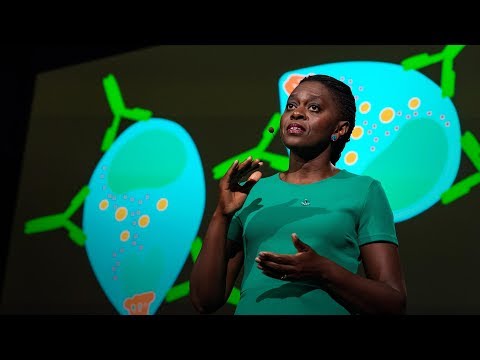
【TED】Faith Osier: The key to a better malaria vaccine (The key to a better malaria vaccine | Faith Osier)
0
林宜悉 posted on 2018/11/06Ever wondered about the fight against malaria? This fascinating TED talk dives deep into the science behind creating a better malaria vaccine, exploring antibody responses and parasite proteins. You'll pick up advanced vocabulary related to immunology and research, making it a fantastic way to boost your English while learning about critical global health challenges!
Learn this video on the APP!
The VoiceTube App has more in-depth practice for videos!