
alert
US /əˈlɚt/
UK /ə'lɜ:t/
- Adjective
- Being aware and able to respond quickly
- Transitive Verb
- To warn someone so they can respond to it
B1TOEICMoreattention
US /əˈtɛnʃən/
UK /əˈtenʃn/
- Noun (Countable/Uncountable)
- Taking notice of someone or something
- Noun
- (Soldiers) Standing with straight backs
A2TOEICMoreboxer
US /ˈbɑ:ksə(r)/
UK /ˈbɒksə(r)/
- Countable Noun
- Someone who fights with his fists for sport
- A short-haired dog with a flat nose and face
B1Moreboxing
US /ˈbɑksɪŋ/
UK /ˈbɒksɪŋ/
- Transitive Verb
- To strike someone on the side of the head
- To pack an object in a six-sided container
- Uncountable Noun
- A sport where you fight with gloves on your hands
B1Morechat
US /tʃæt/
UK /tʃæt/
- Intransitive Verb
- To talk in a friendly and relaxed manner
- Noun (Countable/Uncountable)
- A friendly and relaxed talk with friends
A2Morecheck out
US /tʃɛk aʊt/
UK /tʃek aut/
- Phrase
- Phrasal Verb
- To find out information about something
- To take books out of a library
A1Morecommission
US /kəˈmɪʃən/
UK /kə'mɪʃn/
- Noun (Countable/Uncountable)
- Money paid for a service, e.g. money exchanging
- An official role or title in the military
- Transitive Verb
- To hire someone, order work to be done for payment
- To formally ask someone to create or produce something.
A2TOEICMorecontext
US /ˈkɑnˌtɛkst/
UK /ˈkɒntekst/
- Noun (Countable/Uncountable)
- Set of facts surrounding a person or event
- The circumstances that form the setting for an event, statement, or idea, and in terms of which it can be fully understood and assessed.
A2Moredeeply
US /ˈdiplɪ/
UK /ˈdi:pli/
- Adverb
- To a significant degree
- To a great, intense or extreme extent
A2Moredefinition
US /ˌdɛfəˈnɪʃən/
UK /ˌdefɪˈnɪʃn/
- Noun (Countable/Uncountable)
- Explanation of word's meaning, as in dictionaries
- The sharpness of an image on a screen
A2TOEICMoreenergy
US /ˈɛnədʒi/
UK /'enədʒɪ/
- Noun (Countable/Uncountable)
- Physical or mental strength
- Enthusiasm and determination.
A2Moreexaggerate
US /ɪgˈzædʒəreɪt/
UK /ɪgˈzædʒəreɪt/
- Verb (Transitive/Intransitive)
- To makes things seem more extreme than reality
- To speak or write about something in a way that overemphasizes or magnifies its qualities.
B1TOEICMoreexhausted
US /ɪɡˈzɔstɪd/
UK /ɪgˈzɔ:stɪd/
- Verb (Transitive/Intransitive)
- To emit gas from the back of a car
- To make a person feel very tired or without energy
- Adjective
- Very very tired out
- Completely used up; depleted.
A2Morefrom the top
US /frʌm ði tɑp/
UK /frɔm ðə tɔp/
- Phrase
- From the beginning.
- From the highest point or position.
A1Moregas
US /ɡæs/
UK /ɡæs/
- Uncountable Noun
- Elements in our air, like oxygen or nitrogen
- Fuel used for cooking, heating houses etc.
- Transitive Verb
- To kill or disable someone with poisoned air
A2Morego on
US /ɡo ɑn/
UK /ɡəu ɔn/
- Phrasal Verb
- To continue doing something
- To happen (usually negative)
- Interjection
- Used to encourage someone
A1Morego out
US /ɡo aʊt/
UK /ɡəu aut/
- Phrase
- To leave a building (e.g. a house)
- Phrasal Verb
- (Of a fire) to burn out; be extinguished
- Go out of fashion to stop being fashionable
A1Moregoing on
US /ˈɡoɪŋ ɑn/
UK /ˈgəʊɪŋ ɔn/
- Phrasal Verb
- To continue doing something
- To happen (usually negative)
A1Moreidiom
US /ˈɪdiəm/
UK /ˈɪdiəm/
- Noun
- Phrase with a special, metaphoric meaning
B2Moreimperative
US /ɪmˈpɛrətɪv/
UK /ɪm'perətɪv/
- Noun
- The state of demanding notice or attention
- Adjective
- Absolutely necessary; that must be done
B2TOEICMoreknock
US /nɑk/
UK /nɒk/
- Noun
- Bad experience that reduces a person's confidence
- Action of something solid hitting something hard
- Transitive Verb
- To criticize someone in an unreasonable way
- To hit something to get people's attention
A2Morelocation
US /loʊˈkeɪʃn/
UK /ləʊˈkeɪʃn/
- Noun (Countable/Uncountable)
- Particular position or area of place, event, etc.
- A place away from a studio where film or television shots are made.
B1TOEICMorelook at
US /lʊk æt/
UK /luk æt/
- Phrasal Verb
- To use your eyes to focus on something
- To focus your eyes on something carefully
A1Moreof means
US /ʌv minz/
UK /əv mi:nz/
- other
- Having resources or wealth available for use.
B2Moreoption
US /ˈɑpʃən/
UK /'ɒpʃn/
- Noun (Countable/Uncountable)
- A choice
- A right to buy or sell something at a particular price within a particular period.
A2TOEICMoreout cold
US
UK
- Adjective
- Unconscious; knocked out.
- In a deep sleep; completely asleep.
A1Moreout of commission
US /aʊt ʌv kəˈmɪʃən/
UK /aut ɔv kəˈmiʃən/
- Adjective
- Not in working order; temporarily not functioning.
- (Of a ship or military unit) no longer in active service.
A1Moreout of gas
US
UK
- Adjective
- Having no more gasoline in the tank of a vehicle.
A1Moreout of the question
US
UK
- Phrase
- Impossible; not worth discussing.
- Idiom
- Impossible; not to be considered.
A1Moreout to lunch
US /aʊt tu lʌntʃ/
UK /aut tu: lʌntʃ/
- Adjective
- Not paying attention; unaware of what is happening.
- Eccentric or crazy.
A1Morepermit
US /pərˈmɪt/
UK /pəˈmɪt/
- Transitive Verb
- To allow something to happen; to give permission
- To give authorization or consent for something.
- Noun (Countable/Uncountable)
- Piece of paper giving you rights to do something
- An official document giving permission to fish or hunt.
A2TOEICMorequiz
US /kwɪz/
UK /kwɪz/
- Noun (Countable/Uncountable)
- A game in which players answer questions on topics
- Brief spoken or written test, given to students
- Transitive Verb
- To ask a person many questions about something
B1Moreresponse
US /rɪˈspɑns/
UK /riˈspɔns/
- Noun
- Something said/written as an answer to something
- Reaction to something that has occurred
A2TOEICMoreslap
US /slæp/
UK /slæp/
- Transitive Verb
- To hit with the open hand or with a flat object
B1Moresleep over
US /slip ˈovɚ/
UK /sli:p ˈəuvə/
- Phrasal Verb
- To stay at someone's house for the night.
A1Morethink about
US /θɪŋk əˈbaʊt/
UK /θiŋk əˈbaut/
- Phrasal Verb
- To consider something carefully.
- To remember or call to mind.
A1Morethink of
US /θɪŋk ʌv/
UK /θiŋk ɔv/
- Phrasal Verb
- To look on as (being something specific); consider
- To consider or remember something.
- Verb (Transitive/Intransitive)
- To imagine or call something to mind
A1Morethink out
US
UK
- Phrasal Verb
- To consider carefully so all points are covered
A1Moretired
US /ˈtaɪərd/
UK /ˈtaɪəd/
- Adjective
- Without energy so you want to rest or fall asleep
- Transitive Verb
- To lose, cause to lose energy so you want to rest
B1Moretoilet
US /'tɔɪlət/
UK /ˈtɔɪlət/
- Noun (Countable/Uncountable)
- Room where you go to urinate or excrete; bathroom
- A fixture in a bathroom used for urination and defecation.
- Verb (Transitive/Intransitive)
- To wash and take care of your body
A2Moreunconscious
US /ʌnˈkɑnʃəs/
UK /ʌnˈkɒnʃəs/
- Adjective
- Not aware of what is going on around you
- Not being deliberate or on purpose
- Uncountable Noun
- The part of the mind that contains thoughts and feelings that one is not aware of.
B1More
Vocabulary
- out cold: Unconscious; knocked out.
- out of gas: Having no more gasoline in the tank of a vehicle.
- out of the question: Impossible; not worth discussing.
- out of commission: Not in working order; temporarily not functioning.
- look at: To use your eyes to focus on something
- out to lunch: Not paying attention; unaware of what is happening.
- think of: To look on as (being something specific); consider
- from the top: From the beginning.
- think about: To consider something carefully.
- think out: To consider carefully so all points are covered
- going on: To continue doing something
- go on: To continue doing something
- sleep over: To stay at someone's house for the night.
- go out: To leave a building (e.g. a house)
- of means: Having resources or wealth available for use.
- check out
- cold: Illness of sneezing, coughing, and a sore throat
- lunch: Light meal eaten in the middle of the day
- light: To cause something to burn; put a burning match to
- tired: Without energy so you want to rest or fall asleep
- question: To ask for or try to get information
- work: The product of some artistic or literary endeavor
- toilet: Room where you go to urinate or excrete; bathroom
- vacation: Time off work used for relaxation or travel
- car: A vehicle with wheels and engine to carry people
- person: Man, woman or child
- pay: To give money for goods or work done
- lesson: Something done to learn or teach something; class
- wake: To cause to become more energetic or attentive
- place: To put someone in a particular type of situation
- year: Unit of time equal to 12 months or 365 or 366 days
- gas: Elements in our air, like oxygen or nitrogen
- break: To create a new record e.g. running the 100m dash
- printer: Machine that makes copies of papers and documents
- soccer: Sport where players try to kick a ball into a net
- mean: Average of a set of numbers
- hit: To have a negative impact on a person/place/thing
- mind: To be bothered or upset by something
- chat: To talk in a friendly and relaxed manner
- click: To work well with someone or something
- quiz: A game in which players answer questions on topics
- luck: Accidental way things happen, often good things
- check: Paper showing how much you owe at a restaurant
- care: To feel interest, concern, or worry
- free: Living, happening without being controlled
- top: To be higher or larger than a specific value
- exhausted: To emit gas from the back of a car
- asleep: In a state of sleep; sleeping
- permit: To allow something to happen; to give permission
- attention: Taking notice of someone or something
- situation: Place, position or area that something is in
- imagine: To think creatively about; form mental picture of
- boxer: Someone who fights with his fists for sport
- energy: Physical or mental strength
- boxing: To strike someone on the side of the head
- relaxed: Being calm or quiet; not worrying
- knock: Bad experience that reduces a person's confidence
- allow: To admit the validity or truth of something
- figure: To appear in a game, play or event
- location: Particular position or area of place, event, etc.
- option: A choice
- unconscious: Not aware of what is going on around you
- idiom: Phrase with a special, metaphoric meaning
- deeply: To a significant degree
- context: Set of facts surrounding a person or event
- state: Region within a country, with its own government
- imperative: The state of demanding notice or attention
- slap: To hit with the open hand or with a flat object
- definition: Explanation of word's meaning, as in dictionaries
- response: Something said/written as an answer to something
- understanding: To know the meaning of language, what someone says
- simply: In an easy or clear manner
- alert: Being aware and able to respond quickly
- exaggerate: To makes things seem more extreme than reality
- commission: Money paid for a service, e.g. money exchanging
Get the full experience in the app
Learn anywhere with detailed sentence and usage analysis
01:03
She took a brave step forward, leaving behind her comfort zone to chase her dreams.
Vocabulary
- brave
adj. Having courage
- comfort zone
phr. A familiar situation where one feels safe
Explanation
a brave step is a noun phrase, where brave is an adjective modifying the noun step, meaning "a courageous step".
forward is an adverb modifying step, meaning "ahead".
The whole phrase serves as the object, answering the "what" of took (verb) — she took a brave step forward.
Get the full experience in the app
Look up words anytime with pronunciation, part of speech, and usage
brave
US/brev/
UK/breɪv/
adj.Brave
v.t.To bravely face
A2 Elementary
Get the full experience in the app
Practice speaking anytime and get instant pronunciation feedback
Try this speaking exercise.
Try practicing with this sentence.
80
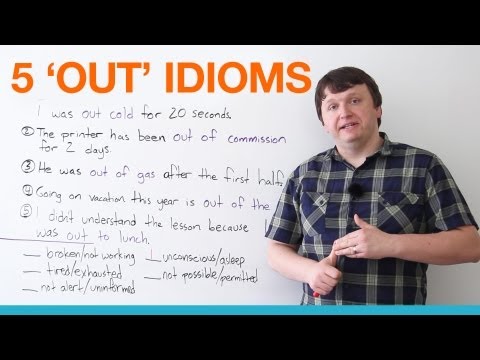
5 Common Idioms with 'OUT'
0
Halu Hsieh posted on 2013/10/07Ever feel like you're 'out of the loop' or 'out of your mind'? This video breaks down five super common English idioms using 'out' that you'll hear and want to use every day! You'll pick up practical vocabulary and boost your daily conversation skills in no time.
Learn this video on the APP!
The VoiceTube App has more in-depth practice for videos!