
ability
US /əˈbɪlɪti/
UK /ə'bɪlətɪ/
- Noun (Countable/Uncountable)
- The power, resources or skill to do something
- A particular skill or talent.
A2TOEICMoreadapt
US /əˈdæpt/
UK /ə'dæpt/
- Transitive Verb
- To change something for a different function
- To change something to fit or suit a new purpose
- Intransitive Verb
- To change your behaviour so that it is easier to live in a new place or situation
B1TOEICMoreaffect
US /əˈfɛkt/
UK /ə'fekt/
- Transitive Verb
- To cause a change in something else
- To pretend to have or feel (something).
- Noun
- (Psychology) Emotion or feeling.
A2TOEICMorealertness
US /ə'lɜ:tnəs/
UK /ə'lɜ:tnəs/
- Uncountable Noun
- State of being aware and able to respond quickly
B1Moreandroid
US /ˈænˌdrɔɪd/
UK /'ændrɔɪd/
- Noun (Countable/Uncountable)
- Robot that looks or seems human
- Trademarked computer operating system
B1Moreanxiety
US /æŋˈzaɪɪti/
UK /æŋ'zaɪətɪ/
- Uncountable Noun
- A feeling of worry, nervousness, or unease about something that might happen, especially when the outcome is uncertain.
B1Moreas opposed to
US
UK
- Preposition
- In contrast to; rather than.
- Instead of; in place of.
A1Moreat night
US /æt naɪt/
UK /æt nait/
- Phrase
- During the night; in the nighttime.
A1Moreauthentication
US
UK
- Uncountable Noun
- Act of proving that something is genuine, not fake
B1Moreautopilot
US /ˈɔ:toʊpaɪlət/
UK /ˈɔ:təʊpaɪlət/
- Noun
- (For ships, planes) automatic navigational device
C2Moreboost
US /bust/
UK /bu:st/
- Transitive Verb
- To increase something; to make something better
- To push someone or something up from beneath them
- Noun (Countable/Uncountable)
- An increase in something
B1TOEICMorebuff
US /bʌf/
UK /bʌf/
- Countable Noun
- Person who knows a great deal about a topic
- Transitive Verb
- To clean something so that it shines
B2Morecapacity
US /kəˈpæsɪti/
UK /kə'pæsətɪ/
- Noun (Countable/Uncountable)
- Ability to hold, involve or contain (e.g. liquids)
- Largest amount of something that can be produced
B1Morecheck out
US /tʃɛk aʊt/
UK /tʃek aut/
- Phrase
- Phrasal Verb
- To find out information about something
- To take books out of a library
A1Moreclaim
US /klem/
UK /kleɪm/
- Noun (Countable/Uncountable)
- To say that something is true, often without proof.
- A statement that something is true.
- Transitive Verb
- To demand or ask for something that you believe is rightfully yours.
- To take or cause the loss of (e.g., a life, property).
A2Moreconduct
US / kənˈdʌkt/
UK /kənˈdʌkt/
- Uncountable Noun
- Your behavior
- Verb (Transitive/Intransitive)
- To behave in a certain way; e.g. at a party
- To let electricity or heat travel through
B1TOEICMoredefine
US /dɪˈfaɪn/
UK /dɪ'faɪn/
- Transitive Verb
- To explain the meaning of words
- To set or mark the limits of something
A2TOEICMoredepression
US /dɪˈprɛʃən/
UK /dɪ'preʃn/
- Noun (Countable/Uncountable)
- Medical condition of a lack of vitality
- Period of unemployment and low economic activity
B2Moredeprivation
US /ˌdɛprəˈveʃən/
UK /ˌdeprɪˈveɪʃn/
- Uncountable Noun
- State of lacking something needed
- The state of lacking or being denied something considered necessary.
B2Moredeprive
US /dɪˈpraɪv/
UK /dɪˈpraɪv/
- Transitive Verb
- To deny someone access to or take away something
B2Moreeliminate
US /ɪˈlɪməˌnet/
UK /ɪ'lɪmɪneɪt/
- Transitive Verb
- To completely remove; to get rid of
- To remove from a contest by beating them
B1TOEICMoreevaluate
US /ɪˈvæljuˌet/
UK /ɪˈvæljueɪt/
- Transitive Verb
- To form an idea to judge something carefully
- To calculate or work out the value or amount of something.
A2TOEICMoreexcept for
US /ɪkˈsɛpt fɔr/
UK /ikˈsept fɔ:/
- Preposition
- Not including; excluding.
experiment
US /ɪkˈspɛrəmənt/
UK /ɪk'sperɪmənt/
- Noun (Countable/Uncountable)
- Test performed to assess new ideas or theories
- A course of action tentatively adopted without being sure of the eventual outcome.
- Verb (Transitive/Intransitive)
- To create and perform tests to research something
- To try something new that you haven't tried before
A2TOEICMoreexpert
US /ˈɛkˌspɚt/
UK /'ekspɜ:t/
- Countable Noun
- Skillful person with special knowledge
- Adjective
- Having special knowledge or skill
A2TOEICMoreextra
US /'ekstrə/
UK /'ekstrə/
- Adjective
- More than necessary; additional
- Of especially good quality or grade.
- Noun (Countable/Uncountable)
- Items more than you need; additional items
- Person who has a small part in a movie
A2Morefactor
US /ˈfæktɚ/
UK /'fæktə(r)/
- Noun
- Something that influences a result
- Transitive Verb
- To consider or include in an estimate or judgment
- To find the two numbers a number can be divided by
A2TOEICMorefor free
US /fɔr fri/
UK /fɔ: fri:/
- Phrase
- Without charge; at no cost.
- Adjective
- Available without payment.
A2Moreimpairment
US /ɪmˈpermənt/
UK /ɪmˈpeəmənt/
- Uncountable Noun
- Damage leading to lower strength or quality
- A loss of function or ability.
B2Moreindicate
US /ˈɪndɪˌket/
UK /ˈɪndɪkeɪt/
- Transitive Verb
- To show something; direct attention to; point out
- To represent something using a symbol or sign
A2TOEICMoreinertia
US /ɪˈnɚʃə/
UK /ɪˈnɜ:ʃə/
- Uncountable Noun
- Lack of movement or activity
- The tendency of an object to resist changes in its state of motion.
C1Moreirritable
US /ˈɪrɪtəbəl/
UK /ˈɪrɪtəbl/
- Adjective
- Annoyed; easily annoyed or angered
- Easily inflamed or sore.
B2Moreknow about
US /noʊ əˈbaʊt/
UK /nəʊ əˈbaut/
- Phrasal Verb
- To have information or understanding of a subject or situation.
live for
US /liv fɔr/
UK /liv fɔ:/
- Phrasal Verb
- To consider something the most important thing in your life; to find purpose or great pleasure in something.
A1Moreload up on
US
UK
- Phrasal Verb
- To acquire a large quantity of something, often in preparation for an event or shortage.
A1Moremental
US /ˈmɛntl/
UK /ˈmentl/
- Adjective
- Concerning the mind
A2TOEICMoremolecule
US /ˈmɑlɪˌkjul/
UK /ˈmɒlɪkju:l/
- Noun
- Two or more atoms chemically combined
B2Moremulti
US
UK
- Prefix
- A prefix meaning 'many' or 'more than one'
B1Morenap
US /næp/
UK /næp/
- Intransitive Verb
- To sleep or rest for a short time during the day
- Noun (Countable/Uncountable)
- Brief period of sleep or rest during the day
B2Moreneurologist
US /nʊˈrɑ:lədʒɪst/
UK /njʊəˈrɒlədʒɪst/
- Noun
- Doctor specializing in the nervous system
B2Moreproductivity
US /ˌprɑ:dʌkˈtɪvəti/
UK /ˌprɒdʌkˈtɪvəti/
- Uncountable Noun
- Rate at which people or machines produce
- A measure of the efficiency of a person, machine, factory, system, etc., in converting inputs into useful output.
B1TOEICMorereaction
US /riˈækʃən/
UK /rɪ'ækʃn/
- Noun
- Bodily response to a drug or something eaten
- Feeling or action in response to something
A2Morereset
US /riˈsɛt/
UK /ˌri:'set/
- Transitive Verb
- To return to the original start or formation
- Verb (Transitive/Intransitive)
- To return to the original start or formation
C1Moreresult
US /rɪˈzʌlt/
UK /rɪ'zʌlt/
- Noun
- Something produced through tests or experiments
- Final score of a competition, election or game
- Intransitive Verb
- To be the outcome of other causes and effects
- To happen or exist as a consequence of something.
A2Morereverse
US /rɪˈvɚs/
UK /rɪ'vɜ:s/
- Noun
- Setting that makes the vehicle go backward
- Instance of a significant change, for the worse
- Verb (Transitive/Intransitive)
- To drive a vehicle backward
- To change to an opposite state, way or condition
B1TOEICMoresane
US /sen/
UK /seɪn/
- Adjective
- showing good judgment and understanding
- having a healthy mind and not mentally ill
B2Moresevere
US /səˈvɪr/
UK /sɪ'vɪə(r)/
- Adjective
- Very bad; harsh
- (Of clothes, etc.) plain; simple; not decorated
A2TOEICMoreshorten
US /ˈʃɔrtn/
UK /'ʃɔ:tn/
- Transitive Verb
- To make something, e.g. a skirt, shorter
C1Moresnooze
US /snuz/
UK /snu:z/
- Noun (Countable/Uncountable)
- A short light sleep; nap
- Intransitive Verb
- To sleep lightly for a short period of time
C1Morespan
US /spæn/
UK /spæn/
- Noun (Countable/Uncountable)
- Distance between two supports of a bridge
- Period of time that something continues for
- Verb (Transitive/Intransitive)
- To go across a certain distance between things
- To cover or extend over a time period
B1TOEICMoresponsor
US /ˈspɑ:nsə(r)/
UK /ˈspɒnsə(r)/
- Noun
- Person that supports the passage of a new law
- Person giving money for someone's education
- Transitive Verb
- To support the passage of a new law
- To help someone succeed by giving them money
B1TOEICMorestay in
US /ste ɪn/
UK /stei in/
- Phrasal Verb
- To remain inside one's home.
- Intransitive Verb
- To remain as an inpatient in a hospital.
survive
US /sɚˈvaɪv/
UK /sə'vaɪv/
- Intransitive Verb
- To continue to live despite illness or trouble
A2TOEICMoresustain
US /səˈsten/
UK /sə'steɪn/
- Transitive Verb
- To lengthen or continue to do something
- To support or maintain someone or something
B2TOEICMoretablet
US /ˈtæblɪt/
UK /'tæblət/
- Noun (Countable/Uncountable)
- Small hand-held computer with a touch screen
- Small round piece of medicine which is swallowed
B2Morethanks to
US /θæŋks tu/
UK /θæŋks tu:/
- Preposition
- Because of; as a result of.
A1Moreunconscious
US /ʌnˈkɑnʃəs/
UK /ʌnˈkɒnʃəs/
- Adjective
- Not aware of what is going on around you
- Not being deliberate or on purpose
- Uncountable Noun
- The part of the mind that contains thoughts and feelings that one is not aware of.
B1Moreused to
US /juzd tu/
UK /ˈju:st tə/
- Adjective
- Did regularly before, but don't do now
- Auxiliary Verb
- Have done before, but do not do now
A1Morewake up
US /wek ʌp/
UK /weik ʌp/
- Phrasal Verb
- To stop sleeping
- To become fully aware and alert to a situation.
A1More
Vocabulary
- used to: Did regularly before, but don't do now
- thanks to: Because of; as a result of.
- for free: Without charge; at no cost.
- know about: To have information or understanding of a subject or situation.
- load up on: To acquire a large quantity of something, often in preparation for an event or shortage.
- as opposed to: In contrast to; rather than.
- stay in: To remain inside one's home.
- wake up: To stop sleeping
- at night: During the night; in the nighttime.
- except for: Not including; excluding.
- live for: To consider something the most important thing in your life; to find purpose or great pleasure in something.
- check out
- anxiety: A feeling of worry, nervousness, or unease about something that might happen, especially when the outcome is uncertain.
- mental: Concerning the mind
- deprivation: State of lacking something needed
- depression: Medical condition of a lack of vitality
- eliminate: To completely remove; to get rid of
- boost: To increase something; to make something better
- period: Set amount of time during which events take place
- improve: To make, or become, something better
- severe: Very bad; harsh
- capacity: Ability to hold, involve or contain (e.g. liquids)
- experiment: Test performed to assess new ideas or theories
- claim: To say that something is true, often without proof.
- unconscious: Not aware of what is going on around you
- irritable: Annoyed; easily annoyed or angered
- ability: The power, resources or skill to do something
- increase: To make or become larger in size or amount
- molecule: Two or more atoms chemically combined
- conduct: Your behavior
- expert: Skillful person with special knowledge
- reverse: Setting that makes the vehicle go backward
- affect: To cause a change in something else
- sustain: To lengthen or continue to do something
- adapt: To change something for a different function
- snooze: A short light sleep; nap
- define: To explain the meaning of words
- indicate: To show something; direct attention to; point out
- factor: Something that influences a result
- extra: More than necessary; additional
- reaction: Bodily response to a drug or something eaten
- productivity: Rate at which people or machines produce
- result: Something produced through tests or experiments
- evaluate: To form an idea to judge something carefully
- survive: To continue to live despite illness or trouble
- sane: showing good judgment and understanding
- mood: Emotion or a state of mind; how you feel
- click: To work well with someone or something
- span: Distance between two supports of a bridge
- leave: To go away from; depart
- inertia: Lack of movement or activity
- deprive: To deny someone access to or take away something
- noggin: A human head
- stage: To organize an event to gain public interest
- alertness: State of being aware and able to respond quickly
- sponsor: Person that supports the passage of a new law
- impairment: Damage leading to lower strength or quality
- last: Final; with nothing following; after all others
- remember: To give someone a gift, e.g. birthday, wedding
- deep: Complex and important
- include: To make someone, something part of a group
- nap: To sleep or rest for a short time during the day
- fast: In a way that is difficult to move or change
- minute: Notes taken at a meeting to record what was said
- tablet: Small hand-held computer with a touch screen
- atlantic: Of the ocean between Africa and the Americas
- authentication: Act of proving that something is genuine, not fake
- autopilot: (For ships, planes) automatic navigational device
- multi: A prefix meaning 'many' or 'more than one'
- android: Robot that looks or seems human
- buff: Person who knows a great deal about a topic
- neurologist: Doctor specializing in the nervous system
- reset: To return to the original start or formation
- shorten: To make something, e.g. a skirt, shorter
Get the full experience in the app
Learn anywhere with detailed sentence and usage analysis
01:03
She took a brave step forward, leaving behind her comfort zone to chase her dreams.
Vocabulary
- brave
adj. Having courage
- comfort zone
phr. A familiar situation where one feels safe
Explanation
a brave step is a noun phrase, where brave is an adjective modifying the noun step, meaning "a courageous step".
forward is an adverb modifying step, meaning "ahead".
The whole phrase serves as the object, answering the "what" of took (verb) — she took a brave step forward.
Get the full experience in the app
Look up words anytime with pronunciation, part of speech, and usage
brave
US/brev/
UK/breɪv/
adj.Brave
v.t.To bravely face
A2 Elementary
Get the full experience in the app
Practice speaking anytime and get instant pronunciation feedback
Try this speaking exercise.
Try practicing with this sentence.
80
0
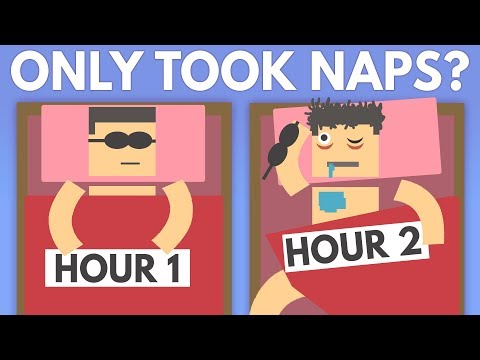
Evangeline posted on 2022/08/02Ever wondered if you could ditch long sleep for power naps? This video dives into the fascinating world of polyphasic sleep and the surprising benefits of napping, perfect for boosting your productivity! You'll pick up some advanced vocabulary related to sleep science and learn practical tips you can use daily.
Learn this video on the APP!
The VoiceTube App has more in-depth practice for videos!