
answer to
US
UK
- Phrasal Verb
- To be responsible to someone and have to explain your actions to them.
- To correspond to or match a description or requirement.
A1Moreawful
US /ˈɔfəl/
UK /ˈɔ:fl/
- Adjective
- Very bad; horrible; terrible
A2Morecalm
US /kɑm/
UK /kɑ:m/
- Adjective
- Without wind or storm; quiet; peaceful
- Relaxed and not worried or angry
- Verb (Transitive/Intransitive)
- To make or become relaxed and not worried or angry
A2Morecalm down
US /kɑm daʊn/
UK /kɑ:m daun/
- Phrasal Verb
- To make or become relaxed after being stressed
A2Morecome back
US /kʌm bæk/
UK /kʌm bæk/
- Phrasal Verb
- To reply to someone, often forcefully
- To be remembered
A1Moreconfidence
US /ˈkɑnfɪdəns/
UK /'kɒnfɪdəns/
- Uncountable Noun
- Feeling that you can do well at something
- Feeling you can trust someone
A2Moreconfident
US /ˈkɑnfɪdənt/
UK /ˈkɒnfɪdənt/
- Adjective
- Feeling that you can do well at something
- Having a strong belief in the truth or certainty of something.
- Noun
- A person who is self-assured and believes in their abilities.
A2Moreconversation
US /ˌkɑnvɚˈseʃən/
UK /ˌkɒnvəˈseɪʃn/
- Uncountable Noun
- Talking with other people; discussion or chat
- General communication or interaction.
A2Moreexpression
US /ɪkˈsprɛʃən/
UK /ɪk'spreʃn/
- Noun (Countable/Uncountable)
- Act of making your thoughts and feelings known
- Group of words that have a specific meaning
A2TOEICMorefantastic
US /fænˈtæstɪk/
UK /fænˈtæstɪk/
- Adjective
- Strange or unusual in design or appearance
- Very large, fast or great
A2Morefeel stuck
US
UK
- Phrase
- To feel unable to progress or change a situation, often leading to frustration or helplessness.
A1Morefigure out
US /ˈfɪɡjɚ aʊt/
UK /ˈfiɡə aut/
- Phrasal Verb
- To understand the behavior of someone
- To think through logically to find a solution
- Verb (Transitive/Intransitive)
- To understand or find an answer to something.
- To find a solution to a problem or understand something.
A1Morefor example
US
UK
- Phrase
- As an illustration or instance.
forget about
US /fɚˈɡɛt əˈbaʊt/
UK /fəˈɡet əˈbaut/
- Phrasal Verb
- To stop thinking about something; to ignore something.
A1Morefrustration
US /frʌˈstreʃən/
UK /frʌ'streɪʃn/
- Noun (Countable/Uncountable)
- Annoyance because things don't go the way you want
- The prevention of the progress, success, or fulfillment of something.
B1Morego on
US /ɡo ɑn/
UK /ɡəu ɔn/
- Phrasal Verb
- To continue doing something
- To happen (usually negative)
- Interjection
- Used to encourage someone
A1Moregrammar
US /ˈɡræmɚ/
UK /ˈgræmə(r)/
- Uncountable Noun
- Book describing the syntactic rules of a language
- Rules explaining how words are used in a language
B1Moreidiom
US /ˈɪdiəm/
UK /ˈɪdiəm/
- Noun
- Phrase with a special, metaphoric meaning
B2Moreinstead of
US /ɪnˈstɛd ʌv/
UK /inˈsted ɔv/
- Preposition
- When one thing is replaced by another
- Adverb
- As a substitute or alternative.
A1Moremove on
US /muv ɑn/
UK /mu:v ɔn/
- Phrasal Verb
- To decide to change or go to a different place
- To start talking about something different.
A1Morenative
US /ˈnetɪv/
UK /ˈneɪtɪv/
- Noun (Countable/Uncountable)
- Someone from or born in a specific country
- Original inhabitant, e.g. before others
- Adjective
- Caused by natural ability; innate
A2Moreneighbor
US /ˈnebɚ/
UK /'neɪbə/
- Noun (Countable/Uncountable)
- Person who lives, or is near, you
- A country or area next to another.
- Adjective
- Situated near or next to something.
B1Moreof course
US /ʌv kɔː(r)s/
UK /ɔv kɔː(r)s/
- Adverb
- Sure ; Certainly
- Phrase
- For sure; certainly
A2Moreon to
US /ɑn tu/
UK /ɔn tu:/
- Preposition
- Toward something; forward
- Aware of someone's activities.
- Adjective
- Aware of someone's deception or illegal activities.
A1Moreopinion
US /əˈpɪnjən/
UK /əˈpɪnjən/
- Noun
- Court judge's statement why a decision was made
- A person's thoughts on a topic
A2TOEICMoreopportunity
US /ˌɑpɚˈtunɪti, -ˈtju-/
UK /ˌɒpə'tju:nətɪ/
- Noun (Countable/Uncountable)
- Time, situation when a thing might be done; chance
- A favorable time or occasion for doing something.
A2TOEICMorepolite
US /pəˈlaɪt/
UK /pəˈlaɪt/
- Adjective
- Showing good manners or respect for other people
A2TOEICMorestick
US /stɪk/
UK /stɪk/
- Verb (Transitive/Intransitive)
- To push a sharp or pointed object into something
- To join together using glue or paste
- Countable Noun
- Long thin piece of wood from a tree
A2Morestrategy
US /ˈstrætədʒi/
UK /'strætədʒɪ/
- Noun (Countable/Uncountable)
- Careful plan or method for achieving a goal
- Branch of military dealing with command
A2TOEICMoresuck
US /sʌk/
UK /sʌk/
- Intransitive Verb
- To be very bad, undesirable or unpleasant
- Transitive Verb
- To pull or remove something with great power
- To attract someone; make someone interested
B1Moretalk about it
US /tɔk əˈbaʊt ɪt/
UK /tɔ:k əˈbaut it/
- Verb (Transitive/Intransitive)
- To discuss a particular subject.
A1Morethink about
US /θɪŋk əˈbaʊt/
UK /θiŋk əˈbaut/
- Phrasal Verb
- To consider something carefully.
- To remember or call to mind.
A1Morethink of
US /θɪŋk ʌv/
UK /θiŋk ɔv/
- Phrasal Verb
- To look on as (being something specific); consider
- To consider or remember something.
- Verb (Transitive/Intransitive)
- To imagine or call something to mind
A1Morethumbs up
US
UK
- Noun
- A gesture of approval or agreement, indicated by holding a fist with the thumb extended upwards.
- A positive rating or vote on social media or online platforms.
- Noun (plural)
- Multiple gestures of approval or agreement made by extending the thumbs upward.
A1Moretip
US /tɪp/
UK /tɪp/
- Transitive Verb
- To pour or move something from a place, container
- To give extra money for good service
- Noun
- End point of e.g. a pencil or finger
- Extra money given for good service
A2Moretongue
US /tʌŋ/
UK /tʌŋ/
- Noun
- Long, thin part of (e.g. shoe under the laces)
- Meat from the mouth of an animal, cooked as food
- Transitive Verb
- To using your mouth to produce musical notes
- To use your mouth to touch something
A2Moretrain of thought
US /tren ʌv θɔt/
UK /trein ɔv θɔ:t/
- Noun
- A connected series of thoughts.
A1Morewant in
US
UK
- Intransitive Verb
- To desire to participate or be included in something.
A1Morework in
US /wɚk ɪn/
UK /wə:k in/
- Phrasal Verb
- To make an opening for something in your schedule
- To fit person/thing into a schedule or sequence
A1More
Vocabulary
- think about: To consider something carefully.
- come back: To reply to someone, often forcefully
- for example: As an illustration or instance.
- on to: Toward something; forward
- move on: To decide to change or go to a different place
- feel stuck: To feel unable to progress or change a situation, often leading to frustration or helplessness.
- of course: Sure ; Certainly
- want in: To desire to participate or be included in something.
- figure out: To understand the behavior of someone
- calm down: To make or become relaxed after being stressed
- instead of: When one thing is replaced by another
- answer to: To be responsible to someone and have to explain your actions to them.
- think of: To look on as (being something specific); consider
- train of thought: A connected series of thoughts.
- forget about: To stop thinking about something; to ignore something.
- go on: To continue doing something
- talk about it: To discuss a particular subject.
- work in: To make an opening for something in your schedule
- thumbs up: A gesture of approval or agreement, indicated by holding a fist with the thumb extended upwards.
- stick: To push a sharp or pointed object into something
- opportunity: Time, situation when a thing might be done; chance
- strategy: Careful plan or method for achieving a goal
- situation: Place, position or area that something is in
- expression: Act of making your thoughts and feelings known
- native: Someone from or born in a specific country
- common: Area in a city or town that is open to everyone
- conversation: Talking with other people; discussion or chat
- awful: Very bad; horrible; terrible
- confident: Feeling that you can do well at something
- confidence: Feeling that you can do well at something
- opinion: Court judge's statement why a decision was made
- frustration: Annoyance because things don't go the way you want
- calm: Without wind or storm; quiet; peaceful
- fantastic: Strange or unusual in design or appearance
- bit: Device put in a horse's mouth to control it
- suck: To be very bad, undesirable or unpleasant
- tongue: Long, thin part of (e.g. shoe under the laces)
- tip: To pour or move something from a place, container
- brain: To strike someone forcefully on the head
- simply: In an easy or clear manner
- explain: To make clear or easy to understand by describing
- grammar: Book describing the syntactic rules of a language
- polite: Showing good manners or respect for other people
- idiom: Phrase with a special, metaphoric meaning
- nervous: Concerning the system of nerves in the body
- subject: The person, thing, or idea that is being discussed, described, or studied.
- suddenly: In an unexpected or very quick manner
- mind: To be bothered or upset by something
- totally: In a complete way; completely; absolutely
- moment: Very short or brief period of time
- continue: To do something without stopping, or after pausing
- language: Words or signs used to communicate messages
- person: Man, woman or child
- neighbor: Person who lives, or is near, you
Get the full experience in the app
Learn anywhere with detailed sentence and usage analysis
01:03
She took a brave step forward, leaving behind her comfort zone to chase her dreams.
Vocabulary
- brave
adj. Having courage
- comfort zone
phr. A familiar situation where one feels safe
Explanation
a brave step is a noun phrase, where brave is an adjective modifying the noun step, meaning "a courageous step".
forward is an adverb modifying step, meaning "ahead".
The whole phrase serves as the object, answering the "what" of took (verb) — she took a brave step forward.
Get the full experience in the app
Look up words anytime with pronunciation, part of speech, and usage
brave
US/brev/
UK/breɪv/
adj.Brave
v.t.To bravely face
A2 Elementary
Get the full experience in the app
Practice speaking anytime and get instant pronunciation feedback
Try this speaking exercise.
Try practicing with this sentence.
80
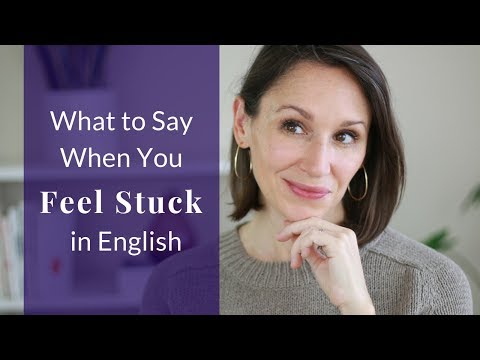
What to Say When You Feel Stuck in English and How to Continue the Conversation ?
0
Emily posted on 2018/09/26Ever freeze up when you can't find the right English words? This video is packed with super useful phrases and strategies to help you keep the conversation flowing, even when you feel stuck! You'll learn practical ways to overcome hesitation and sound more confident in everyday chats and even business meetings.
Learn this video on the APP!
The VoiceTube App has more in-depth practice for videos!